services/ao-dai-photoshoot
Ao Dai Etiquette for Foreigners: Wear, Respect & Photo Tips
Wearing an ao dai as a foreigner carries cultural weight beyond aesthetics. Vietnam's national garment isn't a stage costume—it's worn by locals daily for work, celebrations, and spiritual spaces. Tourists often misstep by ignoring layering rules, photographing irreverently in temples, or treating the gown like fancy dress. This guide unpacks real etiquette so your ao dai moment honors the garment and the people around you.
What exactly goes under an ao dai, and why does it matter?
The ao dai's front panel sits sheer—often silk charmeuse or silk blend—from collarbone to floor. Underwear visibility breaks the aesthetic completely. You must wear an opaque slip (usually included with rental or purchase) that extends from chest to ankle in a neutral tone matching your skin. Some wearers add a thin camisole under the slip for comfort. The slip isn't a secret—it's structural. Forgetting it, or wearing white underwear under cream silk, is the most common mistake we see at the studio.
📸 Book on WhatsApp — ao dai photoshoot
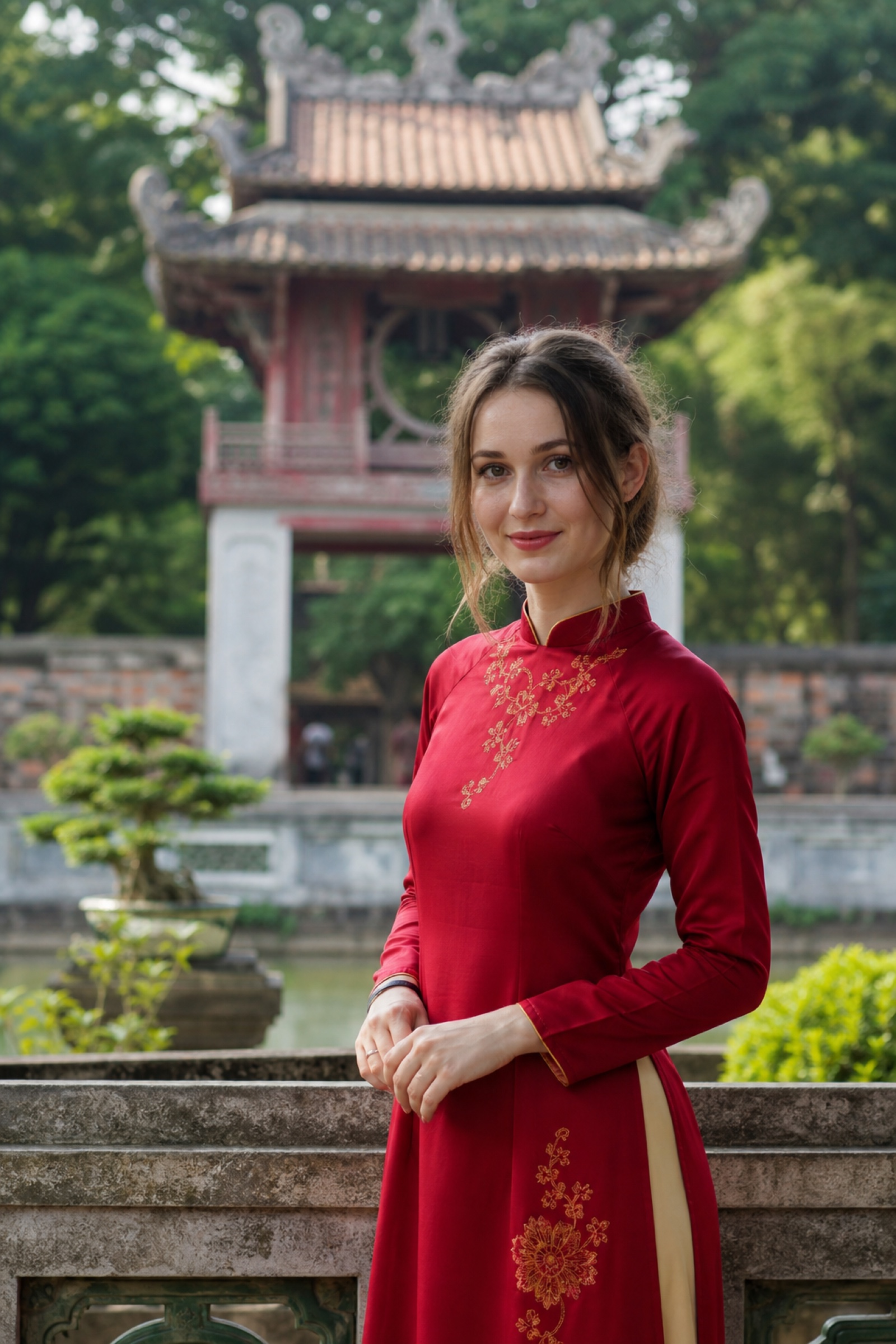
Where can foreigners actually wear an ao dai without standing out?
Ao dais appear in Hanoi and Ho Chi Minh City daily: office workers in government buildings, shop staff in hotels, and women at restaurants on weekends. Tourist hotspots like the Old Quarter or Hoi An Ancient Town see foreign wearers constantly—locals aren't judgmental there. Sacred spaces like temples demand different rules. Wearing an ao dai to a temple is respectful; wearing one in a temple as a photo prop is not. Photoshoots must happen outside temple grounds or in designated tourist prayer areas.
Nightlife venues, casual street wear, and family dinners all welcome ao dais. The rule: formal contexts first, tourist zones second, sacred spaces last—and never as mockery.
What's the real difference between casual, semi-formal, and formal ao dai styling?
| Occasion | Fabric & Color | Undergarment | Accessories | Hair & Makeup | Who wears it |
|---|---|---|---|---|---|
| Daytime/casual photo | Cotton or cotton-silk blend, pastels or jewel tones | Neutral slip + thin camisole | Minimal jewelry, sandals or flats | Soft makeup, loose or half-up hair | Tourists, young professionals |
| Semi-formal (restaurant, gathering) | Silk, solid or subtle patterns | Silk slip in matching tone | Small earrings, clutch, heeled sandals or formal shoes | Defined makeup, styled hair (bun or waves) | Office workers, wedding guests |
| Formal (Tet, weddings, galas) | Premium silk or damask, jewel tones or traditional motifs | Silk slip, sometimes a silk underdress | Gold jewelry, formal bag, heeled shoes, hair ornament | Full makeup, elaborate updo or traditional style | Brides' family, government officials |
At Cáo Studio, we pair your body type and skin tone with fabric weight and color—not just aesthetic preference. A sheer summer cotton suits petite frames; heavier silk drapes better on taller builds. We discuss occasion context before fitting, so your styling choice matches where you'll actually wear it.
How should you behave in temples while wearing an ao dai?
Temple etiquette transcends clothing. Wear the ao dai before entering, not as a costume change inside. Once inside: remove shoes, walk slowly, keep hands to yourself (no touching altars or Buddha statues), and speak quietly. Photography is often forbidden in inner sanctums—always ask before shooting. If wearing an ao dai in a temple, locals expect you to show reverence, not perform for Instagram.
Incense smoke may cling to fabric. Hang your ao dai outside to air dry afterward; don't machine wash immediately. The gown's respect comes through how you move, not just how it looks in photos.
What's the quickest decision framework before renting or buying an ao dai?
Use this checklist before booking or purchasing:
- Purpose: photoshoot, wedding, tourist experience, or daily wear?
- Occasion formality: casual, semi-formal, or formal?
- Climate fit: is the fabric weight right for season and venue?
- Body type alignment: does the cut suit your proportions?
- Undergarment included: slip, camisole, and sizing correct?
- Styling support: do you need hair, makeup, and photography guidance?
- Respect intent: are you wearing it authentically or performatively?
- Logistics: rental vs. purchase; shipping time; return policy?
For photoshoots, Cáo Studio's ao dai experience includes styling guidance, professional makeup, and cultural context—not just the garment. For casual tourism, a one-time rental from a tourist district shop is fine; you won't need professional styling. For weddings or semi-formal events, invest in a proper fitting or rental from a tailor who understands your body.
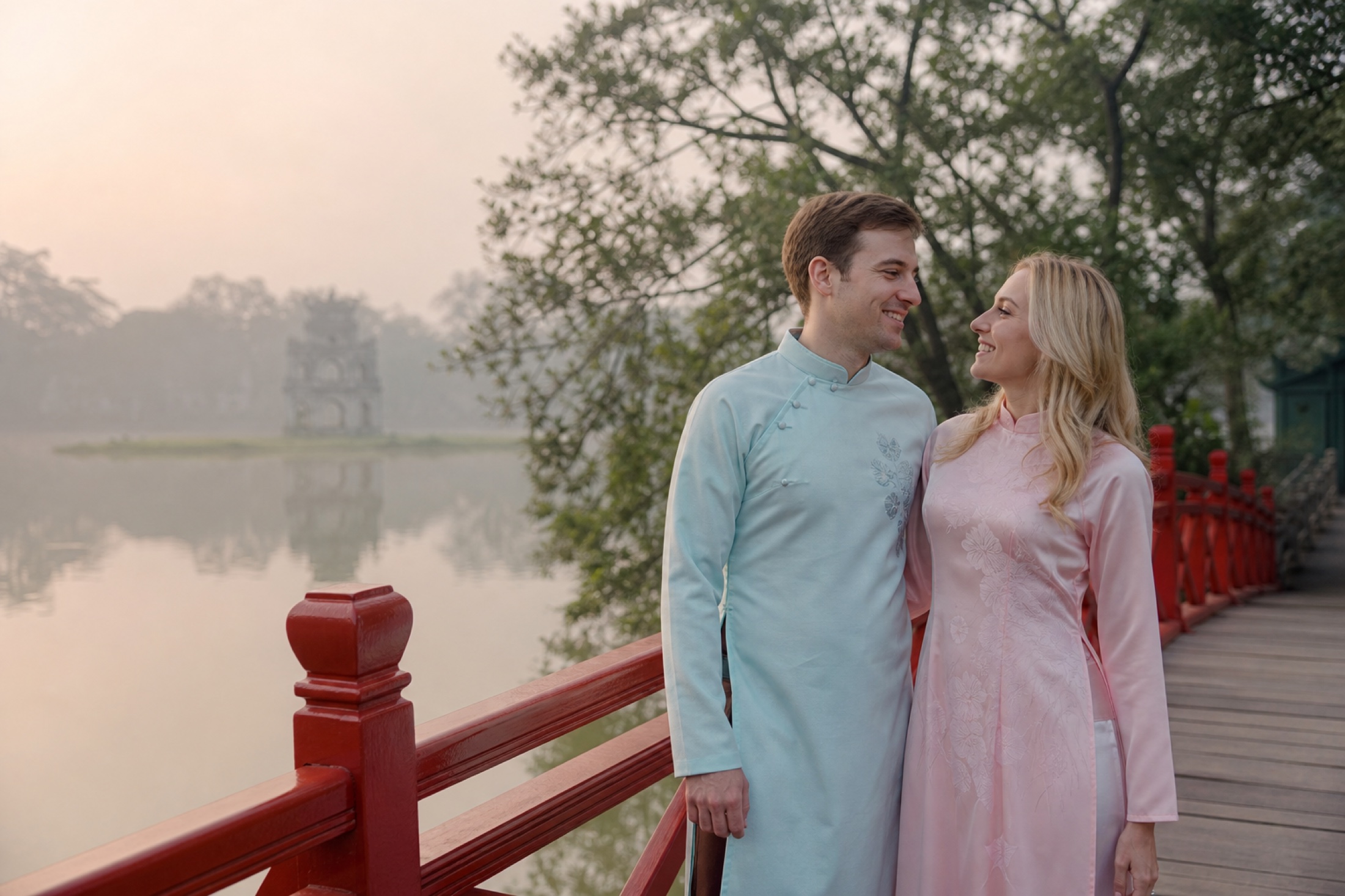
What should you check before ordering an ao dai online?
Fit uncertainties: Online ao dais ship within 5–10 days in the US (free over $35 minimum). Check size charts against your measurements, not your usual clothing size. Vietnamese sizing runs smaller; if you're between sizes, size up. Request a pre-ship photo from the vendor if customization is involved.
Fabric inspection: Ask about fiber content (silk blends vs. pure cotton) and weight (ounces per yard). Sheer fabric is intentional—confirm the slip is included and matches your skin tone, not generic beige.
Slip alignment: The slip must extend floor-length. If you're tall, confirm the vendor can add length before shipping. A short slip destroys the look and breaks etiquette.
Return & guarantee: Our 30-day smile guarantee covers ao dai purchases—no questions asked. Check the vendor's policy on color accuracy, seam quality, and alterations. Photos under daylight and indoor light often differ.
Seasonal timing: Tet (January–February) sees long wait times. Order 6–8 weeks ahead if gifting or wearing for Lunar New Year.
Why book a professional photoshoot instead of DIY?
A professional session—like our ao dai photoshoot service—handles styling, light, posing, and cultural sensitivity you can't DIY. We've learned which angles hide common insecurities, how to photograph sheer layers without exposure issues, and where in Hanoi the light flatters ao dais best at each hour. We also guide guests on temple etiquette and respectful posing.
Tourist selfies in temple grounds or backstreet photo spots often feel rushed and tone-deaf. A stylist ensures your undergarments stay hidden, your posture conveys elegance (not stiffness), and your photos read as intentional—not costume-play. For couples or families, our couple & family photoshoot adapts ao dai shoots to group dynamics and multiple outfits.
📸 Book on WhatsApp — ao dai photoshoot
Common mistakes that disrespect the garment
- Wearing white or bright undergarments under a light ao dai (visible through sheer panel).
- Treating it as a photo prop in temples or sacred spaces.
- Pairing it with casual gym shoes or mismatched accessories (undercuts the formal intent).
- Pulling or posing in ways that separate the áo (tunic) from the quần (pants), exposing the slip.
- Washing immediately after temple visits without airing out incense; it weakens delicate fabrics.
- Renting an ill-fitting size and hoping tailoring fixes it in 24 hours (takes longer; risks rips).
---
What to check before you buy or book
| Question | Why it matters | Red flag to avoid |
|---|---|---|
| Is the slip included and long enough? | Visible undergarments break etiquette. | Slip ends above your ankles or isn't included. |
| Does the fabric match the occasion? | Summer cotton suits casual; silk suits formal. | Buying heavy silk for tourist tourist wear wastes money. |
| What's the measurement standard? | Vietnamese sizing ≠ US sizing. | No size chart or refusing to upsize for safety. |
| Is professional styling offered? | Saves you research on temple etiquette, posing, makeup. | Booking a shoot and arranging everything solo. |
| What's the return/exchange policy? | Dye lot, fit, and shipping errors happen. | No guarantee; non-refundable; or 14-day limit. |
| Does the price include alterations? | Hems and bust darts are structural, not optional. | Cheap price but alterations cost extra. |
---
Looking to wear an ao dai authentically? Visit our Hanoi studio, Saigon location, or book a Hoi An shoot with guidance from our team. We handle styling, cultural etiquette, and photography so you feel confident and respectful.
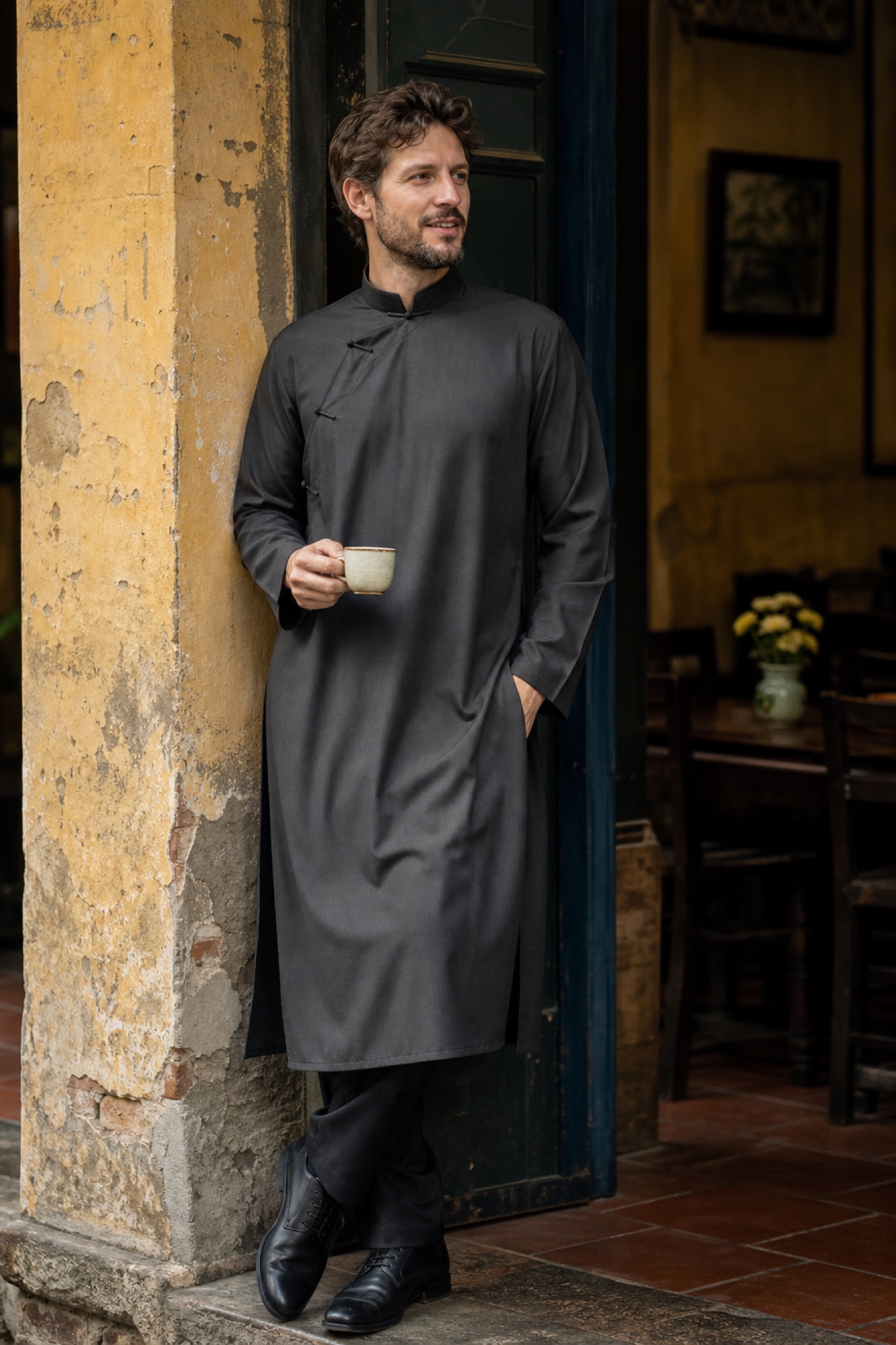
FAQ
Can I wear an ao dai to a temple if I'm not Vietnamese?
Yes, but with care. Wear it before entering (not as a costume change inside), remove shoes, avoid photography in inner sanctums, and show reverence. Temples welcome respectfully dressed foreigners. Never pose playfully or disregard signage.
What's the proper undergarment if I buy an ao dai online?
You need an opaque slip (áo lót) that extends floor-length in a neutral tone matching your skin. Most reputable vendors include this. Add a thin camisole under the slip if you prefer extra coverage or want to reduce transparency concerns.
Is renting cheaper than buying an ao dai for a one-time photoshoot?
For most tourists, yes. Rental runs 20–30% of a quality purchase price and includes styling guidance. If you'll wear it multiple times (weddings, future trips, fashion), buying is smarter long-term.
How do I know if my ao dai fits correctly?
The tunic (áo) should sit smoothly from shoulder to hip without bunching. The waistband sits at your natural waist, not hips. Pants drape straight to the floor; no dragging or bunching at the ankle. Your slip stays hidden under the sheer panel. If anything pinches or shifts when you move, it needs tailoring.
What's the difference between wearing an ao dai for a photoshoot versus a formal event?
Photoshoots allow more styling flexibility and often pair multiple ao dais with different settings and poses. Formal events (weddings, dinners) require one outfit that matches the dress code and occasion. Professional photoshoots include hair, makeup, and posing coaching—formal events rely on you for presentation.
Should I book a professional session or rent an ao dai and photograph myself?
Professional sessions handle lighting, posing, cultural etiquette, and styling—saves research and guarantees flattering results. Self-shoots work for casual memory-keeping but often look amateur. For Tet, anniversaries, or couple milestones, professional is worth the investment.
Can I wear an ao dai to a restaurant or casual daytime event?
Absolutely. Ao dais are everyday wear in Vietnam. Pair casual cotton or cotton-silk blends with minimal jewelry and flats or sandals. Locals wear them to shops, offices, and family gatherings—it's normal, not a special occasion gown.
What if I'm very tall or plus-size—can I get an ao dai that fits?
Yes, but sourcing takes time. Vietnamese standard sizes cap out around size L. Tall or plus-size wearers need custom tailoring or vendors who specialize in extended sizing. Order 8–10 weeks ahead and request pre-ship measurements. Professional studios can source or alter ao dais to fit any body type.
FAQ
Can I wear an ao dai to a temple if I'm not Vietnamese?
Yes, but with care. Wear it *before* entering (not as a costume change inside), remove shoes, avoid photography in inner sanctums, and show reverence. Temples welcome respectfully dressed foreigners. Never pose playfully or disregard signage.
What's the proper undergarment if I buy an ao dai online?
You need an opaque slip (áo lót) that extends floor-length in a neutral tone matching your skin. Most reputable vendors include this. Add a thin camisole under the slip if you prefer extra coverage or want to reduce transparency concerns.
Is renting cheaper than buying an ao dai for a one-time photoshoot?
For most tourists, yes. Rental runs 20–30% of a quality purchase price and includes styling guidance. If you'll wear it multiple times (weddings, future trips, fashion), buying is smarter long-term.
How do I know if my ao dai fits correctly?
The tunic (áo) should sit smoothly from shoulder to hip without bunching. The waistband sits at your natural waist, not hips. Pants drape straight to the floor; no dragging or bunching at the ankle. Your slip stays hidden under the sheer panel. If anything pinches or shifts when you move, it needs tailoring.
What's the difference between wearing an ao dai for a photoshoot versus a formal event?
Photoshoots allow more styling flexibility and often pair multiple ao dais with different settings and poses. Formal events (weddings, dinners) require one outfit that matches the dress code and occasion. Professional photoshoots include hair, makeup, and posing coaching—formal events rely on you for presentation.
Should I book a professional session or rent an ao dai and photograph myself?
Professional sessions handle lighting, posing, cultural etiquette, and styling—saves research and guarantees flattering results. Self-shoots work for casual memory-keeping but often look amateur. For Tet, anniversaries, or couple milestones, professional is worth the investment.
Can I wear an ao dai to a restaurant or casual daytime event?
Absolutely. Ao dais are everyday wear in Vietnam. Pair casual cotton or cotton-silk blends with minimal jewelry and flats or sandals. Locals wear them to shops, offices, and family gatherings—it's normal, not a special occasion gown.
What if I'm very tall or plus-size—can I get an ao dai that fits?
Yes, but sourcing takes time. Vietnamese standard sizes cap out around size L. Tall or plus-size wearers need custom tailoring or vendors who specialize in extended sizing. Order 8–10 weeks ahead and request pre-ship measurements. Professional studios can source or alter ao dais to fit any body type.
Ao dai, makeup, hair and a local photographer in Hanoi or Saigon — one WhatsApp message.