/ao-dai-photoshoot
Ao Dai Wedding Photos at My Khe Beach: Planning Your Shoot
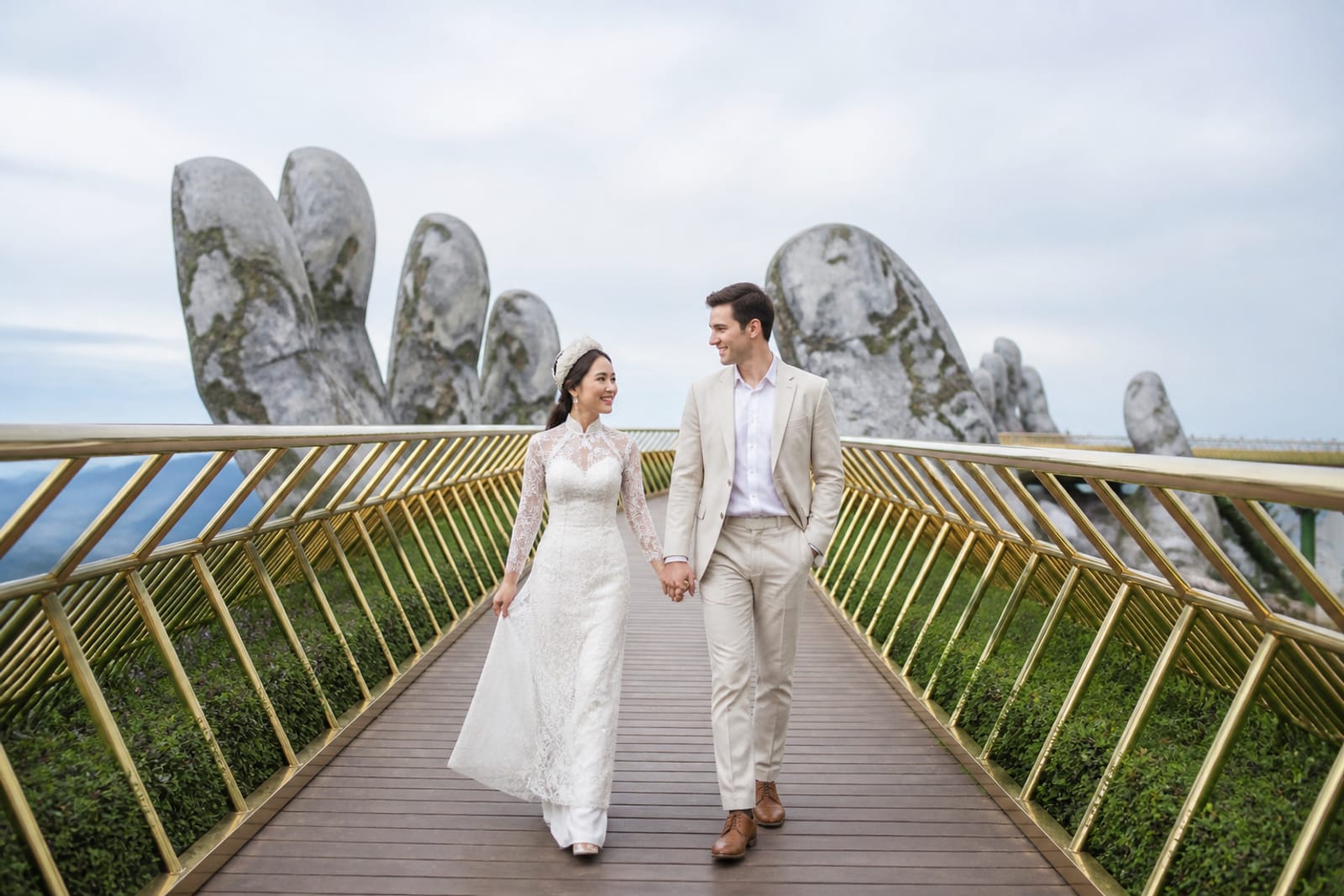
My Khe Beach in Da Nang is a 900-meter crescent of soft sand facing east, best for ao dai wedding photos during sunrise (5:30–6:30 a.m.) or just after dawn when the light is warm and crowds are absent. The central coast's dry season (February–August) guarantees clear skies; book September–December only if you accept rain risk and typhoon delays. A typical session runs 2–3 hours, including outfit changes and beach walks. Cáo Studio – Makeup & Photoshoot does not operate in Da Nang; you'll work with a local photographer, bring a dedicated hair and makeup artist or book one through your hotel, and arrive with a clear shot list and backup date. Avoid mid-morning (10 a.m.–2 p.m.): the sun is harsh, shadows are dark, and the beach fills with swimmers and tourists.
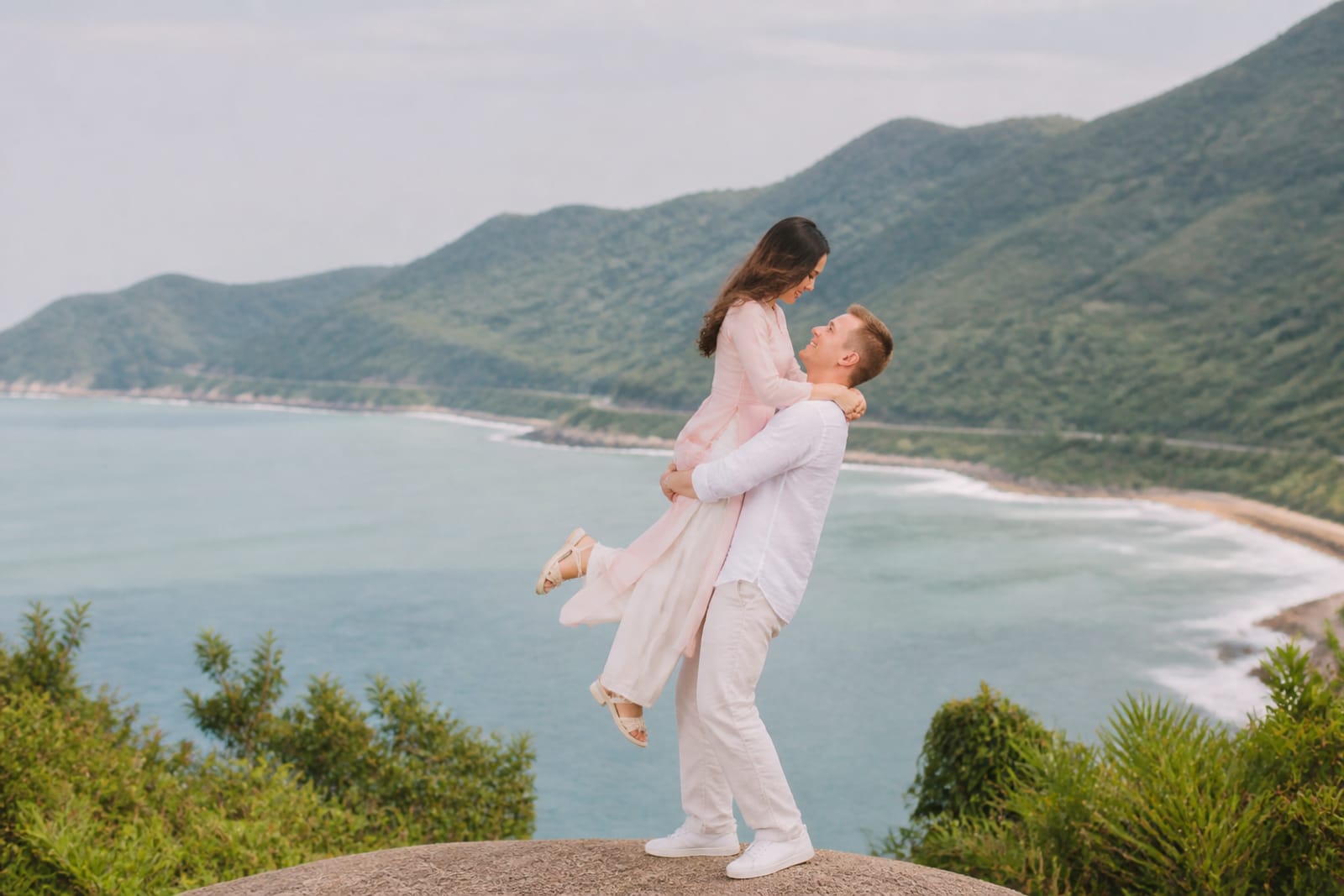
My Khe Beach stretches along Da Nang's coast and is one of Vietnam's most-photographed wedding venues. The sand is fine and light-coloured, the water calm in early morning, and the horizon clean. A wedding ao dai session here captures the romance of traditional dress against a natural seascape—but only if you time it right, choose your team carefully, and understand what can go wrong.
Why is sunrise the only realistic time for this shoot?
Between 5:30 and 6:30 a.m., the sun rises on the eastern horizon and casts a warm, diffused glow across the sand and water. Your ao dai's embroidery and silk catch the light without contrast burn. The beach is empty: no swimmers, no vendors, no crowds in the frame. After 7 a.m., foot traffic increases; by 9 a.m., tour groups arrive. From 10 a.m. onwards, the sun is overhead and the light is flat and harsh—colors look washed out, your face falls into shadow under the ao dai's high collar, and the sand reflects glare that makes exposure metering difficult for a photographer. Late afternoon (4–5 p.m.) offers a second window of soft light, but the beach is busiest then and the sun is already lower, which shortens your shooting window and forces tighter framing. Sunrise is non-negotiable for quality.
📸 Book on WhatsApp — ao dai photoshoot | 🌸 See the lookbook
Which months give you the best weather and light?
The central coast climate divides sharply: February through August is the dry season, with clear skies and predictable light. May and June are hot (28–32°C) but the sun is not yet harsh at dawn. July and August are the warmest and most humid, but sunrise light remains strong. September onwards enters the typhoon and rainy season; October and November are the worst months for photoshoots due to heavy downpours, flooding, and typhoon disruptions. December and January clear slightly but remain cloudy and grey. Book February–August if possible; if you must shoot September–January, secure a backup date in writing with your photographer and have an indoor contingency plan (a covered pavilion, a hotel corridor, or an indoor temple).
How do you manage makeup, hair and costume on location?
You have three options. First: hire a professional makeup artist and hair stylist to meet you at the beach 45 minutes before sunrise—but finding reliable, experienced artists in Da Nang who specialize in ao dai and are willing to work at 4:45 a.m. is difficult. Second: book through your hotel; most 4-star hotels in Da Nang offer in-room makeup and hair services that can meet you at the beach with touchup kits. Third: have everything done in your hotel room and arrive camera-ready, trusting your stylist to pack a small repair kit (safety pins, bobby pins, powder, lipstick). Humidity and salt spray will affect your hair and makeup after 20 minutes on the beach, so plan for natural, matte finishes that age well under those conditions—heavy contour and glossy lips will look patchy in photos by the final frames. Your ao dai should be professionally pressed the night before; salt water damages silk, so avoid swimming and ask the photographer to keep you away from shallow water.
What makes a local photographer reliable versus risky?
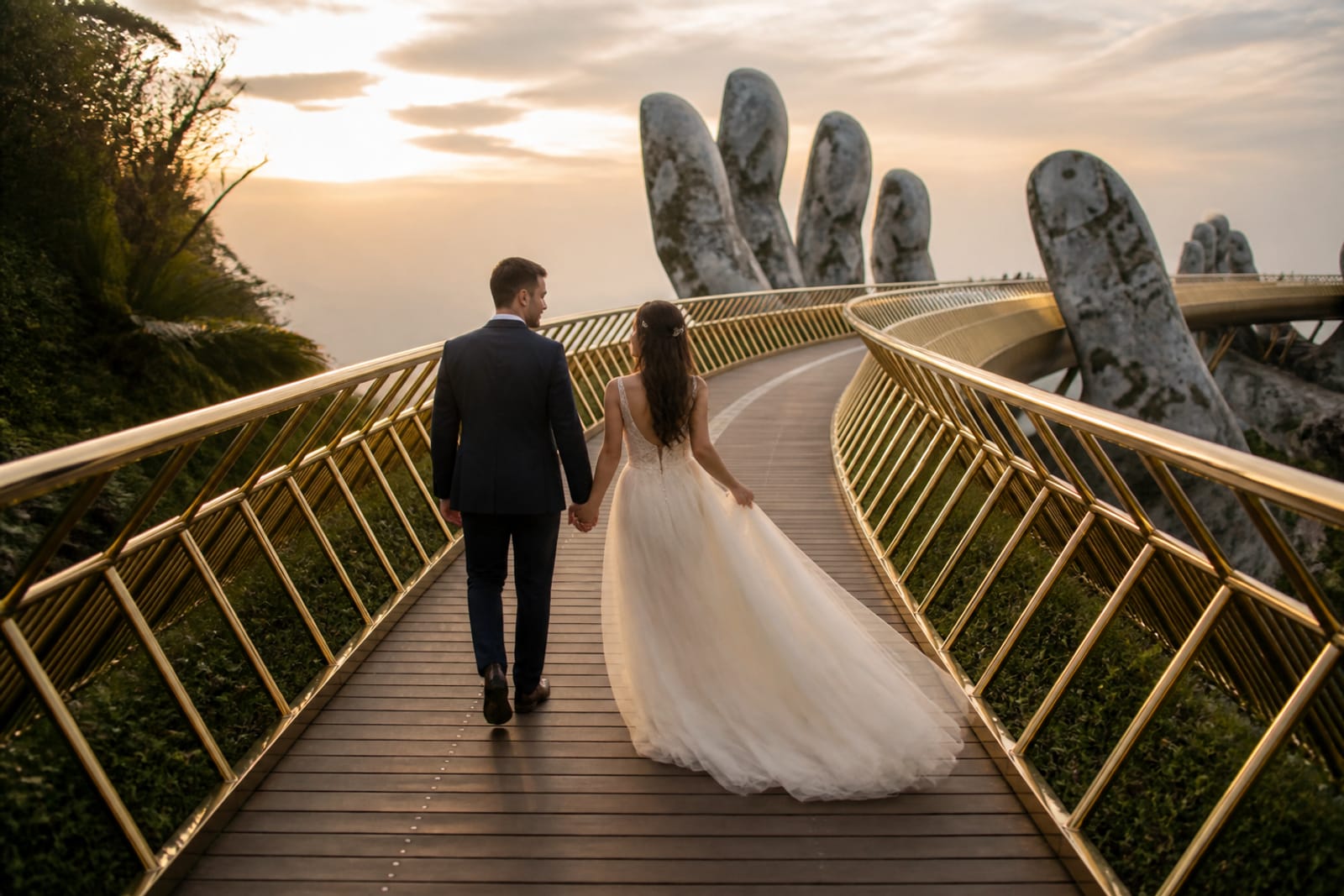
A reliable photographer for a beach ao dai session has a portfolio showing at least three ao dai shoots at My Khe or similar beaches (not studio work—the light and texture must be visible). They shoot in RAW format, deliver edited files in a defined timeframe (ask on WhatsApp to confirm typical turnaround), and offer a written agreement specifying the number of final edited images, delivery date, and what happens if weather forces a reschedule. Ask to see their sunrise-light work; if their portfolio is all midday or harsh sunlight, they are not experienced with dawn beach shoots. Risky photographers promise "unlimited" images, quote extremely low rates (often a sign of inexperience or fast, low-quality editing), work without contracts, and cannot show weather-day reschedule policies. Request references from other couples; speak to them directly. A Da Nang photographer you find through a wedding planner is safer than a stranger on a marketplace site.
Should you bring backup outfits, and what goes underneath an ao dai?
A single ao dai for a full beach session is risky—salt water, sand, humidity and movement can stain silk or shift embroidery. Bring two ao dais if possible: a primary silk or silk-cotton blend in a bold or jewel tone (deeper colors photograph better in soft dawn light), and a backup in a neutral or contrasting shade for variety. Undergarments matter: wear a long silk or cotton slip (áo dài slip) that reaches your ankles—it prevents the outer ao dai from clinging and shows the dress's intended silhouette in photos. Many Western brides forget this and look uncomfortable or reveal undergarments; a proper slip costs little and solves it. Bring nude undergarments, not black or white (they show through in photos). Wear comfortable, flat sandals or thin-soled shoes that you can remove for barefoot shots; beach sand is hot at mid-morning, so schedule those walks for early or late in your session window. Pack a lightweight cotton robe or cardigan to wear between outfit changes and keep warm before sunrise.
| Option | Best For | Light/Season | Why It Works |
|---|---|---|---|
| Sunrise (5:30–6:30 a.m.) | Wedding ao dai, first-look feel | Soft, warm, diffused—all seasons | Empty beach, no harsh shadows, silk glows |
| Late afternoon (4–5 p.m.) | Casual ao dai, romantic tone | Golden but lower, shorter window | Crowded beach, tighter framing, less flexibility |
| Cloudy morning (7–9 a.m., rainy season) | Backup plan, softer tones | Even, grey, no texture | Season-dependent, beach busy, low ambient light |
| Indoor studio/hotel | Bridal portraits, detail shots | Controlled, no wind/sand risk | No natural backdrop, requires rental lighting |
What should you check before booking your shoot?
Write down these questions and ask a prospective photographer or local coordinator in writing (WhatsApp is fine): (1) Do you have a signed contract that covers the date, time, number of final images, file format and delivery date? (2) What happens if it rains or there's a typhoon warning—do we reschedule free, or do I lose my deposit? (3) Will you shoot in RAW and deliver all edited files, or only a selected gallery? (4) How many hours does the session cover and what do outfit changes cost? (5) Do you recommend a makeup artist and can you coordinate arrival time with them? (6) What time is "first-light" at My Khe on my chosen date, and will you be there 15 minutes before? (7) Do you have liability insurance in case of injury or equipment damage? (8) Do you give me usage rights for personal social media and printing, or do I need a separate license? A vague or evasive answer to any of these is a red flag—move on. If you're based in Hanoi or Ho Chi Minh City and want a pre-wedding ao dai session closer to home, Cáo Studio – Makeup & Photoshoot operates in both cities and can coordinate makeup, hair and outfits as part of a unified package.
🌸 See the lookbook | 📸 Book on WhatsApp — ao dai photoshoot
FAQ
Can I get a professional makeup and hair artist to meet me at My Khe Beach at 5 a.m.?
Most are reluctant to work that early without a hotel base. Book via your hotel's concierge—they have on-call artists used to early calls. Otherwise, do full makeup and hair in your room and bring a small repair kit (powder, pins, bobby pins) for touchups.
What if it rains on my chosen date?
Da Nang's dry season (Feb–Aug) is mostly clear, but rain can happen. Always secure a written reschedule clause with your photographer before paying. Rainy-season bookings (Sep–Dec) carry higher weather risk—expect 50% chance of postponement in Oct–Nov.
Should I wear an ao dai I already own or rent one?
Owned ao dais often fit better and feel more personal, but you risk sand and salt damage. Rentals are stress-free but may require alterations for your frame. Check ao dai rental options in Da Nang—most hotels recommend local rental shops.
How much time should I allow for a full ao dai session with multiple outfits?
Plan 2.5–3 hours from first light to finish. This covers two outfit changes, walking shots, detail frames and breaks. Tight schedules (under 2 hours) mean fewer options and rushed edits.
Do I need to book accommodation near My Khe Beach?
Yes. Early sunrise means you need a hotel within 5–10 minutes of the beach. Staying elsewhere in Da Nang forces a stressful predawn drive when traffic is light but your hair and makeup are fragile. Book a central beach location.
FAQ
Can I get a professional makeup and hair artist to meet me at My Khe Beach at 5 a.m.?
Most are reluctant to work that early without a hotel base. Book via your hotel's concierge—they have on-call artists used to early calls. Otherwise, do full makeup and hair in your room and bring a small repair kit (powder, pins, bobby pins) for touchups.
What if it rains on my chosen date?
Da Nang's dry season (Feb–Aug) is mostly clear, but rain can happen. Always secure a written reschedule clause with your photographer before paying. Rainy-season bookings (Sep–Dec) carry higher weather risk—expect 50% chance of postponement in Oct–Nov.
Should I wear an ao dai I already own or rent one?
Owned ao dais often fit better and feel more personal, but you risk sand and salt damage. Rentals are stress-free but may require alterations for your frame. Check [ao dai rental](/ao-dai-rental) options in Da Nang—most hotels recommend local rental shops.
How much time should I allow for a full ao dai session with multiple outfits?
Plan 2.5–3 hours from first light to finish. This covers two outfit changes, walking shots, detail frames and breaks. Tight schedules (under 2 hours) mean fewer options and rushed edits.
Do I need to book accommodation near My Khe Beach?
Yes. Early sunrise means you need a hotel within 5–10 minutes of the beach. Staying elsewhere in Da Nang forces a stressful predawn drive when traffic is light but your hair and makeup are fragile. Book a central beach location.
Ao dai, makeup, hair and a local photographer in Hanoi or Saigon — one WhatsApp message.