/pre-wedding-photoshoot
Best time of year for a pre-wedding photoshoot in Da Lat
Da Lat's pre-wedding shoots work best December through April, when mornings are cool (15–20°C), skies clear, and mist clings to pine hills at sunrise. Rainy season May–November brings afternoon showers and soft, grey light—workable for moody portraits but unpredictable. Cherry blossoms peak January–February; wild sunflowers (da quy) bloom around November. Since Cáo Studio – Makeup & Photoshoot operates in Hanoi, Ho Chi Minh City, and Hoi An, not Da Lat, book a local Da Lat photographer via referral networks or portfolio reviews, confirm their ao dai experience and editing style, and plan shoots for early morning (6–8am) when mist and cool light flatter skin and landscape. Avoid Tet (late January–mid February) if crowds bother you; the holiday closes some cafés and temples for several days. ---
When is the light best for pre-wedding photos in Da Lat?
Golden hour in Da Lat's highlands lasts longer than in lowland cities because of elevation and terrain. Early mornings (6–8am) deliver soft, diffused light through pine mist—ideal for intimate couple portraits and ao dai detail shots. Midday (11am–1pm) is harsh and unflattering; avoid it. Late afternoon (4–5pm) works if you start a session at 3pm and finish before dark (around 6pm in winter). Overcast days in the dry season (Dec–Apr) are a gift: even light, no shadows, natural skin tones. The rainy season (May–Nov) brings grey skies most mornings, lifting by 9–10am on good days, but afternoon downpours and muddy terrain make logistics harder.
📸 Book on WhatsApp — ao dai photoshoot
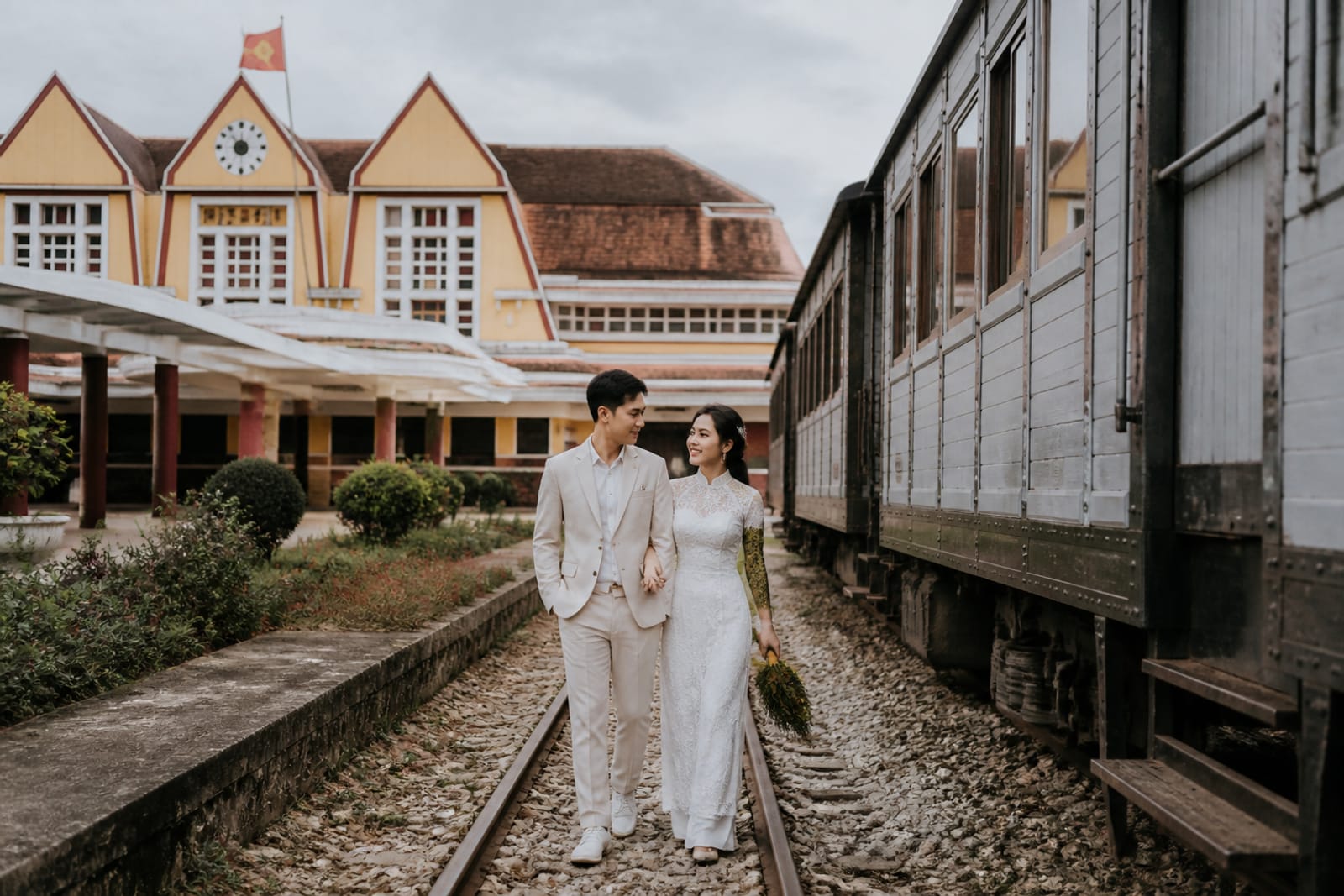
What should you wear under an ao dai for Da Lat's cool weather?
Da Lat averages 15–25°C year-round—significantly cooler than Hanoi or Ho Chi Minh City. Wear a fitted, moisture-wicking undershirt or bodysuit to prevent the ao dai from bunching and to stay warm during long outdoor sessions. Avoid loose cotton; it creates bumps under the fabric and makes you cold in morning mist. Bring a shawl or lightweight cardigan to layer between outfit changes—you'll wait outside while the photographer adjusts settings, and shivering shows in photos. Choose ao dai in rich jewel tones (emerald, sapphire, burgundy) or pastels (blush, cream); they photograph beautifully in Da Lat's cool, even light. White and pale yellow can look washed out on overcast mornings unless you have professional makeup and reflectors.
How does Da Lat's season shape your session timeline and outfit count?
| Season | Best for | Light & weather | Why it works |
|---|---|---|---|
| Dec–Feb | Classic romance, cherry blossoms (Jan–Feb) | Clear mornings, cool mist, soft shadows | Long golden light, stable weather, small crowds |
| Mar–Apr | Lush green backdrops, fewer tourists | Clear skies, warming afternoons, minimal rain | Green foliage peaks, predictable schedule, pleasant walking |
| Nov | Wildflower accents, moody portraits | Afternoon rain risk, morning grey light | Wild sunflowers (da quy) frame shots; soft tones suit intimate albums |
| May–Oct | Budget-conscious, minimal crowds | Rainy, humid, afternoon downpours common | Fewer tourists, lower local rates; outdoor logistics risky |
Pre-wedding shoots in Da Lat typically span 4–6 hours to cover multiple locations (pine hill viewpoint, flower garden, old villa garden, lake reflections). In the dry season (Dec–Apr), you can chase light from 6am to 3pm with outfit changes at cafés or hotel. In rainy season, shorten to 3–4 hours and plan indoor backup (old architecture, flower market, indigo dyeing workshop) if clouds break. One outfit per season averages 1–2 hours on location; Da Lat's small, walkable venues let you shoot 2–3 looks before needing transport.
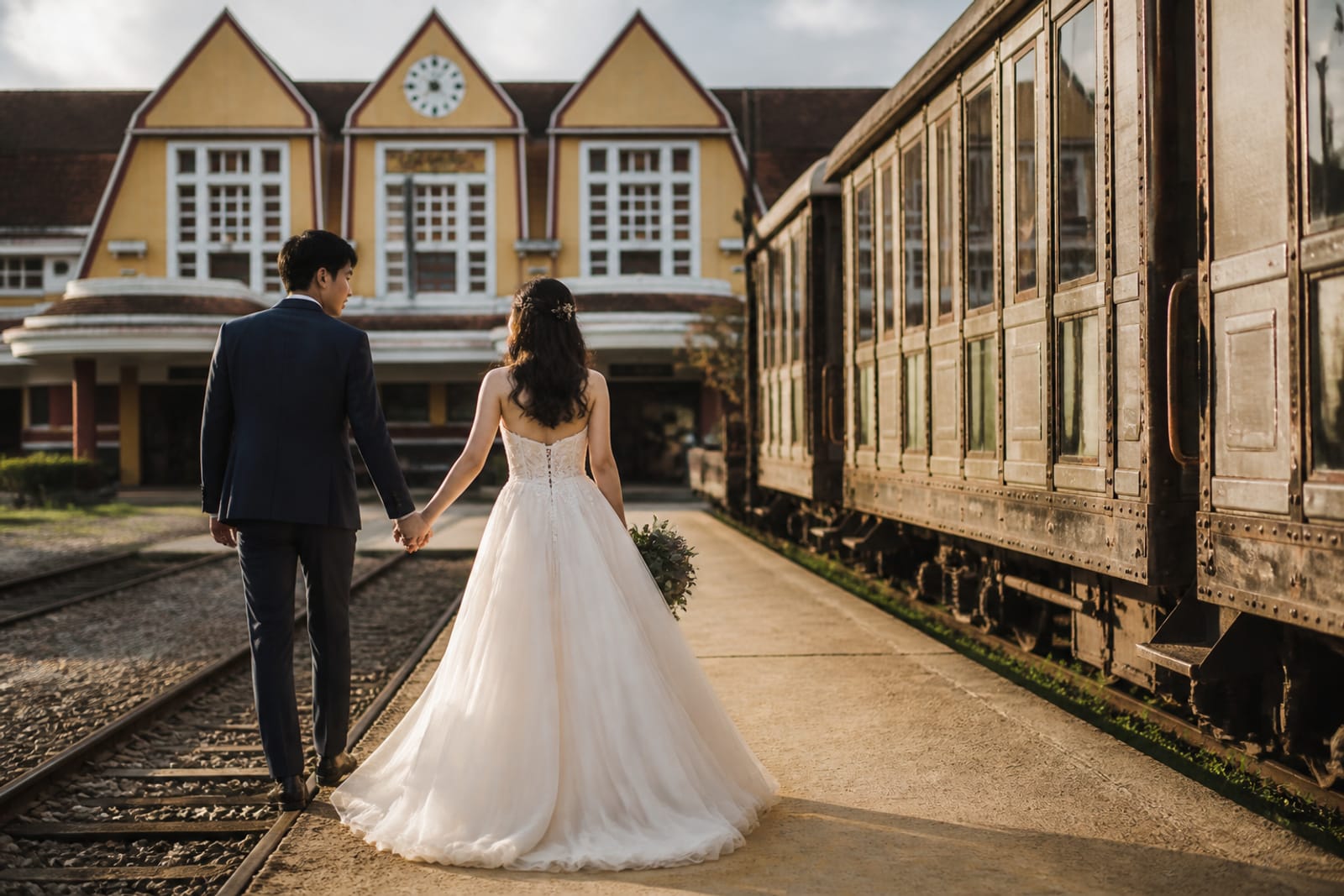
How do you find and vet a Da Lat pre-wedding photographer?
Start with referral networks: ask your hotel or venue coordinator, check Instagram hashtags (#dalatphotographer, #dalatprewedding), and review portfolio websites for 3–5 recent shoots. Vet by ao dai experience—not all local photographers have worked with traditional Vietnamese bridal wear; ask for specific ao dai samples in their portfolio. Confirm their editing style (vibrant or muted, warm or cool tones) matches your wedding album vision. Discuss weather backup plans: if rain hits, does the photographer have indoor locations pre-scouted? Do they charge extra for extended sessions if light is poor? Confirm included deliverables—number of edited images, album formats, digital files, delivery timeline—in writing (via WhatsApp or email in Vietnamese if possible). Meet in person or via video call to discuss shot lists, outfit changes, and any cultural or religious site etiquette they know.
For pre-wedding shoots at Cáo Studio branches in Hanoi, Ho Chi Minh City, or Hoi An, we handle styling, makeup, and ao dai guidance; ask us on WhatsApp about coordinating a Da Lat elopement package and local photographer recommendations.
What clothing, venue, and weather factors should you plan for?
Outfit strategy: Bring 2–3 ao dai in complementary colors (one jewel tone, one pastel, one neutral) and a Western wedding dress or suit if you want variety. Pack a thin cardigan, shawl, and closed-toe shoes (Da Lat's pine needles and misty pathways are slippery). Avoid elaborate jewelry that catches light unpredictably in highland mist. Consider a hair accessory that stays secure in cool breeze—loose waves photograph beautifully but need pinning.
Venue logistics: Book photo locations in advance; popular spots like Tuyen Lam Lake, Datanla Waterfall, and Flower Gardens have peak hours (8–10am, 4–6pm). Morning mist clears by 9am, so start early if you want atmospheric fog. Bring a small towel and hand sanitizer for muddy paths after rain. Confirm parking and access with the venue—some gardens have restricted photography hours or require permits.
Weather contingency: Check a 10-day forecast before your shoot date; if rain is likely (May–Nov), plan indoor backups: the old French villas in Da Lat's town center, flower markets, or local cafés with vintage architecture. Reschedule rather than shoot in heavy afternoon downpours—poor light and wet gear damage images and morale.
What should you check before booking a Da Lat pre-wedding session?
- Photographer's ao dai portfolio: Ask for 3+ recent shoots featuring traditional ao dai in outdoor light. Does their editing suit your style?
- Session length & outfit count: Confirm how many hours you get and how many location changes are realistic. Da Lat requires 4–6 hours minimum for quality coverage.
- Backup & reschedule policy: If weather cancels the shoot, can you reschedule? Is there a rain date fee?
- Deliverables in writing: Request exact number of edited images, file formats (RAW, JPEG, digital album), and delivery timeline. No verbal promises.
- Local knowledge: Ask whether the photographer knows Tet closures, temple etiquette, and seasonal light patterns. First-hand experience matters.
- Travel & logistics: Who arranges transport between venues? Is there a surcharge for early morning (5–6am) starts for mist shots?
- Makeup & styling: Does the photographer work with a makeup artist, or do you hire separately? If separate, confirm they understand ao dai makeup (longevity in cool, humid conditions).
- Album & print options: Ask about wedding photo album, prints, and frame packages after the shoot. Delivery timelines vary by vendor.
For pre-wedding shoots in Hanoi or Ho Chi Minh City, Cáo Studio's pre-wedding & elopement packages include styling, makeup, and ao dai guidance—ask on WhatsApp for rates and Hoi An dates.
---
FAQ
What is the absolute best month for a Da Lat pre-wedding photoshoot?
December–January combines cool, clear skies, minimal rain, soft morning mist, and cherry blossoms. January is prime but avoid late January during Tet (late January–mid February) if you prefer fewer crowds and open landmarks.
Can you do a pre-wedding shoot in Da Lat during rainy season (May–October)?
Yes, if you're flexible. Mornings are usually dry; expect afternoon downpours. Light is soft and grey, suiting moody ao dai portraits. Bring waterproof gear and book a photographer who scouts indoor backups. Sessions cost less; fewer tourists mean easier logistics.
Do I need a permit to photograph in Da Lat's public gardens and villas?
Popular spots like Tuyen Lam Lake, Datanla Waterfall, and private flower gardens often require entry tickets. Some gardens restrict professional photography without prior notice; your photographer should confirm access and any fees with venue management.
Should I rent an ao dai in Da Lat or bring my own?
Bring your own if it fits well and you trust the fabric. Da Lat's cool weather and misty conditions risk wrinkles and moisture damage to delicate silk. Rent locally only if your photographer or hotel can recommend a trusted tailor; rental quality varies widely.
How far in advance should I book a Da Lat pre-wedding photographer?
Book 2–3 months ahead for dry season (Dec–Apr); 4–6 weeks for rainy season. Popular photographers fill quickly around Tet, year-end holidays, and January (cherry blossom season). Confirm deposit terms, cancellation policy, and final delivery date in writing.
Does Cáo Studio – Makeup & Photoshoot shoot in Da Lat?
No. We operate in Hanoi, Ho Chi Minh City, and Hoi An. For Da Lat, we recommend booking a local photographer and can advise on styling and ao dai etiquette. Ask us on WhatsApp for referrals and co-planning options for your full wedding photography timeline.
FAQ
What is the absolute best month for a Da Lat pre-wedding photoshoot?
December–January combines cool, clear skies, minimal rain, soft morning mist, and cherry blossoms. January is prime but avoid late January during Tet (late January–mid February) if you prefer fewer crowds and open landmarks.
Can you do a pre-wedding shoot in Da Lat during rainy season (May–October)?
Yes, if you're flexible. Mornings are usually dry; expect afternoon downpours. Light is soft and grey, suiting moody ao dai portraits. Bring waterproof gear and book a photographer who scouts indoor backups. Sessions cost less; fewer tourists mean easier logistics.
Do I need a permit to photograph in Da Lat's public gardens and villas?
Popular spots like Tuyen Lam Lake, Datanla Waterfall, and private flower gardens often require entry tickets. Some gardens restrict professional photography without prior notice; your photographer should confirm access and any fees with venue management.
Should I rent an ao dai in Da Lat or bring my own?
Bring your own if it fits well and you trust the fabric. Da Lat's cool weather and misty conditions risk wrinkles and moisture damage to delicate silk. Rent locally only if your photographer or hotel can recommend a trusted tailor; rental quality varies widely.
How far in advance should I book a Da Lat pre-wedding photographer?
Book 2–3 months ahead for dry season (Dec–Apr); 4–6 weeks for rainy season. Popular photographers fill quickly around Tet, year-end holidays, and January (cherry blossom season). Confirm deposit terms, cancellation policy, and final delivery date in writing.
Does Cáo Studio – Makeup & Photoshoot shoot in Da Lat?
No. We operate in Hanoi, Ho Chi Minh City, and Hoi An. For Da Lat, we recommend booking a local photographer and can advise on styling and ao dai etiquette. Ask us on WhatsApp for referrals and co-planning options for your full wedding photography timeline.
Ao dai, makeup, hair and a local photographer in Hanoi or Saigon — one WhatsApp message.