/pre-wedding-photoshoot
Da Lat flower gardens wedding photos: best time of day and light
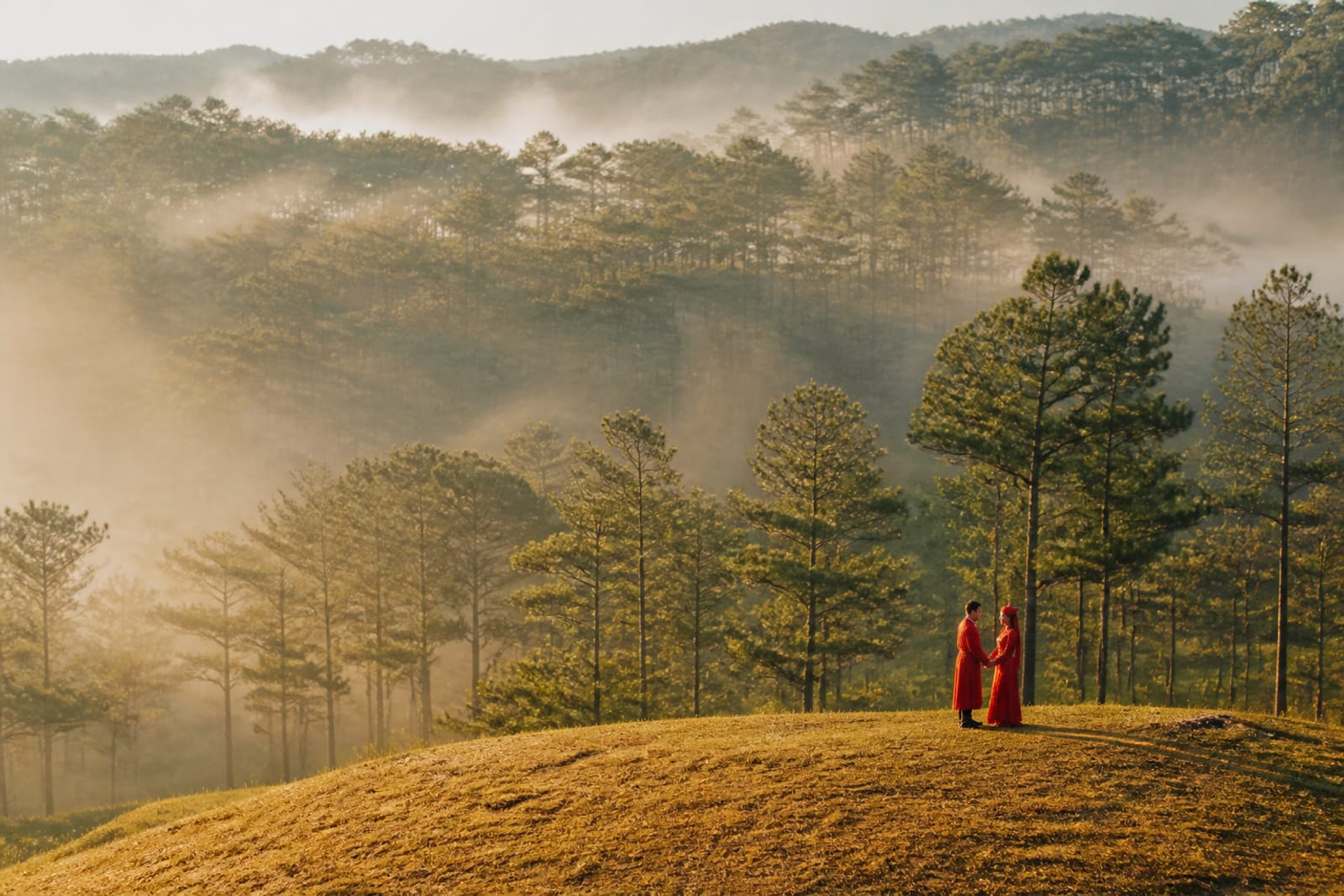
Da Lat wedding photos in flower gardens work best during sunrise (6–7 a.m.) or late afternoon (4–5 p.m.) when diffuse golden light softens shadows on petals and skin. The driest season for blooms and clear skies runs December through April; wild sunflowers peak around November, while cherry blossoms appear January–February. Mist rises over lakes at dawn year-round, adding atmosphere. Rainy season (May–November) brings afternoon downpours but also lush greenery and moody light if you time the shoot for morning. Cáo Studio – Makeup & Photoshoot operates in Hanoi, Ho Chi Minh City, and Hoi An; for Da Lat (a three-hour drive from Hanoi), you'll book a local photographer who knows the gardens' microclimates, permits, and seasonal access. Confirm flower bloom status, gate opening hours, and weather windows with your chosen photographer before booking. ---
Where do Da Lat flower gardens sit, and why does location matter for light?
Da Lat sits 1,500 meters above sea level in the central highlands, creating a cool-season microclimate where mist lingers longer and light angles change faster than in lowland Vietnam. Gardens cluster around the city center (Hang Nga Guesthouse area, Xuan Huong Lake, and outlying valley farms). Morning mist rolls off lakes until 8–9 a.m., meaning east-facing garden paths catch warm, hazy first light; west-facing slopes glow during late afternoon. Elevation means direct sun feels less harsh, so midday isn't entirely off-limits, but sunrise and golden hour remain superior for romance and skin tone. Position matters: a north-facing flower bed in shadow at 9 a.m. might sit in full sun by 4 p.m., so a local guide or photographer who has scouted the gardens is essential.
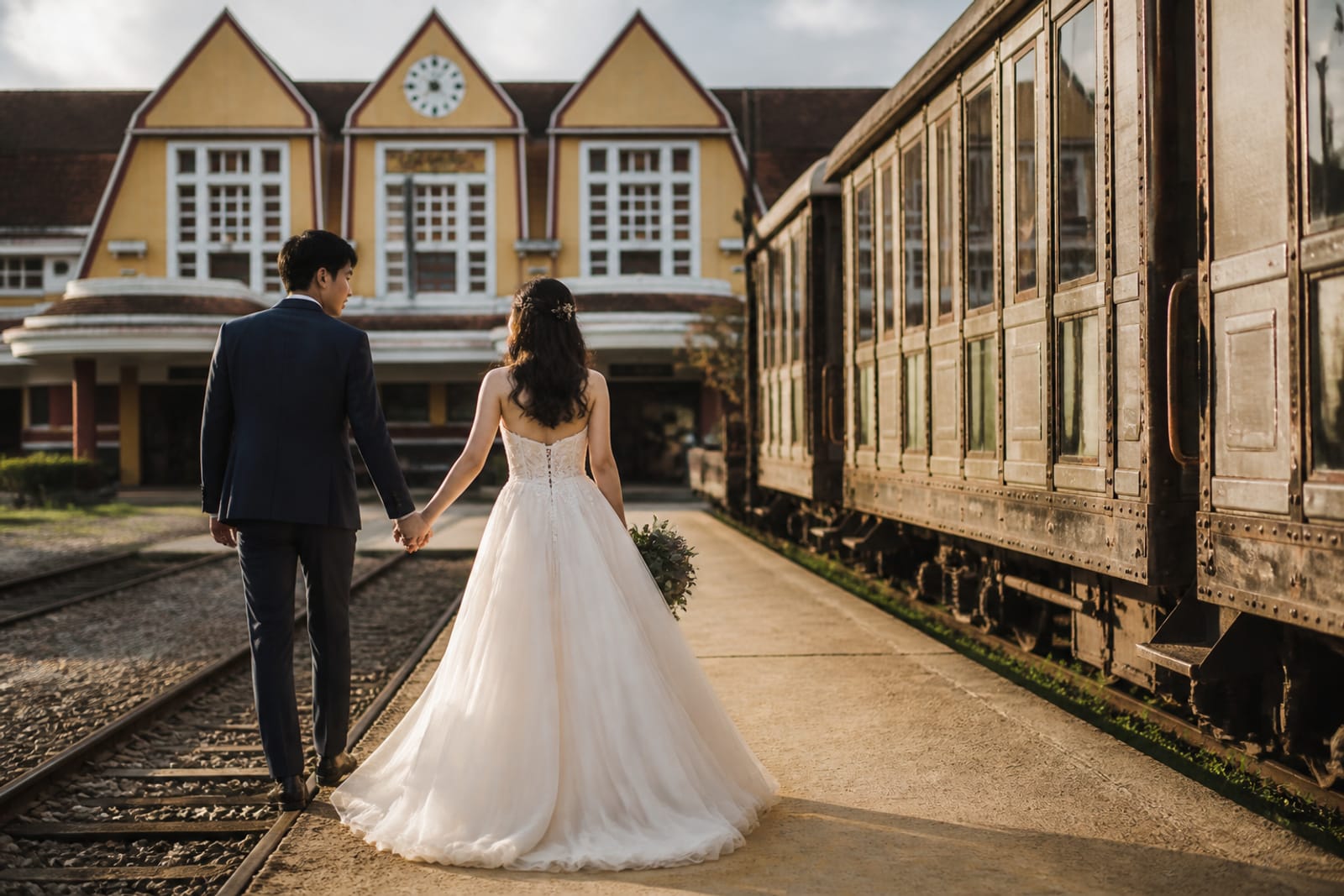
What's the difference between dry-season light and rainy-season light for flower shoots?
Comparison: Da Lat Flower Photography by Season
| Season | Bloom type | Light quality | Sky & mist | Best shoot time | Outfit fit | Risk |
|---|---|---|---|---|---|---|
| Dec–Feb | Cherry blossom, some wildflower | Clear, sharp gold at dawn; strong midday shadows | Often cloudless morning, mist burns by 9 a.m. | 6–7:30 a.m., 4–5:30 p.m. | Layers (cool mornings, mild afternoons) | Low (dry, stable) |
| Mar–Apr | Late wildflower, general greenery | Bright but softer; haze builds | Mist lighter, burns earlier; occasional afternoon haze | 6–8 a.m., 3:30–5 p.m. | Light layers, short sleeves ready | Low to medium (heat rises) |
| Nov | Wild sunflowers (da quy) peak | Golden, diffuse; less harsh than summer | Morning mist, clear afternoons | 6–7:30 a.m., 4–5:30 p.m. | Light to medium layers | Very low (ideal) |
| May–Sep | Lush foliage, fewer blooms | Dull morning; afternoon downpour risk; post-rain drama possible | Heavy cloud cover, mist all day | 6–7 a.m. only (move indoors by 10 a.m.) | Waterproof layers, quick-dry fabrics | High (floods, permits may close gardens) |
| Oct | Transitional, some flowers | Variable; can be moody or crisp | Unpredictable; mist, rain, clearing sky | Dawn only; scout day-of conditions | Layers, waterproof backup | Medium–high (typhoon season tail) |
Dry season (December–April and November) guarantees clear dawn light and flower access. Rainy season morning shoots work if you start at sunrise and finish by 10 a.m.; afternoon reschedules are common. Many couples choose dry-season dates for predictability; budget 3–6 months advance notice, especially around Tet (late January–mid February), when travel is heavy and venues are booked.
📸 Book on WhatsApp — ao dai photoshoot
What do you wear under an áo dài in cool Da Lat mornings, and does it affect light angles?
Da Lat mornings hover around 12–15°C in winter, so layering matters. Under an áo dài, wear a fitted long-sleeve or half-sleeve undergarment (cotton or stretchy fabric) to stay warm without bulk; bulky layers show under the silk and ruin the drape. If shooting in traditional dress, the áo dài itself provides warmth; if in Western wedding wear, bring a shawl or leather jacket for pre-shoot comfort, then remove for the golden-hour images. Light fabric and neutral undertones (cream, pale grey) photograph better in soft dawn light than white, which can blow out and lose detail. Matte finishes work better than shiny synthetics in harsh midday light—not an issue at sunrise, but relevant if your photographer suggests moving to a shaded garden spot at 10 a.m. Choose outfits with the final shoot time in mind: cool, misty dawn favors layered, delicate looks; late afternoon golden light flatters warm tones and flowing fabric.
How do you find and vet a local Da Lat photographer, and what should you ask before booking?
Da Lat lacks a single central studio network, so sourcing a photographer requires direct research. Check Instagram hashtags (#dalatphotographer, #dalatphotoshoot) for portfolios; ask your hotel concierge for referrals; message local makeup artists or florists for trusted names. Before booking, ask:
- Garden access: Which gardens do they have permits or relationships with? Can they reserve early morning access (some gates open at 6 a.m., others 7 a.m.)?
- Flower season: What's blooming right now, and when will your target flower peak?
- Light scouting: Have they shot that location in the exact month and time you're planning?
- Weather backup: If mist lingers past 9 a.m. or rain hits, what's the reschedule or backup plan?
- Delivery timeline: When will edited photos arrive? (Typical is 2–4 weeks for a local artist; confirm in writing.)
- Outfit changes: How many outfits can they accommodate in a 2–3 hour session, and do they have a car for garden-hopping?
Request a portfolio of flowers in that season, not just one or two showreel images. A photographer who shows you 10+ Da Lat sunrise shots in November, for example, has tested the location and knows its quirks.
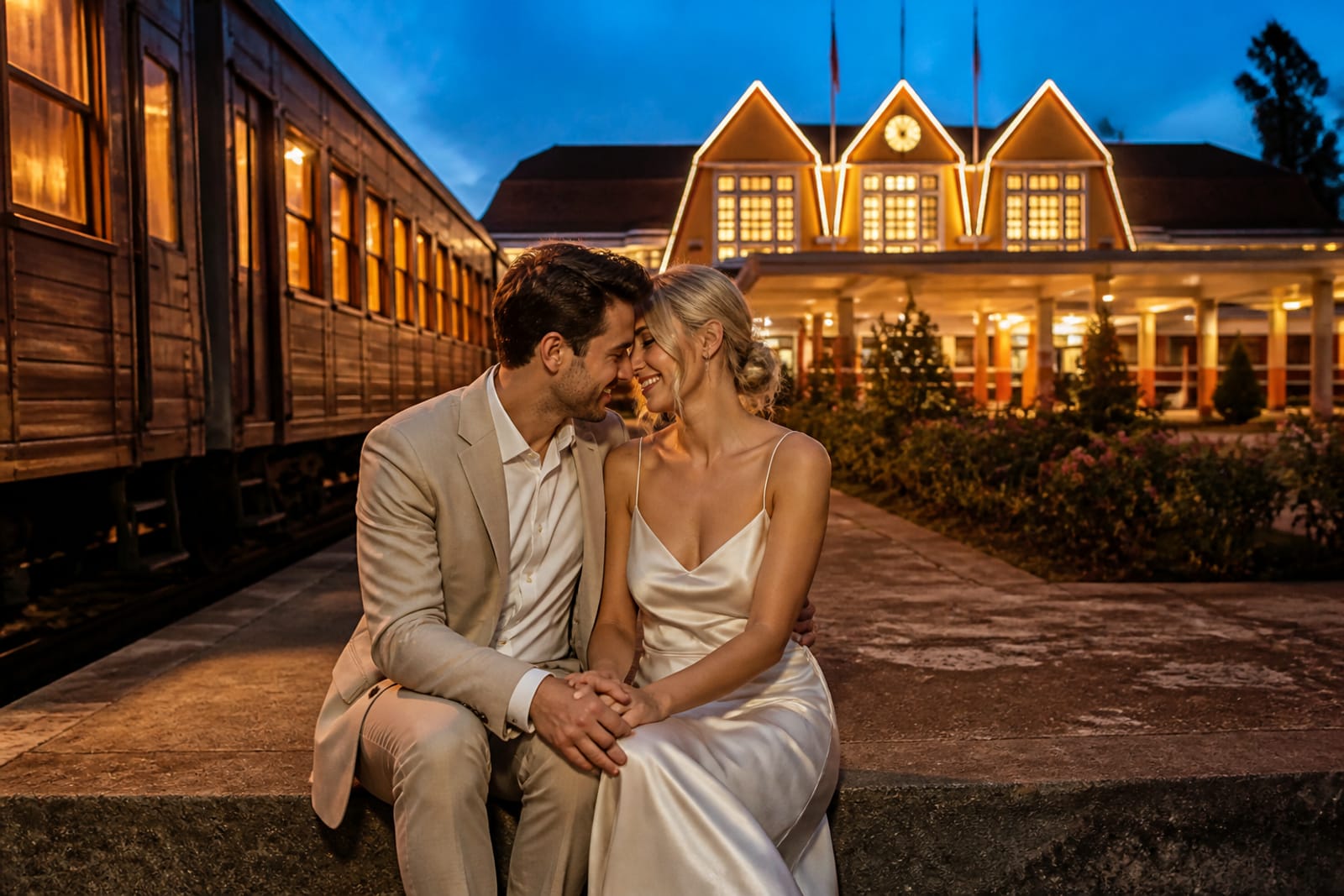
What's the real cost factor for a Da Lat flower photoshoot, and when should you budget extra?
Don't ask a photographer for an upfront price until you've confirmed the date, number of outfits, and travel distance. Cost factors include:
- Season: Dry season (November, December, March, April) commands standard rates; peak Tet (late January–mid February) may cost more due to high demand and travel restrictions.
- Flower availability: If a rare bloom is in peak season, photographers may charge for "special location access" or spend extra time scouting; budget accordingly.
- Outfit changes: Each additional outfit (bride alone, couple, family members) adds setup time; clarify how many are included.
- Travel time: Da Lat is 3+ hours from Hanoi or Ho Chi Minh City, so a visiting photographer (vs. local) incurs travel costs; ask if this is built in or separate.
- Pre-shoot prep: Professional hair and makeup at your hotel (before the garden shoot) is a separate service; inquire about local makeup artists or arrange it through Cáo Studio's makeup & hair at your hotel service.
- Contingency: If you book a long session (4+ hours), expect a higher day rate; shorter 2-hour golden-hour shoots cost less.
For comparison, some couples hire a local Da Lat photographer for the garden session and arrange a Hanoi or Saigon studio pre-wedding shoot separately (for ao dai, indoor backdrops, or couple portraits). Ask your photographer whether a combined package (Da Lat + another location) is cheaper than booking separately.
What gear and props enhance Da Lat flower photos in cool, misty light?
Mist and cool light are both flattering and limiting. Bright-colored props (umbrellas, lanterns, ribbons) pop against grey mist; dark props vanish. A white or cream parasol (traditional, not modern) reads beautifully in soft golden light and doesn't blow out like a reflector might in harsh sun. Flower bouquets in jewel tones (deep red, burgundy, blush) stand out in muted morning tones; pale pink bouquets blend into misty backgrounds unless backlit. Bring a thin blanket or throw (cream, grey, or textured) for sitting shots on damp ground—gardens are wet in the early morning, and a fabric layer protects both clothing and the photographer's knees.
Ask your photographer to test a few frames with and without props at your chosen time of day; mist photographs differently than clear sky, so what looks good in a daytime Pinterest image might not suit dawn conditions. Avoid overly reflective jewelry or metallic accents unless the light is golden-hour strong; in soft mist, matte and natural textures photograph better.
---
What to check before you book
- Flower bloom status: Message the photographer 2–4 weeks before your shoot to confirm which flowers are in peak bloom right now.
- Garden gates and permits: Ask whether access is guaranteed at your chosen time, or if special permission is needed.
- Weather forecast and reschedule policy: Confirm that a rain delay doesn't cost extra and that the photographer is flexible on dates.
- Delivery expectations: Get a written timeline for when edited photos will be sent (and in what format—digital files, prints, album).
- Local makeup: If your own makeup artist isn't traveling, ask the photographer for recommendations or check Cáo Studio's makeup & hair service for Hanoi or Ho Chi Minh City pre-trip prep.
For brides planning a multi-location shoot, consider adding a pre-wedding session in Hanoi or Hoi An alongside your Da Lat garden shoot. A professional ao dai photoshoot in a controlled studio setting pairs well with the natural, organic feel of a flower garden—and gives you variety for your album and invitations.
---
FAQ
When do wild sunflowers bloom in Da Lat, and what time of day do they photograph best?
Wild sunflowers (da quy) peak around November. They face east, so shoot them at sunrise (6–7 a.m.) when backlit or side-lit; by afternoon, they've turned away from the camera. Golden hour (4–5 p.m.) works for foreground flowers if you position subjects between you and the sun.
Can you take wedding photos in Da Lat during the rainy season (May–September), or should I reschedule?
You can shoot May–September if you start at sunrise and finish by 10 a.m., before afternoon downpours. Permit and garden-access restrictions may apply during the heaviest months (October–November typhoon tail). Check with your photographer one week ahead for current conditions.
Do I need to hire a photographer who lives in Da Lat, or can my Hanoi or Ho Chi Minh City photographer travel?
Both work. A local photographer knows garden microclimates and opening hours; a traveling photographer costs more (transport, accommodation) but may offer consistent style if you're booking Hanoi and Da Lat shoots together. Clarify travel costs upfront.
What outfit works best for Da Lat morning light in a flower garden?
Matte fabrics (silk, cotton), jewel tones, or cream read better in soft mist than white or shiny synthetics. Layers (a delicate shawl, half-sleeve undergarment) handle cool mornings (12–15°C); remove them by golden hour if it warms up. Avoid bulky fabrics under an áo dài.
How long should a Da Lat flower photoshoot session be, and can I change outfits mid-session?
2–3 hours (sunrise or golden hour) is standard. One outfit change is typical; more means later departure and potentially missing peak light. Confirm the number of outfits and outfit-change time with your photographer before booking.
Should I hire professional hair and makeup for a Da Lat garden shoot?
Yes, if you're traveling from another city. Book makeup at your hotel the morning of the shoot, or ask your photographer for a local makeup artist recommendation. Cáo Studio offers hotel makeup & hair in Hanoi and Ho Chi Minh City if you're combining a city shoot with Da Lat.
FAQ
When do wild sunflowers bloom in Da Lat, and what time of day do they photograph best?
Wild sunflowers (da quy) peak around November. They face east, so shoot them at sunrise (6–7 a.m.) when backlit or side-lit; by afternoon, they've turned away from the camera. Golden hour (4–5 p.m.) works for foreground flowers if you position subjects between you and the sun.
Can you take wedding photos in Da Lat during the rainy season (May–September), or should I reschedule?
You can shoot May–September if you start at sunrise and finish by 10 a.m., before afternoon downpours. Permit and garden-access restrictions may apply during the heaviest months (October–November typhoon tail). Check with your photographer one week ahead for current conditions.
Do I need to hire a photographer who lives in Da Lat, or can my Hanoi or Ho Chi Minh City photographer travel?
Both work. A local photographer knows garden microclimates and opening hours; a traveling photographer costs more (transport, accommodation) but may offer consistent style if you're booking Hanoi and Da Lat shoots together. Clarify travel costs upfront.
What outfit works best for Da Lat morning light in a flower garden?
Matte fabrics (silk, cotton), jewel tones, or cream read better in soft mist than white or shiny synthetics. Layers (a delicate shawl, half-sleeve undergarment) handle cool mornings (12–15°C); remove them by golden hour if it warms up. Avoid bulky fabrics under an áo dài.
How long should a Da Lat flower photoshoot session be, and can I change outfits mid-session?
2–3 hours (sunrise or golden hour) is standard. One outfit change is typical; more means later departure and potentially missing peak light. Confirm the number of outfits and outfit-change time with your photographer before booking.
Should I hire professional hair and makeup for a Da Lat garden shoot?
Yes, if you're traveling from another city. Book makeup at your hotel the morning of the shoot, or ask your photographer for a local makeup artist recommendation. Cáo Studio offers [hotel makeup & hair](/makeup-and-hair) in Hanoi and Ho Chi Minh City if you're combining a city shoot with Da Lat.
Ao dai, makeup, hair and a local photographer in Hanoi or Saigon — one WhatsApp message.