/pre-wedding-photoshoot
Datanla waterfall wedding photos: best time of day and light
Datanla waterfall (near Da Lat, central highlands) shoots best in early morning (6–7:30 a.m.) when mist clings to the cascade and golden light rakes the rock face—ideal for soft, romantic frames. Late afternoon (4–5 p.m.) works if you accept harder shadows and fewer mist layers. Da Lat's highland climate keeps the waterfall year-round; dry season (December–April) offers clearer skies and less rain; rainy season (May–November) brings thicker mist but afternoon showers. A professional photoshoot runs 2–4 hours depending on outfit changes and travel from town. Entry tickets are required—check the current price on the official Da Lat tourism site. Cáo Studio – Makeup & Photoshoot coordinates shoots in Hanoi, Ho Chi Minh City and Hoi An; for Datanla, ask on WhatsApp about working with trusted local photographers and how to plan light, season and logistics. ---
What makes Datanla different from other Da Lat waterfall spots?
Datanla (also Thác Datanla) is the only major cascade within walking distance of central Da Lat, requiring no cable car or long trek. The site features a compact amphitheater of rock and overhanging jungle, which traps mist longer than exposed falls. Unlike Cam Ly or Voi waterfalls, Datanla's narrow canyon holds soft, diffused light even at midday. The downside: it's the busiest waterfall, with tour groups arriving mid-morning. If you want isolation and romance, go early or in shoulder seasons (late Nov, early Apr) when tourist traffic dips.
📸 Book on WhatsApp — pre-wedding & elopement
Should you shoot at sunrise or golden hour?
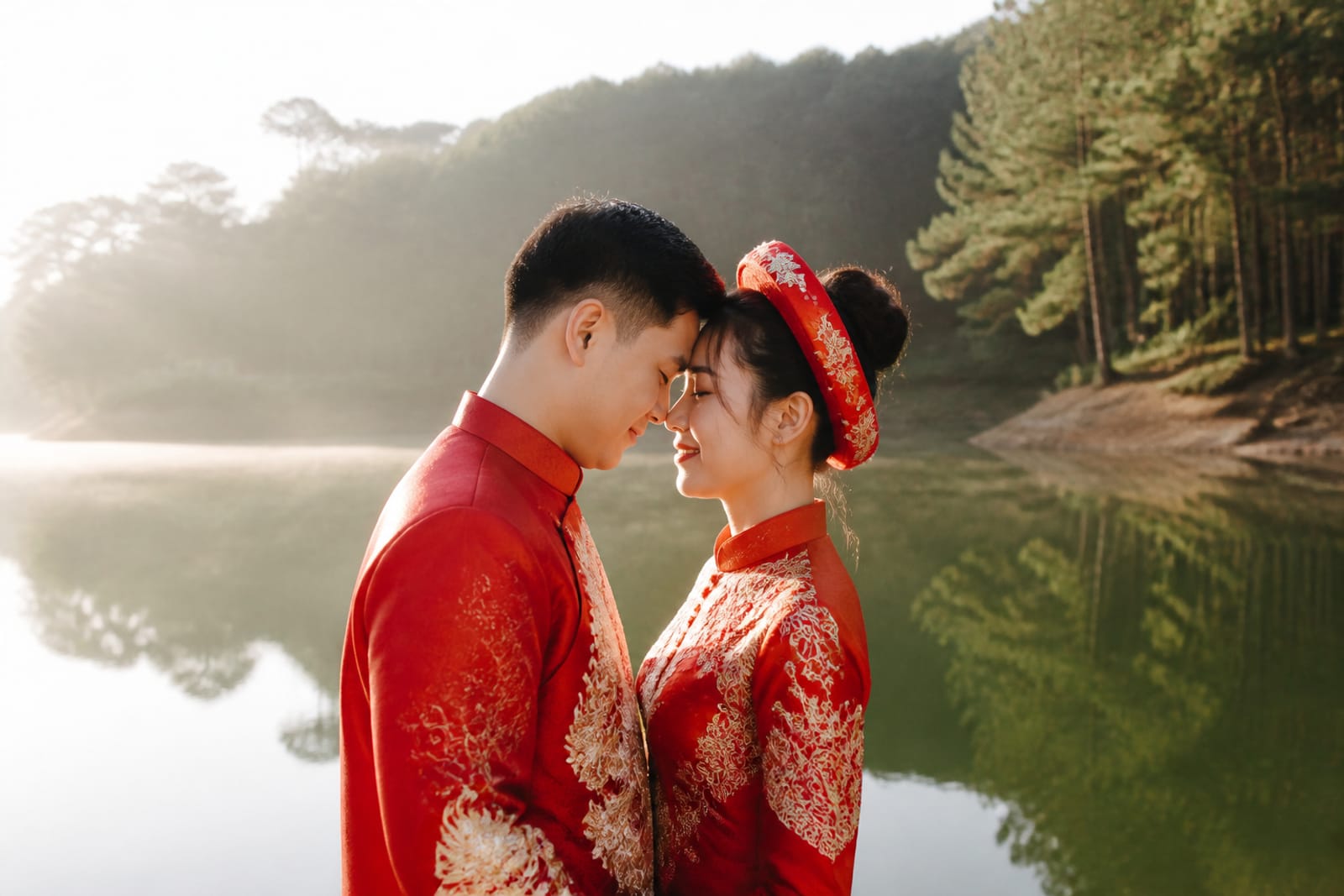
Sunrise (6–7:30 a.m.) is the professional choice. Mist rises thickest in the first two hours after dawn, and the sun grazes the eastern rock face at a low angle, creating rim-lit edges and soft halos around spray. You'll have the site nearly alone—critical for framing couple poses without tourists in the background. Golden hour (4–5 p.m.) offers warm amber tones but less mist; the light skews harsh on stone, and tour buses crowd the viewing platform. If your schedule allows only afternoon, arrive by 3:30 p.m., scout the backlit jungle paths, and frame the couple against dappled shade rather than direct sun. Sunrise requires a 5 a.m. hotel pickup and acceptance of cooler air—bring a light wrap.
Does season matter for waterfall flow and light?
Yes, critically. Dry season (December–April) keeps water volume consistent but skies clear, reducing atmospheric mist—you trade ethereal haze for sharper, more colorful canyon rock. Rainy season (May–November) swells the fall and thickens morning mist, but October–November brings typhoon-fed floods; the torrent can be too violent for safe footing, and afternoon storms close the site without warning. Late November and early December sit between: water is strong, mist lingers at dawn, and rain is rare. Avoid May–September unless you're chasing drama; June is the wettest month and carries mudslide risk on the access path.
| Aspect | Dry season (Dec–Apr) | Late Nov–early Dec | Rainy season (May–Nov) |
|---|---|---|---|
| Water volume | Moderate, consistent | Strong, picturesque | High, sometimes unsafe |
| Morning mist | Light, dissipates by 8 a.m. | Thick, lasts 2–3 hours | Very thick, afternoon showers |
| Sky clarity | Clear, blue hour bright | Mixed—clear mornings, cloudy afternoons | Overcast, flood risk Oct–Nov |
| Best for | Crisp color, sharp rock detail | Mist + water drama + stable conditions | Lush green but logistically risky |
| Crowd level | Low–moderate | Very low | Moderate to high |
Early December edges ahead: water recovered from dry season, mist still abundant, rain rare, tourists not yet peak-holiday crowds.
What to wear and how to prepare for waterfall light?
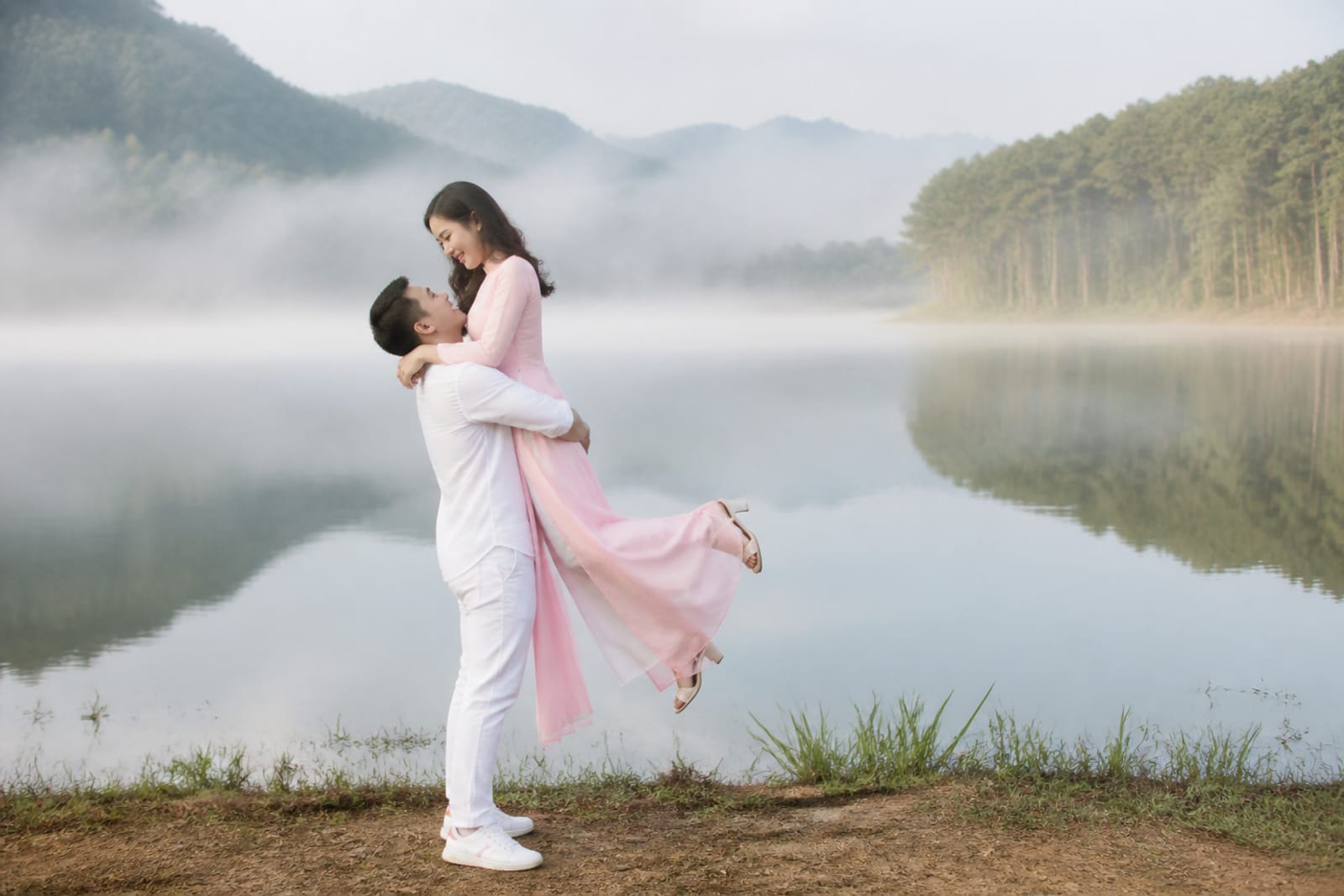
Water splash, slippery rock and high humidity demand practical choices. Pre-wedding ao dai shoots often use the traditional gown for a few frames on dry, high ground (never near the cascade itself). For water-adjacent shots, wear fitted trousers or shorts, a lightweight top, and water-safe footwear—your photographer will direct you to stable stones. Hair and makeup must be waterproof: set spray, long-wear foundation, and a hairstyle pinned tight enough to survive mist and wind. Bring a microfiber cloth or blotting papers for touch-ups. The humidity will curl loose strands regardless; embrace softness or plan for a sleek braid. If you're doing both formal (ao dai) and casual (trousers) frames, allow an extra 30 minutes for changes and re-touch makeup.
How do you find and vet a local Datanla photographer?
Da Lat has many freelance photographers and tour-based packages, but quality and reliability vary. Priorities: check if they've shot Datanla before (they'll know mist patterns and how to light mist for drama). Ask to see a portfolio of waterfall work—compare whether they favor harsh backlit silhouettes or softer, misty frames; pick the style you want. Confirm they own a full-frame camera, ND or polarizing filters (essential for water shots), and backup batteries; highland weather changes fast, and weak gear fails at critical moments. Request a trial shot before paying (some guides include this; others charge a small scout fee). Verify entry ticket cost and whether they handle permits; some waterfalls require a local liaison. Finally, check responsiveness on WhatsApp—you'll need to confirm times and weather calls the night before. If you're working with Cáo Studio – Makeup & Photoshoot for a Hanoi, Ho Chi Minh City or Hoi An shoot and want to extend into Da Lat, ask on WhatsApp about coordination with vetted local partners.
What to check before you book a session at Datanla?
Before you commit, confirm these specifics with your photographer:
- Entry and permits: Do they cover entry tickets, or will you pay on arrival? Is a guide required by the site, and is that cost separate? How early can you enter? (Some sites don't open until 6:30 a.m., which eats into golden mist time.)
- Travel time: How long is pickup from your hotel? Allow 45 minutes minimum if you're staying in Da Lat town. If you're staying elsewhere in the highlands (Thao Dien, Elephant Village area), add another 30–45 minutes.
- Weather backup plan: What happens if rain or fog closes the site? Does the photographer reschedule, refund, or move to an alternative location? Get this in writing.
- Outfit and makeup: Ask whether makeup and hair touch-up are included, or if you arrange that yourself. If your outfits include formal wear (wedding dress, ao dai), confirm the photographer has a rain cover and plastic bags for protection during the canyon approach.
- Editing timeline: When will you see your photos? Highland internet is slower; ask if they'll edit on-site or post-process back in a larger city.
- Group size and logistics: If you're bringing family or a wedding party, confirm how many people the photographer can safely guide on the slippery paths, and whether a second photographer or assistant is needed.
---
Comparing Datanla to other Da Lat waterfall options
If you're considering multiple waterfalls in Da Lat for your pre-wedding session:
| Waterfall | Best for | Light character | Accessibility | Why choose? |
|---|---|---|---|---|
| Datanla | Couples, mist lovers, accessible | Soft, misty, rim-lit at dawn | 10-min walk from parking, compact | Mist, isolation, close to town |
| Cam Ly | Couples, open sky, formal wear | Brighter, longer shaded canyon | Cable car or 30-min hike | Taller drop, less crowded than Datanla |
| Voi (Elephant) | Adventure shots, jungle paths | Dappled, multi-drop landscape | 45-min trek through forest | Lush canopy, multiple cascades |
| Tiger (Suối Vàng) | Solitude, dramatic backlit silhouettes | Direct sun, misty spray | 1-hour hike, steep scramble | Remoteness, fewer tourists |
Most couples choose Datanla or Cam Ly. Datanla wins for mist romance and quick turnaround; Cam Ly suits those who prefer taller, more theatrical falls and don't mind a cable car. If you want to combine multiple locations, allow a full day; Da Lat's roads are winding, and light changes fast in the hills.
---
Real logistics: what goes wrong and how to avoid it
From on-the-ground experience: Mist vanishes by 8:30 a.m. even in rainy season. If you start at 7 a.m., you have roughly 90 minutes of optimal ethereal light. Don't be late. The path is genuinely slippery, especially after rain—your photographer should wear sturdy boots and carry a walking stick for balance while shooting. You're holding poses on wet stone; if the falls are high or recent rain heavy, some shots simply can't be taken safely. Plan B shots on dry, elevated ground.
Entry tickets sell out during holidays (Tet, Christmas) and weekends; go midweek Dec–Jan if possible. Afternoon thunderstorms blow in fast in rainy season (May–Nov); if you're shooting after 2 p.m., post a spotter watching the sky. A downpour can flood the lower path in 15 minutes.
Backup batteries drain in cold, damp air. Highland weather is 15–25°C even in "warm" season; cameras slow and batteries deplete 30% faster. Your photographer should carry extras.
Makeup runs if you're in spray zone. Unless it's fully waterproof, keep formal makeup touches to dry-ground frames. Light mist won't ruin makeup; direct waterfall spray will.
Tourist groups cluster at 9 a.m.–1 p.m. If you hate crowds in your frames, you must go before 8 a.m. or after 4 p.m. No negotiation.
---
Making the most of your pre-wedding session
Pre-wedding shoots at natural landmarks like Datanla often pair best with a secondary location for outfit variety. Many couples combine a waterfall session (ao dai or formal wear frames) with a jungle path or tea plantation shoot for lighter, daytime looks. Ask your photographer if they offer multi-location packages or day-of coordination.
If you're planning a full pre-wedding & elopement package, Cáo Studio – Makeup & Photoshoot (based in Hanoi, Ho Chi Minh City and Hoi An) can advise on scouting, timing and working with Da Lat local partners. For makeup and hair before the shoot, you can arrange a hotel makeup & hair session the morning of, or coordinate with your local photographer's recommendations.
Consider also how you'll preserve and display these images—ask about wedding photo albums or photo prints & frames for keepsake formats that celebrate the mist and light you've invested in capturing.
---
Before you call a photographer: a quick decision framework
Are you:
- A couple wanting romantic, mist-soaked frames? → Datanla at sunrise, dry season Dec–April.
- Chasing adventure and willing to hike? → Voi or Tiger falls for solitude and drama.
- Budget-conscious and want a quick turnaround? → Datanla mid-morning (less mist, cheaper local shooters, no guide needed).
- Planning a formal, ao dai-focused pre-wedding? → Datanla for mist + style, but plan a second location for outfit comfort.
Ask yourself:
- Can I wake at 5 a.m. and accept 2 hours of cold air? (Yes → sunrise; No → afternoon or choose a different site.)
- Do I need solo couple time or am I okay with a few tour groups in wider shots? (Isolation critical → Dec–Feb or Nov; okay with minor crowds → any month Dec–Apr.)
- Is this my only Da Lat shoot, or am I doing multiple locations? (One-off → Datanla; multi-site → budget a full day and choose 2–3 based on outfit changes.)
---
FAQ
What's the best month to shoot at Datanla?
Late November through February offers the ideal balance: water volume strong, morning mist thick and long-lasting, skies clear, and typhoon risk minimal. December-January has the lowest crowds outside Tet. Avoid May–September (rainy, flood risk, afternoon storms likely).
Do I need a local guide, or can a photographer work alone?
Most Datanla sites allow photographers solo, but a local guide ensures safe route access, entry timing, and insider knowledge of weather patterns. Cost varies—ask your photographer whether a guide is included or separate. For safety with formal wear on slippery paths, a guide is worth it.
Can I wear a wedding dress at Datanla?
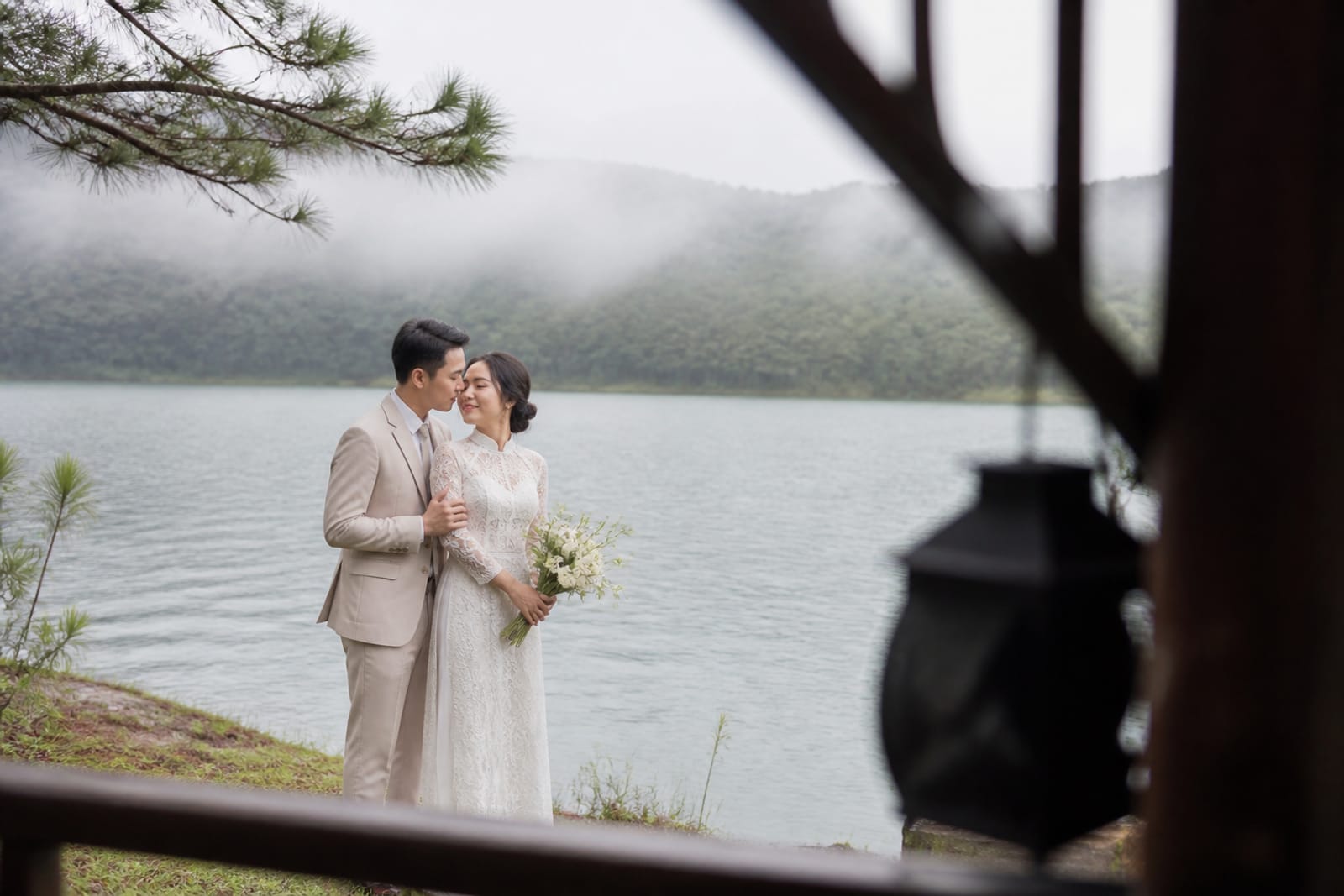
Technically yes, but only on dry, high ground away from spray. Have your photographer scope the site first. Heavy dresses absorb mist and are difficult to move in on wet stone; consider a lightweight gown, ao dai, or casual formal wear for most frames, and reserve the dress for a single protected pose.
How much time do I need for a Datanla pre-wedding shoot?
Plan 2–4 hours depending on outfit changes and travel. One outfit with natural poses = 2 hours; two outfits (e.g., ao dai + casual formal) = 3–4 hours. Add 1 hour for hotel pickup and return.
What if the weather forecast shows rain?
Morning mist from light rain is ideal; afternoon storms close the site. If heavy rain is forecast, ask your photographer about rescheduling or moving to an indoor/sheltered alternative. Confirm this policy before you book.
Should I hire a Da Lat photographer or bring someone from Hanoi or Ho Chi Minh City?
A local Da Lat shooter knows the waterfall intimately, weather patterns, and safe timing—often cheaper and more practical. However, if you want consistent style with a previous Cáo Studio session in another city, ask on WhatsApp about coordinating with trusted local partners who can align with your vision.
FAQ
What's the best month to shoot at Datanla?
Late November through February offers the ideal balance: water volume strong, morning mist thick and long-lasting, skies clear, and typhoon risk minimal. December-January has the lowest crowds outside Tet. Avoid May–September (rainy, flood risk, afternoon storms likely).
Do I need a local guide, or can a photographer work alone?
Most Datanla sites allow photographers solo, but a local guide ensures safe route access, entry timing, and insider knowledge of weather patterns. Cost varies—ask your photographer whether a guide is included or separate. For safety with formal wear on slippery paths, a guide is worth it.
Can I wear a wedding dress at Datanla?
Technically yes, but only on dry, high ground away from spray. Have your photographer scope the site first. Heavy dresses absorb mist and are difficult to move in on wet stone; consider a lightweight gown, ao dai, or casual formal wear for most frames, and reserve the dress for a single protected pose.
How much time do I need for a Datanla pre-wedding shoot?
Plan 2–4 hours depending on outfit changes and travel. One outfit with natural poses = 2 hours; two outfits (e.g., ao dai + casual formal) = 3–4 hours. Add 1 hour for hotel pickup and return.
What if the weather forecast shows rain?
Morning mist from light rain is ideal; afternoon storms close the site. If heavy rain is forecast, ask your photographer about rescheduling or moving to an indoor/sheltered alternative. Confirm this policy before you book.
Should I hire a Da Lat photographer or bring someone from Hanoi or Ho Chi Minh City?
A local Da Lat shooter knows the waterfall intimately, weather patterns, and safe timing—often cheaper and more practical. However, if you want consistent style with a previous Cáo Studio session in another city, ask on WhatsApp about coordinating with trusted local partners who can align with your vision.
Ao dai, makeup, hair and a local photographer in Hanoi or Saigon — one WhatsApp message.