/pre-wedding-photoshoot
Elopement photos at Cu Lao Cham: island shoot guide & booking
Cu Lao Cham (also Cham Island) lies 20 km southeast of Hoi An and takes 40–50 minutes by ferry. An elopement photoshoot there typically runs sunrise through mid-morning to capture calm water, soft light and empty beaches. The island has a few homestays and basic facilities; most couples stay overnight and work with a photographer who either travels from Hoi An or is based locally. Cáo Studio – Makeup & Photoshoot does not currently operate on Cu Lao Cham; for shoots there, you'll need to book a Hoi An-based or local island photographer. Key factors: ferry schedules (fixed timetables, weather-dependent closures in rainy season Sep–Dec), tide times (affects beach composition), and the island's protected status (no drones, no large crews). Budget roughly 1–2 nights accommodation, ferry tickets and a local photographer's rate; confirm all logistics on WhatsApp before committing. ---
What makes Cu Lao Cham different from mainland Hoi An shoots?
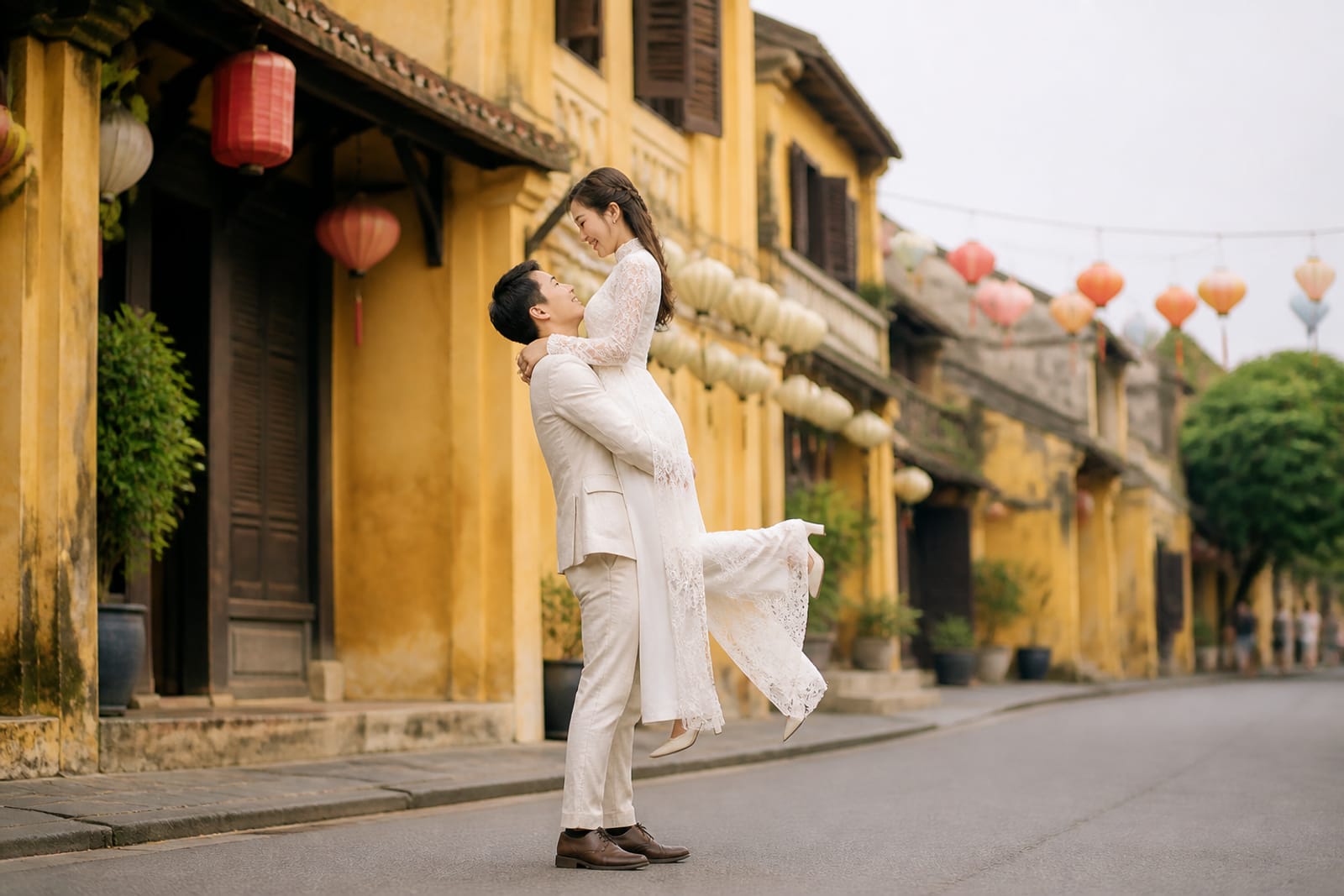
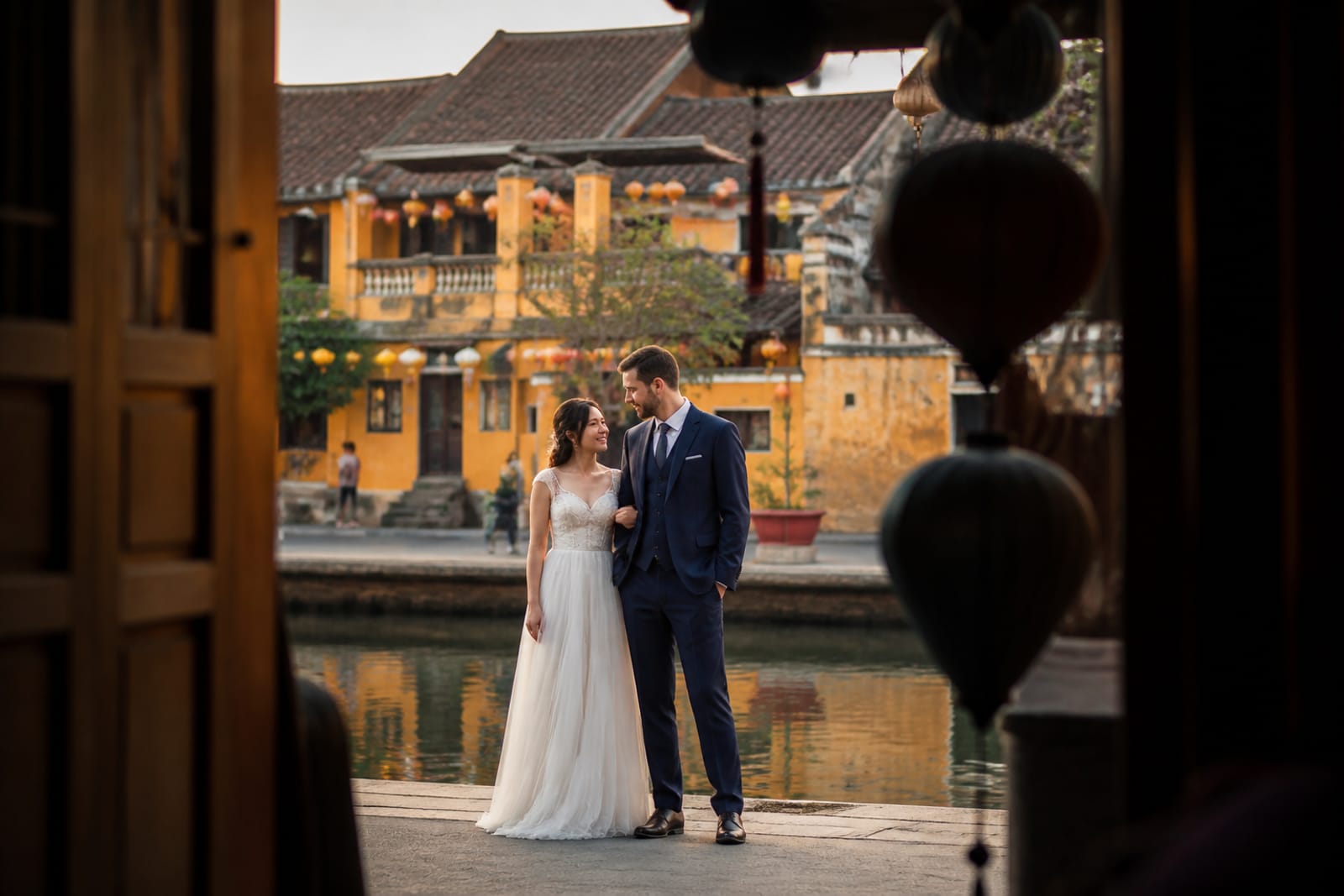
Cu Lao Cham offers isolation and water backdrop that Hoi An's Ancient Town and rice fields cannot. On the island, you're surrounded by limestone karst, shallow turquoise bays and minimal foot traffic—ideal for couples seeking solitude. The trade-off: no professional studio infrastructure, weather dependency, and ferry schedules that aren't negotiable. A mainland Hoi An shoot (Ancient Town at sunrise, rice fields at golden hour, temples for formal ao dai) gives you multiple locations in one day with backup indoor venues. Island shoots demand flexibility; bad weather or ferry cancellations mean rescheduling. Choose Cu Lao Cham if intimacy and seascape matter more than outfit variety; choose Hoi An mainland if you want diverse backdrops and guaranteed access.
When is the best season for Cu Lao Cham elopement photos?
February to August is optimal: dry, calm seas and clear skies for water shots. February–April offer the gentlest light (cooler, softer at sunrise); May–August stay dry but midday heat climbs above 30°C, so plan sunrise starts (5:30–6:30) and wrap by 9 a.m. Avoid September to December—the central coast's rainy and typhoon season means ferry cancellations, grey skies and potential flooding. December–January can be drizzly and cool; ferries still run, but light is unpredictable. If you're set on winter dates, late December or early January (post-Tet, if open) offers shorter crowds than peak season. Book your ferry 2–3 weeks ahead during dry season; confirm the island's weather window and photographer availability before finalizing travel.
How does a Cu Lao Cham shoot differ from Cáo Studio's Hoi An sessions?
Cáo Studio operates in Hanoi, Ho Chi Minh City and Hoi An by appointment (team travels to Hoi An on request). For Hoi An shoots, the studio books you in town, handles makeup and hair on-site or at your hotel, and photographs you at the Ancient Town, temples and rice fields—all land-based, controlled environments. Cu Lao Cham shoots skip the studio's infrastructure entirely. You arrange accommodation and transport; hire a local or Hoi An-based photographer (not Cáo Studio); and work with a small crew in a remote, tide-dependent setting. If you want Cáo Studio's makeup and hair team on Cu Lao Cham, you'd need to request this separately on WhatsApp—feasibility depends on their Hoi An schedule and your dates. Most island elopers hire local photographers with island logistics expertise.
📸 Book on WhatsApp — ao dai photoshoot
What should you pack and wear for an island elopement shoot?
Bring multiple outfit options since the island's exposed, windy condition can wrinkle clothes and sea spray affects fabric. A lightweight ao dai or formal dress works for sunrise shots; change into a casual linen set or beachwear for mid-morning and afternoon beach frames. Pack a shawl or lightweight cover for wind protection. Coordinate with your photographer on outfit count—you'll likely have 1–2 changes (not 4–5 like a studio day) due to limited space and turnaround time on a boat or simple island accommodation. Footwear matters: sturdy sandals for rocky shore access; avoid heels on uneven terrain. If wearing traditional ao dai, check your photographer's experience dressing couples in it on windy, uneven terrain; not all local island photographers are trained in ao dai fit and movement.
| Outfit option | Works best | Why | Logistical fit |
|---|---|---|---|
| Formal ao dai + accessories | Sunrise, calm shore | Floats in breeze, elegant silhouette | Needs care packing; risk of salt-water damage |
| Lightweight linen shirt & pants | Mid-morning, any time | Casual, sand-friendly, quick change | Easy pack, tolerates wind |
| Beachwear (swim + cover) | Golden hour, water shots | Moves freely, dries fast | Minimal luggage, practical |
| Suit + tie (groom or non-traditional) | Early light, formal framing | Structured, reads well in landscape shots | Hot, heavy—morning only |
How do you book and what logistics should you confirm first?
Search Hoi An-based photographers or island homestay networks; many homestays recommend trusted local shooters. Vet portfolios for island experience (shoot timing awareness, tide knowledge, backup lighting for overcast skies). Contact your chosen photographer 6–8 weeks ahead, especially during dry season. Confirm: ferry schedule and ticket booking (you'll need to reserve and pay separately), weather guarantees (can you reschedule?), makeup and hair (does the photographer arrange this, or do you hire a separate artist?), number of outfit changes and editing timeline. Agree in writing on shot count, delivery format (digital files, prints, album) and total cost factors (overnight stay required, travel fees, crew size, location scouting). Ask about tide charts—some beaches are only shootable at low tide; plan session timing accordingly. If Cáo Studio's Hoi An team is available and you prefer their experience, contact them on WhatsApp to explore whether they can travel to your Cu Lao Cham accommodation (not guaranteed, but worth asking).
What to check before you book a Cu Lao Cham elopement shoot
- Ferry reliability: Confirm operator, schedule, and cancellation policy if weather closes the island (Sep–Dec risk is highest).
- Photographer island experience: Ask for previous island shoots; check they understand tide tables and have backup plans for light.
- Makeup and hair: Clarify who provides this—the photographer, a separate artist, or you DIY. Salt spray affects makeup; waterproof products and quick-set spray are non-negotiable.
- Outfit logistics: Pack lightly; the ferry and island accommodation have limited space. Confirm how many outfit changes the photographer can fit in your session.
- Accommodation: Book a homestay or small resort in advance; check recent reviews for cleanliness, water pressure (for bathing after a sandy shoot) and Wi-Fi for photographer file transfer.
- Weather flexibility: Ensure your travel dates have 1–2 buffer days if ferry or light conditions force a reschedule.
---
Why work with Cáo Studio instead of booking direct on Cu Lao Cham?
Cáo Studio doesn't operate on Cu Lao Cham, so you'll book a local photographer directly. However, if you want a combination—elopement photos on Cu Lao Cham plus a formal ao dai session in Hoi An's Ancient Town or rice fields beforehand—contact Cáo Studio on WhatsApp. They can coordinate makeup, hair and a couple shoot in town, then advise on island photographer contacts. This hybrid approach gives you professional studio hair and makeup plus bespoke island logistics. Alternatively, if your elopement is in Hanoi or Ho Chi Minh City instead, Cáo Studio offers couple photoshoots in urban and nature settings. For pre-wedding photos combining multiple locations (city, countryside, water), their pre-wedding photoshoot packages suit longer timelines.
How does lighting and weather affect your shoot timeline?
Dawn (5:30–6:30 a.m.) brings the softest, directional light—perfect for silhouettes over water and intimate portraits. By 7:30–8:30 a.m., light turns golden and slightly harder; ideal for full-body and couple poses on the beach. By 9 a.m., overhead sun creates harsh shadows, especially in February–April when the sun rises higher and faster. On overcast days (common Dec–Jan), the entire day is diffused soft light—no shadows, but less drama. Shoot sunrise to 9 a.m. in dry season; in cooler months, sunrise light is lower and lasts longer. Wind also matters: dawn often brings calmer air; by mid-morning, sea breezes pick up, affecting ao dai flow and hair. Confirm tide times with your photographer; low tide reveals wider sand and rock formations; high tide tightens the beach. Plan your outfit and pose timing around both light and tide.
---
📸 Book on WhatsApp — pre-wedding photoshoot
Related services for your elopement
If you're planning an elopement in Vietnam, consider these complementary sessions:
- Ao dai photoshoot: A dedicated day for traditional Vietnamese dress, ideal for a formal second shoot.
- Couple photoshoot: Flexible sessions in urban and natural settings, bookable in Hanoi or Saigon.
- Makeup and hair at your hotel: Professional on-location beauty services if you're coordinating with a local island photographer.
- Proposal and anniversary package: If your elopement doubles as an anniversary or proposal celebration.
- Hoi An photoshoots: Cáo Studio's full Hoi An offering—combine island sessions with mainland shoots for a complete elopement story.
---
FAQ
Can I hire Cáo Studio to shoot my elopement on Cu Lao Cham?
Cáo Studio does not operate on Cu Lao Cham; the team works in Hanoi, Ho Chi Minh City and Hoi An by appointment. For island shoots, hire a local photographer. Contact Cáo Studio on WhatsApp to ask if they can advise you or coordinate makeup and hair for your trip.
What's the best time of year to elope on Cu Lao Cham?
February to August is optimal—dry, calm seas and reliable ferries. February–April offer softest light; May–August stay dry but very hot, so plan sunrise starts. Avoid September–December (rainy season, typhoons, ferry closures).
How long does a typical Cu Lao Cham elopement shoot take?
Most sessions run 2–4 hours, typically sunrise to mid-morning to capture calm light and water. You'll need 1–2 nights on the island to account for ferry schedules and travel time.
Do I need to hire a separate makeup artist for the island?
Confirm with your photographer—some arrange this, others don't. Book a makeup artist in advance if your chosen photographer doesn't offer it. Waterproof makeup and quick-set spray are essential due to sea spray and humidity.
What happens if the ferry cancels due to weather?
Most photographers have a reschedule clause in their contract. Confirm cancellation and rebooking policy before booking. The rainy season (Sep–Dec) has the highest cancellation risk; build 1–2 buffer days into your travel schedule.
Can I bring an ao dai for the shoot, or should I rent locally?
Bring an ao dai if you own one—packing it flat in luggage works. Alternatively, rent before you travel or arrange rental through your Hoi An photographer contact. Confirm the photographer's experience dressing couples in ao dai on an exposed, windy beach.
FAQ
Can I hire Cáo Studio to shoot my elopement on Cu Lao Cham?
Cáo Studio does not operate on Cu Lao Cham; the team works in Hanoi, Ho Chi Minh City and Hoi An by appointment. For island shoots, hire a local photographer. Contact Cáo Studio on WhatsApp to ask if they can advise you or coordinate makeup and hair for your trip.
What's the best time of year to elope on Cu Lao Cham?
February to August is optimal—dry, calm seas and reliable ferries. February–April offer softest light; May–August stay dry but very hot, so plan sunrise starts. Avoid September–December (rainy season, typhoons, ferry closures).
How long does a typical Cu Lao Cham elopement shoot take?
Most sessions run 2–4 hours, typically sunrise to mid-morning to capture calm light and water. You'll need 1–2 nights on the island to account for ferry schedules and travel time.
Do I need to hire a separate makeup artist for the island?
Confirm with your photographer—some arrange this, others don't. Book a makeup artist in advance if your chosen photographer doesn't offer it. Waterproof makeup and quick-set spray are essential due to sea spray and humidity.
What happens if the ferry cancels due to weather?
Most photographers have a reschedule clause in their contract. Confirm cancellation and rebooking policy before booking. The rainy season (Sep–Dec) has the highest cancellation risk; build 1–2 buffer days into your travel schedule.
Can I bring an ao dai for the shoot, or should I rent locally?
Bring an ao dai if you own one—packing it flat in luggage works. Alternatively, rent before you travel or arrange rental through your Hoi An photographer contact. Confirm the photographer's experience dressing couples in ao dai on an exposed, windy beach.
Ao dai, makeup, hair and a local photographer in Hanoi or Saigon — one WhatsApp message.