/pre-wedding-photoshoot
Elopement photos at Temple of Literature: guide and booking
The Temple of Literature (Văn Miếu–Quốc Tử Giám) is Hanoi's most iconic elopement venue—a 1070-founded Confucian sanctuary with symmetrical courtyards, ancient stone turtle stelae, and red-pillared halls that frame intimate ceremony moments in daylight without needing hire decor. Elopements here typically run 1.5–3 hours: arrival before 7 a.m. (before tour groups), a short vow exchange in a reserved courtyard, and sunset shots in the lantern-lit pathways. Access requires advance booking through the site's management; photographers must coordinate separately—Cáo Studio – Makeup & Photoshoot Hanoi has shot dozens of elopements here and handles logistics like early-entry permits and tight group-size compliance. Expect cool, soft light in winter (Dec–Feb), bright midday glare in summer (May–Sep), and mild spring haze (Mar–Apr). The main pitfall: overshooting the lane width—ao dai trains catch on passage pillars, and ring-bearer outfits need tailoring clearance before the day.
The Temple of Literature draws elopement couples because it feels both ceremonial and intimate. No artificial backdrop competes with centuries-old stone and morning mist. But the site is tightly governed—tour-group quotas, photography-permit windows, and narrow passageways mean success hinges on planning, not spontaneity.
Why does the Temple of Literature matter for Hanoi elopements?
The Temple was built in 1070 as a royal academy and Confucian shrine. Its dual purpose—sacred and scholarly—gives elopements a sense of cultural weight without feeling like a tourist snapshot. The Van Mieu courtyard has four concentric zones: the outer gate (Dai Trung), the Cong Tai courtyard (with ancient turtle stelae), the Hall of Great Achievement (Dai Thanh), and the inner sanctuary (Tru Van). Each zone has distinct light, framing, and foot traffic. The 11 am–1 pm window is quietest; dawn (before 7 am) is coldest but most forgiving for damp, golden light. Tour groups peak 9–11 am and 2–4 pm. If elopement authenticity matters—no crowds in your frame, genuine quiet for vows—book a photographer who can negotiate early access or after-hours slots. Cáo Studio's Hanoi team has shooter experience with the site's shifting light and management protocols.
📸 Book on WhatsApp — ao dai photoshoot
What permit and access rules apply?
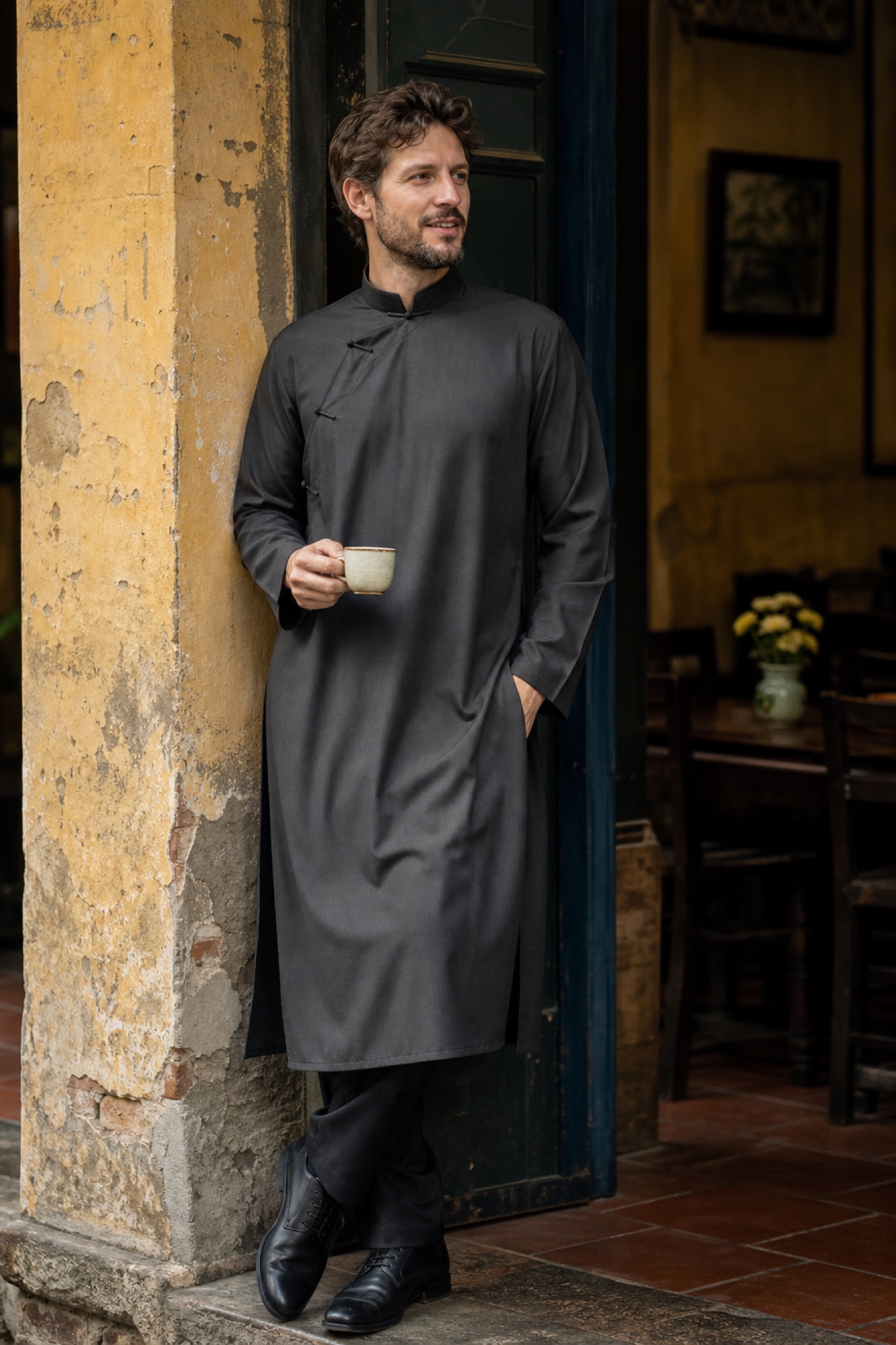
The Temple of Literature is a national monument managed by the Hanoi Ministry of Culture; it is not a hire-at-will venue. All photography groups—elopement parties, family sessions, couples—must register with site management before the shoot date. Registration typically opens 2–4 weeks ahead; last-minute bookings (48 hours before) may be refused or assigned off-peak windows (early morning, late afternoon). No flash photography is allowed indoors (Dai Thanh, Tru Van). Tripods are permitted only in designated outer courtyards. Group size is capped at 10 people per permit. If your party includes makeup artists, videographers, or assistants, each counts toward the cap—coordination with your photographer beforehand is essential. Bridal party outfits must fit through passages: ao dai with long trains or ball gowns need measurements checked against door widths (roughly 1.5 meters on the narrowest pathways). Cáo Studio's team conducts a pre-shoot site walk with couples to confirm outfit fit and spot ideal vow locations based on light and privacy. Access hours are 8 am–5 pm daily; special (pre-dawn or after-hours) access is rare and must be negotiated months in advance with the venue director.
When is the light best—season and time of day?
| Season | Light quality | Best time | Crowds | Outfit comfort | Pitfalls |
|---|---|---|---|---|---|
| Dec–Feb (cool) | Soft, diffused, golden dawn | 6:30–8:30 am | Very low | Warm layers fit under ao dai | Overcast drizzle; frost on stone |
| Mar–Apr (spring) | Mild, humid haze; damp courtyards | 7–9 am, 3–5 pm | Low–medium | Lightweight ao dai ideal | Haze softens contrast; humidity ruins makeup base |
| May–Sep (summer) | Harsh midday, blown-out noon | Before 7 am, after 4 pm | Medium | Heavy fabrics cling; sweat visible | Heat damage to prints if unshaded; 35°C+ exhaustion risk |
| Oct–Nov (autumn) | Crisp, warm-toned, shadowless | 8–10 am, 3–5 pm | High | Perfect fit and color saturation | Peak tourist season; permits fill fast |
Autumn (Oct–Nov) is Hanoi's most sought elopement window—dry, mild, and the city's trees are golden. But the Temple draws 1000+ daily visitors in October, making the 6–7 am slot mandatory if you want solitude. Winter (Dec–Feb) yields softer, more forgiving light; cold means fewer tourists but risk of overcast skies and drizzle that delays shots. Spring (Mar–Apr) is humid and often hazy, flattening color. Summer is punishing: heat triggers makeup melting, ao dai fabrics wrinkle from sweat, and the harsh overhead sun casts unflattering shadows on faces. If summer is your only option, shoot before 7 am and plan an indoor (air-conditioned hotel) makeup touch-up midday.
What outfit and styling choices work best?
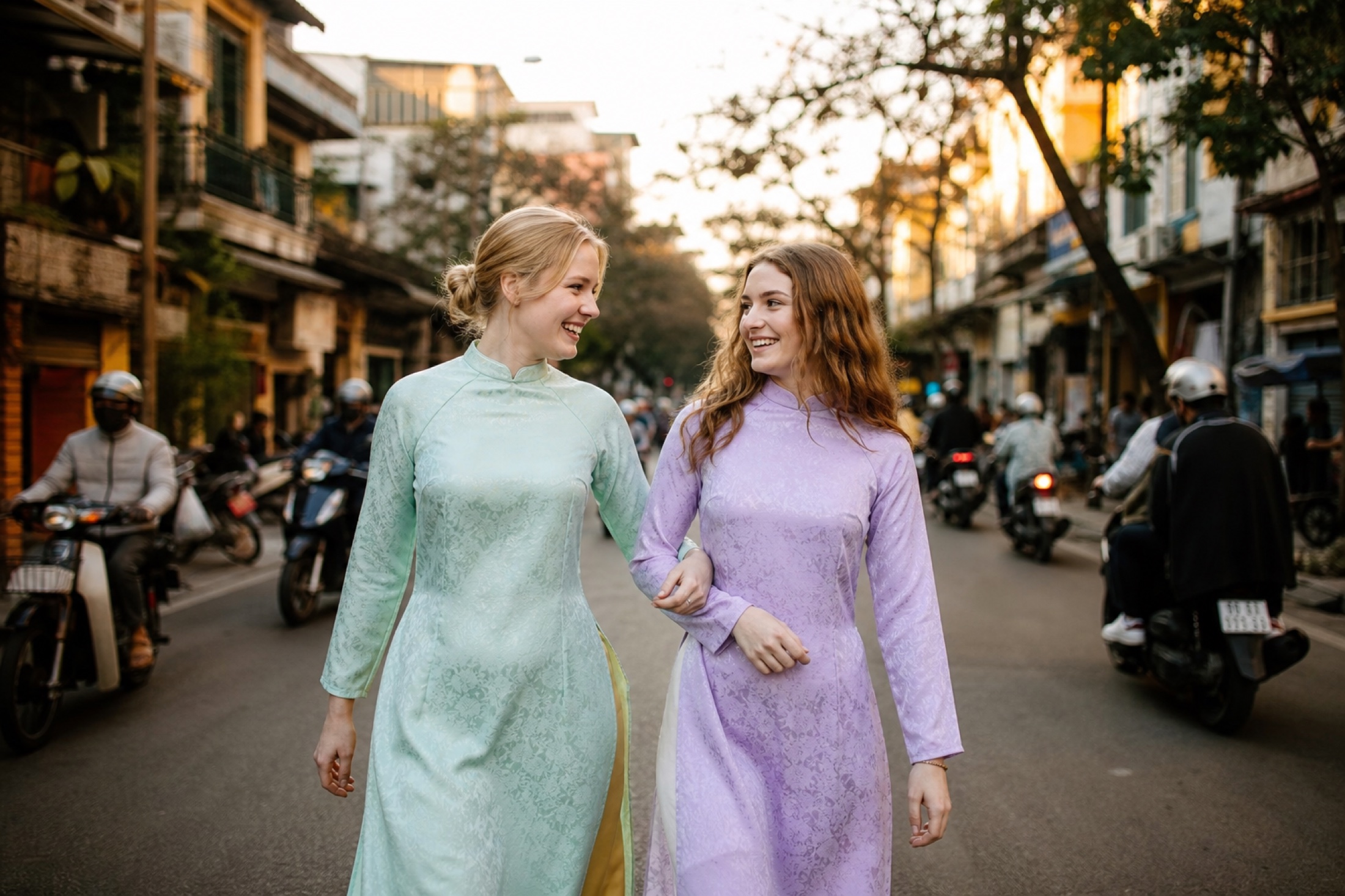
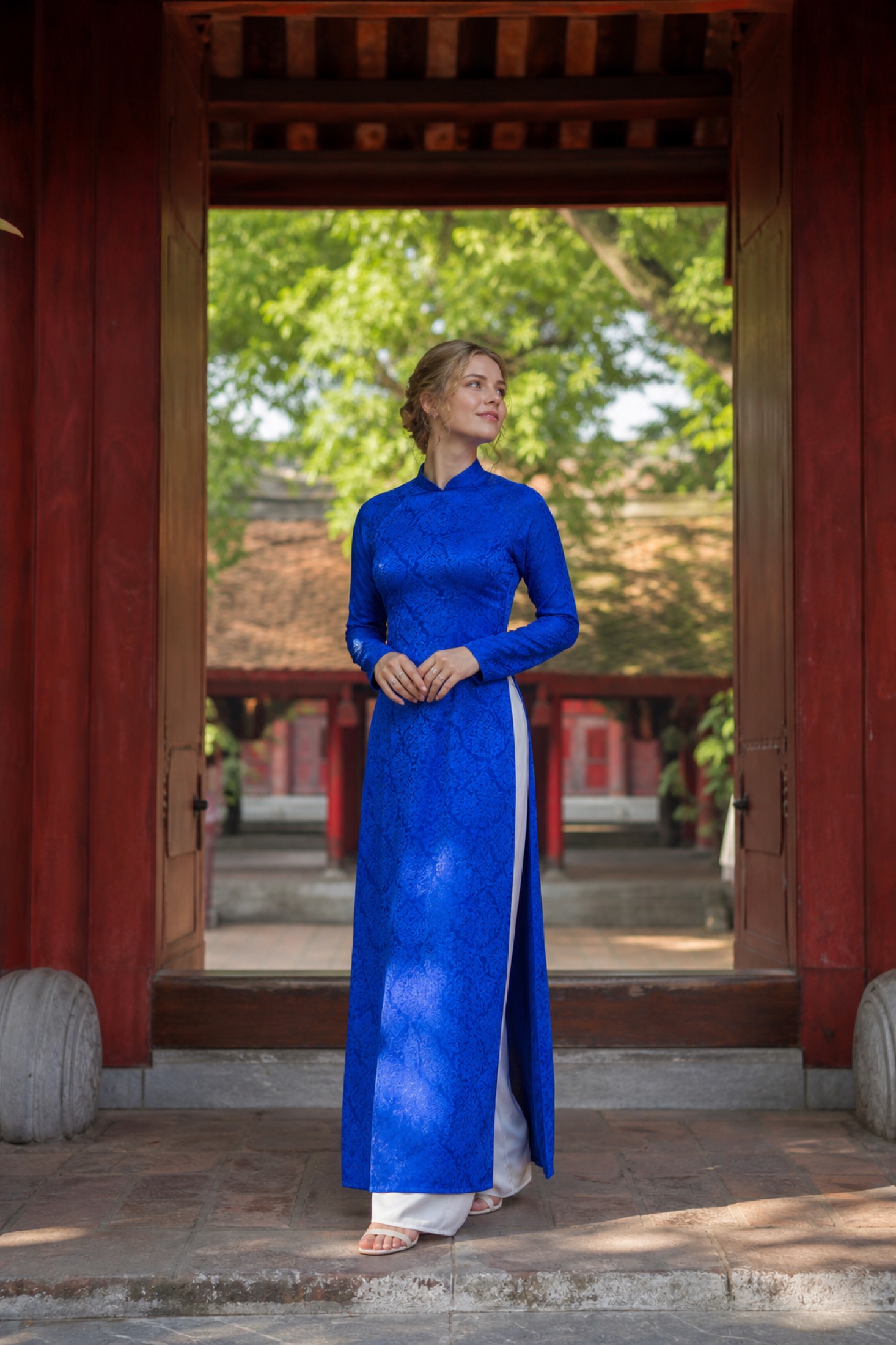
Ao dai is the default elopement choice at the Temple—the fabric drapes symmetrically and the split skirt doesn't catch on stone. However, train length matters. A long train (over 1.5 meters) catches on passage pillars in the inner courtyards; a knee-length or floor-length train without a full sweep is ideal. If you prefer a Western dress, a-line or sheath silhouettes navigate the narrow paths better than ball gowns. Grooms in suits stand out sharply against the red pillars and pale-stone courtyards, especially in autumn light. Headpieces, flower crowns, or loose hair work; updos can make faces look strained in profile shots. Makeup should be matte or powder-set; the Temple's courtyards have no shade, and perspiration is visible on glossy finishes. Cáo Studio's makeup team at makeup & hair can apply long-wear bases and recommend touchup protocols for outdoor heat. Color coordination with the stone and pillars matters: jewel tones (emerald, sapphire, plum) pop against the warm terracotta and red; pastel ao dai can look washed out in morning mist. If you're renting an ao dai or dress, confirm with the rental provider that the hem and train fit the site's passageway widths—most reputable rental shops (Cáo Studio has partnerships) do this automatically.
How does a photographer coordinate and deliver for Temple elopements?
Your photographer should handle three tasks: pre-booking the permit 3–4 weeks ahead, a site walk 3–5 days before the shoot to finalize locations and timing, and post-shoot editing within 2–3 weeks. Cáo Studio's Hanoi pre-wedding team manages all three; couples receive a detailed itinerary, a list of outfits to bring, and a map of vow and portrait spots based on that day's light forecast. On the day, the photographer arrives 45 minutes before your start time to scout for tour-group density and light shifts. Editing timelines vary: files are typically delivered in batches (teasers within 7 days, full gallery within 3–4 weeks) via cloud link or USB. Ask your photographer upfront about retouching depth (skin smoothing, color grading, architectural detail preservation—all matter for heritage venues). The Temple's stone and red pillars are structurally complex; overprocessed edits can flatten the scene. Reputable photographers (including Cáo Studio) preserve the venue's texture while enhancing your faces and attire.
What should couples check before booking?
Photographer experience at the Temple: Ask for a portfolio of previous elopements or couple sessions at the site. Light and composition consistency show familiarity with permit constraints and crowd windows. Permit handling: Confirm the photographer or studio submits the access request and covers the coordination cost (do not assume it is bundled into the session fee—ask). Makeup artist inclusion: If you want on-site makeup, ensure all three parties (you, photographer, makeup artist) are listed on the permit before booking. Outfit fit and train length: Share garment measurements with your photographer; they should flag any passageway concerns. Weather contingency: Ask if the booking includes a rain date or partial refund if typhoon-remnant storms close the Temple (rare but possible in Sep–Oct). File delivery and copyright: Clarify what files you receive (RAW, JPEG, edited, unedited) and whether you can reprint or share them online. Cáo Studio's pricing page and FAQ spell out these details.
Elopements at the Temple of Literature reward early planning and a photographer embedded in Hanoi's permit ecosystem. The venue is nonrefundable once booked; a professional who has shot there before eliminates guesswork and maximizes your chances of calm, beautiful light and unrushed vows in one of Vietnam's most resonant spaces.
FAQ
Can we elope at the Temple of Literature without a formal permit?
No. The Temple is managed by Hanoi's Ministry of Culture; all photography groups require pre-registered access at least 2–4 weeks ahead. Unofficial shoots risk eviction and confiscated files. A professional photographer (Cáo Studio, for example) handles permitting as standard.
What if our ao dai train is too long for the narrow passages?
Trains over 1.5 meters may catch on pillars. Cáo Studio's team measures the garment and the site's doorways 3–5 days before the shoot and alerts you if tailoring is needed. Rental ao dai vendors also check fit automatically.
Is the Temple too crowded for an elopement?
Not if you shoot 6–7 am or book after 4:30 pm. October–November peak tourist season still allows solitude before 8 am. Winter and spring mornings are quieter but risk overcast light. Ask your photographer for the optimal time based on the shoot date.
Can we hire a videographer and makeup artist on the same permit?
Yes, but they count toward the 10-person group cap. Coordinate all three roles (couple, photographer, videographer, makeup artist, plus any guests) with site management when you register, 3–4 weeks ahead.
How long does an elopement shoot take at the Temple?
Typically 1.5–3 hours depending on outfit changes and location count. With no ceremony, most couples shoot vows plus portraits in 90 minutes. Cáo Studio's team can tailor the pace to your comfort and light conditions.
What happens if it rains on the elopement day?
Light drizzle (common in winter and spring) does not close the Temple; it softens light beautifully. Heavy rain or typhoon-remnant storms may force closure. Confirm your photographer's rain-date or refund policy upfront before booking.
Should we hire makeup at the hotel or do it at the Temple?
On-site makeup (e.g., at makeup & hair within Cáo Studio) is safer—air conditioning, proper lighting, and easy touchups before the shoot. Doing makeup at the Temple risks sweat and humidity damage. If you book hotel makeup with Cáo Studio, the team coordinates timing with your photographer.
FAQ
Can we elope at the Temple of Literature without a formal permit?
No. The Temple is managed by Hanoi's Ministry of Culture; all photography groups require pre-registered access at least 2–4 weeks ahead. Unofficial shoots risk eviction and confiscated files. A professional photographer (Cáo Studio, for example) handles permitting as standard.
What if our ao dai train is too long for the narrow passages?
Trains over 1.5 meters may catch on pillars. Cáo Studio's team measures the garment and the site's doorways 3–5 days before the shoot and alerts you if tailoring is needed. Rental ao dai vendors also check fit automatically.
Is the Temple too crowded for an elopement?
Not if you shoot 6–7 am or book after 4:30 pm. October–November peak tourist season still allows solitude before 8 am. Winter and spring mornings are quieter but risk overcast light. Ask your photographer for the optimal time based on the shoot date.
Can we hire a videographer and makeup artist on the same permit?
Yes, but they count toward the 10-person group cap. Coordinate all three roles (couple, photographer, videographer, makeup artist, plus any guests) with site management when you register, 3–4 weeks ahead.
How long does an elopement shoot take at the Temple?
Typically 1.5–3 hours depending on outfit changes and location count. With no ceremony, most couples shoot vows plus portraits in 90 minutes. Cáo Studio's team can tailor the pace to your comfort and light conditions.
What happens if it rains on the elopement day?
Light drizzle (common in winter and spring) does not close the Temple; it softens light beautifully. Heavy rain or typhoon-remnant storms may force closure. Confirm your photographer's rain-date or refund policy upfront before booking.
Should we hire makeup at the hotel or do it at the Temple?
On-site makeup (e.g., at [makeup & hair](/makeup-and-hair) within Cáo Studio) is safer—air conditioning, proper lighting, and easy touchups before the shoot. Doing makeup at the Temple risks sweat and humidity damage. If you book hotel makeup with Cáo Studio, the team coordinates timing with your photographer.
Ao dai, makeup, hair and a local photographer in Hanoi or Saigon — one WhatsApp message.