/pre-wedding-photoshoot
Golden hour times in Vietnam by season
Golden hour in Vietnam starts 30–60 minutes before sunset and lasts 20–40 minutes into dusk; exact timing depends on latitude, season and cloud cover. In Hanoi and the north, golden hour runs 16:30–17:00 (winter) to 18:30–19:00 (summer); in Ho Chi Minh City and the south, it shifts from 17:00–17:30 (Dec–Feb) to 18:30–19:00 (May–Sep). Central Vietnam (Hoi An, Da Nang) sits between these zones. Winter golden hour is shorter and lower-angled; summer light sits higher and spreads longer. Cloud cover, humidity and haze affect colour warmth: clear skies yield saturated golds; haze softens contrast and flattens colour—useful for even skin tone but less dramatic for ao dai. Cáo Studio – Makeup & Photoshoot times all pre-wedding and couple shoots to align with your location's seasonal golden hour, adjusting for weather and local dust or pollution that day. ---
Why does golden hour timing change so much across Vietnam?
Vietnam stretches 1,600 km north to south across 15° latitude. Hanoi (21°N) experiences sunset 35–50 minutes later than Ho Chi Minh City (11°N) at the same calendar date. Summer days in the north are genuinely longer; winter nights shorter. Hoi An (15°N) sits between them geographically and seasonally. Axial tilt causes a two-hour swing in sunset time from winter solstice (late Dec) to summer solstice (late Jun) at any single location. Golden hour starts when the sun drops below 6° above the horizon; this angle is reached 20–60 minutes before sunset depending on how fast the sun descends (steeper in the tropics, gentler in higher latitudes and during shoulder seasons). Plan ao dai photoshoots and couple sessions 90 minutes before local sunset; arrive with hair and makeup done to maximize usable frames before light fades to blue hour.
---
When is golden hour earliest in north Vietnam winter?
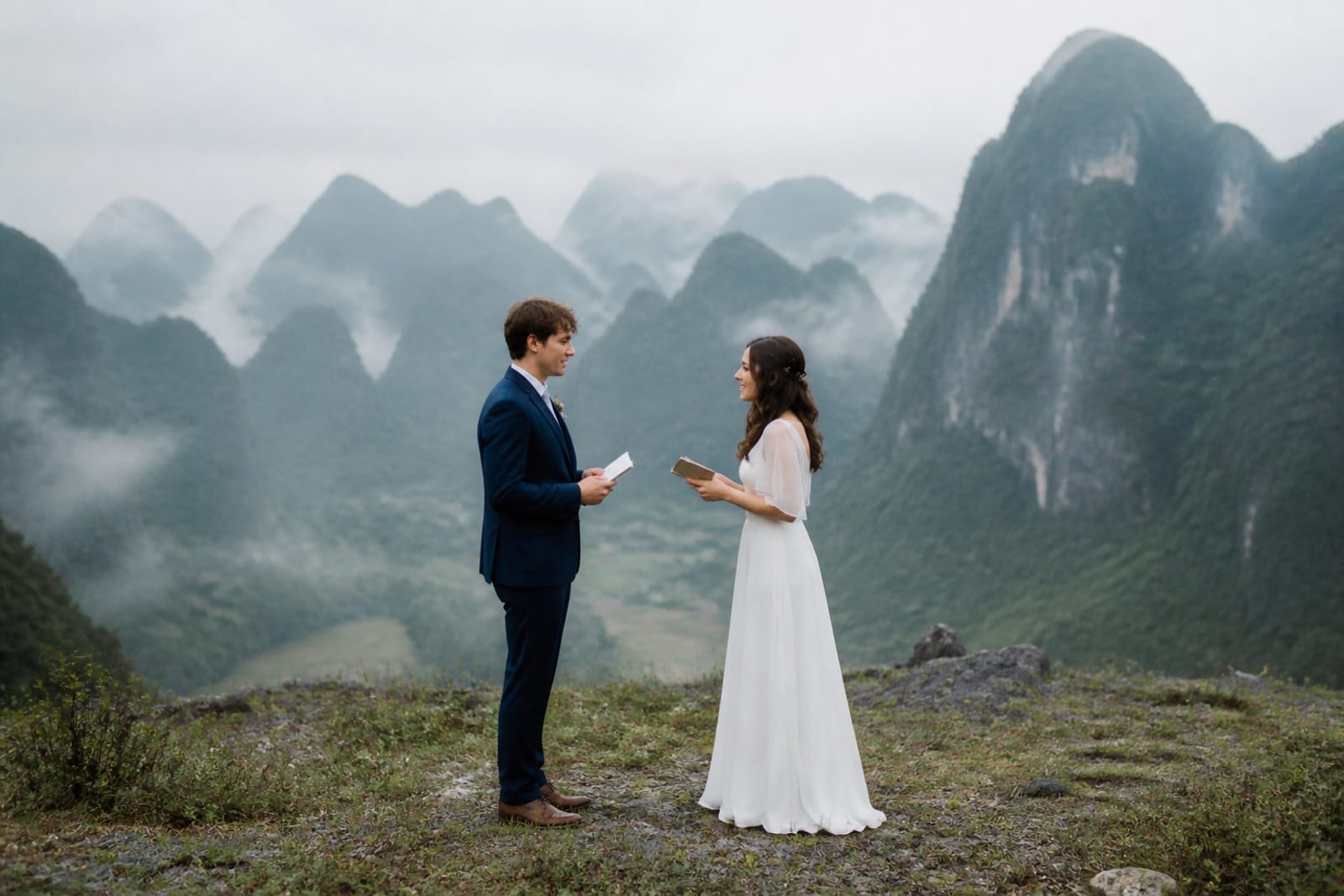
In Hanoi and surrounding regions (Dec–Feb), sunset arrives between 16:45–17:15 on clear days, placing golden hour roughly 16:15–17:15. Winter sun angle is shallow; golden hour light sits low and dramatic but lasts only 30–40 minutes. Grey, haze-laden days (common Dec–Jan) diffuse light so fully that golden hour becomes a softer, cooler mid-grey—flattering for skin but pale for fabric colour. This is why winter shoots need bright ao dai (red, gold, jewel tones) to pop. Northern valleys (Ninh Binh, Ha Giang) experience shorter golden windows because surrounding peaks block the sun earlier; plan shoots in open, high clearings and account for 15–20 minutes' additional loss. The compressed winter window rewards precision: book early enough to frame shots during peak warmth (16:50–17:05), not at the tail end. See how Cáo Studio times winter shoots in Hanoi.
---
How does summer shift the golden hour in Ho Chi Minh City?
May–Sep in Ho Chi Minh City, sunset lands between 18:40–19:00, pushing golden hour to approximately 18:00–19:00. Summer sun angle is nearly vertical in the tropics; golden hour light sits higher, casts shorter shadows and spreads across a longer arc (40–60 usable minutes). Humidity peaks May–Sep; haze and atmospheric moisture dampen saturation and reduce contrast. Afternoon showers arrive 14:00–16:00 most days; by golden hour (18:00+), skies usually clear and clouds glow pink-orange, creating dramatic backlit frames. The trade-off: you shoot later into the evening, risking heat exhaustion and makeup melt before session start. Arrive hydrated, reschedule makeup touch-up to 17:45 (15 minutes before golden hour), and pick shaded start locations (tree-lined streets, riverbanks under cover) to preserve makeup during setup. Cáo Studio's Ho Chi Minh City team schedules summer pre-wedding sessions to begin 17:30, allowing 30 minutes of setup before golden light hits.
---
What's the golden hour schedule for Hoi An year-round?
Hoi An (central coast, 15°N) occupies a sweet spot: sunset 17:30–18:30 year-round (tighter range than north or south). Golden hour runs 17:00–18:30 in winter, extending to 17:30–19:00 in summer—a 30–40 minute window that's longer and more predictable than the far north but still manageable. The ancient town itself benefits: low-rise lantern-lit buildings create natural reflectors; river light (Thu Bon) doubles as fill light during late sessions. Feb–Aug is driest and clearest; Sep–Dec brings afternoon cloud and occasional downpour (worst Oct–Nov), which can clear by 17:00 and yield spectacular moody skies. Book Hoi An shoots by appointment and ask about weather on your chosen date; the team travels from Hanoi or Saigon and times arrival to exploit golden hour fully. Hoi An's compressed, stable golden hour suits couples who want a tight, reliable schedule without chasing sunset across different zones.
---
Golden hour comparison table: choose by region and season
| Region | Season | Sunset time | Golden hour window | Light character | Best for |
|---|---|---|---|---|---|
| Hanoi & north | Dec–Feb | 16:45–17:15 | 16:15–17:15 | Low, dramatic, often grey or haze-soft | Bright ao dai, intimate close-ups; tight timing required |
| Hanoi & north | May–Sep | 18:30–19:00 | 18:00–19:00 | High, warm, longer arc; humidity softens contrast | Groups, flowing fabrics, candid movement; arrive early, hydrated |
| Hoi An & central | Year-round | 17:30–18:30 | 17:00–18:30 | Stable, balanced height; Feb–Aug clearest | Predictable scheduling; architecture, reflection shots; dry season best |
| HCMC & south | Dec–Apr | 17:00–17:30 | 16:30–17:30 | Low-angled, sharp; clear skies, saturated colour | Couple silhouettes, jewel-tone ao dai, shadow play |
| HCMC & south | May–Nov | 18:40–19:00 | 18:00–19:00 | High, long window; clouds glow pink if cleared from afternoon rain | Backlit drama, group shots; schedule makeup 17:45 to avoid heat |
Conclusion: book north in early winter for brevity and drama; book south/central in summer for length and flexibility; book Hoi An for stability year-round.
---
How do clouds, haze and pollution affect golden hour light in reality?
Clear skies yield saturated, warm gold and deep shadows—the "textbook" golden hour. In practice, Vietnam's dry season (Feb–Aug in central; Dec–Apr in south) produces clearer conditions; the haze that lingers Dec–Jan in the north (agricultural burn-off, industrial dust) dulls colour and flattens contrast into a soft, cool grey-gold. This is not bad—it's simply different. Grey-gold haze is gentler on skin tone and reduces harsh cheekbones/jaw definition, favouring soft, romantic ao dai styles. Conversely, post-rain skies (Sep–Dec in the centre, May–Nov in the south) often clear to brilliant blue-orange contrast by golden hour, creating vivid backlit halos. Humidity year-round in the south and central coast acts as a natural soft-focus filter; saturation drops 10–20% versus clear-sky north. Plan accordingly: if you're shooting in haze-season north, choose warm, deep ao dai colours (burgundy, gold, sapphire) that read richly even when desaturated; in clear south/central zones, pastels and jewel tones both work. Ask the Cáo Studio team on WhatsApp for a weather forecast the week before your shoot; they'll adjust timing 15–20 minutes and recommend outfit colour to suit actual conditions that day.
📸 Book on WhatsApp — pre-wedding photoshoot
---
Which season and region offers the longest, most predictable golden hour?
Summer (May–Sep) everywhere stretches golden hour 40–60 minutes; the south (HCMC) and central coast (Hoi An) extend it furthest. Hoi An year-round offers the tightest, most predictable window (30–40 min, same time daily) because low latitude and sheltered riverside setting create stable light. For reliability and length combined, choose: Hoi An, Feb–Aug (stable, clear, longest window) or HCMC May–Sep (60-minute window, dramatic clouds, later start allows afternoon flexibility). Avoid Hanoi Dec–Feb if you dislike time pressure; the 30-minute window and grey haze demand precise timing and bright ao dai. Couples who want unhurried movement and multiple outfit changes do better in summer-south or year-round Hoi An. Winter-north shoots suit intimate, fast-paced sessions (single ao dai, close-ups, minimal relocations). Discuss session length and outfit count with Cáo Studio when booking; they'll recommend the best season and time slot for your vision.
---
How should you prepare your makeup and outfit for golden hour light?
Golden hour's warm cast flattens cool undertones and deepens warm blush/bronzer; makeup designed for midday flash (high contrast, cool shadows) reads muddy and heavy. For golden hour, opt for matte, warm-toned makeup: peach or terracotta blush instead of cool pink, soft bronzer over sculpting, cream-warm highlight. Eyes: bronze or rust shadows pop more than cool plums; gold or warm brown eyeliner suits the light. Lips in warm coral, terracotta or brick read richer than cool berries. Ao dai with gold, jewel or warm-earth tones photograph most vividly; cool silvers and icy whites risk looking washed-out in haze or overly warm in clear skies. Layers and flowing fabrics catch side light beautifully; fitted styles demand precise posing to avoid unflattering shadows. Book makeup and hair at your hotel if you're shooting pre-wedding; let the makeup artist know your golden hour time and ao dai colour—they'll adjust undertones and intensity to suit the light and avoid re-dos on-location. Bring blotting papers and setting spray; even evening light warms the skin and melts makeup faster in the south and summer.
---
How do I check the exact golden hour time for my shoot date and location?
Use a free app or website: Time and Date (timeanddate.com) shows sunset by location and date; subtract 30–60 minutes to find golden hour start. The Photographer's Ephemeris or Sun Seeker (mobile apps) display the sun's path on a map, letting you visualize shadows and backlit angles in advance. Enter your shoot venue address (e.g. a Hanoi temple, Hoi An riverbank, HCMC park) and your date; note the sunset time. Add ±15 minutes for atmospheric haze or cloud lift/fall that day. Cloud cover and weather shift timing by 5–15 minutes; ask Cáo Studio the morning of your shoot for a live forecast and final confirmation. If booking an elopement or proposal package, confirm the exact golden hour window with the team on WhatsApp one week prior; they'll plan hair/makeup timing and location transitions to keep you shooting during peak light, not waiting for it to arrive.
---
What goes wrong if you book outside golden hour?
Booking too early (3–4 hours before sunset) places you in harsh midday or afternoon light: strong shadows under eyes and jawline, squinting, blown highlights on foreheads, flat colour on ao dai. Makeup oxidizes and creases; skin texture (pores, blemishes) reads harshly. Booking too late (after dusk, 19:30+) yields blue hour—moody and romantic but dim, requiring long exposures and high ISO that soften detail and introduce noise. Skin tone flattens to a cool, sometimes grey cast; ao dai loses colour vibrancy entirely, reading as silhouette only. Mixed timing (golden hour start + late finish) forces the photographer to change white balance mid-shoot, resulting in inconsistent colour grading across the album. The worst scenario: booking a 3-hour session 14:00–17:00 in summer Hanoi, only 30 usable minutes occur during golden hour (16:30–17:00); the rest is wasted setup and waiting. Avoid by booking a 90-minute session timed 90 minutes before your location's sunset, not arbitrary afternoon slots. Cáo Studio schedules all pre-wedding and couple shoots to align with golden hour windows; ask them to confirm your exact start time and sunset-relative timing when you book on WhatsApp.
---
What to check before you book a golden-hour shoot
- Venue address: confirm exact location (temple, park, riverbank, hotel rooftop) so sunset time is accurate for that spot, not city centre.
- Shoot date: check weather forecast 5–7 days out; if rain is likely, confirm a backup date or indoor alternative with Cáo Studio.
- Ao dai colour: discuss with the makeup artist how your chosen ao dai reads in warm light; adjustments to makeup undertone might be needed.
- Session length: if you want multiple outfit changes, book enough time to accommodate them within golden hour (not before or after).
- Mobility and terrain: confirm the venue is accessible for hair/makeup arrival; muddy or steep sites after rain reduce usable light further.
- Cloud cover: clear-sky golden hour differs visually from haze or post-rain cloud. Decide which you prefer and tell Cáo Studio; they'll advise if the forecast matches.
- Latest Sunset time: use Time and Date to confirm sunset for your actual date, not a generic monthly average—solstice-to-solstice shifts vary by ±20 minutes.
---
---
FAQ
What is golden hour and why does it matter for pre-wedding photos?
Golden hour is the 30–60 minute window before sunset when sunlight turns warm, soft orange and casts long, flattering shadows. It's prized because it minimizes harsh features (shadows under eyes, skin texture), warms skin tone naturally and makes fabric colours glow—ideal for ao dai, romantic couple poses and group shots. Midday and afternoon light is harsher and casts unflattering shadows; blue hour (after dusk) is moody but too dim for detail.
Does golden hour arrive at the same time every day in Vietnam?
No. Sunset time shifts 1–2 minutes daily (faster near equinoxes, slower near solstices) and can swing 60–90 minutes between winter solstice (late Dec, earliest sunset ~16:45 in Hanoi) and summer solstice (late Jun, latest sunset ~19:00 in Hanoi). Use Time and Date or Sun Seeker to check your exact date and location; never assume a "standard" time.
How should I adjust my ao dai colour for golden hour light?
Warm-toned ao dai (gold, jewel, terracotta, burgundy, sapphire) read richly and vibrant in golden hour. Cool silvers, icy whites and pale pastels risk looking washed-out in haze or overly yellow-warm in clear light. Discuss your chosen colour with Cáo Studio's makeup artist; they'll adjust makeup undertones (warm bronzer, peach blush, terracotta shadow) to harmonize and avoid clashing warm casts.
Should I book my pre-wedding shoot in winter or summer for better golden hour light?
Winter (Dec–Feb) in the north offers dramatic, low-angled light but a tight 30-minute window and often grey haze; suit it if you want intensity and fast pacing. Summer (May–Sep) everywhere extends golden hour 40–60 minutes, allowing relaxed movement and multiple outfits; suit it if you want flexibility. Hoi An year-round offers a balanced, predictable 30–40 minute window and clearest light Feb–Aug. Choose based on your session length and preferred light character, not month alone.
How early should I arrive at the shoot location before golden hour starts?
Arrive 60–90 minutes before sunset to allow time for hair/makeup touch-up, outfit changes, and venue orientation without rushing. If hair and makeup are done off-site (at your hotel), arrive 30–45 minutes early for final checks and a test shot. Cáo Studio will confirm your exact arrival time when you book; they account for travel time and venue walk-in delays.
What do I do if the weather forecast predicts clouds or rain on my golden hour shoot date?
Clouds that clear by golden hour (common after afternoon showers May–Dec) often yield dramatic pink-orange skies and soft light—sometimes better than clear skies. Clouds that persist usually dull colour and shorten the usable window by 10–20 minutes. Discuss a backup date or location (indoors, under cover, different venue) with Cáo Studio when booking; they're equipped to reschedule or adapt to live conditions the morning of your shoot.
FAQ
What is golden hour and why does it matter for pre-wedding photos?
Golden hour is the 30–60 minute window before sunset when sunlight turns warm, soft orange and casts long, flattering shadows. It's prized because it minimizes harsh features (shadows under eyes, skin texture), warms skin tone naturally and makes fabric colours glow—ideal for ao dai, romantic couple poses and group shots. Midday and afternoon light is harsher and casts unflattering shadows; blue hour (after dusk) is moody but too dim for detail.
Does golden hour arrive at the same time every day in Vietnam?
No. Sunset time shifts 1–2 minutes daily (faster near equinoxes, slower near solstices) and can swing 60–90 minutes between winter solstice (late Dec, earliest sunset ~16:45 in Hanoi) and summer solstice (late Jun, latest sunset ~19:00 in Hanoi). Use Time and Date or Sun Seeker to check your exact date and location; never assume a "standard" time.
How should I adjust my ao dai colour for golden hour light?
Warm-toned ao dai (gold, jewel, terracotta, burgundy, sapphire) read richly and vibrant in golden hour. Cool silvers, icy whites and pale pastels risk looking washed-out in haze or overly yellow-warm in clear light. Discuss your chosen colour with Cáo Studio's makeup artist; they'll adjust makeup undertones (warm bronzer, peach blush, terracotta shadow) to harmonize and avoid clashing warm casts.
Should I book my pre-wedding shoot in winter or summer for better golden hour light?
Winter (Dec–Feb) in the north offers dramatic, low-angled light but a tight 30-minute window and often grey haze; suit it if you want intensity and fast pacing. Summer (May–Sep) everywhere extends golden hour 40–60 minutes, allowing relaxed movement and multiple outfits; suit it if you want flexibility. Hoi An year-round offers a balanced, predictable 30–40 minute window and clearest light Feb–Aug. Choose based on your session length and preferred light character, not month alone.
How early should I arrive at the shoot location before golden hour starts?
Arrive 60–90 minutes before sunset to allow time for hair/makeup touch-up, outfit changes, and venue orientation without rushing. If hair and makeup are done off-site ([at your hotel](/makeup-and-hair)), arrive 30–45 minutes early for final checks and a test shot. Cáo Studio will confirm your exact arrival time when you book; they account for travel time and venue walk-in delays.
What do I do if the weather forecast predicts clouds or rain on my golden hour shoot date?
Clouds that clear by golden hour (common after afternoon showers May–Dec) often yield dramatic pink-orange skies and soft light—sometimes better than clear skies. Clouds that persist usually dull colour and shorten the usable window by 10–20 minutes. Discuss a backup date or location (indoors, under cover, different venue) with Cáo Studio when booking; they're equipped to reschedule or adapt to live conditions the morning of your shoot.
Ao dai, makeup, hair and a local photographer in Hanoi or Saigon — one WhatsApp message.