hanoi
Hanoi Coffee Shops with Vintage Decor: Best Spots for Photoshoots
Hanoi's vintage coffee culture thrives in hidden shophouses and restored colonial spaces. These aren't new Instagram traps—they're working cafés where locals sit for hours, where light falls through century-old window grilles, where every corner tells a story. For photoshoots (ao dai sessions, couple portraits, pre-wedding work), these venues are goldmines. But choosing one, timing your visit, and booking a photographer requires strategy. This guide shows you how.
Which Hanoi vintage coffee shops have the best light for photoshoots?
The best photo light happens 30–45 minutes after sunrise or 1–2 hours before sunset. In vintage coffee shops, that means soft, warm light through north-facing windows (no glare) and manageable shadows. Old Quarter shophouses (Hang Trong, Hang Dao, Ta Hien side streets) have narrow frontages: pick a corner table, frame the window grille and street view behind your subject. French Quarter cafés (around Pho Nha Chung, Tran Hung Dao) offer higher ceilings and softer diffusion. Choose spots where table lamps and Edison bulbs complement—not fight—natural light.
📸 Book on WhatsApp — ao dai photoshoot
What vintage coffee shop features photograph best?
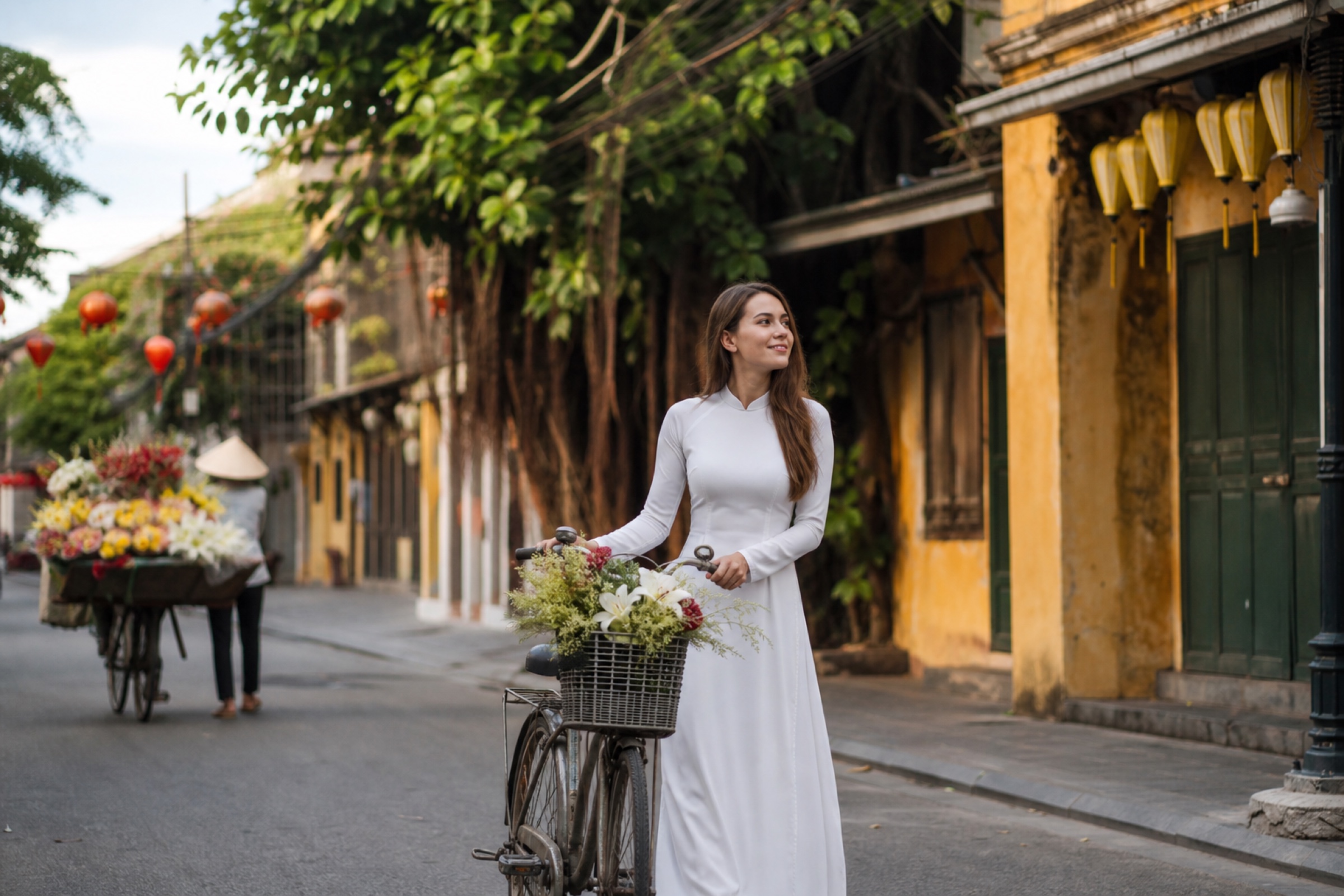
Exposed brick walls (faded red or ochre), wooden shutters with peeling paint, brass or copper fixtures, and low-hanging paper lanterns create visual depth. Arched doorways and colonial tile floors add architectural interest. Avoid shops with bright fluorescent overheads or mirrored walls—they flatten skin tones and create unwanted reflections. Look for venues with movable seating: you need freedom to reposition yourself or your photographer. Vintage coffee shops that let photographers work (not just paying customers) usually charge a small table minimum or ask for notice via WhatsApp. Always confirm the shop's policy before booking a session.
Should I hire a professional photographer for vintage coffee shop shoots?
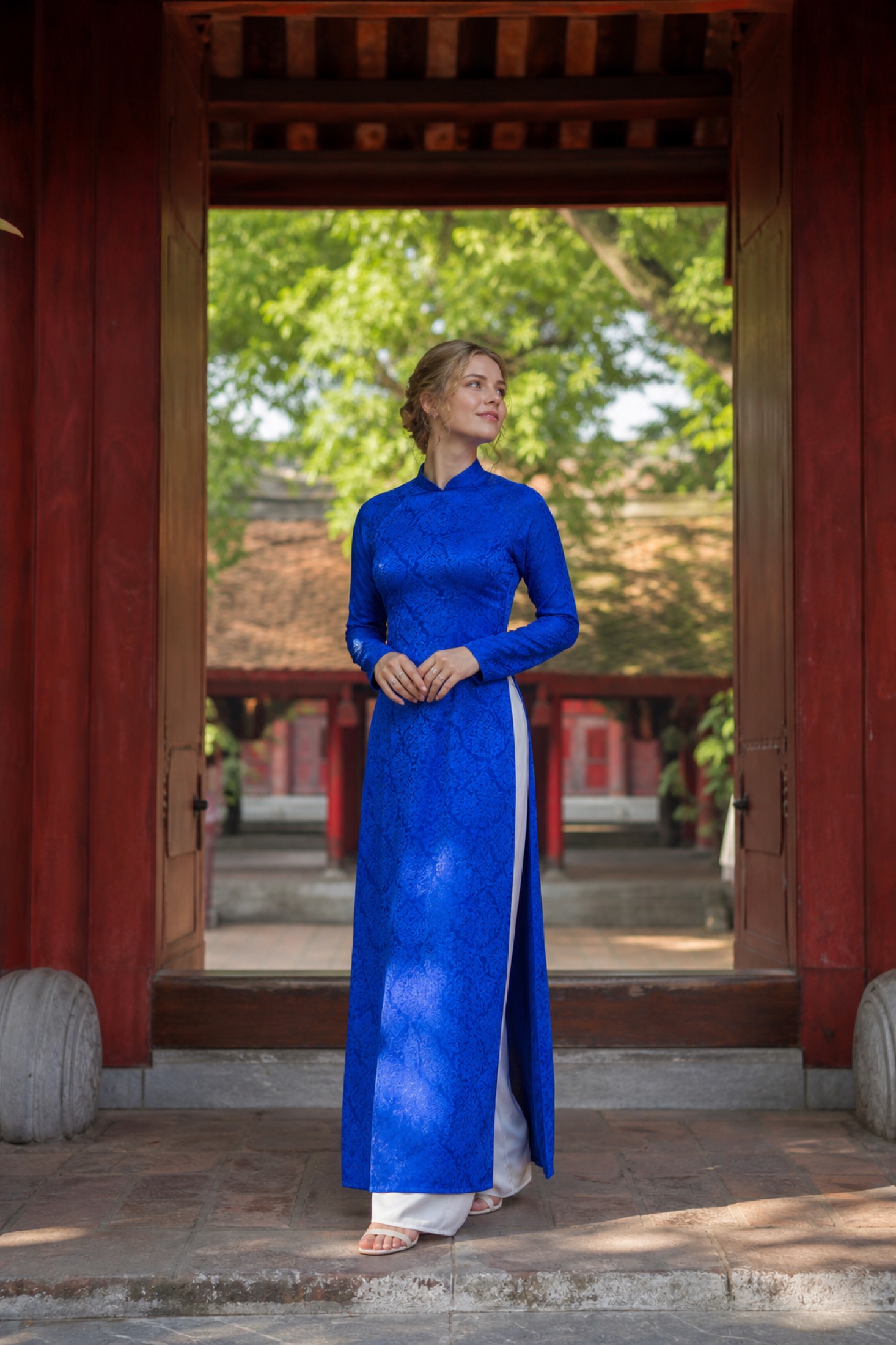
Yes, if you want prints worth framing. Here's why: natural light in old buildings is directional and moody—it needs a trained eye to expose faces correctly while keeping the background's character. Your phone camera will either blow out the window or bury your face in shadow. A professional (like the team at Cáo Studio – Makeup & Photoshoot) brings a reflector, off-camera flash if needed, and the skill to work with the available light, not against it. If you're shooting an ao dai photoshoot, the fabric's sheen and texture demand metered exposure. For couple & family sessions, one person can't frame both subjects and light simultaneously.
Cost: expect to budget for a 1-hour session (makeup included) rather than just coffee. See pricing & packages.
How do I compare vintage coffee shops by photoshoot readiness?
Use this checklist:
| Venue Factor | What to Check | Why It Matters |
|---|---|---|
| Light direction | North or west windows? (east/south = harsh midday glare) | Soft, flattering backlight for portraits |
| Table access | Can you move chairs? Is corner seating available? | Framing options & subject positioning |
| Background depth | Is there layering (foreground, subject, background)? | Prevents flat, boring composition |
| Noise level | Background chatter vs. quiet corners? | Audio quality if recording video; focus if shooting stills |
| Staff attitude | Do they allow photography? Tripods? Professional teams? | Avoid shops that ban cameras or charge surprise "media fees" |
| Power outlets | Available for lights, reflectors, phone charging? | Backup power for longer sessions |
| Booking policy | Walk-in, reservation, or photographer notification needed? | Avoid being turned away or rushed |
Best practice: visit the café at your proposed shoot time, order coffee, and scout light yourself. Take phone photos, note which tables work. Return with your photographer (or Cáo Studio's team) when conditions align.
What are the top vintage coffee shop neighborhoods for Hanoi photoshoots?
Old Quarter (Hoàn Kiếm): Hang Trong and Hang Dao streets host restored colonial shophouses, many converted to cafés. Narrow, winding alleyways create intimate framing. Foot traffic is heavy; shoot early (7–8 a.m.) or late (4–5 p.m.). These shops often require photographer notification but welcome professional teams.
French Quarter (Ba Đình/Tây Hồ): Quieter, wider streets; venues here often have larger windows and house courtyards. Pho Nha Chung area has several restored French villas with café operations. Easier parking and less crowding than the Old Quarter.
Hang Trong Street cluster: Purpose-built for vintage enthusiasts. Multiple cafés on the same block let you scout backup locations. Coordinate with a photographer for a half-day sweep (2–3 venues in one session).
Tran Phu (Ba Đình): Emerging vintage district with less tourist pressure. Fewer English-speaking staff, but richer local atmosphere and better negotiating room for photographer teams.
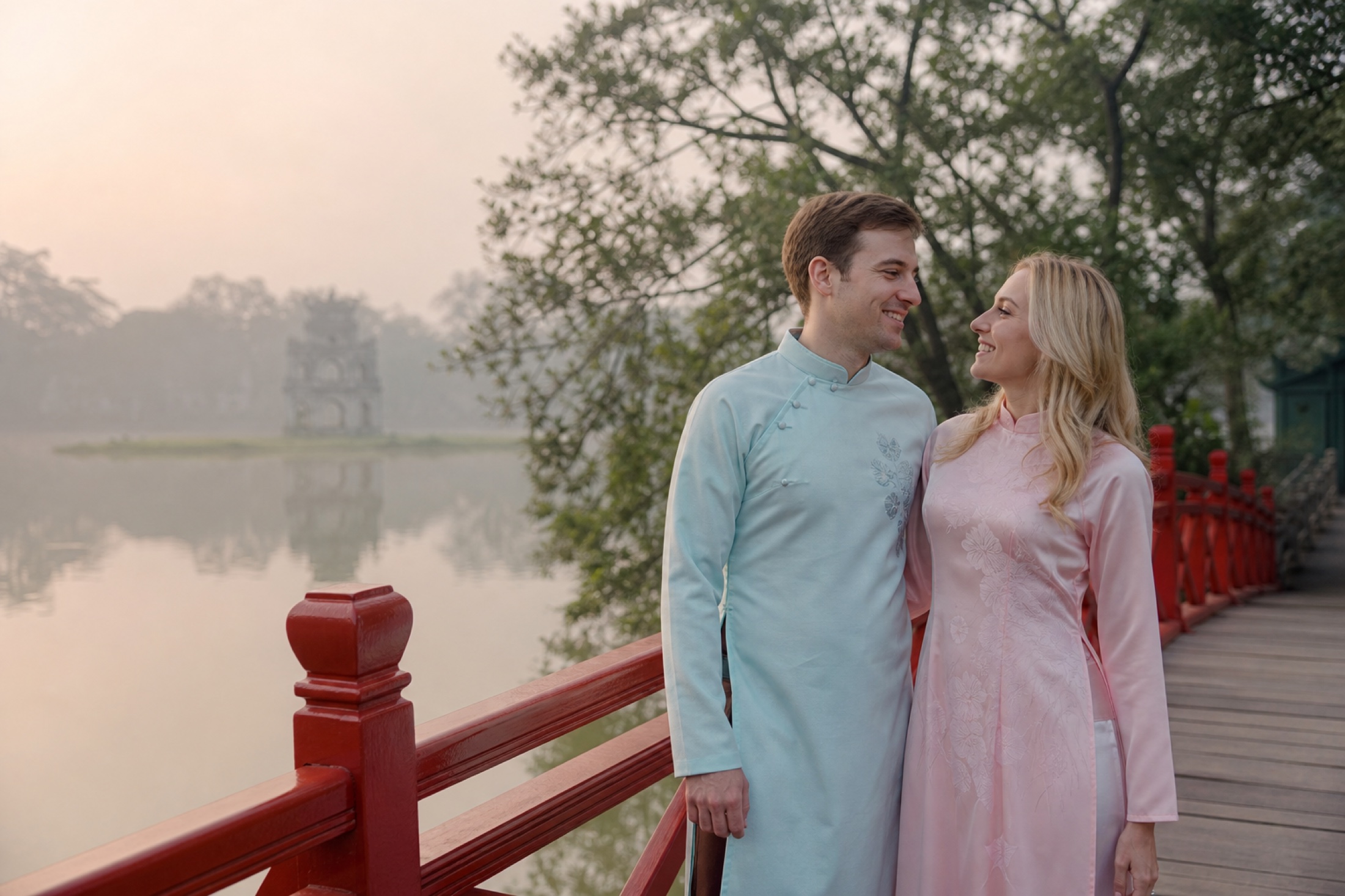
For shoots combining multiple venues, book a pre-wedding or elopement session—your photographer will manage timing and transitions between Old Quarter and French Quarter in a single shoot.
How do I book a professional photoshoot at a vintage coffee shop?
Step 1: Scout the venue yourself. Visit at your desired shoot time (morning golden hour = 6:30–8 a.m.; evening = 4:30–6 p.m.). Note lighting, best tables, backup corners.
Step 2: Ask the café owner's permission. Explain you're booking a professional session (1–2 hours), not just a casual couple of lattes. Most vintage cafés welcome this if you order drinks. Some may ask for a deposit or minimum spend (5–10 USD equivalent, typically).
Step 3: Contact Cáo Studio. Message on WhatsApp with your café name, preferred date, time, and session type (ao dai, couple & family, or pre-wedding). Include photos of the venue if possible. Cáo Studio's team will confirm availability, discuss lighting logistics, and arrange makeup & hair (on-site or at your hotel via makeup & hair service).
Step 4: Confirm venue access. Cáo Studio will re-confirm the café, alert them to arrival time, and arrange any special seating or furniture moves.
Step 5: Arrive early. Bring water, phone chargers, and wear what you'll shoot in (or bring a change). The team will do final light checks and frame your first shots.
What should I wear under an áo dài for vintage coffee shop shoots?
Áo dài worn indoors requires careful layering to avoid visible undergarments and ensure the silk drapes correctly.
- Undergarment: White or nude slip (knee-length, smooth, no visible seams). Avoid bras with padding or prominent straps.
- Pants: Traditional white silk pants (included with most áo dài rentals). If renting separately, confirm they're tailored—loose pants bunch when sitting.
- Shoes: Remove them for café shots (barefoot or fine stockings on chair); keep ballet flats or embroidered slippers in your bag for standing poses outside.
- Modesty: The áo dài's front slit runs mid-thigh; sitting requires gentle fabric arrangement so legs don't expose. Ask your photographer or Cáo Studio's stylist for posture tips during the shoot.
When is the best season for vintage coffee shop photoshoots in Hanoi?
October–November (autumn): Cool, dry mornings; light is crisp and golden. Humidity drops, so skin looks fresher. No rain interruptions.
December–February (winter): Coldest season (15–20°C). Misty mornings create diffused, romantic light. Fewer tourists; cafés are quieter. Wear a silk shawl or jacket over the áo dài.
March–April (spring): Warm, blooming jacaranda trees add color to street scenes. Morning fog clears by 8 a.m., leaving clean light. Humidity rising.
May–September (monsoon): Frequent afternoon rain. Mornings are your window (6–10 a.m.); afternoon light is flat and gray. Useful if you like moody, overcast tones—but plan for weather contingencies.
Best choice for vintage coffee shop work: October or November. Light is forgiving, crowds are manageable, and the café's warm interior feels even cozier against cool Hanoi air.
What's the honest truth about shooting in vintage coffee shops—and what could go wrong?
Lighting reality: Vintage cafés look moody, but underexposure is the biggest mistake. If you hire a photographer who doesn't use off-camera flash or reflectors skillfully, your photos will be muddy and face details lost. Cáo Studio's team brings backup lighting and knows how to merge it with ambient light so it doesn't look flash-heavy.
Timing pressure: Cafés expect table turnover. If you book a 1-hour session, you may feel rushed. Solution: book early (7–8 a.m.) or very late (5–6 p.m.) when coffee shops are slower. Pay a small deposit upfront, and the owner will hold the prime table for you.
Phone audio/video: If you're filming, phone microphones pick up café chatter. Bring a wireless lapel mic if narration matters, or resign yourself to subtitles.
Crowds: Old Quarter cafés attract tourists. Even early morning, cameras and phones multiply. If you need exclusivity, pay the owner a small "private venue" fee (5–15 USD), or book a weekday instead of Saturday.
Sitting for long: Vintage wooden chairs aren't padded. Wear soft, stretchy pants under the áo dài and take breaks between outfit changes.
Before finalizing your booking, confirm with Cáo Studio's team: they'll handle café communication, manage photographer logistics, and troubleshoot on the day.
---
What to Check Before You Book
- Venue email/phone: Provide it to Cáo Studio so the team can re-confirm 24 hours before.
- Shoot time: Lock in your session time (not a range). Arrive 15 minutes early.
- Outfit rental: If you need an áo dài, book it at least 1 week ahead. Cáo Studio can advise on rental shops or provide styling.
- Hair & makeup: Confirm whether you want on-site prep (at the café, extra 45 min) or hotel pickup.
- Backup plan: Ask about indoor alternative locations if weather turns. Cáo Studio has covered venues in reserve.
- Digital files timeline: Clarify when edited photos arrive (typically 7–14 days post-shoot). See FAQ for delivery details.
---
For a complete Hanoi photoshoot experience, compare ao dai sessions (cultural, solo or pair), couple & family shoots (milestone moments), and proposal or anniversary packages (intimate, planned surprises). Check the lookbook for real examples shot in Hanoi's vintage venues, and review pricing & packages to match your budget.
FAQ
Can I book a vintage coffee shop photoshoot without hiring a professional photographer?
Technically yes—but results will be inconsistent. Vintage lighting demands technical exposure control, reflector work, and posing direction. DIY phone photos rarely capture fabric texture (áo dài silk) or the café's atmospheric depth. Hire a professional; it's one-time cost for lasting prints.
Do I need permission from the café to bring a photographer?
Yes, always. Most cafés welcome professional shoots if you order drinks and give notice. Some charge a small deposit (2–5 USD). Contact Cáo Studio—they handle café communication and arrange any fees upfront so no surprises.
What if I don't own an áo dài? Can I rent one for the shoot?
Yes. Hanoi has rental shops in the Old Quarter and French Quarter. Cáo Studio's stylists can recommend trusted vendors or connect you with rental partners. Budget 3–5 days for fittings. Many photoshoot packages include styling consultation.
How many outfit changes should I plan for a 1-hour vintage coffee shop session?
Realistically, 1–2. Vintage cafés have limited changing facilities; each change eats 10–15 minutes. Ask your photographer (or Cáo Studio's team) to suggest poses that maximize mileage per outfit. Longer sessions (2–3 hours) allow 2–3 outfits comfortably.
What's the best time of day to shoot in a vintage café with moody indoor lighting?
Early morning (6:30–8 a.m., golden light through windows) or late afternoon (4:30–6 p.m., warm backlight). Midday noon light is harsh and unflattering. Evening after 6 p.m. requires artificial fill light—doable but less atmospheric.
Will my photos look good if it's cloudy or raining?
Cloudy is excellent—diffused light flatters skin and eliminates harsh shadows. Rain? Avoid shooting outdoors between cafés; indoors is fine if windows still offer soft ambient light. Cáo Studio has backup venues for weather emergencies; always discuss contingencies when booking.
FAQ
Can I book a vintage coffee shop photoshoot without hiring a professional photographer?
Technically yes—but results will be inconsistent. Vintage lighting demands technical exposure control, reflector work, and posing direction. DIY phone photos rarely capture fabric texture (áo dài silk) or the café's atmospheric depth. Hire a professional; it's one-time cost for lasting prints.
Do I need permission from the café to bring a photographer?
Yes, always. Most cafés welcome professional shoots if you order drinks and give notice. Some charge a small deposit (2–5 USD). Contact Cáo Studio—they handle café communication and arrange any fees upfront so no surprises.
What if I don't own an áo dài? Can I rent one for the shoot?
Yes. Hanoi has rental shops in the Old Quarter and French Quarter. Cáo Studio's stylists can recommend trusted vendors or connect you with rental partners. Budget 3–5 days for fittings. Many photoshoot packages include styling consultation.
How many outfit changes should I plan for a 1-hour vintage coffee shop session?
Realistically, 1–2. Vintage cafés have limited changing facilities; each change eats 10–15 minutes. Ask your photographer (or Cáo Studio's team) to suggest poses that maximize mileage per outfit. Longer sessions (2–3 hours) allow 2–3 outfits comfortably.
What's the best time of day to shoot in a vintage café with moody indoor lighting?
Early morning (6:30–8 a.m., golden light through windows) or late afternoon (4:30–6 p.m., warm backlight). Midday noon light is harsh and unflattering. Evening after 6 p.m. requires artificial fill light—doable but less atmospheric.
Will my photos look good if it's cloudy or raining?
Cloudy is excellent—diffused light flatters skin and eliminates harsh shadows. Rain? Avoid shooting outdoors between cafés; indoors is fine if windows still offer soft ambient light. Cáo Studio has backup venues for weather emergencies; always discuss contingencies when booking.
Ao dai, makeup, hair and a local photographer in Hanoi or Saigon — one WhatsApp message.