/pre-wedding-photoshoot
Hidden photo corners near An Bang Beach for couples
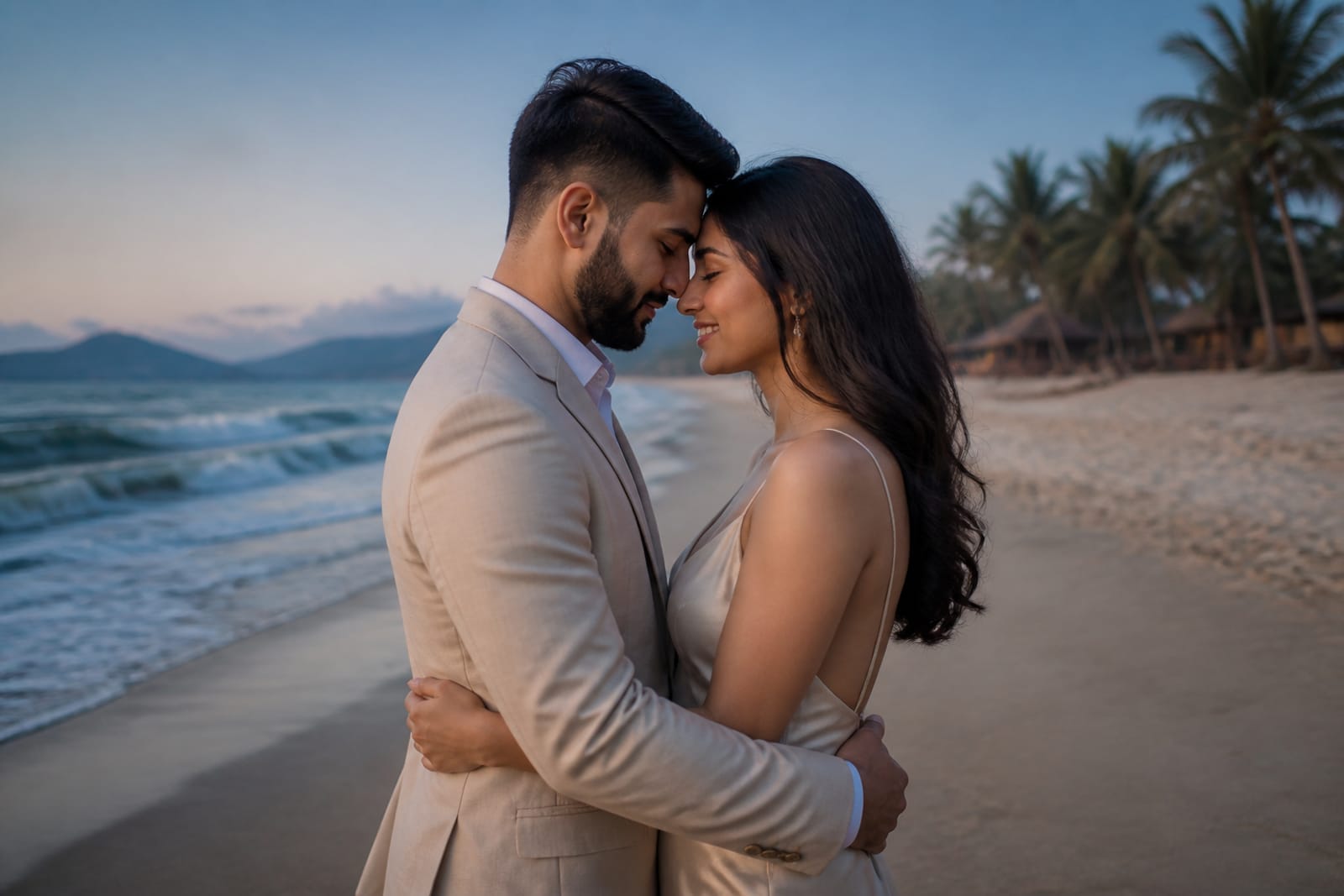
An Bang Beach near Hoi An offers calm, golden-hour light and quieter corners than the crowded Ancient Town—ideal for pre-wedding photoshoots where couples want natural, unposed frames. Best months are February to April (dry, mild, soft light) and May to August (sunrise-only shoots; midday heat peaks around 35°C+). The beach itself is public and free; hidden pockets include the northern end past local restaurants, fishing-boat clusters at sunrise, and adjacent rice paddies at dusk. Sessions run 1–2 hours with breaks for outfit changes; couples shoot barefoot or in minimal styling to avoid sand damage. Avoid October–November (typhoon season, flooding in the area) and midday glare (10 a.m.–3 p.m.). Cáo Studio – Makeup & Photoshoot books appointments in Hoi An by arrangement—ask on WhatsApp to confirm dates and light conditions. --- An Bang Beach has become a quieter alternative to Hoi An's packed Ancient Town, but the beach itself fills with families and vendors by late morning. The real magic lies in the edges: the northern curve where fishing communities work at dawn, the paddy fields one street back where light turns molten at dusk, and the narrow lanes lined with coconut palms that open to sudden water views. Couples often ask whether to hire a photographer or DIY with a tripod and phone. Both work here—but the decision hinges on what you want to keep, how much time you have, and whether you're also getting hair and makeup done. ---
Where are the quietest photo spots near An Bang?
The northern end of An Bang Beach, past the main restaurant zone, stays relatively clear until 8 a.m. Fishing boats are moored here and crews begin their morning routines—if you arrive by 5:30–6 a.m., you'll have soft, directional light and minimal foot traffic. The boats themselves create strong leading lines and texture. Around 200 meters inland, rice paddies back onto the beach zone; narrow paths between plots offer unexpected height changes and green-gold backdrops, especially April–May when crops are chest-high. The wooden-bridge area on Cam Thanh Road (north of An Bang) is less known to tourists—it's a working inlet with palms, water reflection, and morning mist if weather cooperates. These spots require walking in sandals or barefoot and are muddy after rain.
📸 Book on WhatsApp — pre-wedding photoshoot
---
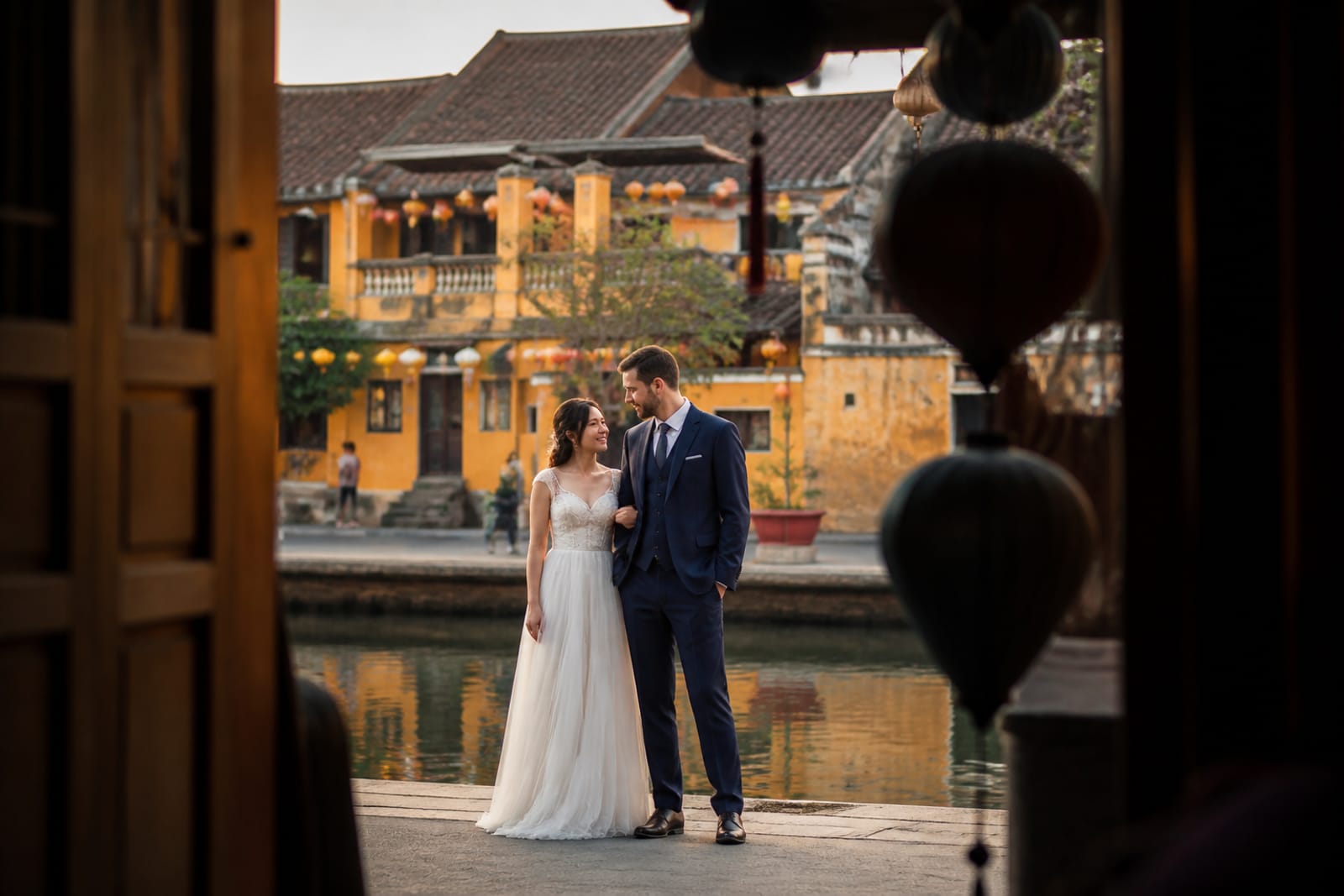
What is the best time of day and season for light?
| Timing | Best for | Light quality | Why it works |
|---|---|---|---|
| 5:30–7:00 a.m. (year-round) | All seasons | Soft, warm, directional, low angle | Minimal shadow, long leg lines, no glare; boats, palms backlit |
| 6:00–8:30 p.m. (Feb–Apr, Aug) | Couples, ao dai | Golden, diffused, overhead palms | Cool air, rice paddies glow; dusk lanterns in nearby town |
| 9:00 a.m.–3:00 p.m. (avoid always) | None | Harsh overhead, washed-out skin, blown sky | Sand reflects heat; couples squint; ao dai silk washes out |
| 4:00–6:00 p.m. (May–Aug only) | Heat-tolerant couples | Direct, very bright, risky | Heat stress; only works if you're in water; still requires sunrise start |
February–April is the sweet spot: dry, mild (20–28°C), and light is cooperative all day. May–August demands sunrise shoots; midday heat and UV make extended sessions unsafe and unflattering. September–December is rainy; October–November brings typhoons and flooding in low-lying paddy areas—avoid. December–January cools but often brings overcast skies and drizzle, flattening light.
---
Should we hire a photographer or go DIY with a tripod?
Hiring a photographer lets you focus on posing, outfit changes, and emotion. A pro knows where boats park, when light shifts, which paths avoid mud, and how to compose frames where ao dai fabric, water, and sky work together. They carry backup gear, adjust for unexpected weather, and you walk away with edited files. DIY with a tripod saves cost but trades time—setting up, framing, triggering the timer, resetting, moving the tripod, checking focus, and managing phone battery takes 2–3 hours for what a photographer does in 1. You also miss candid moments (walking, laughing, genuine connection) because you're often out of frame. A tripod and phone work well for still, posed shots; if you want documentary-style energy and reliable keepers, hire a professional.
Cáo Studio – Makeup & Photoshoot arranges Hoi An shoots by appointment—the team travels to An Bang and knows the tide, light windows, and which corners suit your style. Ask on WhatsApp for available dates and a consultation on outfit, timing, and any makeup or hair needs.
---
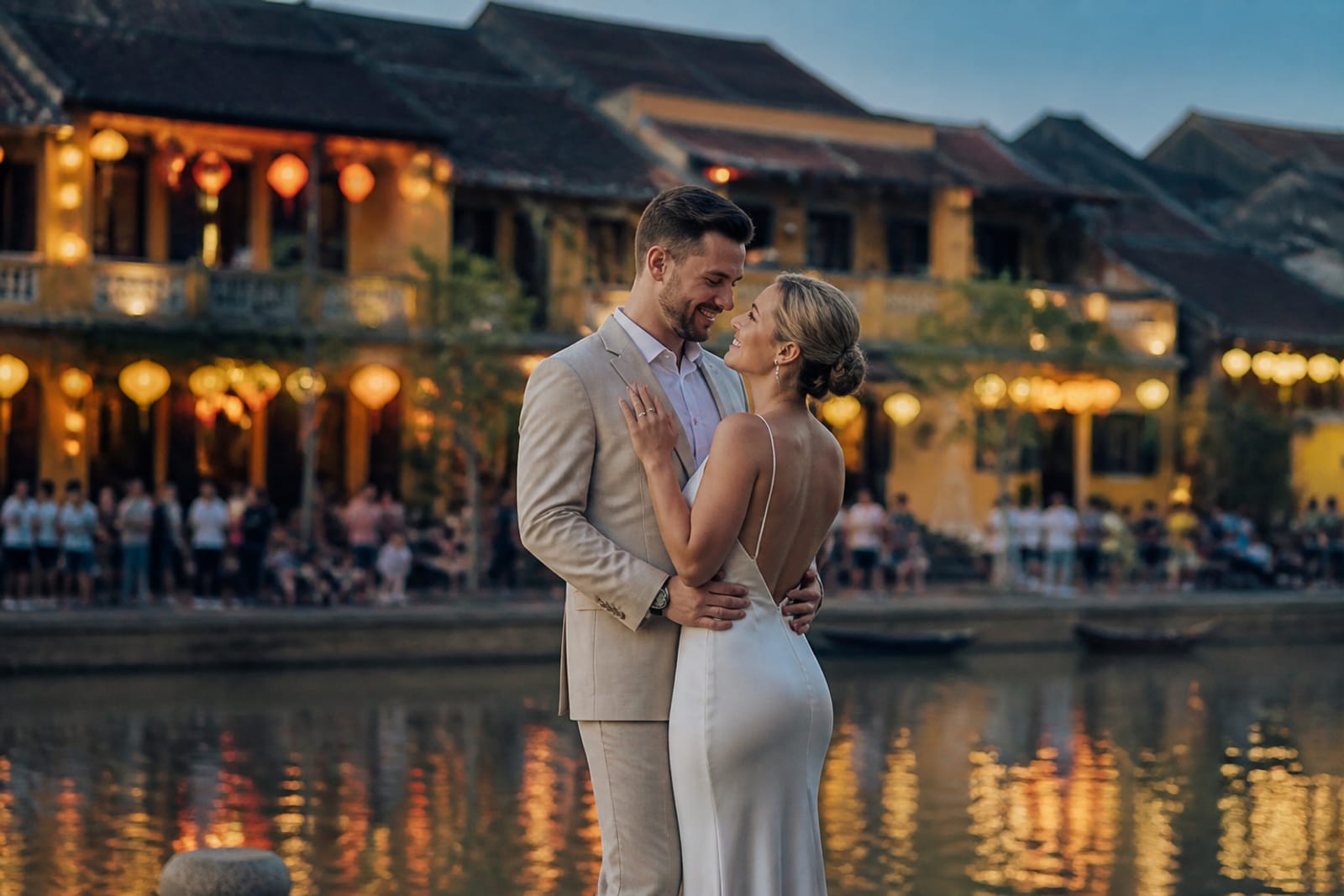
What should couples wear under and over an ao dai at the beach?
An ao dai at An Bang requires planning. The silk gets wet easily and stains in sand; wearing a slip underneath (white or neutral) means you can wade, sit, and move without flashing or showing underwear through wet fabric. Bring a thin, lightweight scarf or shawl to protect shoulders from sun and flying sand. If you're not wearing an ao dai, linen, cotton, or flowy fabrics suit the heat; avoid busy patterns that compete with water and sky. Shoes? Leave them. Barefoot looks natural here and protects fabric hems from sand abrasion. Bring a small bag for belongings and a dry cloth to wipe feet before heading back. If you're booking makeup and hair at your hotel before the shoot, waterproof makeup and a loose hairstyle (braid, bun) survive salt and wind better than tight sets.
For ao dai styling, consider a specialized ao dai rental in Hoi An—they know which weights and colors photograph best on beach and in paddy light, and can provide slip and alterations.
---
What are the real logistics and what goes wrong?
Sand gets into everything: camera sensors, hair, shoes, between toes, and ao dai hems. Bring a brush and zippered bag for electronics. Salt air and sand can damage camera lenses over time—if you're hiring a photographer, they manage this; if you're using your phone, back up photos immediately in case it shorts. Parking near the beach is free but fills by 7 a.m.; arrive early or use a taxi to Cam Thanh Road and walk in. Tides vary; at high tide (check local times), some paddy paths flood and boat access changes. Bring water, sunscreen (reapply after wading), and insect repellent (especially April–May); mosquitoes gather near water at dusk. If you're planning a morning shoot followed by breakfast or outfit changes, budget travel time between the beach, your hotel, and the paddy locations—it's 10–15 minutes by taxi depending on traffic. Weather surprises happen; if rain is forecast, confirm with your photographer whether the shoot moves or adapts (sunrise shoots in drizzle can look moody; midday storms mean postponement).
---
How much does a photoshoot here cost, and what should you check?
Pricing depends on session length, number of outfits, edited files delivered, and whether makeup/hair are included. Cáo Studio quotes are sent on WhatsApp—ask for a custom quote on the pricing page. Before booking, confirm:
- Dates available in Hoi An (the team travels; not every week)
- Session start time (sunrise = 5:30–6:00 a.m. or dusk = 6:00–7:30 p.m.?)
- Outfit changes (How many? Time to return to hotel or change on-site?)
- Edited files (How many? When delivered? Digital or printed album?)
- Makeup & hair (Included or add-on? Waterproof formulas?)
- Bad weather policy (Reschedule or refund? How many free reschedule days?)
Weather and tide tables are free; booking a full session (photographer + edited files) costs less per hour than renting camera equipment and learning to compose underwater light yourself. Check the FAQ for common pre-wedding questions, or message on WhatsApp with your specific vision—the team can assess whether An Bang suits your style and season.
---
An Bang Beach and its hidden corners work best for couples who want natural light, fewer crowds, and a sense of place. Morning shoots catch fishing-boat culture and paddies in their working rhythm. Sunset frames the town lights beyond the water. Either way, you're trading the postcard perfection of the Ancient Town for something quieter—and that's where real couple energy shows.
Book on WhatsApp — pre-wedding photoshoot | See more couple shoots | Hoi An appointments
---
FAQ
Is An Bang Beach better than the Hoi An Ancient Town for pre-wedding photos?
An Bang offers less crowding, natural light, and local texture (boats, paddies, palms) but fewer iconic landmarks. The Ancient Town suits couples who want lanterns, architecture, and cultural framing. Many couples do both: sunrise at An Bang for intimate frames, sunset in town for glamour. Ask us on WhatsApp to plan a split session.
What time should we arrive to avoid crowds?
Arrive by 5:30 a.m. for golden-hour light and solitude. By 7–8 a.m., families and vendors start setting up. If you prefer evening, aim for 6:00–7:30 p.m., but light fades fast after 7:45 p.m. depending on season.
Can we shoot in an ao dai at the beach without it getting ruined?
Yes, if you wear a slip underneath and avoid wading past knee-height. Sand and salt water stain silk; a light scarf protects the top. Rinse fabric gently in fresh water after the shoot. Consider renting from a Hoi An specialist who knows beach-safe weights and colors.
Do we need a permit to shoot at An Bang Beach?
An Bang is public; no permit is required for personal or professional photos. Local fishermen work early morning—be respectful if they're in your frame and offer a small thank-you if you're booking a longer session that uses their space.
How long does a typical session take, including travel time?
A one-location session runs 1–1.5 hours on-site. Add 30 minutes for travel to/from your hotel and parking, and 20–30 minutes if you're changing outfits. A full morning (e.g., beach sunrise + paddy fields) takes 3–4 hours with breaks.
What happens if it rains on the day of our shoot?
Light rain can look moody in sunrise photos; heavy rain means postponement. Confirm your photographer's rescheduling policy when you book—ask on WhatsApp whether you get free reschedule days and how far in advance weather decisions are made.
FAQ
Is An Bang Beach better than the Hoi An Ancient Town for pre-wedding photos?
An Bang offers less crowding, natural light, and local texture (boats, paddies, palms) but fewer iconic landmarks. The Ancient Town suits couples who want lanterns, architecture, and cultural framing. Many couples do both: sunrise at An Bang for intimate frames, sunset in town for glamour. Ask us on WhatsApp to plan a split session.
What time should we arrive to avoid crowds?
Arrive by 5:30 a.m. for golden-hour light and solitude. By 7–8 a.m., families and vendors start setting up. If you prefer evening, aim for 6:00–7:30 p.m., but light fades fast after 7:45 p.m. depending on season.
Can we shoot in an ao dai at the beach without it getting ruined?
Yes, if you wear a slip underneath and avoid wading past knee-height. Sand and salt water stain silk; a light scarf protects the top. Rinse fabric gently in fresh water after the shoot. Consider renting from a Hoi An specialist who knows beach-safe weights and colors.
Do we need a permit to shoot at An Bang Beach?
An Bang is public; no permit is required for personal or professional photos. Local fishermen work early morning—be respectful if they're in your frame and offer a small thank-you if you're booking a longer session that uses their space.
How long does a typical session take, including travel time?
A one-location session runs 1–1.5 hours on-site. Add 30 minutes for travel to/from your hotel and parking, and 20–30 minutes if you're changing outfits. A full morning (e.g., beach sunrise + paddy fields) takes 3–4 hours with breaks.
What happens if it rains on the day of our shoot?
Light rain can look moody in sunrise photos; heavy rain means postponement. Confirm your photographer's rescheduling policy when you book—ask on WhatsApp whether you get free reschedule days and how far in advance weather decisions are made.
Ao dai, makeup, hair and a local photographer in Hanoi or Saigon — one WhatsApp message.