/pre-wedding-photoshoot
Hidden photo corners near Hang Mua for couples
Hang Mua viewpoint sits atop a limestone karst in Ninh Binh (north-central Vietnam). The trek takes 45 minutes; the summit crowds peak 10:00–14:00. Rather than shoot there, couples work with local photographers or studios like Cáo Studio – Makeup & Photoshoot to access hidden corners: the rice-terrace base (best 05:30–07:00, golden light), the limestone cliff face west of the steps (09:00–11:00, soft shadow play), the temple entrance area (06:00–08:00, few crowds), the bamboo forest path below (07:00–09:00, dappled green), and a disused quarry zone (14:00–16:00, dramatic angles). Light quality and accessibility vary; season matters—March–May and September–November are coolest and driest. Outfit choice (ao dai, wedding dress, or casual) depends on terrain difficulty (flat vs. 250+ steps). Booking a guide-photographer hybrid (hired locally or pre-arranged through studios based in Hanoi or Ho Chi Minh City) costs less than traveling to Hoi An and ensures you avoid private-property disputes and know safe footing during rain.
Hang Mua draws couples for its panoramic views, but the 500-stone-step climb, ticket queues, and noon-hour crowds force photographers into tight schedules and repetitive angles. Stepping off the main path unlocks five distinct zones—each with its own light rhythm, safety profile, and seasonal fit. Understanding these corners and how to book access is the real planning work; this guide walks you through it.
Why shoot near Hang Mua instead of on the summit?
The viewpoint itself offers one angle: stairs, summit rock, distant valley. Couples waiting in line for that shot share the frame with 200+ tourists. The base and cliff-face zones adjacent to Hang Mua offer multiple compositions in far fewer crowds. Rice fields catch first light (05:30–07:00) before farmers enter. Temple zones stay quiet until 09:00. A photographer who knows the terrain can move you through four locations in one session, whereas summit-only shoots force retakes at slow, crowded moments. Local guide-photographers (hired on-site or pre-booked) often have permissions and safety knowledge that generic tourist photographers lack.
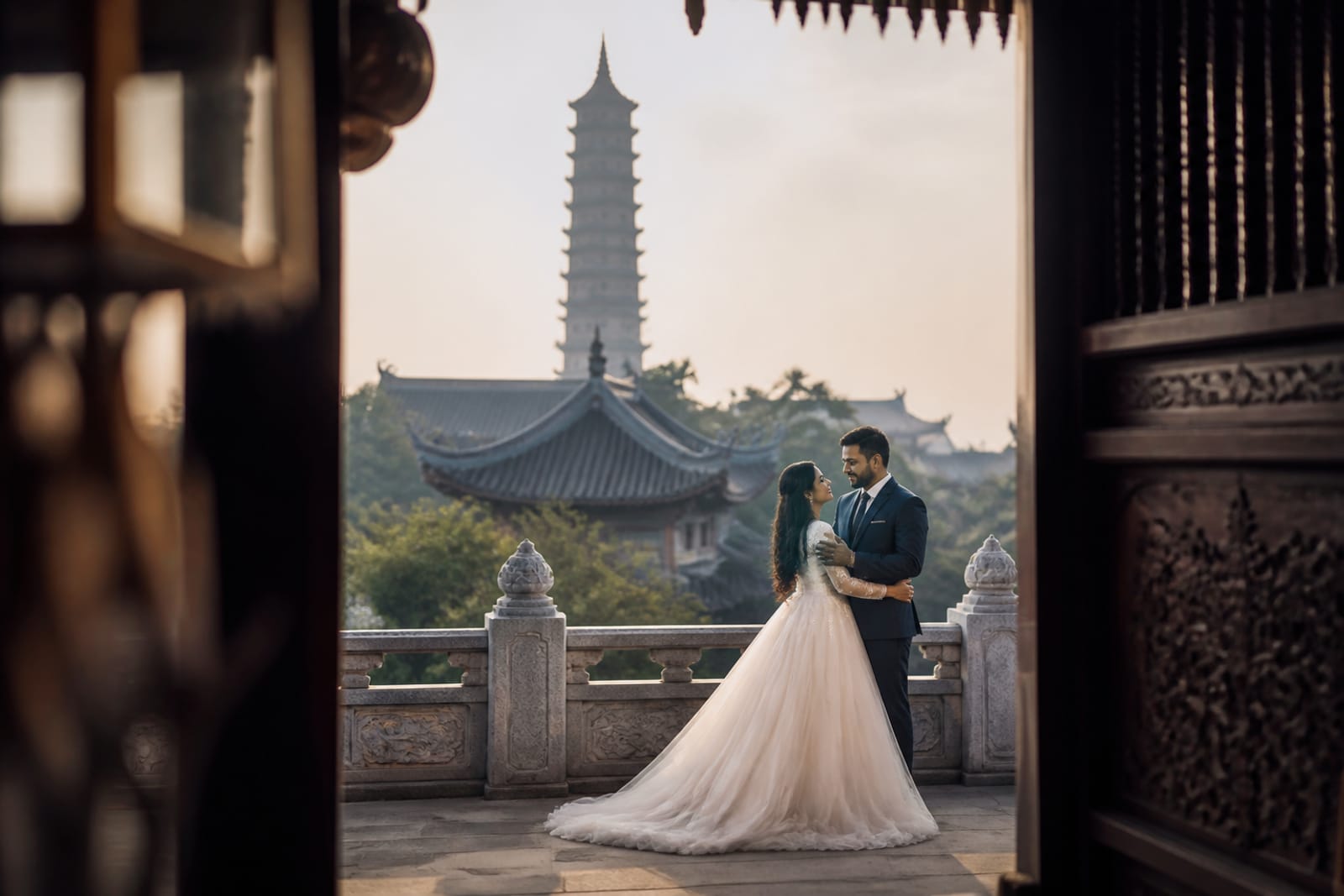
Which zone fits your outfit and comfort level?
| Zone | Best outfit | Walking demand | Light window | Why it works |
|---|---|---|---|---|
| Rice terrace (base) | Ao dai, casual dress | Flat, muddy | 05:30–07:00 | Golden backlight; mirrors and texture; soft shadows on skin |
| Limestone cliff face (west side) | Wedding dress (short train), ao dai | 250+ steps up, cliff edge exposure | 09:00–11:00 | Dramatic relief; soft north-facing shadow; intimate framing without crowds |
| Temple entrance | Ao dai, traditional dress | Gentle slope, temple etiquette required | 06:00–08:00 | Soft ambient light; sacred framing; locals grant access early |
| Bamboo forest (below path) | Casual, ao dai | Moderate, rooted ground | 07:00–09:00 | Dappled green; intimate scale; natural diffusion; no crowds |
| Disused quarry | Wedding dress, stylized casual | Flat, uneven rock | 14:00–16:00 | Geometric lines; side-light drama; isolation; avoid mid-sun glare |
Light quality shifts by 30 minutes per zone based on limestone reflection and valley orientation. The quarry (west-facing) works late afternoon; the terrace (east-facing) demands dawn. Temple and forest stay evenly lit longer because trees and stone provide diffusion.
How do seasons shape your shot timeline and outfit choice?
March–May (coolest, lowest humidity): The best window. Rice fields are green and water-logged; ao dai photographs crisply. Sunrise (05:30) is cool enough for sustained outdoor work. Typhoons are absent. Humidity under 70%. Wear layers; remove before shooting.
June–August (hot, pre-monsoon): Heat peaks by 10:00. Humidity 80%+. Makeup runs; sweat marks clothes. Morning shoots (05:00–08:00) are safer. Afternoon sessions risk heat exhaustion. Ao dai silk clings; wedding dresses become impractical. Casual outfits (linen, cotton) photograph better than formal wear.
September–November (rainy, typhoon season, Oct–Nov worst): Afternoon downpours close rural routes. Sunrise (06:00–07:30) is often clear; storms roll in by 13:00. Rock becomes slippery. Heeled shoes fail on wet limestone. Flat boots or sneakers are essential. Ao dai dries slowly; casual wear is pragmatic. October–November carry flood risk; check local conditions before booking.
December–February (cool, grey winter): Consistent cloud cover reduces shadows and is ideal for even skin tones. Sunrise is late (06:45). Rice fields are harvested (bare earth, stubble). Air is crisp; outfits hold shape. Humidity 60–70%. No rain risk, but grey skies reduce drama. Light is flat—rely on composition and positioning rather than backlighting.
Ninh Binh's second rice-crop cycle (September–October) brings a second golden-light window, though storm risk is highest then. Plan around the 7–14 day weather forecast, not the calendar.
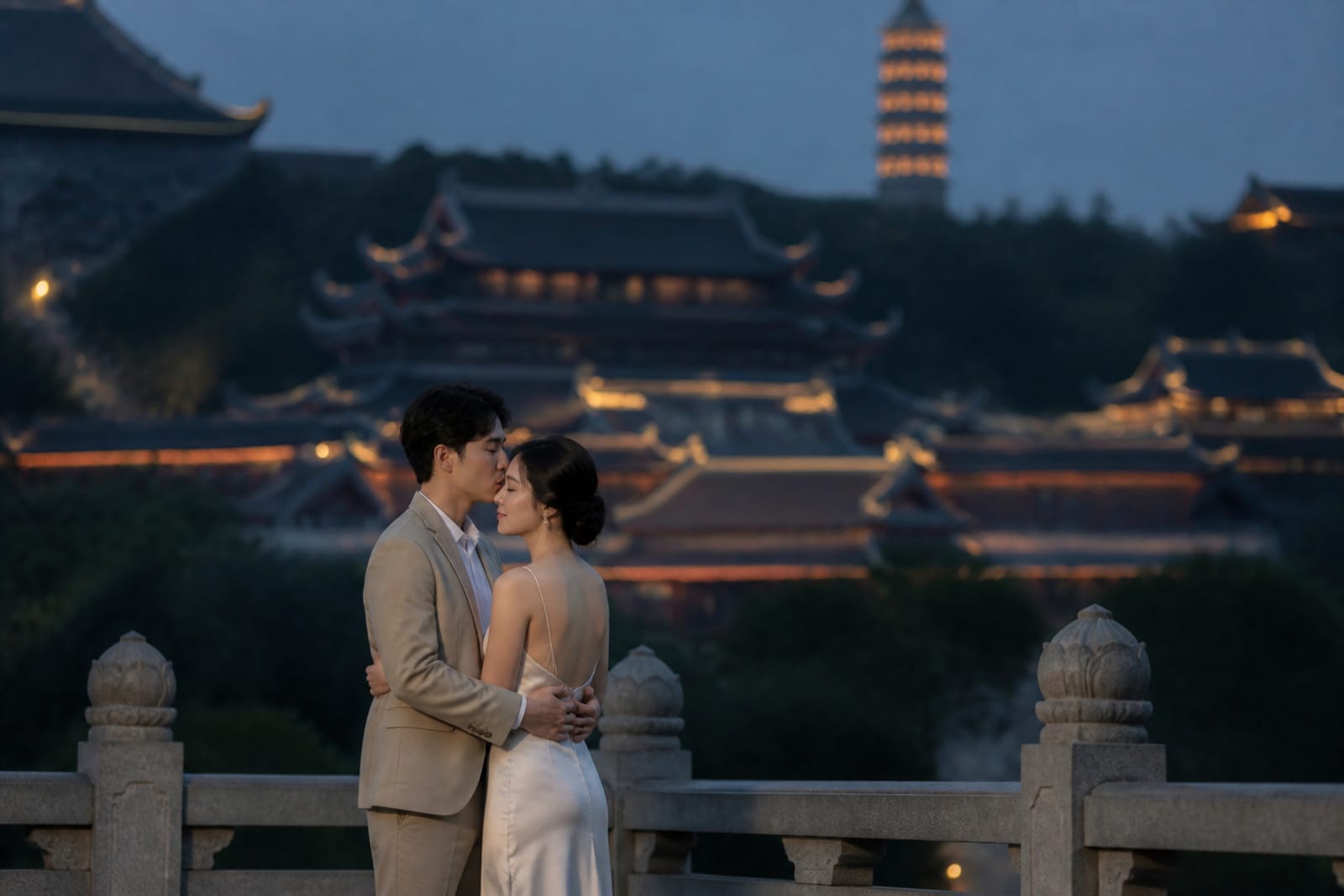
Who should you hire—local guide, tour company, or pre-booked studio?
Local guide + casual photographer: Cheapest option. Hire a guide on-site (ask at your hotel or tourism kiosk in Tam Coc town). Guides cost a fraction of studio rates and know private temple and farmer permissions. Bring a photographer (a travel companion or hire a freelancer who can take direction). Risk: image quality and styling are inconsistent; retakes are difficult if light shifts.
Tour company photographer: Some agencies (Ninh Binh-based) offer "couple photoshoot + guide" packages. Benefit: scheduled guide and photographer, no logistics haggling. Risk: groups rotate through the same zones; limited outfit changes; no makeup artist on-site. Suits couples seeking candid moments, not styled shoots.
Pre-booked studio (Cáo Studio – Makeup & Photoshoot, Hanoi-based): The studio coordinates Ninh Binh sessions by appointment. Includes makeup, styling, and guide logistics. Photographer travels from Hanoi (90 minutes); full hair and makeup service is available at your hotel or on-site. Risk: higher cost than local hire; less spontaneity. Suits: couples wanting polished, styled results and professional posing guidance. Booking happens via WhatsApp—ask availability and what's included (outfits, makeup, editing, file delivery).
Your takeaway: If you want a polished, magazine-style session with makeup and styling, book through Cáo Studio – Makeup & Photoshoot (Hanoi-based, serves Ninh Binh by appointment). If you're on a tight budget and comfortable with a casual, candid shoot, hire a local guide and bring a photographer friend.
How to scout and book safely without stepping on private land?
Scout on foot the day before (or book a local guide for a reconnaissance walk). The rice-terrace zone belongs to farmers; ask permission or hire a guide who has rapport. The temple entrance requires respectful dress and early arrival (before 07:00). The limestone cliff has loose rocks; test footing. The bamboo forest is private property; a guide obtains permission. The quarry is abandoned; locals sometimes object to filming there after certain hours.
Check weather and flood alerts 48 hours before. Ninh Binh rivers rise quickly in monsoon season. A guide monitors local news; a studio coordinates with guides who watch conditions daily.
Confirm parking and permits with your photographer or guide beforehand. Tourist vehicles park near the temple or Hang Mua base; if shooting at dawn, you need access keys or guide presence for gates.
Wear shoes with grip. Limestone is slippery when wet or dusty. Heels fail on stone; sneakers or flat boots work everywhere.
Bring water, sunscreen, and a light shawl. Golden-hour shoots mean UV exposure; noon heat is punishing. A shawl protects arms and skin tone between shots.
---
📸 Book on WhatsApp — pre-wedding photoshoot | 💄 Makeup & hair at your hotel | 🌸 See the lookbook
---
What to check before you book
- Season match: Confirm your travel dates align with your outfit choice (ao dai for cool months; casual for summer).
- Time commitment: Reserve at least 4 hours (travel to Ninh Binh + scouting + 2–3 locations + setup). Sunrise shoots require 05:00 start; be rested.
- Outfit logistics: If booking a studio like Cáo Studio – Makeup & Photoshoot, confirm whether outfits are included, rented, or brought by you. Ask about ao dai rental or dress preservation (wrinkles, water damage).
- Photographer experience: Ask if the photographer has shot Hang Mua or Ninh Binh before. Request a portfolio showing Ninh Binh light and terrain.
- Guide inclusion: Clarify whether a guide is included. If not, budget for hiring one locally (ask your hotel for referrals).
- File delivery: How many edited photos? When delivered? Cloud or USB? These details vary; confirm on WhatsApp.
- Backup plan: What if weather forces a reschedule? Can you shift dates or shoot indoors (hotel makeup + simple backdrop)?
---
If you're serious about a styled, professional session, Cáo Studio – Makeup & Photoshoot (Hanoi-based) coordinates Ninh Binh appointments via WhatsApp—ask for availability, inclusions, and what the timing looks like. For an informal, budget-friendly shoot, hire a local guide and a freelance photographer on-site; you'll get authentic, candid results at a lower cost. Either way, scout one day ahead, confirm permissions, and bring good shoes.
FAQ
Can we shoot at Hang Mua summit and the hidden corners in one session?
Technically yes, but it's rushed. The summit climb (45 min up, 30 min down) plus a 2-hour corner session leaves little time for makeup touch-ups or multiple outfits. Book a half-day (4+ hours) if you want both, or choose the corners and skip the crowds.
Is a guide mandatory, or can we find the zones on our own?
Guides aren't mandatory if you hike the Hang Mua area beforehand and research zones online. However, guides have farmer permissions (crucial for rice-field shoots) and know which areas are private. First-time visitors risk trespassing or missing good light windows; hiring a guide for one scout walk before your session is often worthwhile.
What's the safest season for a Ninh Binh shoot?
March–May. Humidity is lowest, light is golden, and rain is rare. Avoid October–November (typhoon and flood risk) and June–August (heat exhaustion risk for stylized outfits and makeup). December–February is safe but grey and cool; light is flat.
Do we need permits to photograph at temples or private quarries?
Temple zones require respectful dress and early arrival; no formal permit, but etiquette matters. Quarries and private farms need permission. Hiring a guide or booking through a studio (like Cáo Studio – Makeup & Photoshoot) handles permissions; ask about this when you inquire on WhatsApp.
Can we rent ao dai locally in Ninh Binh, or should we bring our own?
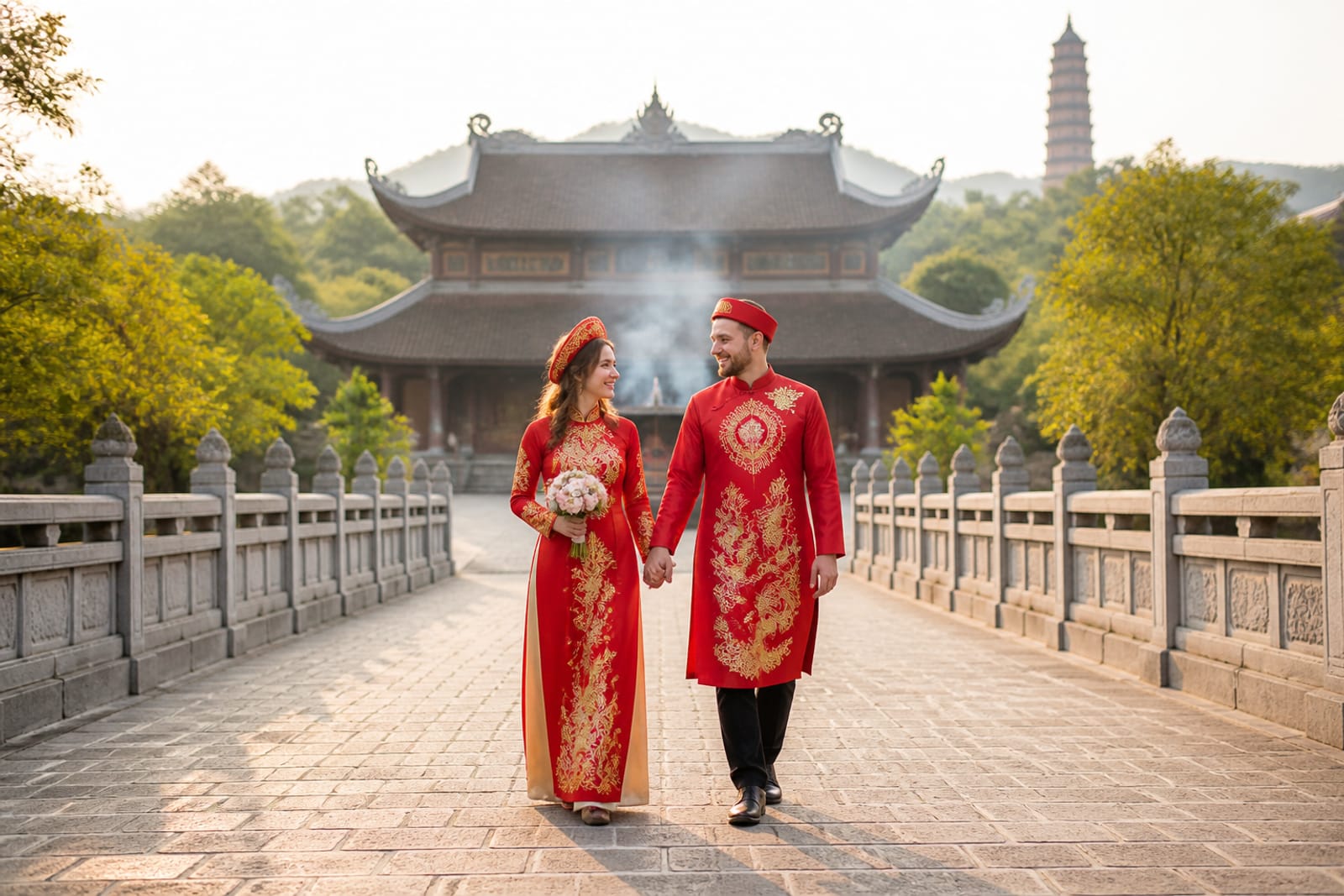
Rental shops exist in Tam Coc (town near Hang Mua), but selection is limited and quality is inconsistent. Many couples rent through Hanoi studios beforehand or bring their own. Cáo Studio – Makeup & Photoshoot offers ao dai rental and can coordinate pickup—confirm availability when you book.
How much should we budget for a guide + local photographer vs. a studio session?
Costs vary by season and location. Local guides cost less than studio rates. A studio includes makeup and styling; a local photographer often does not. Contact Cáo Studio – Makeup & Photoshoot on WhatsApp for a quote tailored to your dates and location.
FAQ
Can we shoot at Hang Mua summit and the hidden corners in one session?
Technically yes, but it's rushed. The summit climb (45 min up, 30 min down) plus a 2-hour corner session leaves little time for makeup touch-ups or multiple outfits. Book a half-day (4+ hours) if you want both, or choose the corners and skip the crowds.
Is a guide mandatory, or can we find the zones on our own?
Guides aren't mandatory if you hike the Hang Mua area beforehand and research zones online. However, guides have farmer permissions (crucial for rice-field shoots) and know which areas are private. First-time visitors risk trespassing or missing good light windows; hiring a guide for one scout walk before your session is often worthwhile.
What's the safest season for a Ninh Binh shoot?
March–May. Humidity is lowest, light is golden, and rain is rare. Avoid October–November (typhoon and flood risk) and June–August (heat exhaustion risk for stylized outfits and makeup). December–February is safe but grey and cool; light is flat.
Do we need permits to photograph at temples or private quarries?
Temple zones require respectful dress and early arrival; no formal permit, but etiquette matters. Quarries and private farms need permission. Hiring a guide or booking through a studio (like [Cáo Studio – Makeup & Photoshoot](/pre-wedding-photoshoot)) handles permissions; ask about this when you inquire on WhatsApp.
Can we rent ao dai locally in Ninh Binh, or should we bring our own?
Rental shops exist in Tam Coc (town near Hang Mua), but selection is limited and quality is inconsistent. Many couples rent through Hanoi studios beforehand or bring their own. [Cáo Studio – Makeup & Photoshoot](/pre-wedding-photoshoot) offers [ao dai rental](/ao-dai-rental) and can coordinate pickup—confirm availability when you book.
How much should we budget for a guide + local photographer vs. a studio session?
Costs vary by season and location. Local guides cost less than studio rates. A studio includes makeup and styling; a local photographer often does not. Contact [Cáo Studio – Makeup & Photoshoot](/pre-wedding-photoshoot) on WhatsApp for a quote tailored to your dates and location.
Ao dai, makeup, hair and a local photographer in Hanoi or Saigon — one WhatsApp message.