services/ao-dai-photoshoot
How an Ao Dai Should Fit: Guide to Buying the Right Silhouette
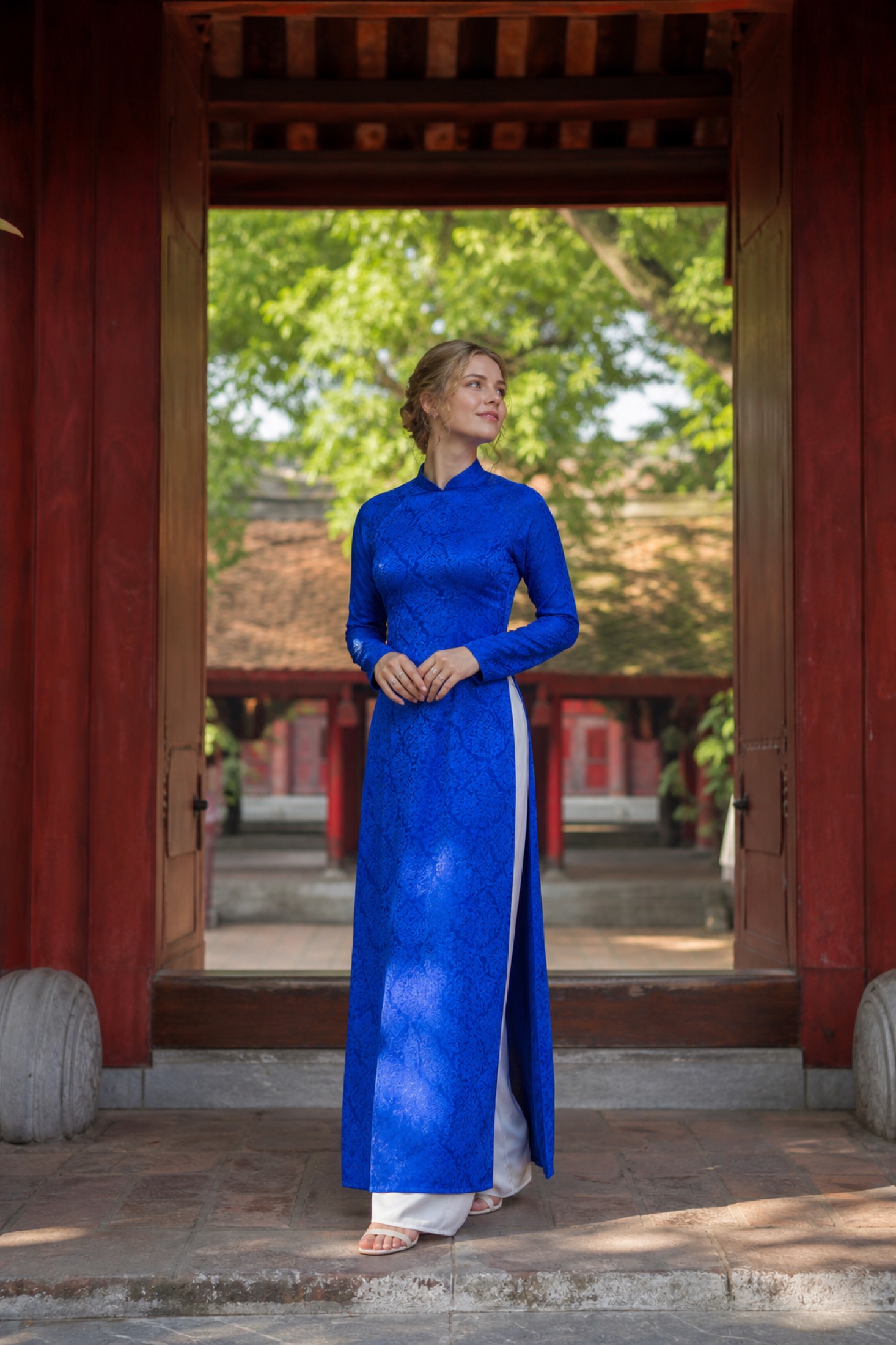
An ao dai should drape smoothly from your shoulders to your ankles, with no pulling across the bust, gentle tapering at the waist, and straight-hanging side slits that reach mid-thigh. The neckline sits close to your collarbone and the sleeves end at your wrist bone. At Cáo Studio – Makeup & Photoshoot in Hanoi and Saigon, we help clients rent or commission pieces that fit these marks before their photoshoot.
What does "proper fit" actually mean?
A well-fitting ao dai lets you move, breathe, and sit without strain. The tunic layer (áo) should skim—not cling to—your bust and ribs. The back panel drapes straight; the front two panels curve gently inward at the waist. Side slits open cleanly and hang vertically. Your pants (quần) sit at your natural waist and taper to your ankle without gathering. If anything pulls, bunches, or rides up when you sit, the fit is off.
📸 Book on WhatsApp — ao dai photoshoot
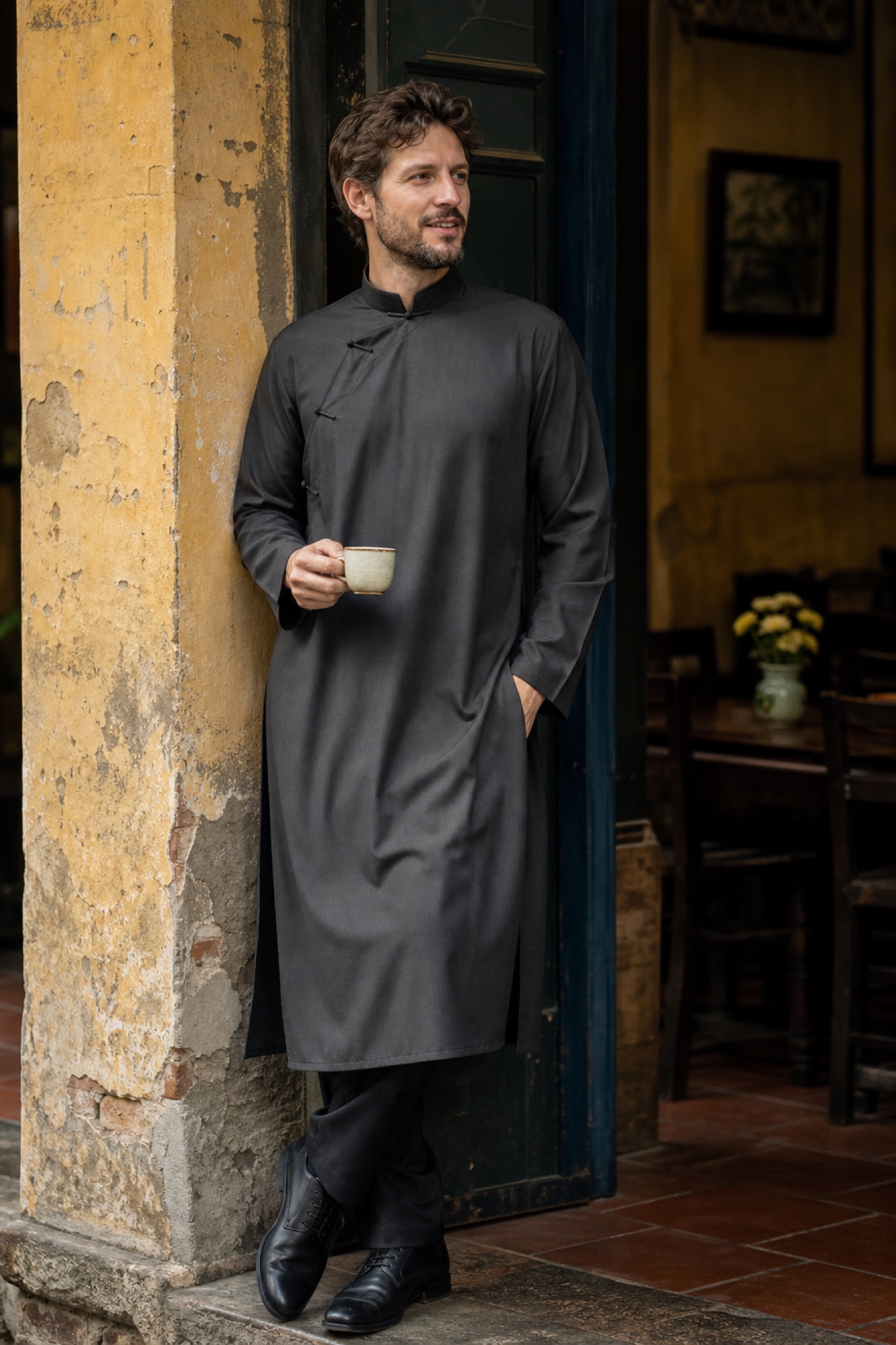
The five fit zones: where to measure first
Before ordering or renting, measure yourself at these points and compare against the seller's size chart.
Shoulder width – Measure across your back from bone to bone (not your shoulder meat). Your ao dai's shoulder seam should align here or sit ½ inch inward. An oversized shoulder makes the whole piece sag.
Bust – Measure around the fullest part. The tunic's bust panel should rest without pulling; if it gaps, the piece is too large. If it stretches the fabric or restricts breathing, it's too small.
Waist and hip – Measure your natural waist (the narrowest point) and hip (around the fullest part of your seat). The ao dai's waist seam should sit at your natural waist; the hip panel should skim without clinging. A 2–3 inch difference between waist and hip is normal and flatters.
Sleeve length – From your shoulder point to your wrist bone. The sleeve should end at the bone, not cover your hand or leave a gap.
Length – From your shoulder to your ankle bone. The ao dai should reach your ankle without a gap; pooling fabric at the hem ruins photos. Pants should end at your ankle bone and sit at your natural waist.
Fit by body type: which ao dai cut suits you?
Different silhouettes flatter different frames. Here's how to choose:
| Body Type | Best Ao Dai Cut | Why It Works | What to Check |
|---|---|---|---|
| Petite (under 5'2") | Fitted, high-waisted tunic; tapered pants | Shortens the visual drop; waist emphasis draws eye upward | Sleeve length; ensure hem hits ankle, not pool |
| Curvy (bust and hip ≥4" apart) | Gentle A-line tunic; mid-thigh slit | Skims without clinging; slit elongates leg | Waist seam sits snug; no pulling across bust |
| Athletic (straight torso) | Structured tunic with seaming; slight flare | Seams create definition; flare adds shape | Neckline sits flush; underarm seams are smooth |
| Tall (over 5'9") | Long, flowing tunic; wider slit | Proportions support elongation; slit emphasizes height | Verify total length; sleeves don't bunch at wrist |
When you book an ao dai photoshoot with Cáo Studio, ask the team to help you choose a rental from our collection—or we'll guide you on what to commission if you're buying.

Common fit mistakes and how to avoid them
Tunic too tight across the bust. The fabric pulls, wrinkles appear in photos, and you can't breathe during a 2–3 hour shoot. Measure your bust (with the bra you'll wear under the ao dai) and compare to the seller's chart. If you're between sizes, size up; the waist seam will taper the silhouette.
Sleeves too short or too long. Short sleeves expose your wrist; long ones bunch at your hand. They distract in photos and feel constricting. Always measure from your shoulder point to your wrist bone and ask the seller for exact sleeve measurements, not just "size M."
Pants bunching at the ankle. Oversized pants pool; undersized ones restrict movement. Your pants should taper to your ankle bone with a clean line. If renting, ask the studio whether alterations (hemming, tapering) are included or cost extra.
Neckline gaping or too tight. A gaping neckline lets the tunic shift during poses. A tight one restricts your neck and shows in close-ups. The neckline should sit snug to your collarbone without cutting off circulation.
Slit positioning. The slit should open from mid-thigh down and hang vertically when you stand. If it's too high, it's revealing; too low, it doesn't allow movement. When you sit or pose, it should stay in place, not twist open.
Renting vs. buying: which fit choice is right for you?
Renting an ao dai (from a studio or rental shop):
- Who it's for: Travelers on a single trip; people who want a curated, professionally-fitted piece.
- Fit advantage: Rental studios (like ours in Hanoi and Saigon) have a range of sizes and can suggest styles suited to your body. You try it on or they measure you over video before delivery.
- What to check: Ask whether the rental includes basic alterations (hemming, taking in the waist seam). Confirm fit by photo or video call before the shoot day. Ask for a spare tunic or quick-fix kit on shoot day in case of wrinkles or minor gaps.
Buying a custom ao dai (commissioned from a tailor):
- Who it's for: People who plan multiple wears (photoshoots, events, keepsakes) or have very specific measurements that don't fit standard sizes.
- Fit advantage: A tailor makes the piece to your exact measurements. You get fittings mid-construction; adjustments are free until delivery.
- What to check: Provide honest measurements (bust, waist, hip, sleeve, length) and a photo of your ideal silhouette. Attend fittings in person if possible (tailors in Hanoi, Hoi An, and Saigon offer this). Confirm waist and hip seams; these are hardest to alter later.
Buying ready-made from an online retailer:
- Who it's for: Budget-conscious buyers who understand sizing risk or wear a standard size that fits most charts.
- Fit advantage: Quick delivery (US orders ship in 5–10 days, free over $35).
- What to check: Compare your measurements against the seller's size chart—not letter sizes (S, M, L). Read reviews mentioning fit specifically ("bust was 2 inches too large"). Allow time for tailoring if needed; US tailors charge $30–80 for hemming or waist adjustments.
What to check before you order or rent
Use this checklist to ensure your ao dai fits before commit:
- [ ] Measure yourself at five zones (shoulder, bust, waist, hip, sleeve, length) wearing the bra you'll use under the ao dai.
- [ ] Compare your measurements to the seller's or rental studio's size chart. If between sizes, ask which direction they size (up or down).
- [ ] If renting, ask for fit confirmation by photo or video call 3–5 days before your session.
- [ ] If buying, check the return window. Can you return or exchange if the fit is off? (Cáo Studio provides a 30-day smile guarantee on our physical services; online retailers vary.)
- [ ] If custom-commissioning, ask when fittings happen and how many are included.
- [ ] Clarify alterations: Does the price include hemming, tapering, or waist adjustments? If not, what's the extra cost?
- [ ] On shoot day, arrive 15–30 minutes early to let the studio or photographer check the fit and make micro-adjustments if needed.
---
Ready to book your ao dai photoshoot? Contact us on WhatsApp to discuss rental options, styling, and fit. Or visit our pricing page for package details. See our lookbook for inspiration, or explore our Hanoi and Saigon studios. Not sure if ao dai is your style? We also offer couple & family photoshoots and pre-wedding sessions in traditional dress or modern attire.
FAQ
Can I wear a bra under an ao dai?
Yes. Wear a supportive, seamless or nude bra in a smaller cup size than usual (the tunic's inner lining adds volume). Avoid bright colors; they show through light fabrics. Ask your rental studio or tailor to account for the bra when measuring your bust.
What if the ao dai fits my bust but gaps at the waist?
The waist seam can be taken in by a tailor for $15–30, depending on how much adjustment is needed. If renting, ask the studio if in-house tailoring is included. If buying, have alterations done before your first wear.
Should an ao dai be tight or loose?
Neither. It should skim your body—snug enough to show your silhouette but loose enough to breathe and sit comfortably. You should move your arms freely and sit without the tunic riding up.
How long does hemming an ao dai take?
A simple hem takes 5–7 days if the tailor has your piece in hand. Rush alterations (24–48 hours) cost extra. For photoshoots, plan alterations 2–3 weeks in advance or use a studio rental that includes fit adjustments.
Can I wear shoes under an ao dai, and does that change the fit?
Yes, wear flat sandals, embroidered slip-ons, or heels (for ceremonies; for photos, flats are easier). Heels add ½–3 inches to your height, so if the ao dai is hemmed while you wear flats, it may ride up slightly in heels. Let your tailor know your planned shoe height when hemming.
FAQ
Can I wear a bra under an ao dai?
Yes. Wear a supportive, seamless or nude bra in a smaller cup size than usual (the tunic's inner lining adds volume). Avoid bright colors; they show through light fabrics. Ask your rental studio or tailor to account for the bra when measuring your bust.
What if the ao dai fits my bust but gaps at the waist?
The waist seam can be taken in by a tailor for $15–30, depending on how much adjustment is needed. If renting, ask the studio if in-house tailoring is included. If buying, have alterations done before your first wear.
Should an ao dai be tight or loose?
Neither. It should skim your body—snug enough to show your silhouette but loose enough to breathe and sit comfortably. You should move your arms freely and sit without the tunic riding up.
How long does hemming an ao dai take?
A simple hem takes 5–7 days if the tailor has your piece in hand. Rush alterations (24–48 hours) cost extra. For photoshoots, plan alterations 2–3 weeks in advance or use a studio rental that includes fit adjustments.
Can I wear shoes under an ao dai, and does that change the fit?
Yes, wear flat sandals, embroidered slip-ons, or heels (for ceremonies; for photos, flats are easier). Heels add ½–3 inches to your height, so if the ao dai is hemmed while you wear flats, it may ride up slightly in heels. Let your tailor know your planned shoe height when hemming.
Ao dai, makeup, hair and a local photographer in Hanoi or Saigon — one WhatsApp message.