/pre-wedding-photoshoot
My Son Sanctuary photoshoot: transport, timing and logistics guide
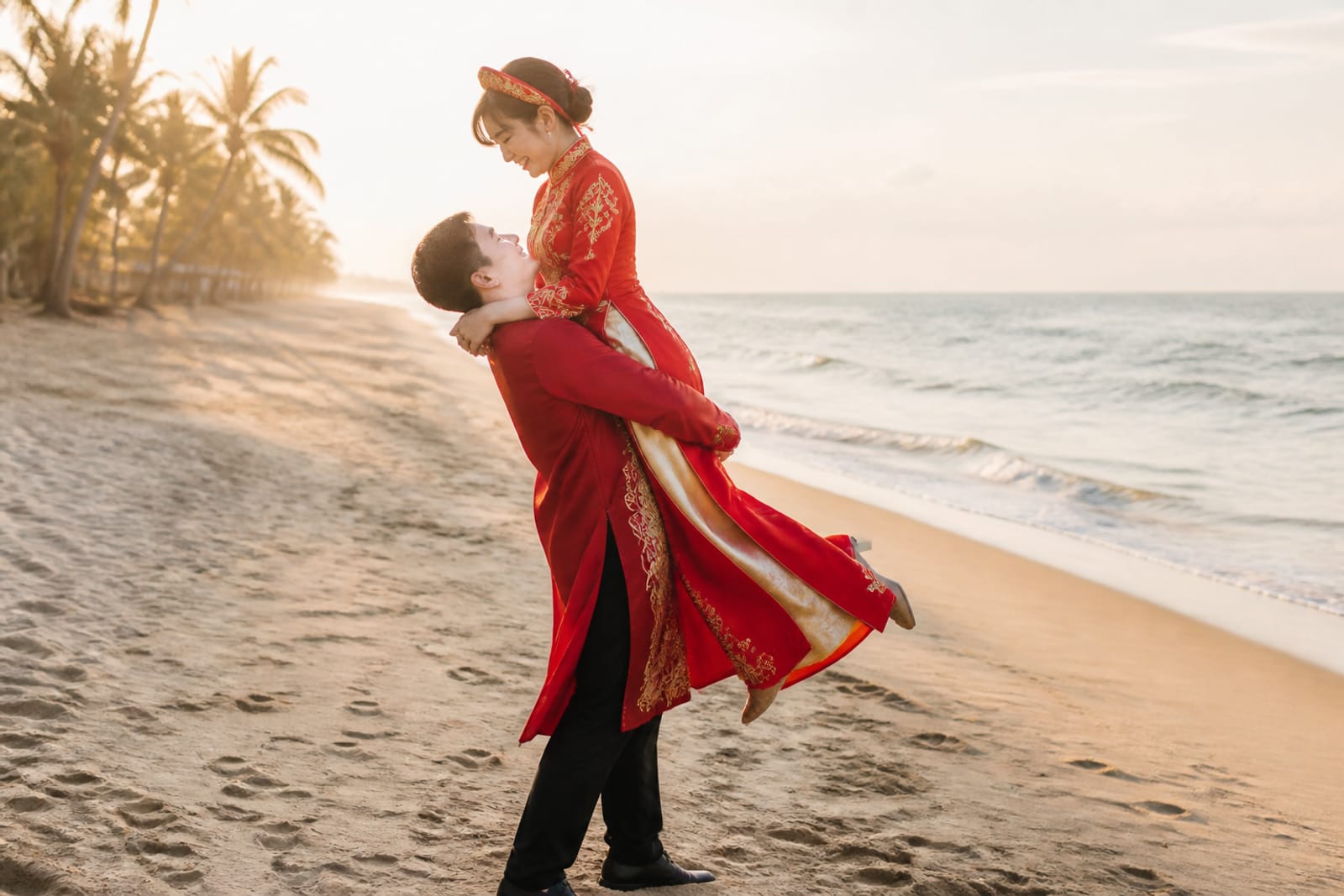
My Son Sanctuary sits in a valley 40 km southwest of Da Nang; most travelers reach it by taxi (90–120 minutes each way) or guided tour. Sunrise (around 5:30–5:45 a.m. in summer, later in winter) gives the clearest light and fewest visitors—plan to leave Da Nang by 4:00 a.m. for a 6:00 a.m. arrival. Afternoon heat and crowds spike after 9:00 a.m., and afternoon sun creates harsh shadows on stone. Transport cost depends on timing and group size; ask what fits your schedule. Cáo Studio – Makeup & Photoshoot teams travel to Da Nang and Hoi An for photoshoots; makeup and hair typically happen at your hotel, then your transport takes you to the site. Bring water, sun protection, and wear something under your ao dai that won't show—the climb is steep and steep stone steps demand practical footwear. ---
Which transport option suits your photoshoot schedule?
Your route to My Son depends on where you're based, how many people are shooting, and whether you want a driver who knows the site or a structured tour. Private taxi or ride-hailing gets you there fast—book through your hotel concierge or a ride app—and lets you control timing, but drivers unfamiliar with the sanctuary may drop you at the wrong entrance. Organized tour buses (departing Da Nang early morning) include a guide, but you're locked into group pacing and can't chase sunrise alone with your photographer. Rental motorbike or scooter works if you're confident on mountain roads, but weather and unmapped side roads create risk on photoshoot day. Driver + itinerary (ask Cáo Studio on WhatsApp for recommendations) costs more but means your transport coordinates with your photographer's arrival time and knows exactly where to drop you for the best light angle.
| Transport type | Best for | Timing control | Why pick it |
|---|---|---|---|
| Private taxi/ride app | Solo or couple, Da Nang–based | Full control | Flexible departure, direct route |
| Organized tour | Budget-conscious, first-time visitor | Fixed schedule | Guide + context, predictable cost |
| Motorbike rental | Adventurous, multiple stops | Full control | Cheapest, but weather and road risk |
| Booked driver + guide | Pre-wedding, ao dai photoshoot | Coordinated | Aligns with photographer, knows site |
📸 Book on WhatsApp — ao dai photoshoot
What time should you arrive to avoid crowds and harsh light?
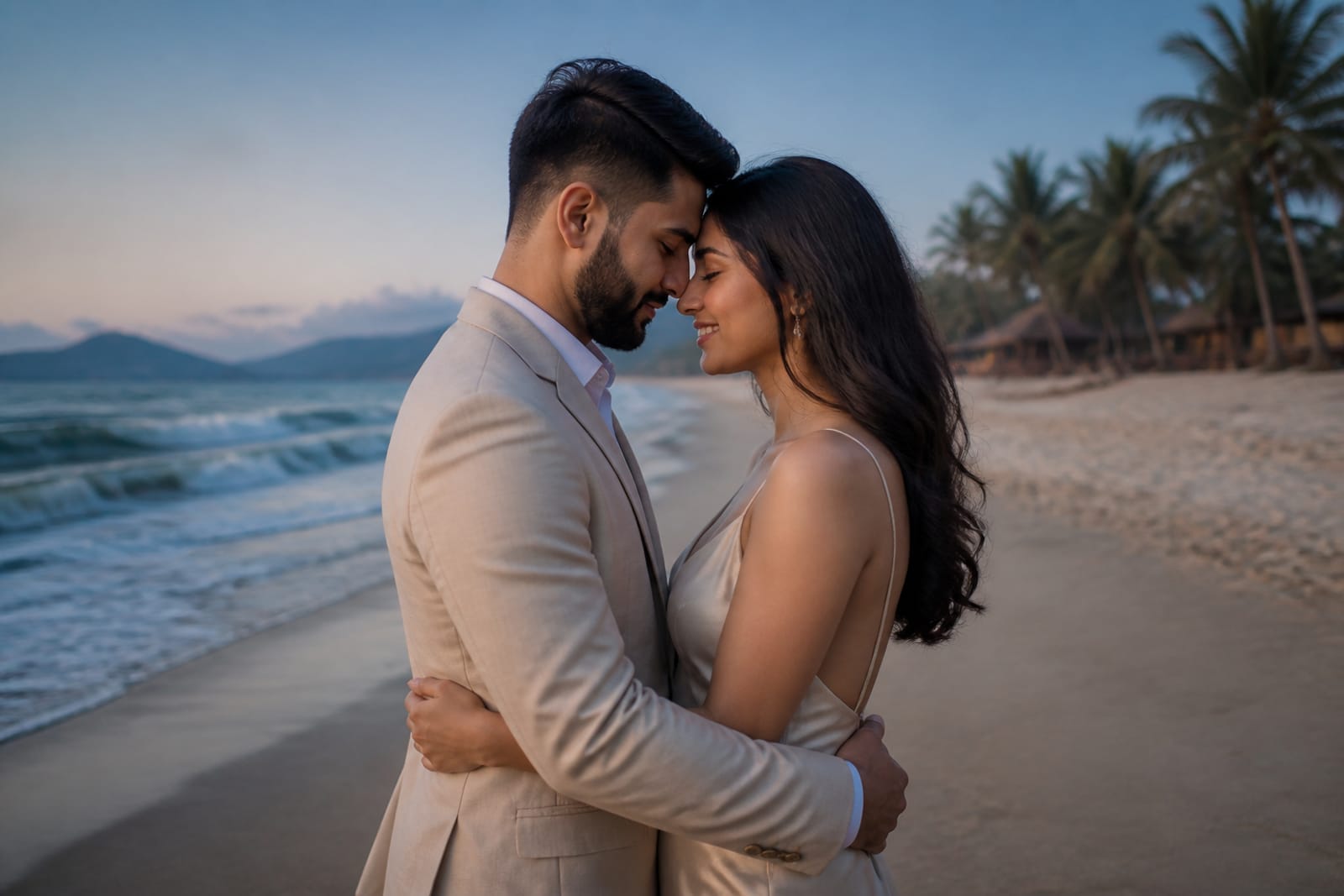
Sunrise at My Son is quiet and golden—stonework glows, mist lingers in the valley. Arrive by 6:00–6:30 a.m. (especially May–August when heat builds fast) and you'll shoot before tour groups flood in at 8:30–9:00 a.m. Winter (Dec–Jan) sunrise is later (around 6:30–6:50 a.m.), but light stays soft longer. Afternoon sun (11 a.m.–3 p.m.) bleaches color and casts harsh shadows across temple steps—your ao dai fabric loses detail, and your face reads flat. If you're a couple doing a pre-wedding photoshoot, ask your photographer whether they prefer a two-slot day (sunrise at My Son, then a second location in golden hour) or a single long morning session. Tourist peak is September–November (cooler weather) and February–April (Tet holidays pass, dry season starts)—book your transport 2–3 weeks ahead to secure early-morning availability.
How do you coordinate with your photographer and makeup team?
Standard workflow: makeup and hair at your hotel (usually 5:30–6:30 a.m. if you're shooting at sunrise), then transport to My Son arrives by 6:00–6:45 a.m. so you're ready to shoot by 6:30 a.m. Your photographer meets you at the entrance or near the main pavilion—agree on the exact meeting spot in advance via WhatsApp. If Cáo Studio – Makeup & Photoshoot is your service, the coordinator confirms your hotel address, transport departure time, and sanctuary entrance with you before the session; your driver should allow 15 minutes buffer for temple entry procedures. Bring a water bottle and a small bag for your phone and ID—you'll climb stone steps for 2–3 hours, so comfortable footwear (not sandals) and a thin layer under your ao dai prevent chafing. If you're also doing a couple photoshoot, coordinate matching outfits and a backup outfit in your vehicle in case rain or a strap tear happens—mountain weather shifts fast.
What does the site charge, and what else costs money on the day?
Entry tickets to My Son are required; check the current price on the official sanctuary website or ask your hotel concierge—prices change seasonally. Parking (if you drive) is minimal or included with a tour ticket. Guides (optional but recommended for first-time visitors to understand the Champa history) are booked separately. Transport cost depends on distance (Da Nang = 90 km round-trip; Hoi An = 50 km round-trip) and vehicle type; negotiate with your taxi driver or ride app before booking. Breakfast and water en route add up if you leave early—pack snacks and a refillable bottle. Ask Cáo Studio on WhatsApp for a coordinated package if you want transport, makeup, photography and post-production bundled—they'll discuss what factors (season, number of outfits, editing scope) affect the overall cost structure without quoting a single price upfront.
How do weather and season shape your photoshoot day?
February–April (dry, mild, 25–30°C): Best season. Sunrise light is clear, stone details pop, and afternoon clouds shield you from harsh sun. Roads are dry, and early-morning starts feel comfortable. Couples often book 2–3 weeks ahead.
May–August (hot, dry, 32–38°C): Light is dramatic but intense. Shoot sunrise only; afternoon heat exhausts you in heavy ao dai. Humidity can make makeup run by 9:00 a.m.—start early and bring blotting papers. Fewer tour groups, so you have more privacy.
September–December (rainy, typhoon risk, 22–28°C): Mornings can be misty (beautiful but requires fast shooting), and afternoon downpours are common. October–November sees the most rain; paths become slippery. Late December clears up but cools down. Transport delays are possible if roads flood.
What to pack: sunscreen, insect repellent, a light rain jacket, a small towel, and extra hair clips. If you're wearing an ao dai rental, ask whether the studio provides a protective garment bag for your journey—wrinkles and dust settle quickly on silk.
What should you check before booking your photoshoot?
Confirm with your photographer: exact meeting point (entrance vs. inner pavilion), time window, and backup plan if sunrise is too cloudy. Ask whether they've shot at My Son before and know the best light angles at different times.
Verify transport details: Does your taxi or tour operator know the sanctuary address in Vietnamese? Can they drop you at the correct entrance (there are multiple approaches)? Request a driver who's done the route recently and knows about roadworks or traffic changes.
Check your outfit fit: If you're renting an ao dai, try it on at least 5 days before the shoot. Sitting in a car for 90 minutes can shift straps or wrinkle panels—bring safety pins and a small sewing kit.
Ask your hotel: Can they arrange early breakfast? Will they hold your luggage if you shoot before checkout? Can they call your taxi 10 minutes before departure so you're ready?
Review the itinerary with Cáo Studio: If booking a package, confirm whether makeup counts as part of the session time, how many outfit changes are realistic in a mountain setting, and when edited photos are delivered. These details matter when you're coordinating transport and hotel timing.
---
FAQ
Can I shoot My Son on an afternoon, or is sunrise the only option?
Afternoon light is harsh and uneven on the temples. Sunrise (5:30–6:30 a.m.) is quietest and flatters ao dai fabric best. If you must shoot after 10:00 a.m., ask your photographer for shaded pavilion spots, but expect crowded paths and blown-out sky in photos.
How long should I budget for the full transport + photoshoot day?
Leave your hotel 3.5–4 hours before your target shoot time (for makeup, travel, and temple entry). Plan 2–3 hours on-site for portraits and exploring. Total day commitment: 7–8 hours from hotel departure to return.
What if I'm staying in Hoi An, not Da Nang—how does transport change?
Hoi An to My Son is roughly 50 km (75–90 minutes). Sunrise shoots still require 4:00–4:30 a.m. departure. The route includes mountain switchbacks; request an experienced driver and allow extra buffer time. Cáo Studio teams travel to Hoi An for shoots—ask on WhatsApp for Hoi An logistics.
Should I book a guide at My Son, or can my photographer explain the temples?
Photographers excel at light and framing, not Champa history. Guides (optional) add 30–45 minutes and context but reduce shooting time. Choose based on what matters: pure photos or cultural narrative with fewer images.
What happens if it rains the morning of my shoot?
Light rain creates moody mist and softer shadows—still shootable. Heavy rain makes stone slippery and light flat. Contact your photographer and Cáo Studio at least 2 hours before; most reschedule to the next clear sunrise at no extra cost.
Can I wear regular clothes to My Son, or must I wear an ao dai?
An ao dai is not required but transforms photos in this cultural setting. If wearing regular clothes, avoid bright neons that clash with aged stone. Wear breathable, neutral layers and comfortable walking shoes—you'll climb for hours.
FAQ
Can I shoot My Son on an afternoon, or is sunrise the only option?
Afternoon light is harsh and uneven on the temples. Sunrise (5:30–6:30 a.m.) is quietest and flatters ao dai fabric best. If you must shoot after 10:00 a.m., ask your photographer for shaded pavilion spots, but expect crowded paths and blown-out sky in photos.
How long should I budget for the full transport + photoshoot day?
Leave your hotel 3.5–4 hours before your target shoot time (for makeup, travel, and temple entry). Plan 2–3 hours on-site for portraits and exploring. Total day commitment: 7–8 hours from hotel departure to return.
What if I'm staying in Hoi An, not Da Nang—how does transport change?
Hoi An to My Son is roughly 50 km (75–90 minutes). Sunrise shoots still require 4:00–4:30 a.m. departure. The route includes mountain switchbacks; request an experienced driver and allow extra buffer time. Cáo Studio teams travel to Hoi An for shoots—ask on WhatsApp for Hoi An logistics.
Should I book a guide at My Son, or can my photographer explain the temples?
Photographers excel at light and framing, not Champa history. Guides (optional) add 30–45 minutes and context but reduce shooting time. Choose based on what matters: pure photos or cultural narrative with fewer images.
What happens if it rains the morning of my shoot?
Light rain creates moody mist and softer shadows—still shootable. Heavy rain makes stone slippery and light flat. Contact your photographer and Cáo Studio at least 2 hours before; most reschedule to the next clear sunrise at no extra cost.
Can I wear regular clothes to My Son, or must I wear an ao dai?
An ao dai is not required but transforms photos in this cultural setting. If wearing regular clothes, avoid bright neons that clash with aged stone. Wear breathable, neutral layers and comfortable walking shoes—you'll climb for hours.
Ao dai, makeup, hair and a local photographer in Hanoi or Saigon — one WhatsApp message.