/pre-wedding-photoshoot
Photography rules at Cat Cat village: permits, drones and what to chec
Cat Cat village (north of Sapa town, Lao Cai province) requires no formal photography permit for personal use, but hiring a professional photographer triggers informal local payment expectations—check with your guide before shooting. Weather is best March–May and September–November; winter (December–February) brings fog that kills light. Drones are restricted in Sapa district without prior approval from aviation authority; most travel photographers avoid them here. Cáo Studio shoots pre-wedding sessions in Hanoi, Ho Chi Minh City and Hoi An—for Sapa, you'll need a local photographer. Light at Cat Cat is soft and directional in early morning (6:30–8 am) and late afternoon (4–5:30 pm); midday is flat and harsh. Plan 3–4 hours on-site, including guide time and outfit changes. Avoid peak tourist hours (9 am–3 pm) and book your guide and photographer together to avoid confusion. ---
Why Cat Cat is a magnet—and why light matters there
Cat Cat's appeal is its layered landscape: water-filled rice terraces (May only), forested slopes, and traditional stilt houses clustered on a ridge. The village sits at roughly 1,200 meters elevation, so mist rolls in unpredictably—especially December–February. Early-morning shoots (6:30–8 am) catch side light raking across the terraces, which reads like architecture in your frame. By 9 am, mist lifts or sun climbs above the ridge, flattening contrast. Professional photographers time shoots to this window; casual visitors often miss it. If you're hiring a team—stylist, makeup, photographer—they must start before dawn and work fast. Cat Cat's tourism board doesn't restrict personal photography, but guides expect a small thank-you if you're shooting commercially. Confirm this upfront with your guide to avoid awkward moments on-site.
📸 Book on WhatsApp — pre-wedding photoshoot
What permits and payment do you actually need?
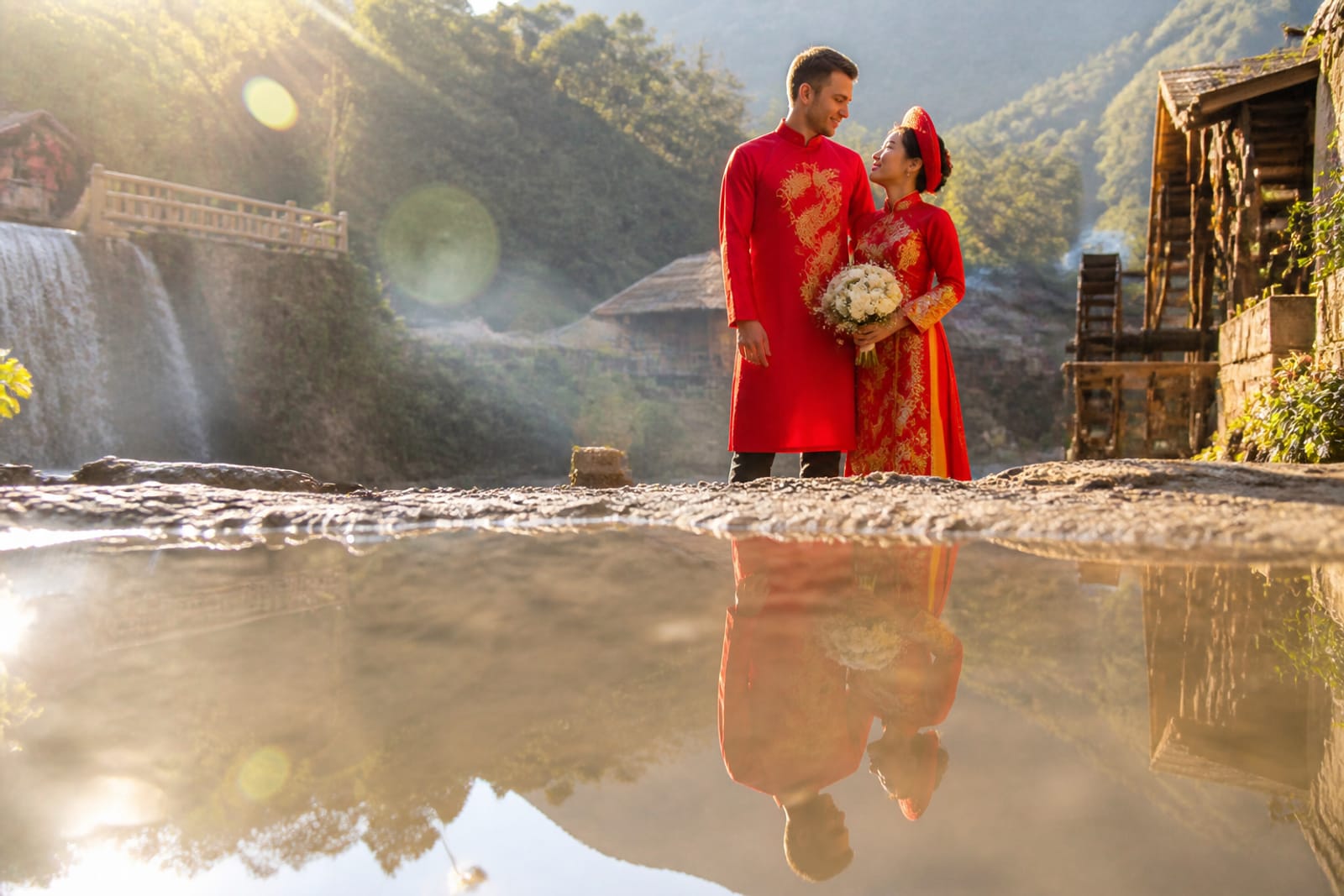
No formal permit exists for photography at Cat Cat village itself. However, "commercial" photography (weddings, editorials, branded shoots) in Sapa district should be declared to the Sapa People's Committee—though enforcement is rare for short sessions. If you hire a professional team, your guide will remind you that local families may ask for small compensation if they appear in frames. This isn't a permit; it's respect. Drone use in Sapa district is restricted without Civil Aviation Authority approval—don't assume you can fly. Most commercial photographers in the area recommend leaving drones at the hotel. If you're booking through Cáo Studio, we handle shoots in our service areas (Hanoi, Ho Chi Minh City, Hoi An); for Sapa and Cat Cat, we recommend hiring a vetted Sapa-based photographer who knows current local expectations. This avoids permit surprises and ensures your team moves safely on steep terrain.
Season and weather: when does the light actually work?
| Season | Light | Crowd | Rain risk | Best for |
|---|---|---|---|---|
| Mar–May | Soft, clear mornings; afternoon haze | Moderate | Low | Terraces (green/water-filled); stable light |
| Jun–Aug | Bright, humid; afternoon storms | Peak | High | Lush green; plan around downpours |
| Sep–Nov | Golden morning light; clear horizons | Moderate–high | Low–medium | Golden terraces (mid-Sep–early Oct harvest); crisp air |
| Dec–Feb | Fog-heavy; brief clear windows; cold | Low | Low (dry) | Empty paths; risky for timing |
Early autumn (September–early October) is the professional sweet spot: harvest-gold terraces, low humidity, and predictable morning light. May is second choice—terraces hold water, mornings are crisp. December–February is a gamble; you might get clear light at dawn, or fog until noon. Plan flexibility into your schedule. Bring layers: mornings at Cat Cat are 5–10°C cooler than Sapa town. If you're traveling with a full production team (photographer, makeup artist, stylist), summer (June–August) is possible but requires early starts to beat afternoon rain and tourist crowds.
Drones, selfies and what actually works on-site
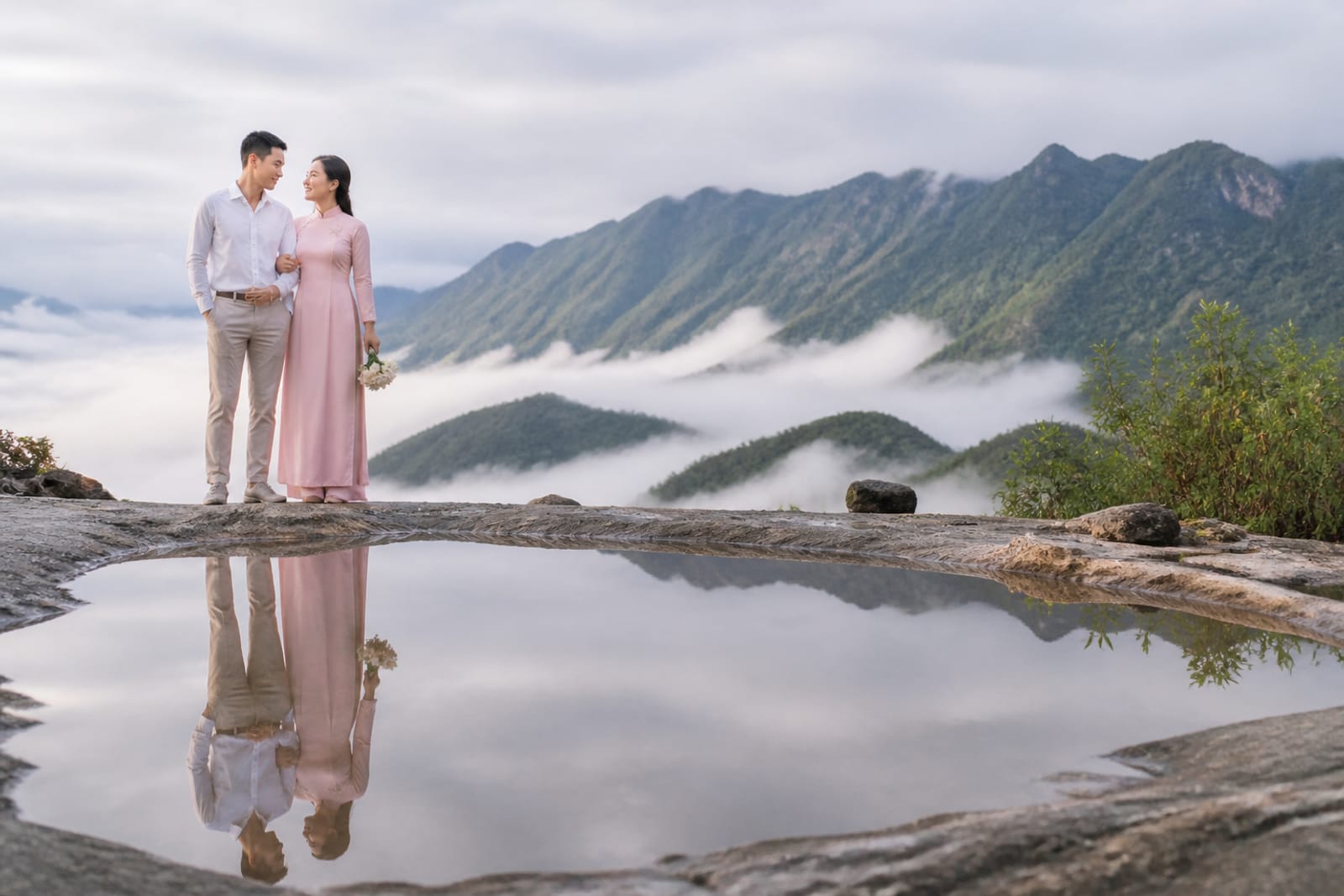
Drones are off-limits in Sapa district without written approval from the Civil Aviation Authority of Vietnam. Don't risk it; locals and guides will stop you. Selfies and smartphone photography are fine—the village attracts casual visitors daily. If you're hiring a professional, they'll use a camera that captures detail and nuance better than phones. Wide framing (full terraces + sky) and detail shots (water ripples, hands, textile) tell a better story than posed standing-in-front-of-view shots. Most photographers shoot as you walk a terrace path, look at each other, or sit by water—movement and real light make stronger frames. The village paths are steep and narrow; high heels or bulky props won't work. Wear shoes with grip, and bring a change of outfit if your shoot includes both "arrival" and "posed" moments. If you're booking a local team, ask whether they scout locations before your session—stepping blindly onto unfamiliar terrain at dawn is a recipe for twisted ankles and missed light.
Comparing shoot options: solo guide vs. full production team
Solo guide + your own camera/phone: Cheapest; you move freely; no commercial pressure. Downside—you'll miss professional framing, and your guide may not know photography timing.
Local photographer + guide: Moderate cost; you get images and local knowledge together. Check their portfolio for light and movement (not just posed monument shots). Best for couples and small groups who want narrative over volume.
Full production team (photographer + stylist + makeup + Cáo Studio coordination): Premium; all logistics handled; outfit tested beforehand; editing in 48 hours. Cáo Studio arranges this in Hanoi, Ho Chi Minh City and Hoi An—for Sapa, you'll coordinate separately. Suits pre-wedding or anniversary shoots where you want cinematic quality and a keepsake film.
Most travelers mix options: hire a guide to navigate, book a photographer for sunrise, and do smartphone captures the rest of the day. This spreads cost and keeps you flexible.
What to check before you book a photographer in Sapa
- Portfolio: Do they shoot in morning light, or only midday? Look for soft side-light, not flat highlights.
- Turnaround time: Do they edit images within days or weeks? Ask about delivery format (files, prints, album).
- Guide coordination: Will they source a local guide, or do you hire separately? Miscommunication here stalls shoots.
- Outfit and styling: Can they advise on what works at Cat Cat (layers, colors that read in mist), or are you styling solo?
- Weather backup: If fog rolls in, what's the plan—wait, move to a different location, reschedule? Get this in writing.
- Local customs: Do they know which families allow photography and which prefer not to appear in images?
If you're booking Cáo Studio's pre-wedding sessions at our Hanoi base and want to extend to Sapa, message us on WhatsApp—we can recommend vetted Sapa photographers and coordinate timing. For shoots entirely in Sapa, a local photographer is essential; they know the season, light, and current permit landscape better than a Hanoi team.
---
How to plan a shoot that doesn't clash with real life
Cat Cat is a living village. Locals wake before dawn, herd water buffalo to terraces, and work through morning. Ethical shooting means moving quietly, asking permission before frames with people, and not blocking paths. A guide smooths this; they'll introduce you to families and manage timing. Tourist groups peak 9 am–3 pm; professionals shoot around these hours. If you're doing a pre-wedding or anniversary session, plan for 3–4 hours total: 1 hour for setup and early shoot, 1–1.5 hours walking and outfit changes, 1 hour wind-down and detail shots. Start 6:30 am at the latest if light is your priority. Bring water, snacks, and a change of socks—terraces are wet and paths are muddy. If you're hiring a full team from outside Sapa, they'll need hotel accommodation and a driver; factor this into your booking conversation.
For international travelers looking for a complete production (outfit, hair, makeup, photography and video), Cáo Studio's pre-wedding packages are designed for Hanoi, Ho Chi Minh City and Hoi An—destinations where our team controls all elements. Sapa requires local coordination; we're happy to advise, but the on-ground team is always local. Reach out on WhatsApp for a planning call.
---
FAQ
Do I need a permit to photograph at Cat Cat village?
No formal permit exists for personal photography. Commercial shoots (weddings, editorials) should be declared to Sapa People's Committee, though enforcement is rare for short sessions. Always ask your guide about local expectations and offer a small thank-you to families who appear in images.
Can I fly a drone at Cat Cat?
No. Drones require Civil Aviation Authority approval in Sapa district. Most commercial photographers avoid them entirely. Stick to ground-based cameras and phones.
What's the best time of year to shoot at Cat Cat?
September–November (especially mid-September to early October) offers clear mornings, golden light and low rain risk. March–May is second best; water fills terraces in May. December–February is dry but fog-heavy and unpredictable for light timing.
How early do I need to start to get good light?
Arrive by 6:30 am to catch side-lit terraces before mist lifts or sun crests the ridge. By 9 am, light flattens. Professional photographers time shoots within this 6:30–8 am window.
Can Cáo Studio shoot my wedding at Cat Cat village?
Cáo Studio operates in Hanoi, Ho Chi Minh City and Hoi An. For Sapa and Cat Cat, we recommend hiring a local photographer. Contact us on WhatsApp to connect with vetted Sapa-based teams and coordinate travel logistics.
What should I wear to photograph well at Cat Cat?
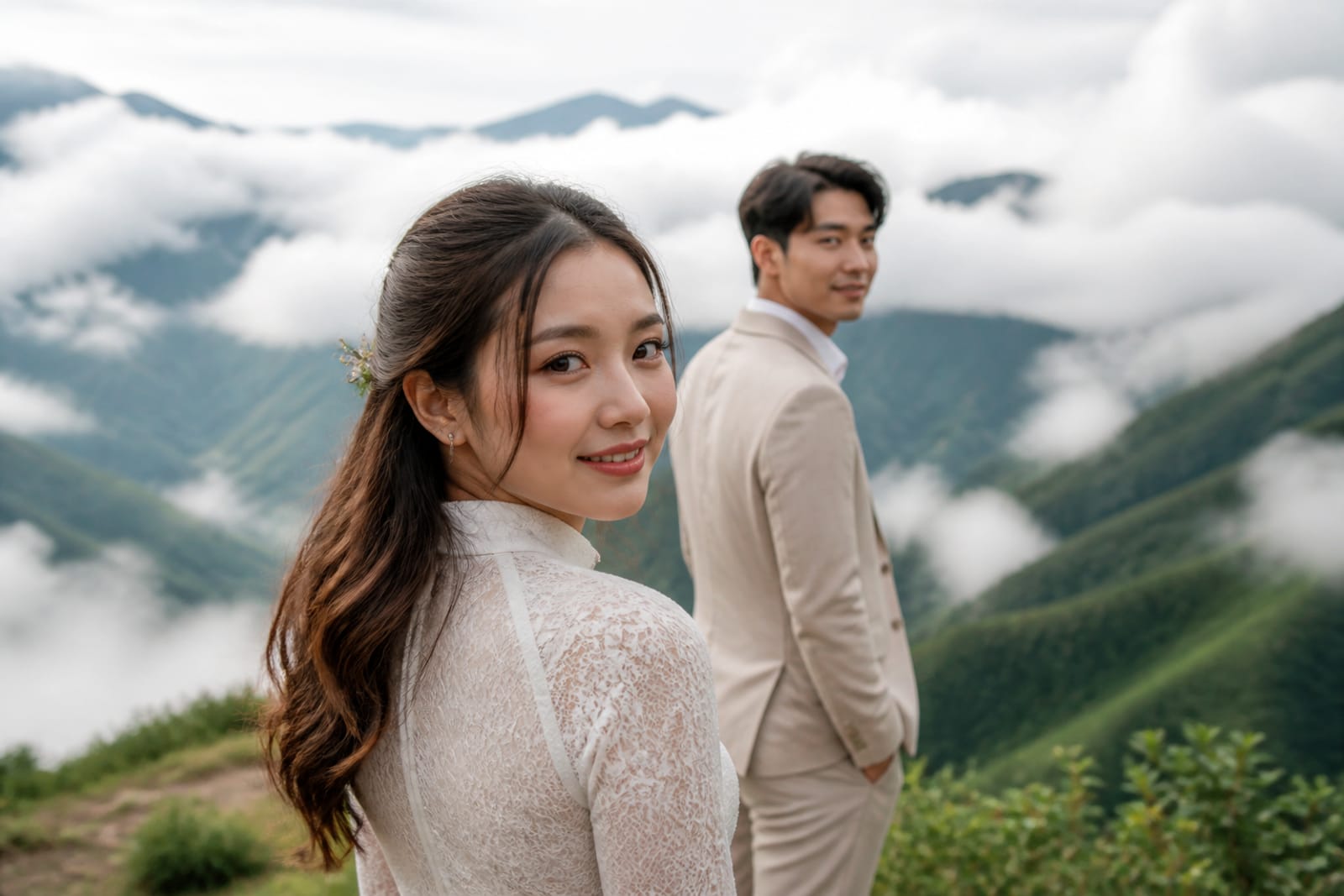
Wear layers (mornings are 5–10°C cooler than Sapa town), shoes with grip (paths are steep and wet), and colors that read in soft light (jewel tones, earth tones, pastels). Avoid bulky props and high heels. If shooting an áo dài, bring a change outfit for terraces (it's not practical on uneven ground).
FAQ
Do I need a permit to photograph at Cat Cat village?
No formal permit exists for personal photography. Commercial shoots (weddings, editorials) should be declared to Sapa People's Committee, though enforcement is rare for short sessions. Always ask your guide about local expectations and offer a small thank-you to families who appear in images.
Can I fly a drone at Cat Cat?
No. Drones require Civil Aviation Authority approval in Sapa district. Most commercial photographers avoid them entirely. Stick to ground-based cameras and phones.
What's the best time of year to shoot at Cat Cat?
September–November (especially mid-September to early October) offers clear mornings, golden light and low rain risk. March–May is second best; water fills terraces in May. December–February is dry but fog-heavy and unpredictable for light timing.
How early do I need to start to get good light?
Arrive by 6:30 am to catch side-lit terraces before mist lifts or sun crests the ridge. By 9 am, light flattens. Professional photographers time shoots within this 6:30–8 am window.
Can Cáo Studio shoot my wedding at Cat Cat village?
Cáo Studio operates in Hanoi, Ho Chi Minh City and Hoi An. For Sapa and Cat Cat, we recommend hiring a local photographer. Contact us on WhatsApp to connect with vetted Sapa-based teams and coordinate travel logistics.
What should I wear to photograph well at Cat Cat?
Wear layers (mornings are 5–10°C cooler than Sapa town), shoes with grip (paths are steep and wet), and colors that read in soft light (jewel tones, earth tones, pastels). Avoid bulky props and high heels. If shooting an áo dài, bring a change outfit for terraces (it's not practical on uneven ground).
Ao dai, makeup, hair and a local photographer in Hanoi or Saigon — one WhatsApp message.