/pre-wedding-photoshoot
Photography rules at Chay River and Phong Nha: permits, drones and wha
Chay River (Ninh Binh, north) and Phong Nha (Quang Binh, central coast) sit in protected areas with real restrictions: Chay River requires entry to the national park (permits bundled into boat tickets); Phong Nha's cave zone prohibits drones outright and floods Oct–Nov can cancel shoots entirely. The best light windows are Feb–Aug for both, but Chay River's boat schedule locks you into narrow shooting hours (dawn boats leave before sunrise), while Phong Nha's cave interior means flash and movement are off-limits. Cáo Studio shoots in Hanoi and Ho Chi Minh City with Hoi An by appointment — for Chay River or Phong Nha, we work with local fixers and photographers to handle permits and logistics, but you'll need to confirm protected-area rules and season viability before committing. Always check current conditions locally: flood warnings, permit offices and guide availability shift month to month. 📸 Book on WhatsApp — pre-wedding photoshoot | 🌸 See the lookbook
Chay River and Phong Nha sit on Vietnam's photogenic shortlist — karst cliffs, water, mist. But they are not free zones for cameras. Both lie inside protected parks with permits, time limits and drone bans. Before you book a photoshoot here, know the rules: what costs, what closes, what light actually looks like at the hour you can legally shoot.
What permits do you legally need at Chay River?
Chay River (also called Trang An) sits within Trang An Landscape Complex, a UNESCO site in Ninh Binh. Entry permits are mandatory and cost is fixed by the park authority — you'll pay a single entry fee to the park, which includes a boat guide and river time. Individual cameras do not require separate permits, but drone flights are banned outright. Photo sessions with a hired external photographer (not a personal guide) may trigger additional coordination with the park office — some operators require you to pre-notify; others bundle it into the boat booking. The park's boat schedule is rigid: departures run on set times, usually early morning (around 6:00 am) and again mid-morning, each lasting roughly two to three hours. You cannot linger; the guide moves the boat on a fixed route. This dictates your shooting window: if your session is on a 6:00 am departure, you have from just before sunrise until around 8:30 or 9:00 am, when the boat returns. Light at that hour is soft and low on the eastern cliffs — ideal for silhouettes and rim-lit mist, but your framing must work within the boat's angles and speed. Request a slower boat, request the guide pause at certain spots, but understand the park sells tickets to dozens of tourists daily, and rushing is their standard rhythm.
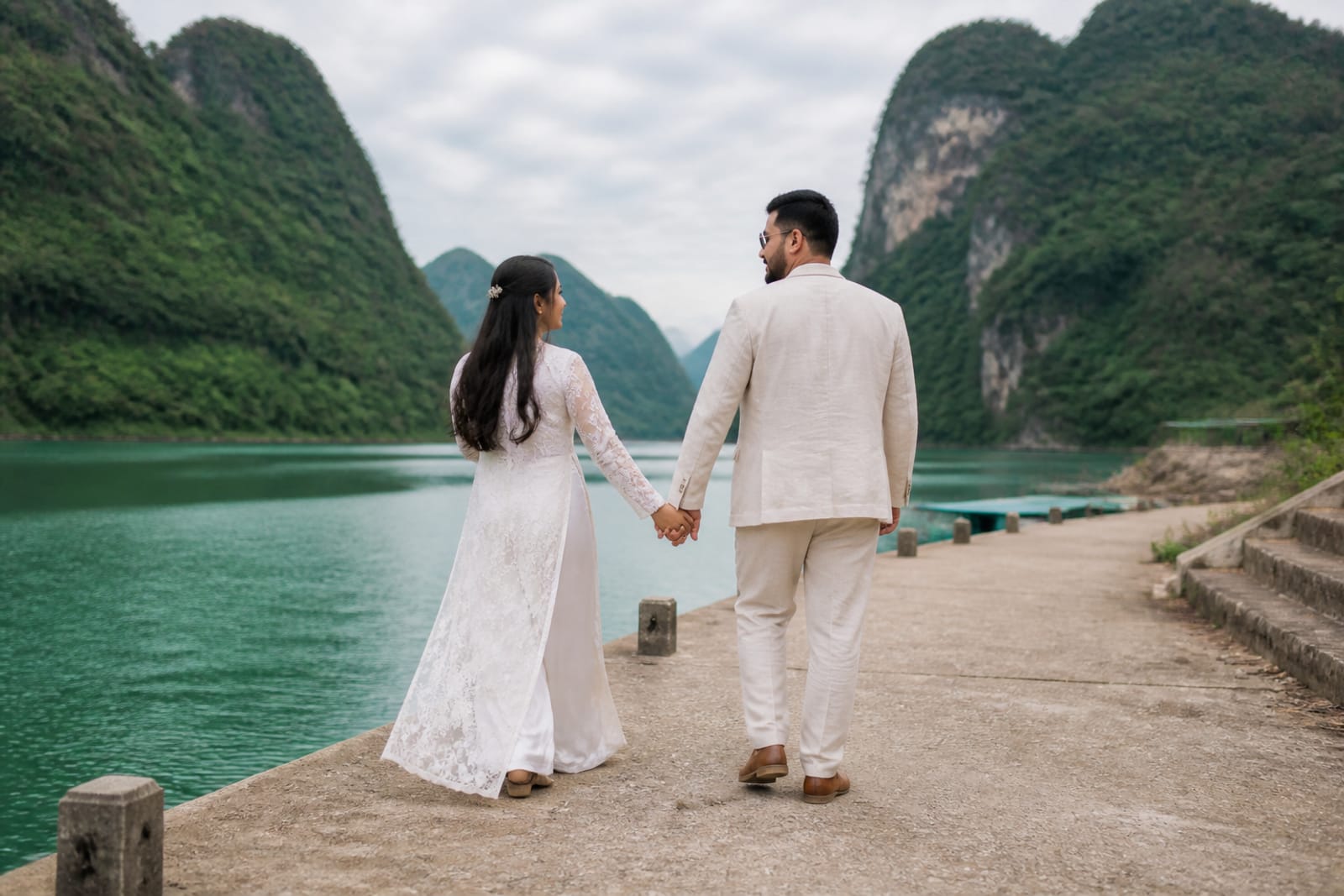
Can you shoot drones at Phong Nha or Chay River?
No. Drones are prohibited at both sites. Chay River bans drones due to the UNESCO designation and boat safety (low-flying aircraft near crowded water tours). Phong Nha's cave zone (Son Doong, Hang Mua and others) is a protected karst reserve — drones are forbidden by national park regulation and by the site's international heritage status. Aerial shots of the limestone, the rivers and the valleys are off-limits unless you obtain an explicit permit from Quang Binh provincial authorities, a process that can take weeks and is routinely denied for tourism. Do not bring a drone and assume you can sneak a flight at dawn; park rangers patrol, and fines are enforced. If your creative vision hinges on aerial footage, Phong Nha and Chay River are not the venues. Consider flat terrain with permission (some beaches, open rice valleys) or book in Hanoi's peri-urban parks where regulations are lighter. Your photographer should confirm the site's drone status in writing before the shoot date.
Which season gives you the best light and fewest cancellations?
| Option | Best light | Best season | Rainfall risk | Crowds | Why it works |
|---|---|---|---|---|---|
| Chay River | Golden hour (6–8 am) | Feb–May | Low (dry) | Morning boats full; afternoon quieter | Cold, clear skies; mist rises naturally at dawn; no flood closures |
| Phong Nha caves | Diffuse (cave light is dim) | Mar–Aug | Low to medium | Feb–Mar school holidays; Jun–Aug summer | Cave interior light is indirect; exterior light harsh Jun–Aug; no rain flooding access roads |
| Phong Nha river/valley | Soft side light (early morning) | Feb–Aug | Medium (Jun–Aug brief showers) | Moderate (fewer than caves) | Overcast skies filter light; river level stable; guides available |
The north (Chay River) is coldest and clearest Dec–Feb but grey Jan–Feb; Feb–May are ideal: cool, low humidity, zero rain. The central coast (Phong Nha) is driest Feb–Aug; Jun–Aug can see afternoon downpours but rarely all-day closure. Avoid Sep–Dec: Phong Nha gets typhoons and flooding Oct–Nov that close caves and river routes for days. Book around Feb–Mar or Jul–Aug if you want predictable conditions and full access.
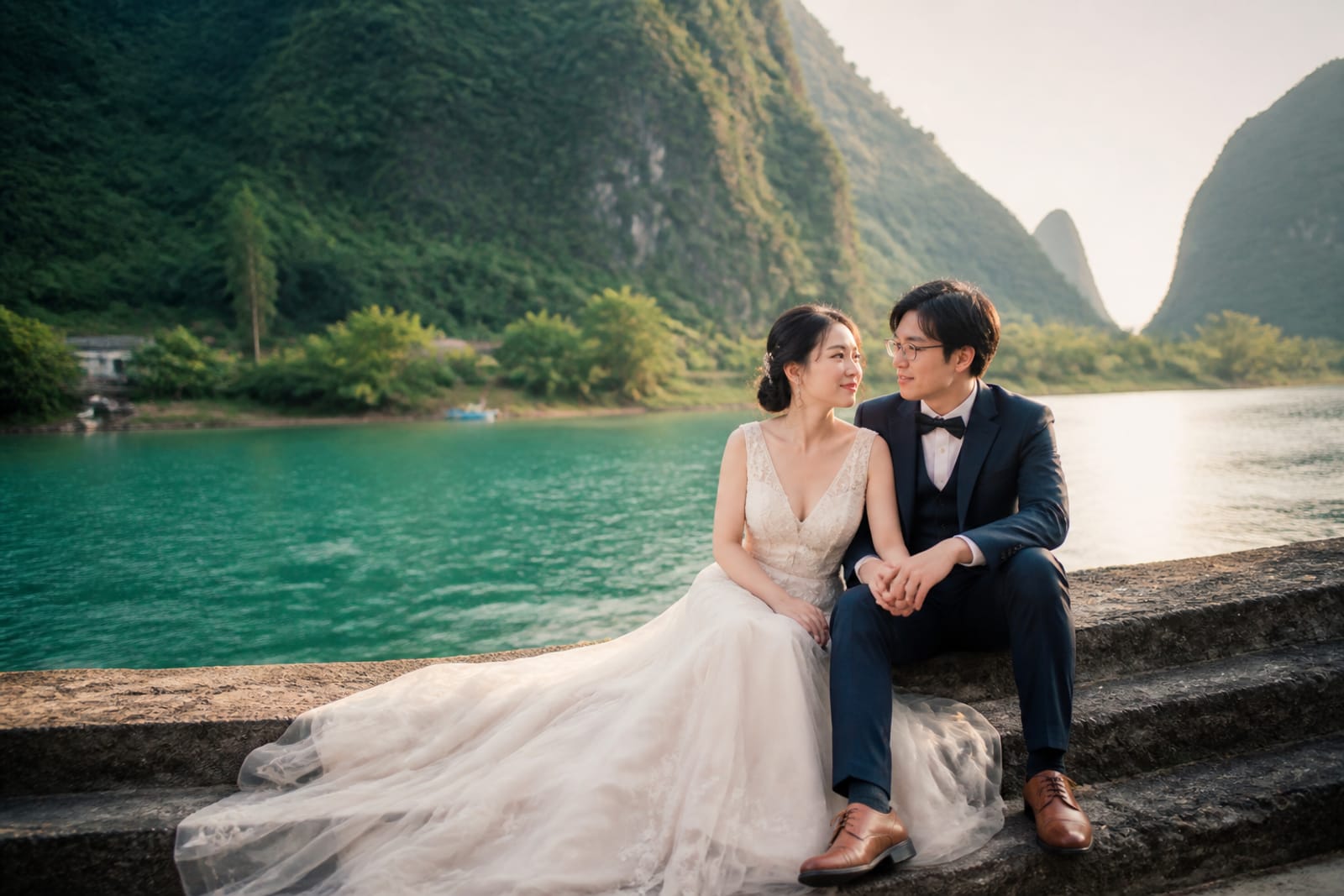
What does a typical shoot day look like in these protected zones?
Your shoot day has a fixed skeleton because the park dictates the boat or access time.
At Chay River:
- 5:30 am arrival (you meet your team, boat and guide at the dock).
- 6:00 am departure (boat launches; your photographer and stylist board with you).
- 6:00–8:30 am shooting (soft light, mist, wide shots of cliffs, medium shots of you two in the boat or walking shallow areas; the guide manages the boat pace).
- 8:30 am return (park boat schedule ends; you disembark).
- 9:00 am–12:00 pm secondary location (optional: move to a quieter temple or rice field nearby for outfit change and close-up frames before light flattens).
At Phong Nha cave interior:
- 8:00 am arrival (meet at the cave visitor center; obtain entry with guide).
- 8:30–9:00 am cave entry (guide leads; photography is slow — the cave is dim, movement is controlled, flash is unwelcome; frames are silhouette, reflection and ambient cave light only).
- 9:00–11:00 am secondary location (most couples shoot the cave interior in 1–1.5 hours, then move outside to the valley, river or cliff face for wider, sun-lit frames).
- 11:30 am wrap (light becomes harsh; your team exits or moves to a shaded secondary spot).
Key constraint: you cannot ask the cave guide to pause for 20 minutes while your photographer reframes; the guide manages many visitors daily and moves on schedule. Plan your shots tight. Bring spare batteries and lenses because tripod use is restricted in caves. Discuss timing and shot list with your photographer before the day.
What should you check before booking a Phong Nha or Chay River session?
Before you commit:
- Permit and guide liaison. Ask your photographer (or fixer) to confirm in writing that they have pre-coordinated with the park office. Chay River boat operators may not allow external photographers on every departure; confirm a specific date and time. Phong Nha cave guides often expect a tip or booking fee to accommodate a photo team — clarify who pays and what is included.
- Flood and weather viability. Check the central coast's rainy season calendar and recent weather reports. If you are shooting Oct–Nov and a tropical depression is forecast, the caves may close. Ask your photographer to confirm access one week before the shoot; secure a rain date or refund clause in your contract.
- Light scouting. Ask to see sample frames from your photographer's previous shoots at these sites at the exact month and time you are booking. Phong Nha's cave light is dim and moody — if you want bright, cheerful faces, the cave is not the primary venue; the valley is better. Chay River's 6:00 am boats are cold, crowded and tightly scheduled — if you dislike early starts or crowds, an afternoon secondary location is where your best frames will live.
- Outfit and movement constraints. Wedding dresses, ao dai (especially with long trains), and formal suits move poorly in boat seats and cave passages. Ask your photographer what they recommend: split the shoot (formal frames outside, practical frames in the cave), rent a simpler áo dài, or skip the cave altogether and use the morning light on the river's edge or nearby rice fields. See ao dai rental options to understand fit and movement.
- Team size and cost factors. Phong Nha and Chay River work best with a small team (photographer, stylist, one guide). Adding makeup, hair, a second camera operator or a videographer multiplies logistics, coordination delays and park friction. Discuss your team size with your photographer early; larger teams cost more because they need more coordination time and park liaison.
How do you find and vet a local photographer for these sites?
Cáo Studio is based in Hanoi and Ho Chi Minh City; we shoot pre-wedding sessions in our core cities and Hoi An by appointment. For Chay River and Phong Nha, we connect you with trusted local photographers we've worked with before — but you hire them directly and manage the contract yourself.
When vetting a local photographer for a protected-zone shoot:
- Request a portfolio from the exact site and season. If you are shooting Phong Nha in June, ask to see June shots, not March shots. Light, mist, water levels and crowds change dramatically.
- Confirm their permit and guide relationships. A good local photographer has standing arrangements with the park office and boat guides. They can predict permit issues and schedule friction. Ask them how many times they've shot the site in the last year.
- Ask about the shot list and contingencies. Do they have a fallback location if the cave is closed? If rain hits? A solid plan B is the difference between usable frames and a day of regrets.
- Check their contract carefully. Does it mention protected-area closures, refunds, and who bears the cost of permits and guides? If the contract is vague, ask for clarity in writing before you sign.
- Video as a bonus, not a primary ask. Many couples want both photos and a short film. Cave interiors are hard to light and edit for video; river boats rock and create glare. If you want video, plan it as a secondary feature, not the centerpiece, or choose an outdoor-only location.
If you are flying into Hanoi and prefer an end-to-end experience with a single team handling outfit, hair, makeup and the shoot, reach out to Cáo Studio — we can brief you on Chay River logistics and recommend our trusted fixers, though the final shoot will be managed locally.
💄 Makeup & hair at your hotel | 📸 Book a consultation on WhatsApp
FAQ
Can I wear a wedding dress at Chay River or Phong Nha?
Yes, but carefully. At Chay River, you will sit in a boat for two hours on water — dresses soak, trains snag, movement is awkward. Consider renting a shorter ao dai or a simple chiffon dress instead. Phong Nha's cave interior is dark and damp; formal gowns are impractical. Plan the dress for a secondary outdoor location (cliff face, rice field) after the cave or river shoot, when you have more freedom to move.
Do I need a separate permit if I bring my own photographer?
Chay River: no separate camera permit, but the park may require you to notify the boat operator in advance that a professional photographer will be on board. Some operators charge a small coordinator fee. Phong Nha: same — notify the cave guide operator early. Neither site typically forbids external photographers, but neither advertises the permission openly; ask directly via the park visitor center.
What time should I arrive for an early morning shoot at Chay River?
Arrive 30–45 minutes before your boat departure. This gives you time to meet your photographer, apply touch-ups, and brief the guide on your shot list. Boats depart strictly on schedule; late arrival means you forfeit the slot.
Will I see other tourists in my shots at Chay River or Phong Nha?
Almost certainly, yes. Both are busy sites with dozens of visitors per day. Your photographer will frame tightly (close-ups of you, silhouettes against cliffs, reflections in water) to minimize strangers, but wide landscape shots will include boats, people and guides. Expect this and plan your favorite frames accordingly.
What's the difference between the Chay River "boat tour" and a dedicated photo session?
A boat tour is a sightseeing trip where you sit with other tourists; a photographer boards as a guest and shoots between pauses. A dedicated photo session is when you book a private or semi-private boat (often for a higher permit fee or through a private tour operator) and your team has priority for timing and positioning. Always confirm which your photographer is arranging; dedicated boats give you more control but cost more.
FAQ
Can I wear a wedding dress at Chay River or Phong Nha?
Yes, but carefully. At Chay River, you will sit in a boat for two hours on water — dresses soak, trains snag, movement is awkward. Consider renting a shorter ao dai or a simple chiffon dress instead. Phong Nha's cave interior is dark and damp; formal gowns are impractical. Plan the dress for a secondary outdoor location (cliff face, rice field) after the cave or river shoot, when you have more freedom to move.
Do I need a separate permit if I bring my own photographer?
Chay River: no separate camera permit, but the park may require you to notify the boat operator in advance that a professional photographer will be on board. Some operators charge a small coordinator fee. Phong Nha: same — notify the cave guide operator early. Neither site typically forbids external photographers, but neither advertises the permission openly; ask directly via the park visitor center.
What time should I arrive for an early morning shoot at Chay River?
Arrive 30–45 minutes before your boat departure. This gives you time to meet your photographer, apply touch-ups, and brief the guide on your shot list. Boats depart strictly on schedule; late arrival means you forfeit the slot.
Will I see other tourists in my shots at Chay River or Phong Nha?
Almost certainly, yes. Both are busy sites with dozens of visitors per day. Your photographer will frame tightly (close-ups of you, silhouettes against cliffs, reflections in water) to minimize strangers, but wide landscape shots will include boats, people and guides. Expect this and plan your favorite frames accordingly.
What's the difference between the Chay River "boat tour" and a dedicated photo session?
A boat tour is a sightseeing trip where you sit with other tourists; a photographer boards as a guest and shoots between pauses. A dedicated photo session is when you book a private or semi-private boat (often for a higher permit fee or through a private tour operator) and your team has priority for timing and positioning. Always confirm which your photographer is arranging; dedicated boats give you more control but cost more.
Ao dai, makeup, hair and a local photographer in Hanoi or Saigon — one WhatsApp message.