/pre-wedding-photoshoot
Photography rules at Hai Van Pass: permits, drones and what to check
Hai Van Pass sits at 500+ meters, bridging the cool central-coast climate of Da Nang and Hue; Feb–Aug is driest and brightest for photos. Drones require advance registration with Vietnam's Civil Aviation Authority—no same-day permits exist. No entrance fee applies, but roadside and tunnel stops carry safety risks: traffic is fast, narrow shoulders force you into the road, and visibility drops in the 6 km tunnel. Professional photoshoots here suit couples who want drama without city crowds; self-guided options save time and cost but sacrifice light expertise and safety coordination. Cáo Studio – Makeup & Photoshoot does not operate at Hai Van Pass—we shoot pre-wedding and elopement sessions in Hanoi, Ho Chi Minh City, and Hoi An. For Hai Van, hire a local Da Nang or Hue photographer who knows permit timelines and traffic patterns. ---
Can you actually fly a drone at Hai Van Pass?
Drone flights require formal permission from Vietnam's Civil Aviation Authority weeks in advance—there is no walk-up approval. You must submit flight plans, operator credentials, and equipment details. The pass sits near helicopter routes and air-traffic corridors, which adds scrutiny. Most travelers cannot meet the timeline; buying drone footage from a licensed operator is faster. If a photographer claims they can fly without permits on the day, they are breaking the law. Local Da Nang or Hue-based aerial photographers have pre-approved licenses; confirm their registration number before booking.
What is the best time of year to shoot at Hai Van Pass?
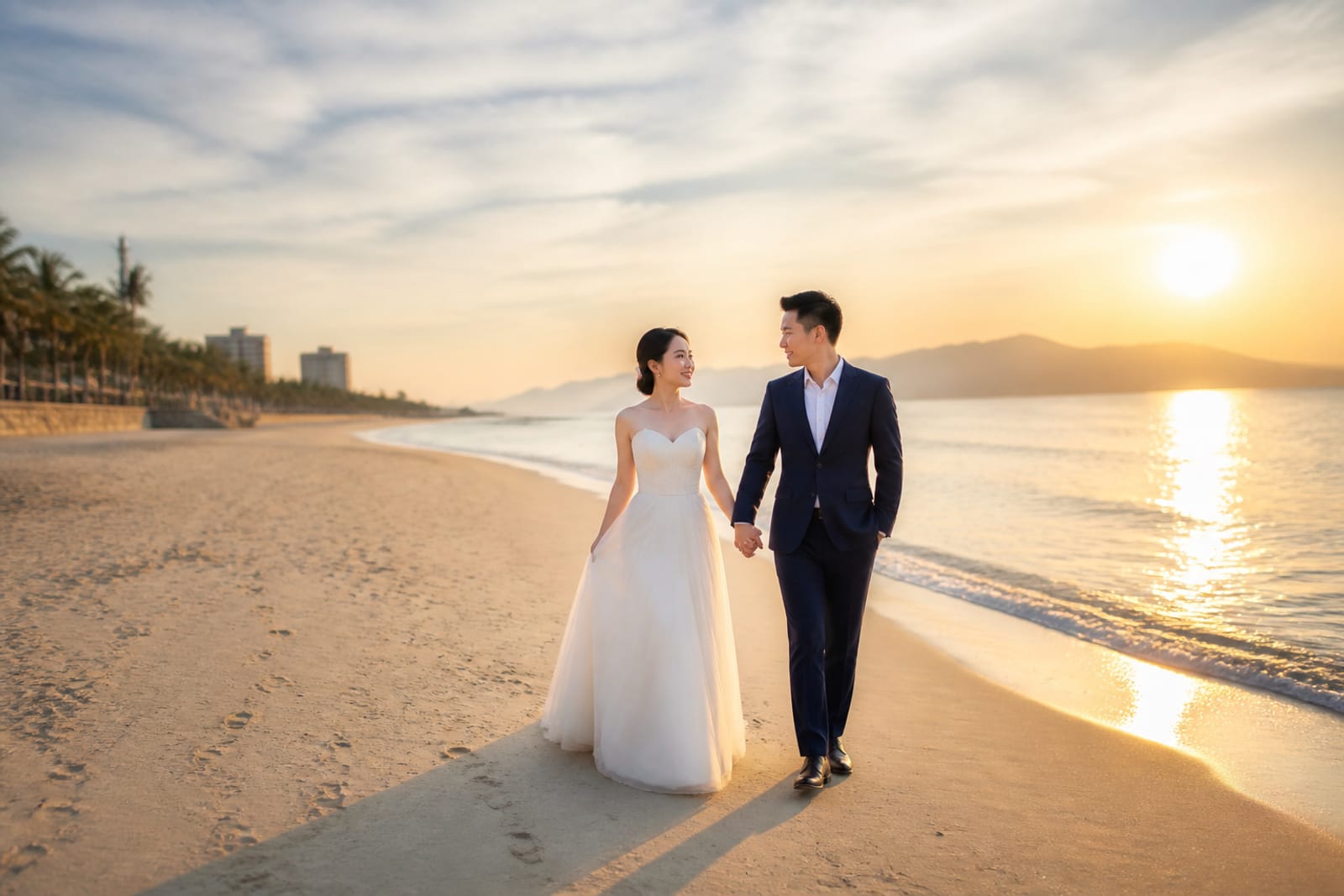
Optimal window: February to August — dry season on the central coast. Feb–Apr offers cooler air and longer golden-hour shadows; May–Aug is hot but cloudless. Sep–Dec is typhoon and rainy season: cloud cover thickens, afternoon downpours are sudden, and landslides close the road without warning. Oct–Nov is worst—visibility drops below 50 meters on many days. Tet (late Jan–mid Feb) brings congestion but not rain. Sunrise shoots at 6–7 AM catch mist lifting off the coast; sunset (5–6 PM in winter, 6–30–7 PM in summer) backlights cliffs gold. Midday (11 AM–3 PM) is harsh and crowded; avoid it.
Should you self-guide or hire a local photographer?
| Option | Best for | Light control | Traffic safety | Time commitment | Why it works |
|---|---|---|---|---|---|
| Self-guided (camera or phone) | Budget travelers, casual couples, flexible itineraries | Low—harsh midday light, no reflectors or timing expertise | High risk—you manage road edges, tunnel entry, parking | 2–4 hours including drive and stops | No coordinator; you own the risk and timing |
| Local Da Nang/Hue photographer (hourly hire) | Couples who want pro light management without a full package | High—they know sunrise/sunset angles, bring reflectors and filters | Medium—they scout safe pull-offs, know traffic flow | 3–5 hours including setup and backup locations | Affordable, location-expert, no travel time from their base |
| Pre-wedding package from Hanoi/HCMC studio | Engaged couples, elopements, full-day coverage with makeup | Very high—professional lighting, multiple outfits, backup days | Medium—coordinator travels with you, pre-plans stops | Full day (6–10 hours) plus hair & makeup in hotel | Includes hair, makeup, editing, album—comprehensive but expensive and travel-dependent |
Conclusion: Self-guides suit explorers happy with phone snapshots. Local photographers offer pro light at medium cost and zero travel stress. Studio packages justify cost only if you also want makeup, outfits, and a finished album.
What are the actual safety risks and how do you avoid them?
Hai Van Pass has killed tourists. The road is 21 km, single lane each direction, with a 6 km tunnel where visibility is 10 meters and trucks do not use headlights. Shoulders are less than a meter wide; standing for photos puts you one swerve from traffic. Solutions: (1) hire a guide who stops only at cleared pull-offs, not random roadsides; (2) avoid the tunnel entirely—walk-through photo requests cause accidents; (3) shoot only sunrise/sunset when traffic is lightest (5–7 AM or after 6 PM); (4) wear bright clothing so drivers see you; (5) position a spotter facing oncoming traffic while the photographer shoots. Never stand with your back to traffic. A local photographer knows which 3–4 safe stops photographers actually use and has radio contact with other drivers.
How much does it cost to hire a photographer at Hai Van Pass?
Cost depends on three factors: photographer origin (local Da Nang/Hue rates are lower than Hanoi studio travel fees), session length (half-day 3–4 hours vs. full-day 6–8 hours), and inclusions (photos only vs. editing, album, or makeup). Ask a local photographer in Da Nang or Hue for a quote—they will give you a day rate. If you book a pre-wedding package from Cáo Studio, travel to Hai Van Pass adds logistics (hotel pickup from Da Nang, a driver, permit coordination), which changes the cost structure. Request a quote on WhatsApp to understand travel costs.
---
How to find and vet a local Da Nang or Hue photographer
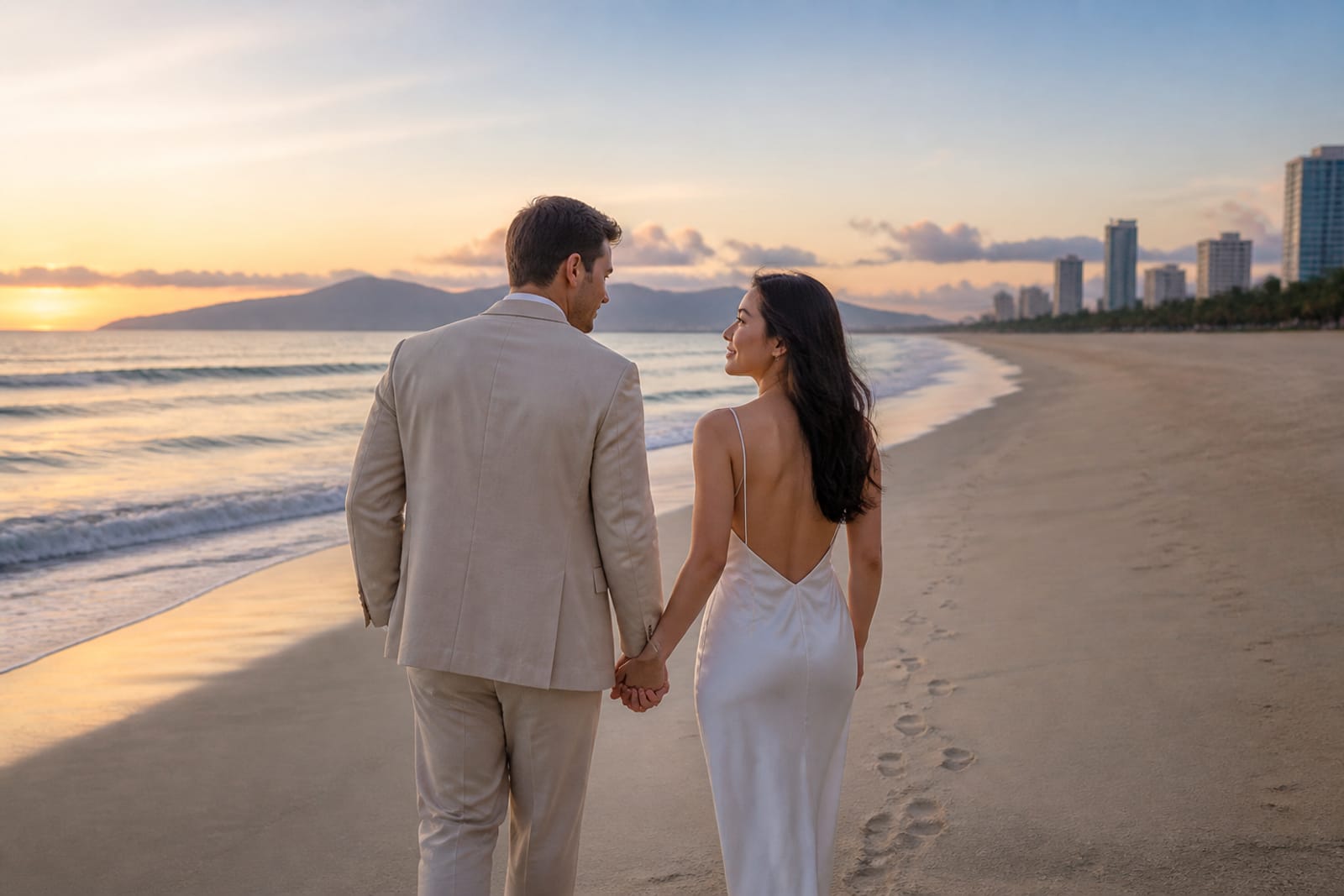
Step 1: Search Instagram for "#HaiVanPass" + photographer handle. Look for portfolio samples showing safe stops, golden-hour light, and couple outfits you recognize. Ignore filtered close-ups; demand full-scene context shots.
Step 2: Confirm their experience with the specific risks. Ask: "Have you shot Hai Van in Oct–Nov rain? How did you handle cloud cover?" If they say they always get clear skies, they are new. Real pros have backup locations (Marble Mountains, Lang Co Beach) for bad-weather days.
Step 3: Request contact with 2–3 past couples. Not testimonials—ask them directly: "Did the photographer manage traffic safety? How long was the actual shoot vs. driving?" Reviews on Google or TripAdvisor are rarer for photographers than for restaurants, so direct references matter more.
Step 4: Check drone credentials. If aerial shots matter, ask for their Civil Aviation Authority registration number and confirm it online. Do not rely on their word.
Step 5: Agree on a weather reschedule clause in writing. If Oct–Nov clouds block the sun, do you get a second date, a refund, or proceed anyway? Clarify before paying.
---
What should you wear and bring?
Outfits: Avoid neon or logo-heavy clothing—neutral tones (cream, grey, burgundy, navy) frame better against grey stone and blue sky. If you are couples shooting, coordinate color (not matching—one warm, one cool) so you frame as a unit. Long sleeves protect skin from wind and sun at altitude. Hats blow off easily; bring them but be ready to remove for shots. Shoes: closed-toe hiking boots grip gravel shoulders; sandals mean twisted ankles on uneven ground.
Bring: A light jacket (it is cooler at 500 m), sunscreen (sun reflects off pale rock), water (at least 1 liter per person), phone with full battery, and a copy of any photo permit if self-guiding. Do not bring a tripod for roadside shooting—it takes time to deploy and distracts you from traffic.
---
What to check before you book a Hai Van Pass shoot
| Checklist item | Why it matters | Red flags |
|---|---|---|
| Season & weather clause | Oct–Nov typhoons close the road or cloud-block light | "We guarantee clear skies every time" or no reschedule policy |
| Drone licensing (if you want aerials) | Unlicensed drones are confiscated and operators are fined | "I'll just fly it; no one checks" or vague answers |
| Safe stops & traffic plan | Prevents you standing on the road shoulder | "We'll find spots as we go" or mentions tunnel interior photos |
| Photographer base location | Local Da Nang/Hue photographers know the site; studio teams from Hanoi add 8+ hour travel | Quote includes only photos, not travel coordinator logistics |
| Backup location if weather fails | Cloudy passes happen; you need an alternative | No mention of Marble Mountains, Lang Co, or Son Tra Peninsula as backup |
| Editing turnaround & album | Understand what you get after the shoot | Promises "500+ photos in 2 days" without specifying edited count |
---
Why Cáo Studio shoots in Hoi An, Hanoi and Ho Chi Minh City instead
Cáo Studio – Makeup & Photoshoot operates in three cities: Hanoi, Ho Chi Minh City, and Hoi An (by appointment; ask on WhatsApp for Hoi An dates). We do not operate at Hai Van Pass because permit coordination, traffic logistics, and weather backup require on-the-ground expertise we cannot provide remotely. Instead, we specialize in pre-wedding and elopement shoots in controlled environments—studios with makeup chairs, outdoor gardens with morning light, and indoor backups for rain. In Hanoi or Hoi An, we manage hair, makeup, outfit changes, and a full day of coverage without the road-safety variables Hai Van brings. If you are based in Da Nang or Hue and want a dramatic coastal elopement, we can coordinate a session in Hoi An (a 2-hour drive south), where we control permits, light, and safety on private property.
---
Why local photographers beat long-distance studios for Hai Van
A Da Nang photographer charges less than a Hanoi studio traveling 500 km. They know which pull-offs are safe because they scout them monthly. They have relationships with local guides and can adjust itineraries if weather turns bad. They understand Oct–Nov cloud patterns and have backup spots ready. A Hanoi or HCMC team must coordinate hotel pickup, travel time, and additional staff—costs climb fast. Book local. Book someone with a portfolio from the exact month and weather condition you are shooting.
---
📸 Book on WhatsApp — pre-wedding & elopement | 💄 Makeup & hair at your hotel | 🌸 See the lookbook
---
FAQ
Do I need a permit to take photos at Hai Van Pass as a tourist?
No permit is required for still photography or camera use. Drones, however, require advance Civil Aviation Authority registration—there is no same-day approval. If you hire a photographer with a drone, confirm their license before booking.
What month has the clearest light at Hai Van Pass?
February to August is the dry season; Feb–Apr and July are clearest and coolest. May–Aug is hot but cloudless. Sep–Dec is typhoon season with sudden rain and cloud cover; Oct–Nov is worst, often below 50-meter visibility.
Is it safe to stand on the roadside for photos at Hai Van Pass?
No—traffic is fast and shoulders are less than a meter wide. Only use officially cleared pull-offs, never the tunnel interior. Hire a local photographer who knows safe stops and manages traffic flow while you pose.
How much does a local Da Nang photographer cost for a Hai Van shoot?
Costs vary by session length, edits, and inclusions. Request a quote directly from a local photographer in Da Nang or Hue; they will give you a half-day or full-day rate. Avoid underquoted offers—they often skip backup stops or safety planning.
Can Cáo Studio – Makeup & Photoshoot shoot at Hai Van Pass?
No—we operate in Hanoi, Ho Chi Mihn City, and Hoi An only. For Hai Van, hire a local Da Nang or Hue photographer with traffic experience and drone licensing. If you want a pre-wedding shoot in a safer, controlled location, book a session in Hoi An or Da Nang city instead.
What is the best time of day to shoot at Hai Van Pass?
Sunrise (6–7 AM) and sunset (5–6 PM in winter, 6:30–7 PM in summer) offer golden light and lighter traffic. Midday (11 AM–3 PM) is harsh and crowded. Avoid the tunnel interior entirely—visibility and safety are poor.
FAQ
Do I need a permit to take photos at Hai Van Pass as a tourist?
No permit is required for still photography or camera use. Drones, however, require advance Civil Aviation Authority registration—there is no same-day approval. If you hire a photographer with a drone, confirm their license before booking.
What month has the clearest light at Hai Van Pass?
February to August is the dry season; Feb–Apr and July are clearest and coolest. May–Aug is hot but cloudless. Sep–Dec is typhoon season with sudden rain and cloud cover; Oct–Nov is worst, often below 50-meter visibility.
Is it safe to stand on the roadside for photos at Hai Van Pass?
No—traffic is fast and shoulders are less than a meter wide. Only use officially cleared pull-offs, never the tunnel interior. Hire a local photographer who knows safe stops and manages traffic flow while you pose.
How much does a local Da Nang photographer cost for a Hai Van shoot?
Costs vary by session length, edits, and inclusions. Request a quote directly from a local photographer in Da Nang or Hue; they will give you a half-day or full-day rate. Avoid underquoted offers—they often skip backup stops or safety planning.
Can Cáo Studio – Makeup & Photoshoot shoot at Hai Van Pass?
No—we operate in Hanoi, Ho Chi Mihn City, and Hoi An only. For Hai Van, hire a local Da Nang or Hue photographer with traffic experience and drone licensing. If you want a pre-wedding shoot in a safer, controlled location, book a session in Hoi An or Da Nang city instead.
What is the best time of day to shoot at Hai Van Pass?
Sunrise (6–7 AM) and sunset (5–6 PM in winter, 6:30–7 PM in summer) offer golden light and lighter traffic. Midday (11 AM–3 PM) is harsh and crowded. Avoid the tunnel interior entirely—visibility and safety are poor.
Ao dai, makeup, hair and a local photographer in Hanoi or Saigon — one WhatsApp message.