/pre-wedding-photoshoot
Photography rules at Son Tra Peninsula and Linh Ung Pagoda
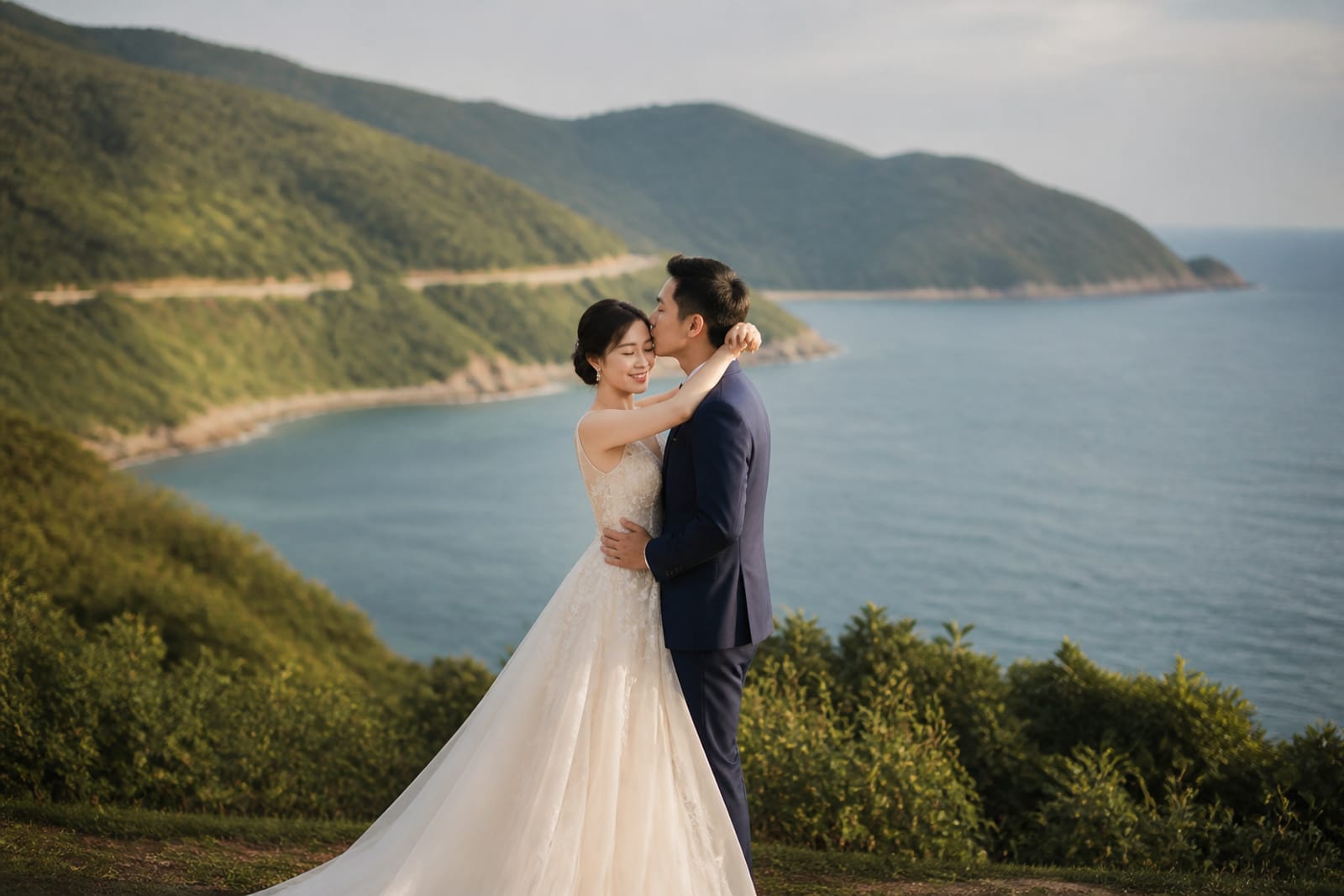
Son Tra Peninsula (Tien Sa area, Da Nang) and Linh Ung Pagoda (on the peninsula summit) require permits for commercial photography; private snapshots don't need approval, but paid sessions do. Drones are prohibited without special government permission—almost never granted for tourists. Linh Ung Pagoda itself has strict etiquette: remove shoes, dress respectfully, no tripods or large reflectors during worship hours. The best light runs 5:30–7:00 am (sunrise, soft, no crowds) and 4:30–6:00 pm (golden hour, fewer monks). Central-coast weather favors Feb–Aug; Sep–Dec brings typhoon risk and grey skies. Cáo Studio – Makeup & Photoshoot works with local guides in Da Nang who know permit pathways; a pre-wedding shoot there involves booking a licensed local photographer, not bringing your own crew unannounced. ---
Do I actually need a permit to shoot at Linh Ung Pagoda?
Yes, for any commercial or paid session. Entry as a visitor is free and unrestricted, but the moment a photographer is hired—or you're paying for a styled shoot—you're running a business activity on sacred ground. Da Nang Department of Culture approves permits case-by-case; processing takes 5–10 working days and requires the pagoda's written consent (contact them directly via their main office). Self-portraits and casual phone photos don't require permits. The pagoda administration sits in the lower temple complex; ask there or request their email for formal requests.
📸 Book on WhatsApp — pre-wedding photoshoot
Can I use a drone at Son Tra Peninsula or Linh Ung?
No drones are permitted without advance military/civil-aviation authorization. Son Tra is a sensitive peninsula (partly a nature reserve and former military zone); civilian drones are banned. Linh Ung Pagoda, being on state-protected land, also prohibits drones. The paperwork for legal drone flight in Da Nang requires applications to the provincial Department of Defence and Civil Aviation Authority—a process that typically takes 2–4 weeks and is rarely granted to tourists. Assume drone footage is off the table; plan your shot composition with ground-level light and perspective instead.
What's the best time of day to shoot here, and which season works?
Light and season table:
| Shooting window | Light character | Best season | Why it works |
|---|---|---|---|
| 5:30–7:00 am | Soft, cool, golden on water; few monks present | Feb–Aug (dry) | Clear sky, minimal haze; golden reflections on sea below pagoda |
| 10:00 am–3:00 pm | Harsh, flat, high contrast | All year (avoid) | Overhead sun washes colours; shadows on faces unflattering |
| 4:30–6:00 pm | Warm golden; monks less active | Feb–Aug (dry) | Golden hour hits pagoda facades; crowds thin out |
| 6:00 pm onward | Deep blue twilight; pagoda lights on | Feb–Aug (dry) | Moody, romantic; requires stable tripod; dusk civil twilight ≈20 min |
Feb–Aug brings consistent dry conditions and clear visibility of the sea below. May–Aug are hot (30–32°C) but reliably clear. Sep–Dec is typhoon season; Oct–Nov is worst (heavy rain, grey skies, occasional landslides close roads). Sunrise (5:30 am start) means a 5:00 am pickup from your hotel; golden hour (4:30 pm) allows a leisurely morning and avoids pre-dawn stress.
What should I wear, and how do I dress respectfully inside the pagoda?
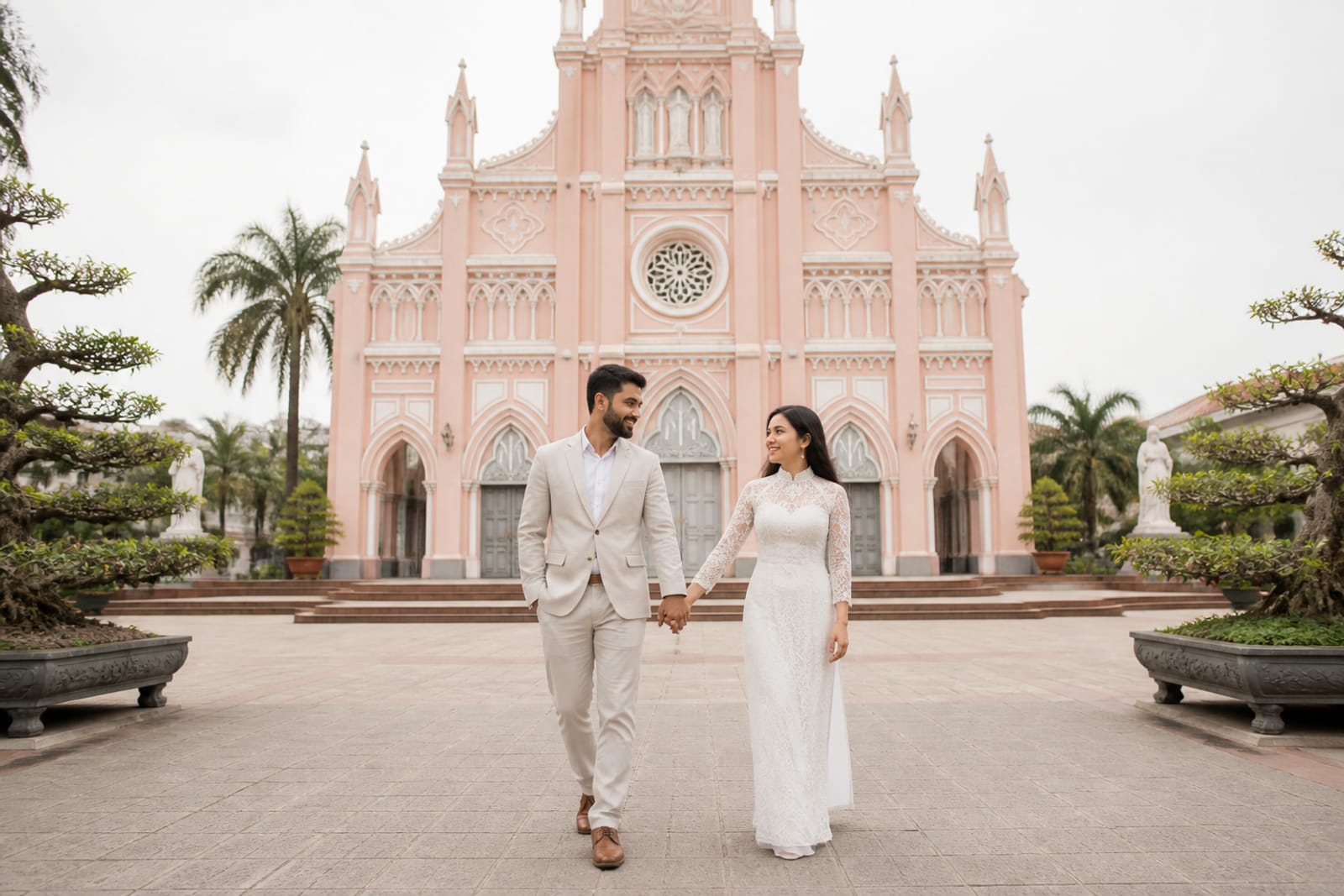
Wear an ao dai (traditional silk tunic) or formal Western dress outside the pagoda for landscape and coastal shots. Inside the main prayer hall and monk quarters: remove shoes, wear closed-toe sandals in hand, cover shoulders and knees, avoid bright patterns. Ao dai fits this perfectly—it's modest, respectful, and photographs beautifully against gilded interiors. Men should wear long trousers and a collared shirt. Accessories (hats, large bags) must be left at the entrance. Makeup and hair should be fresh but not theatrical; the pagoda's golden light is forgiving, and heavy makeup can look jarring in natural morning or evening light.
What are the real logistics: parking, access, and what goes wrong?
The cable car (departing lower station at Tien Sa base) is the only legal access to the pagoda; it operates from early morning (~7:00 am) to evening (~5:00 pm, check locally for exact hours). The cable car is slow (≈15 min each way) and can close for maintenance without warning—arrive at least 30 min before your planned shoot time to account for queues. No private vehicles, motorbikes or unauthorized guests reach the summit. Parking at the lower station is limited and fills by 7:30 am; book your cable car tickets in advance online if available, or plan to queue.
Common shoot failures:
- Arriving after 4:45 pm. Cable car stops running around 5:00–5:30 pm; if you're still shooting at sunset, you'll miss the last descent and be stranded until staff escort you down (slow, awkward, breaks the mood).
- Skipping the permit conversation. The pagoda can refuse photographers mid-session if no authorization is on file; always confirm with them 48 hours ahead.
- Wearing inappropriate clothes inside. Monks may politely ask you to leave the prayer hall if shoulders or knees are exposed; plan wardrobe changes or bring a shawl.
- Overstaying during worship. Morning (6:00–7:30 am) and evening (4:30–5:30 pm) are active worship times; monks won't stop you, but reverential silence is expected and crowds disrupt intimate couple shots.
Hire a local guide or photographer; they know permit status, cable-car schedules, and which interior spaces are open to cameras. Cáo Studio – Makeup & Photoshoot can advise on booking a licensed Da Nang photographer who handles permits and logistics.
How do I compare booking a local photographer vs. coming solo?
Comparison table:
| Option | Best for | Logistics | Permit headache | Cost factor |
|---|---|---|---|---|
| Hire a pre-wedding photographer through a local studio | Couples wanting professional output, permit peace of mind, makeup/hair on-site | Photographer handles permits, guides you through access, provides hair/makeup | Studio liaisons with pagoda; permit fee included in quote | Higher (studio overhead + local guide + permit fees) |
| Book a freelance Da Nang photographer | Budget-conscious couples, specific style preference | You coordinate permit separately; photographer advises but doesn't guarantee | You apply independently; photographer may not assist | Moderate (freelancer rate only; you pay permits) |
| Shoot solo (self-portraits, phone/tripod) | Casual couples, elopement vibes, DIY ethic | You carry tripod, manage cable-car luggage, navigate permit gray area | Risky—no permit if "professional" standard detected | Low (cable-car fee only; no photography fee) |
Solo shoots avoid hiring cost but introduce permit risk and limit creative control. Professional studios eliminate permit ambiguity and deliver polished imagery. Freelancers offer middle ground but require you to manage legality.
---
What to check before you book a pre-wedding shoot here
- Permit status. Ask the photographer (studio or freelance): "Do you hold written authorization from Da Nang Department of Culture to shoot commercial sessions at Linh Ung?" If they say "not needed" or "we've never had a problem," walk away.
- Cable-car access. Confirm the cable car is operating on your shoot date; typhoons and maintenance can close it. Ask your photographer to verify 48 hours before.
- Interior access. Not all pagoda interiors are open to cameras at all times. Request permission in writing from the pagoda office (via your photographer) to shoot inside the main prayer hall.
- Makeup and hair timing. If booking a studio, confirm whether hair/makeup happens at your hotel or on-site at the lower cable-car station. On-site usually means a small, shared prep room—ask for photos.
- Weather backup. Sep–Dec brings typhoon risk. Ask your photographer's rain-date policy; a reputable studio will offer a reschedule within 30 days, no charge.
- Outfit and wardrobe changes. Clarify exactly how many outfit changes you can do within your session time; inside the pagoda, you may need a private corner or small changing room (often unavailable).
---
Why Cáo Studio – Makeup & Photoshoot for a Da Nang shoot?
We don't operate a Da Nang branch, but our Saigon and Hanoi teams have coordinated pre-wedding shoots at coastal destinations through vetted local partners. We consult on permit legality, connect you with photographers who carry insurance and authorization, and—if you're based in Da Nang—provide makeup and hair services at your hotel the morning of your shoot so your photographer can focus on logistics. For ao dai rental and styling advice tailored to Linh Ung's light, reach out on WhatsApp.
📸 Book on WhatsApp — pre-wedding photoshoot
---
FAQ
Do I need a permit if I'm just a tourist taking photos?
No. Personal, non-commercial photography is unrestricted. A permit is required only when you hire a photographer or run a paid session. If it's self-portraits or your partner's phone camera, you're free to shoot.
How far in advance should I request a permit?
Submit your permit application 2–3 weeks before your shoot date to the Da Nang Department of Culture. Processing takes 5–10 working days; your photographer (or studio) should initiate this, not you.
What if the cable car is closed on my shoot day?
Access to Linh Ung Pagoda is only by cable car; no alternative route exists. If it closes due to weather or maintenance, your shoot must be rescheduled. Reputable photographers offer rain-date options within 30 days.
Can I bring a tripod inside the pagoda?
Large tripods are discouraged during active worship hours (6:00–7:30 am, 4:30–5:30 pm). A small, lightweight travel tripod is usually acceptable if you ask permission first. Monopods are often permitted when tripods aren't.
Is morning or evening light better at Linh Ung Pagoda?
Both work beautifully. Morning (5:30–7:00 am) offers soft, cool light, fewer monks, and zero crowds—but requires an early wake-up. Evening (4:30–6:00 pm) gives warm golden hour and is less rushed, but you must finish before the cable car closes (≈5:00–5:30 pm). Choose based on your energy and style preference.
What happens if my photographer doesn't have a permit?
The pagoda may ask you both to leave mid-session if staff detect a professional crew without authorization. Permit-free shoots invite refusal, safety risk, and no backup. Always verify in writing before booking.
FAQ
Do I need a permit if I'm just a tourist taking photos?
No. Personal, non-commercial photography is unrestricted. A permit is required only when you hire a photographer or run a paid session. If it's self-portraits or your partner's phone camera, you're free to shoot.
How far in advance should I request a permit?
Submit your permit application 2–3 weeks before your shoot date to the Da Nang Department of Culture. Processing takes 5–10 working days; your photographer (or studio) should initiate this, not you.
What if the cable car is closed on my shoot day?
Access to Linh Ung Pagoda is only by cable car; no alternative route exists. If it closes due to weather or maintenance, your shoot must be rescheduled. Reputable photographers offer rain-date options within 30 days.
Can I bring a tripod inside the pagoda?
Large tripods are discouraged during active worship hours (6:00–7:30 am, 4:30–5:30 pm). A small, lightweight travel tripod is usually acceptable if you ask permission first. Monopods are often permitted when tripods aren't.
Is morning or evening light better at Linh Ung Pagoda?
Both work beautifully. Morning (5:30–7:00 am) offers soft, cool light, fewer monks, and zero crowds—but requires an early wake-up. Evening (4:30–6:00 pm) gives warm golden hour and is less rushed, but you must finish before the cable car closes (≈5:00–5:30 pm). Choose based on your energy and style preference.
What happens if my photographer doesn't have a permit?
The pagoda may ask you both to leave mid-session if staff detect a professional crew without authorization. Permit-free shoots invite refusal, safety risk, and no backup. Always verify in writing before booking.
Ao dai, makeup, hair and a local photographer in Hanoi or Saigon — one WhatsApp message.