/pre-wedding-photoshoot
Pre-wedding photoshoot at Bat Trang ceramic village, Hanoi: complete g
Bat Trang is a working pottery village 15 km southeast of central Hanoi, where a pre-wedding photoshoot captures authentic craftsmanship, warm clay tones and intimate street geometry in the first 2–3 hours after sunrise. Unlike urban Hanoi backdrops, Bat Trang offers raw texture—raw clay stacks, firing scars, artisan movement—but light is direct and harsh after 9 a.m., crowds arrive mid-morning, and muddy lanes demand careful footwear. Cáo Studio – Makeup & Photoshoot arranges Bat Trang shoots for pre-wedding & elopement couples; sessions work best October–November (dry, soft light, mild temperatures) or February–March (cool, clear). Avoid May–September (heat, humidity, midday haze) and the weeks around Tet (closed workshops, family visits). Budget 1.5–2 hours on location, arrive by 6:30 a.m. if possible, and confirm current village access and parking before booking. --- 📸 Book on WhatsApp — ao dai photoshoot | 🌸 See the lookbook
Why Bat Trang works for pre-wedding couples—and when it doesn't
Bat Trang's appeal lies in its contradiction: it is neither a curated heritage site nor a modern backdrop. Potters work as you shoot. Clay dust catches light. Kiln marks become texture, not distraction. This authenticity suits couples who want evidence of place, not just pretty. However, Bat Trang is not a destination for formal, pristine imagery. If your vision is a white ao dai gleaming against a polished wall, go elsewhere (central Hanoi, Hoi An, or a controlled studio). If you crave editorial realism—worn surfaces, morning light, your partner's hands in clay—Bat Trang delivers. The trade-off: muddy lanes, unpredictable workshop schedules, and zero shelter if light turns grey. Couples who've shot Bat Trang report genuine surprise at how much unplanned detail—a potter at her wheel, kiln heat shimmer, the weight of a clay vessel—became their favorite frames.
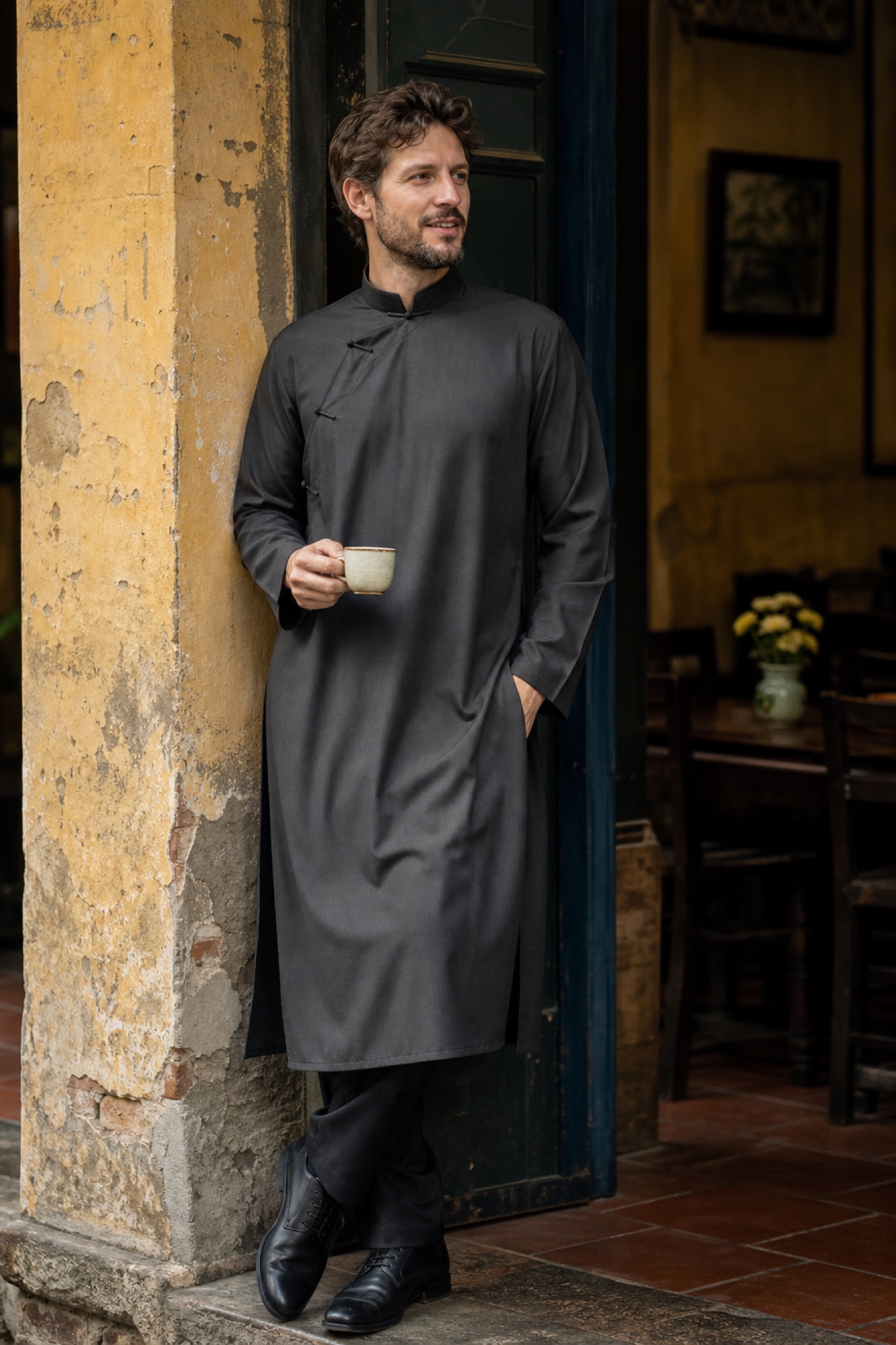
How light moves through Bat Trang across the day
The village runs north–south along a creek. Narrow lanes between workshops create shadow corridors; open work areas (clay drying grounds, kiln yards) flood with direct sun. At 5:45–6:30 a.m., light is golden, angled, soft—low enough to rake across uneven clay and stacked pottery without harsh contrast. By 7:30 a.m., light is pale and still directional. By 9 a.m., the sun is high; shadows shrink to hard patches under eaves. By 11 a.m., the entire village is exposed, bright, and unflattering for skin tones and clothing color. The best window is 6:00–8:00 a.m.—tight, but sufficient for 60–90 minutes of material. Early afternoon (2:00–3:30 p.m.) offers softer, warmer light as the sun drops west, but by then tourists and school groups fill lanes, and potters take lunch breaks. A photographer who understands north–south orientation and can scout locations before the shoot will position you for the approaching light, not chase it reactively.
| Light window | Best for | What works | Heads-up |
|---|---|---|---|
| 5:45–7:00 a.m. | Intimate, editorial | Golden, angled; few people; cool air | Very early; some potters not yet working |
| 7:00–8:30 a.m. | Balanced editorial | Soft-directional; potters active; short shadows | Daylight hardens at 8:30 a.m. |
| 9:00 a.m.–noon | Bright, crisp | High sun, sharp detail | Harsh contrast; unflattering for skin; tourist groups arrive |
| 2:00–3:30 p.m. | Golden-hour alternative | Warm, low angle | Crowds peak; many workshops closed |
What to wear under an ao dai at Bat Trang—and what will go wrong
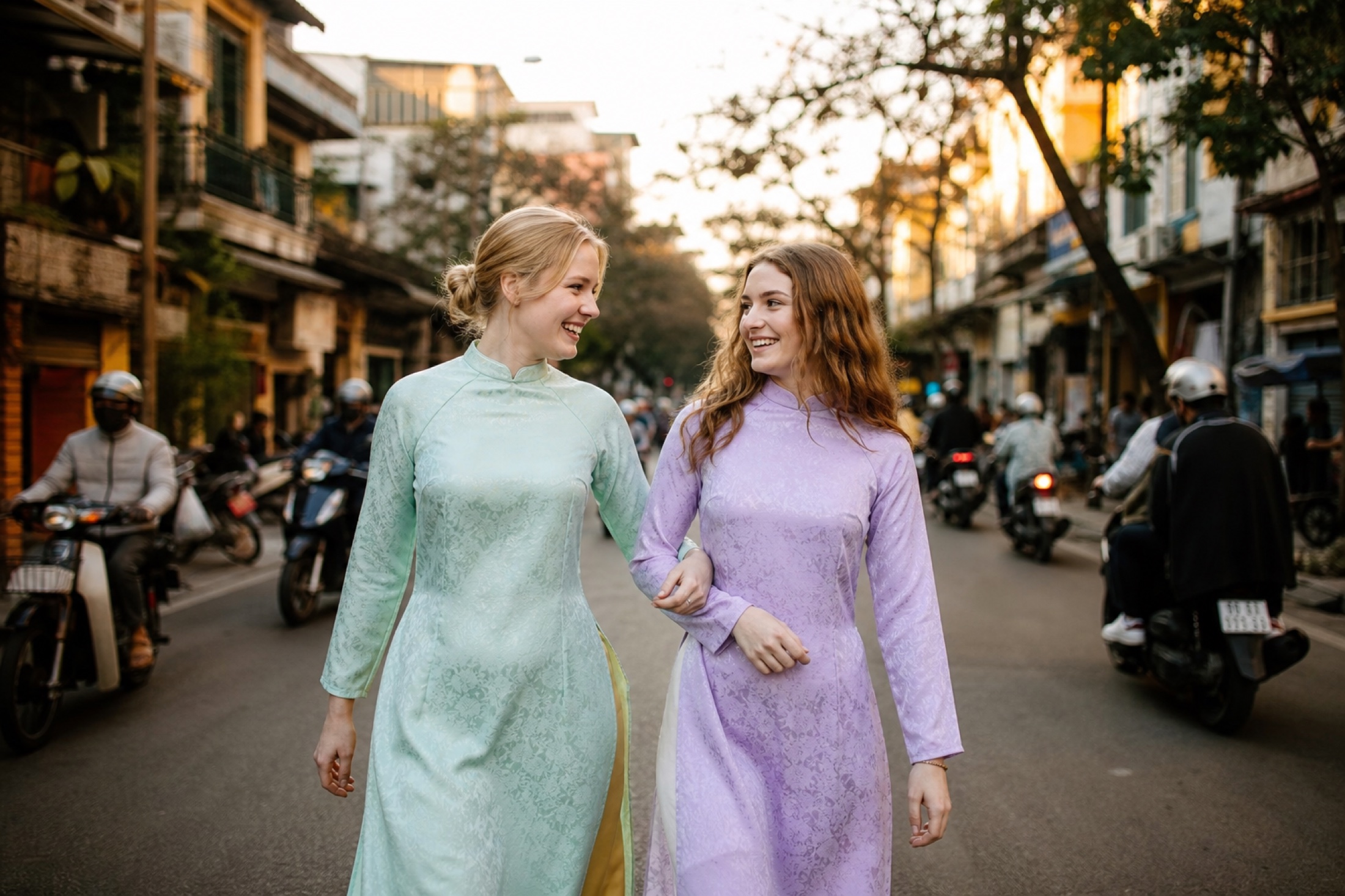
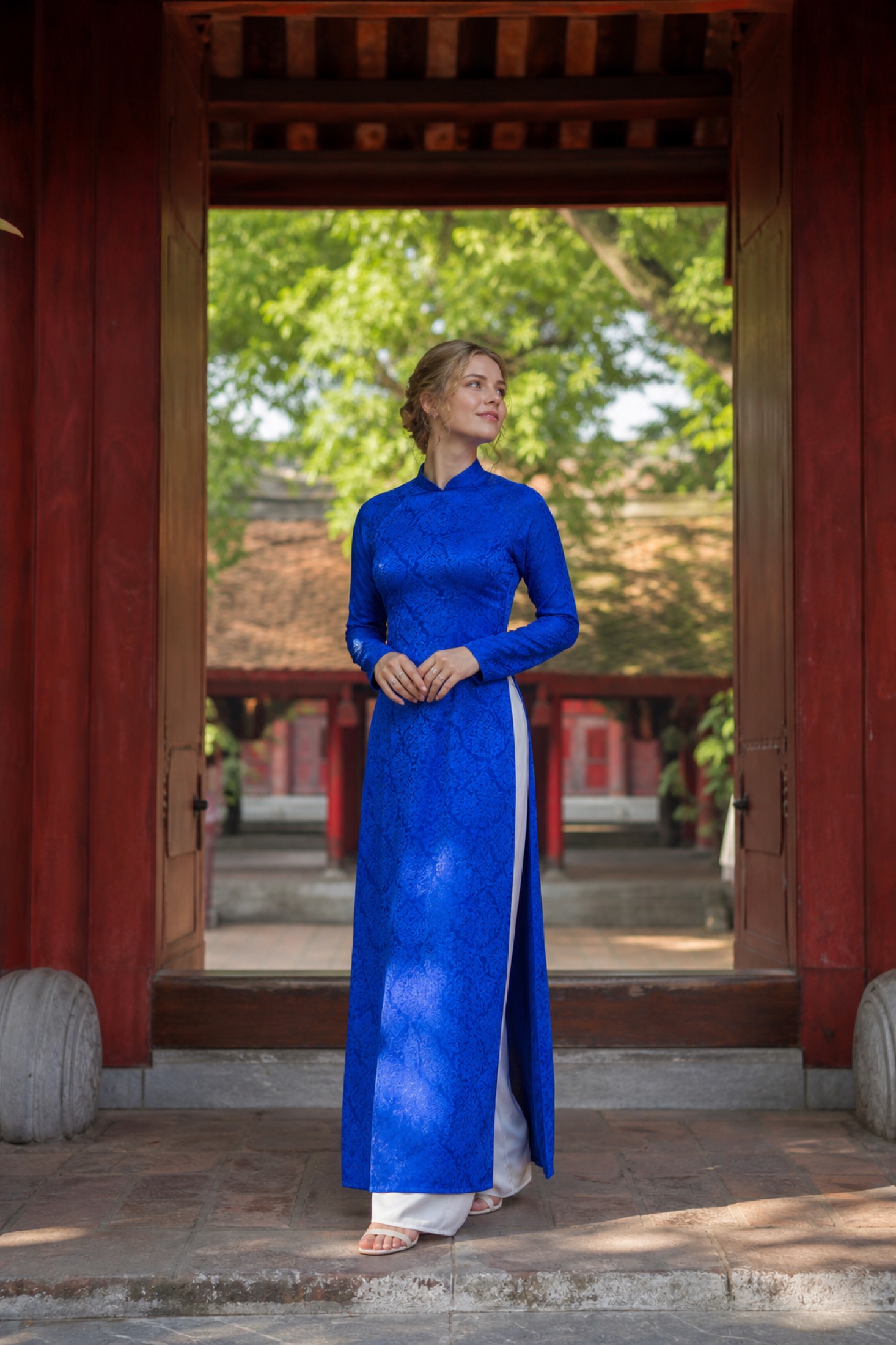
An ao dai's elegance depends on fit, and Bat Trang tests it. The tunic hangs free to the knees, slits run to the hip, and silk or cotton moves with air. Beneath, you'll wear high-waisted black or white trousers. Here's the reality: clay dust clings to fabric, especially silk. Damp stone and mud splash upward. If you kneel (for texture shots, to sit on a low stool), your trousers absorb clay water. If you're renting an ao dai, check the fabric—silk is breathable but stains visibly; cotton or a silk-cotton blend is more forgiving. Wear clean, minimal undergarments; visible lines or bright colors show through pale ao dai. Footwear is critical: kiln yards are uneven, drainage is poor, and puddles are common even on dry days. A photographer worth booking will have spotted safe footing and suggest flat, closed shoes (ballet flats, minimalist sneakers) that you can slip off for key frames, then step back into. White trousers photograph beautifully in morning light but show every wet mark. Black is safer, especially if you'll move between wet and dry surfaces. Ask Cáo Studio about ao dai rental options that come with styling advice for location-specific challenges.
How to navigate the Bat Trang shoot checklist—before and during
Preparation determines outcome. Here's a working list based on what reshoot requests and common hiccups reveal:
Before you book:
- Confirm with Cáo Studio that Bat Trang access is current (workshop schedules and local restrictions shift seasonally).
- Choose your season: October–November is ideal (dry, mild, clear light); February–March is secondary (cool, sometimes hazy). Avoid May–September.
- Decide on outfit count. One ao dai works; two means a 10-minute change in a workshop owner's side room (ask in advance if this is possible).
- Pin your must-have frames (e.g., detail of your hands, both of you among clay vessels, one formal portrait). A photographer who listens to this shapes the shoot's rhythm.
On the morning:
- Arrive by 6:15 a.m. This sounds extreme. It's not. You'll meet the photographer for a 10-minute location scout, confirm light direction, and position yourselves before the first passersby appear.
- Skip breakfast until after; shooting on a full stomach in cool morning air is uncomfortable. Bring water.
- Walk the lanes once, unrushed. Potters will notice you, and many will give permission to photograph their work or workspace. This happens organically, not by asking a guide.
- Ask the photographer to frame shots so that ao dai folds and trousers stay visible; Bat Trang's tight lanes mean you'll often be between walls, and a full-body frame captures the place better than close-ups.
During the 90 minutes:
- Expect 15–20 minutes of setup and light-checking. That's not wasted time; it's what separates a coherent shoot from a chaotic one.
- If you feel self-conscious (pottery villages attract local attention), ask the photographer for a quiet side-lane shot first—familiarity builds confidence.
- Stop at one or two potters' studios if they invite you. The best frames often happen inside, where kiln heat and dust create drama you can't plan for.
Comparing Bat Trang to Hanoi's other pre-wedding hotspots
Bat Trang is one option in a city with many. Understanding its strengths relative to alternatives helps you choose.
| Location | Aesthetic | Access & timing | Season & light | Best for |
|---|---|---|---|---|
| Bat Trang | Raw, authentic, textured | 15 km south; 6:00–8:00 a.m. window tight | Oct–Nov ideal; Feb–Mar OK; avoid May–Sep | Editorial couples, texture seekers, authentic backdrop |
| Old Quarter (Hanoi) | Urban, architectural, colonial | Central; any hour; crowded noon–5 p.m. | Year-round accessible; Oct–Nov best light | Formal, classic, easy logistics, quick sessions |
| Hoan Kiem Lake / Phan Dinh Phung | Romantic, tree-lined, graceful | Central; weekend evenings pedestrian-only | Oct–Nov: autumn foliage peak; Dec–Feb: bare trees | Intimate, lakeside, couple portraits, soft light |
| Tran Quoc Pagoda | Spiritual, lakeside, serene | 4 km north; early morning before crowds | Oct–Nov: clear; avoid peak crowds 8–11 a.m. | Contemplative, cultural, temple backdrop |
| Ninh Binh (Trang An) | Dramatic, karst, natural | 100 km; full-day excursion; hire local photographer | Oct–Nov: dry, clear; Feb–Apr: haze | Adventure, landscape-scale, destination feel |
Each suits a different couple. Bat Trang appeals to those who value process, imperfection and place over polish. Couple & family photoshoots at central Hanoi sites work for quick, formal sessions. For a destination feel without traveling far, Ninh Binh (a 90-minute drive) offers scale and nature. Check Cáo Studio's Hanoi page for examples of each location's output.
Cost factors and what to check before you book
Cost for a pre-wedding Bat Trang shoot depends on several variables—not all financial. Understand them before inquiring.
What affects the engagement:
- Season. October–November demands early booking (the most popular 60 days in Hanoi's year). February–March has softer demand but cooler, sometimes cloudier mornings. Shoulder seasons (April–May, September–October) cost the same but offer fewer ideal light days.
- Travel time. Bat Trang is 15 km from central Hanoi. Depending on traffic and your starting point (hotel, ao dai rental shop), pickup may begin at 5:00–5:30 a.m. Earlier pickups don't cost more, but they're logistically harder and require a committed couple.
- Outfit count. One ao dai? Straightforward. Two outfits? You'll need a change location (a workshop, a hired room, a vehicle). That adds time and complexity.
- Makeup and hair. If you book makeup & hair at your hotel separately, confirm the timing—your artist needs to finish by 5:30 a.m. for a 6:15 a.m. arrival at Bat Trang. Alternatively, Cáo Studio can coordinate. Ask on WhatsApp.
- Photographer type. A general event photographer familiar with Bat Trang costs less than a pre-wedding specialist but may not scout light or anticipate authenticity moments. Cáo Studio's pre-wedding & elopement photographers are trained for this exact work.
- Output and timeline. How many edited images? When do you receive them? These are commercial terms that vary by studio. Confirm in your WhatsApp quote.
What to check before saying yes:
- Does the quote include Bat Trang travel time (your transport and photographer's)?
- Are makeup and hair included, or booked separately?
- If your ao dai is rented, can the rental shop deliver early enough, or do you collect it the night before?
- What's the backup plan if weather is grey or drizzly? (Bat Trang can shoot in soft rain, but visibility drops and mood changes. Clarify whether you reschedule or adapt.)
- Will the photographer scout locations beforehand, or only on the shoot day?
- How many final edited images will you receive?
Cáo Studio – Makeup & Photoshoot quotes are sent on WhatsApp; include your date, season preference, outfit count, and makeup needs. The quote will break down travel, shoot time, and delivery.
---
📸 Book on WhatsApp — pre-wedding & elopement | 💄 Makeup & hair at your hotel
A seasonal reality check: why October–November wins, and when alternatives shine
Hanoi's climate is not uniform for photography. Each season brings different constraints.
October–November (the pre-wedding peak):
- Dry, mild (18–25°C), low humidity, clear light.
- Bat Trang's morning light is golden and soft.
- Autumn foliage peaks mid-October (trees in Phan Dinh Phung are stunning).
- Downside: every couple books now; photographer availability tightens; you'll compete for prime morning slots.
- Verdict: ideal, but book 4–6 weeks ahead.
December–February (Hanoi's winter):
- Cool (10–20°C), often overcast, sometimes drizzly.
- Light is flat and grey in Bat Trang; morning "golden hour" is muted.
- Tet (late January–mid-February) closes workshops and fills streets; avoid this window.
- Upside: fewer crowds; quieter village; introspective, muted aesthetic suits some couples.
- Verdict: secondary choice; requires a photographer confident in grey light.
March–April (spring):
- Mild (15–25°C), but humidity rises; haze is common, especially by late morning.
- Light softens (not ideal), and atmospheric haze reduces clarity.
- Green growth is lush; gardens bloom.
- Upside: fewer crowds than autumn; cooler than summer.
- Verdict: acceptable if you like muted tones; confirm haze forecast on shoot day.
May–September (summer through early autumn):
- Hot (30–35°C+), very humid, heavy afternoon downpours (June–August), typhoon remnants (August–September).
- Bat Trang becomes sticky; ao dai clings; makeup sweats; light is harsh and blown-out by 7:30 a.m.
- Lotus season (June–July) is beautiful elsewhere, but not ideal for Bat Trang pre-wedding shoots.
- Verdict: avoid unless you have no choice.
Choose October–November if possible. If your date is fixed elsewhere, ask Cáo Studio how to adapt the shoot for your season.
---
Bat Trang shoot FAQ: real questions from couples
Q: Do I need permission to photograph in potters' workshops? A: Yes, always ask. Most potters are welcoming (photography brings attention, which can mean sales), but respect their workspace—don't touch clay, kiln, or finished work without invitation. A photographer who understands this etiquette will negotiate on your behalf.
Q: Can we hire a local Bat Trang guide, or is a Hanoi photographer better? A: A Hanoi photographer with pre-wedding experience knows how to compose light, pose couples, and deliver edited images on a timeline. A local guide knows the village, potters, and shortcuts. Ideally, hire a pre-wedding photographer from Hanoi (like Cáo Studio) who has shot Bat Trang before. They combine both skills.
Q: What if it rains the morning of our shoot? A: Light rain (drizzle) is manageable—soft light, wet surfaces reflect beautifully, fewer tourists. Heavy rain makes footing unsafe and visibility poor. Confirm with your photographer beforehand: will you reschedule, or adapt with umbrellas and indoor shots?
Q: How many frames will we actually use from a Bat Trang session? A: That depends on the photographer's style and your needs. A typical pre-wedding shoot yields 60–150 edited images; couples usually choose 8–20 favorites for albums or prints. Bat Trang's texture means more images might genuinely be "keepers" because every surface adds narrative.
Q: Should we rent an ao dai or bring our own? A: Renting is common for travelers and removes transport stress. Ao dai rental includes styling advice for locations like Bat Trang. If you own an ao dai, bring it—a familiar fit is priceless on shoot day. Either way, confirm fit and fabric a few days before.
Q: Can we shoot Bat Trang as part of a longer pre-wedding day (other locations, lunch, evening session)? A: Yes, but plan carefully. Bat Trang's tight morning window (6:00–8:00 a.m.) doesn't extend. If you want a second location (Old Quarter, Hoan Kiem) or a lunch break afterward, the afternoon session won't match Bat Trang's light quality. Most couples do Bat Trang as a focused morning shoot, rest, then book a separate evening session elsewhere. Ask Cáo Studio about couple & family photoshoots combining multiple locations.
Q: Is Bat Trang suitable for a proposal photoshoot, or only pre-wedding? A: Bat Trang works beautifully for proposals—the raw authenticity and quiet morning lanes feel intimate. However, proposals require a second photographer to capture your partner's genuine reaction while the lead photographer frames you both. Check proposal & anniversary packages on the Cáo Studio site.
Q: Do we need to book accommodation near Bat Trang, or can we shoot from central Hanoi? A: You can travel from central Hanoi (15 km, about 30 minutes depending on traffic). A 5:30 a.m. pickup is early but doable. Some couples stay near Bat Trang the night before to eliminate commute stress and wake early without rush. Either works; the trade-off is logistics vs. convenience.
---
Next steps: booking a Bat Trang pre-wedding shoot with Cáo Studio
You now understand Bat Trang's advantages (authentic, textured, editorial light), constraints (tight morning window, seasonal variation, muddy ground), and how to prepare. Cáo Studio – Makeup & Photoshoot has pre-wedding & elopement expertise across Hanoi locations, including Bat Trang.
To book:
- Check Cáo Studio's lookbook for examples of previous Bat Trang or autumn shoots.
- Message on WhatsApp +84 338 762 340 with your date, preferred season, outfit count, and any styling needs (e.g., makeup, ao dai rental). Include a sentence about what you're drawn to—texture, authenticity, a specific mood.
- Confirm the quote covers travel, shoot time, makeup (if desired), and delivery timeline. Ask whether the photographer will scout Bat Trang beforehand.
- Book makeup & hair through makeup & hair at your hotel if you're coming from outside Hanoi, or confirm timing if you're renting an ao dai locally.
- Finalize logistics: parking, pickup point, ao dai delivery or rental timeline, and a rain backup plan.
Bat Trang is worth the early morning. Couples who've done it consistently report that the shoot felt less like posing and more like being present in a place. That's the village working.
---
📸 Book on WhatsApp — pre-wedding & elopement | 🌸 See the lookbook
FAQ
When is the best time of year to shoot at Bat Trang?
October–November is ideal—dry, mild, soft morning light, and fewer clouds. February–March is acceptable but cooler and sometimes hazy. Avoid May–September (heat, humidity, harsh light, afternoon rain).
Do I need to book a Hanoi-based photographer, or can I hire someone local to Bat Trang?
A pre-wedding photographer from Hanoi with Bat Trang experience (like Cáo Studio) combines pre-wedding expertise, professional editing, and location knowledge. A local guide alone won't deliver polished images on a timeline. Hire a pre-wedding specialist.
What should I wear under an ao dai at Bat Trang to avoid stains?
Wear black or dark trousers—they hide clay splashes better than white. Choose flat, closed shoes; clay dust clings to exposed skin and fabric, and kiln yards are uneven. If you're renting an ao dai, ask about cotton-blend fabrics, which forgive dirt better than pure silk.
How early do we need to arrive at Bat Trang?
Arrive by 6:15 a.m. The best light is 6:00–8:00 a.m., and a 10-minute location scout before shooting is essential. An early arrival feels extreme but is worth it—you'll be alone in the village, and light is at its best.
Can we combine a Bat Trang shoot with other Hanoi locations in one day?
Bat Trang's light window is tight (6:00–8:00 a.m.). Most couples book Bat Trang as a focused morning session and schedule a second location (Old Quarter, Hoan Kiem Lake) in the afternoon. A full-day shoot with multiple locations requires careful planning—ask Cáo Studio on WhatsApp.
What is the backup plan if the weather is grey or rainy?
Light rain (drizzle) is manageable—wet surfaces reflect beautifully and light is soft. Heavy rain makes footing unsafe. Confirm in advance whether you'll reschedule or adapt by shooting indoors with a workshop. Cáo Studio will advise based on the forecast.
Is Bat Trang suitable for a proposal photoshoot?
Yes, the intimate morning lanes and authentic backdrop suit proposals beautifully. However, you'll need a second photographer to capture your partner's genuine reaction. Check proposal & anniversary packages with Cáo Studio.
FAQ
When is the best time of year to shoot at Bat Trang?
October–November is ideal—dry, mild, soft morning light, and fewer clouds. February–March is acceptable but cooler and sometimes hazy. Avoid May–September (heat, humidity, harsh light, afternoon rain).
Do I need to book a Hanoi-based photographer, or can I hire someone local to Bat Trang?
A pre-wedding photographer from Hanoi with Bat Trang experience (like Cáo Studio) combines pre-wedding expertise, professional editing, and location knowledge. A local guide alone won't deliver polished images on a timeline. Hire a pre-wedding specialist.
What should I wear under an ao dai at Bat Trang to avoid stains?
Wear black or dark trousers—they hide clay splashes better than white. Choose flat, closed shoes; clay dust clings to exposed skin and fabric, and kiln yards are uneven. If you're renting an ao dai, ask about cotton-blend fabrics, which forgive dirt better than pure silk.
How early do we need to arrive at Bat Trang?
Arrive by 6:15 a.m. The best light is 6:00–8:00 a.m., and a 10-minute location scout before shooting is essential. An early arrival feels extreme but is worth it—you'll be alone in the village, and light is at its best.
Can we combine a Bat Trang shoot with other Hanoi locations in one day?
Bat Trang's light window is tight (6:00–8:00 a.m.). Most couples book Bat Trang as a focused morning session and schedule a second location (Old Quarter, Hoan Kiem Lake) in the afternoon. A full-day shoot with multiple locations requires careful planning—ask Cáo Studio on WhatsApp.
What is the backup plan if the weather is grey or rainy?
Light rain (drizzle) is manageable—wet surfaces reflect beautifully and light is soft. Heavy rain makes footing unsafe. Confirm in advance whether you'll reschedule or adapt by shooting indoors with a workshop. Cáo Studio will advise based on the forecast.
Is Bat Trang suitable for a proposal photoshoot?
Yes, the intimate morning lanes and authentic backdrop suit proposals beautifully. However, you'll need a second photographer to capture your partner's genuine reaction. Check [proposal & anniversary packages](/proposal-and-anniversary) with Cáo Studio.
Ao dai, makeup, hair and a local photographer in Hanoi or Saigon — one WhatsApp message.