/pre-wedding-photoshoot
Pre-wedding photoshoot at Ta Van village, Sapa: complete guide
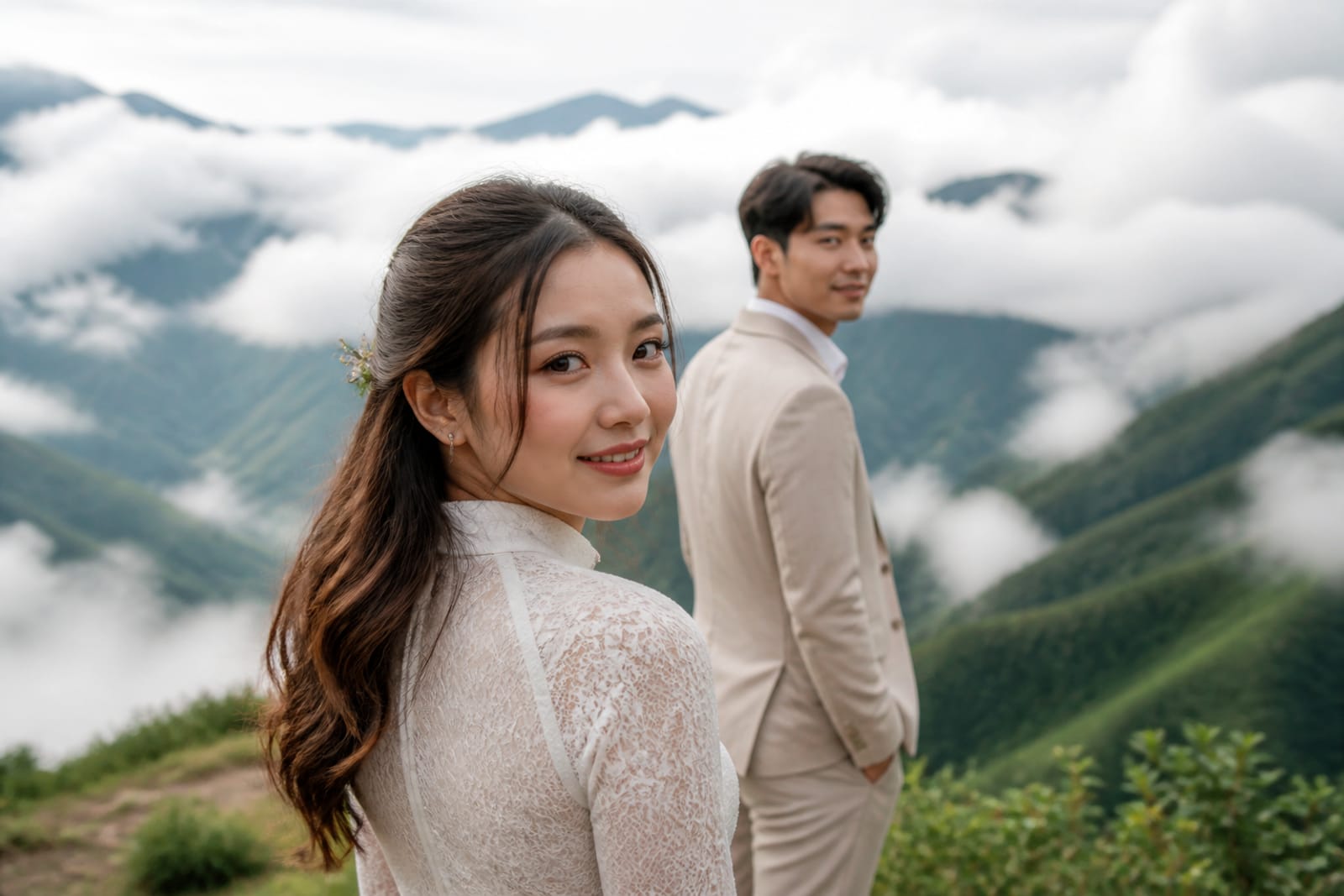
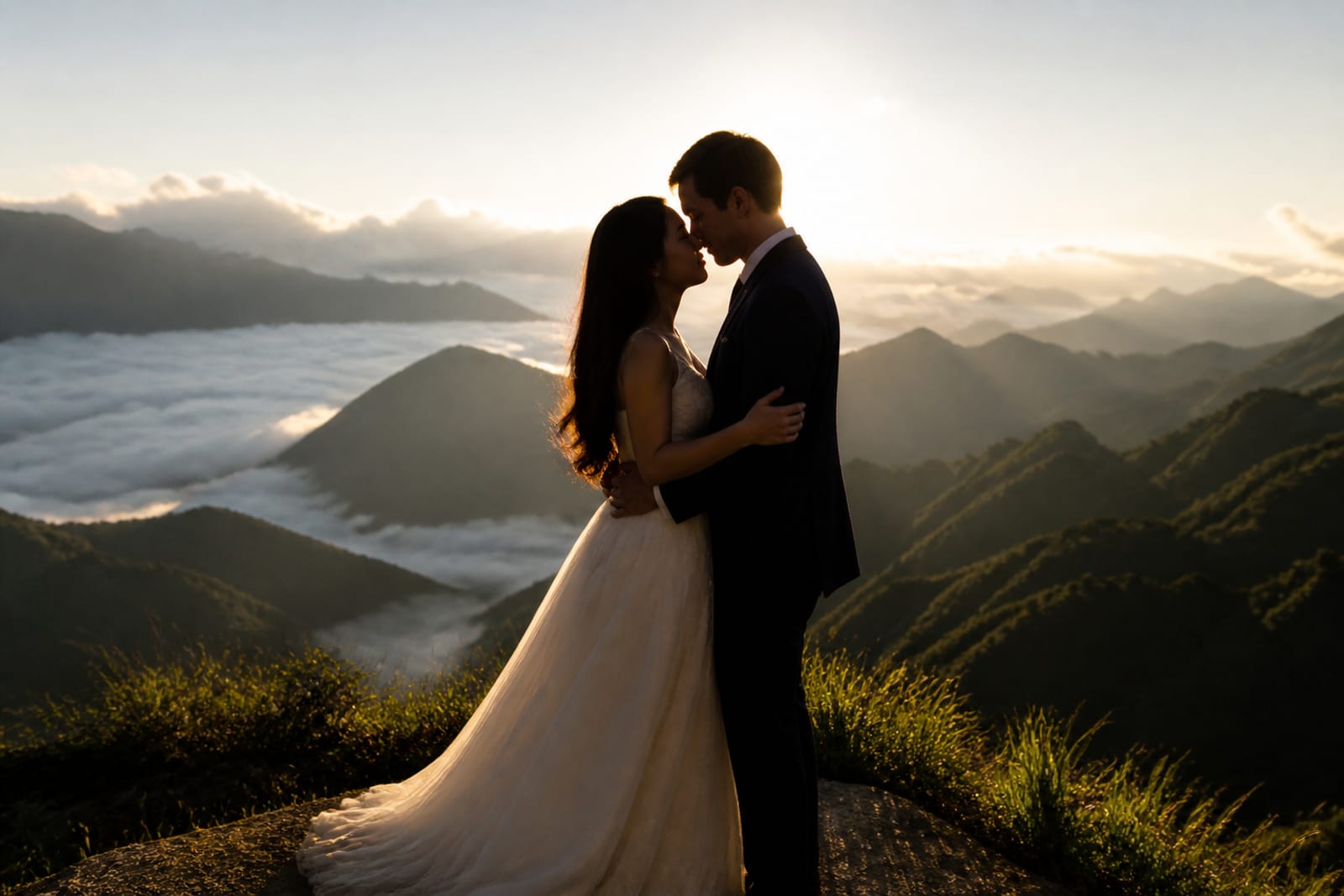
A pre-wedding photoshoot at Ta Van village means a full-day session in Sapa's northwest rice terraces, typically 6–8 hours including travel to homestays, village paths, and water-filled paddies. The village sits at roughly 1,000 m elevation; terraces are green May–August, golden September to early October (harvest), and water-filled April–May. Weather is unpredictable: morning fog clears by 09:00, afternoon clouds roll in around 15:00. You need sturdy footwear, lightweight layers, and ao dai (traditional dress) that fits over a slip or leggings—wet mud and steep paths make stilettos and heavy fabrics risky. Cáo Studio – Makeup & Photoshoot does not operate in Sapa; you must hire a Hanoi-based team (3–4 days travel from the city, budget for guide, driver, and accommodation) or find a local Sapa photographer. This guide covers spot selection, season trade-offs, outfit strategy, and vetting a photographer before booking. ---
Why do rice terraces matter for pre-wedding photos in Ta Van?
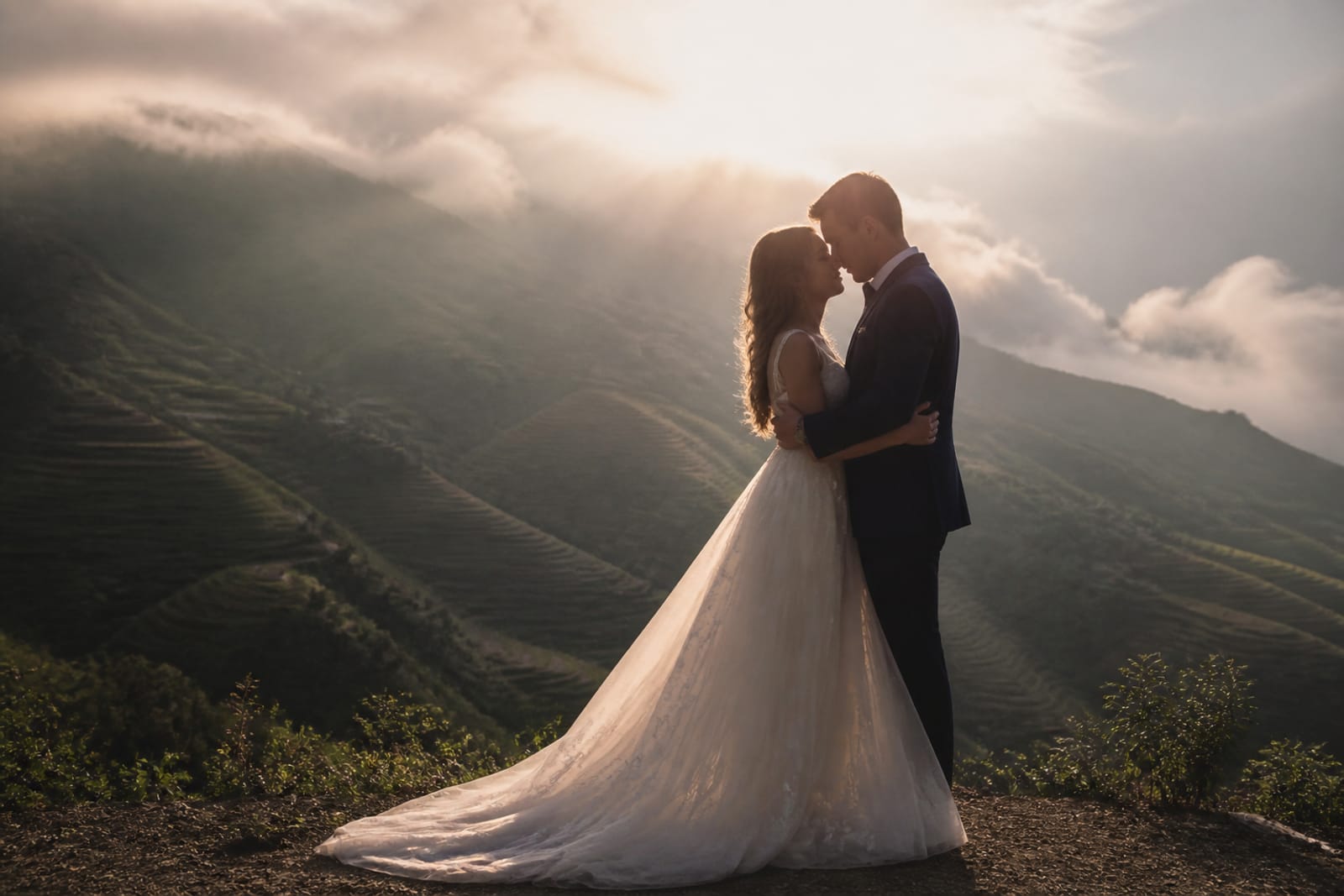
Ta Van's terraces are shaped by Zay farmers over centuries, creating naturally tiered layers and sinuous contours that frame couples at multiple heights. Unlike flat paddy fields, the topography forces composition depth: foreground blur, middle-ground couple, background mountains and sky. Morning light (06:30–09:00) rakes across the slopes, casting long shadows that emphasize texture; midday (10:00–14:00) is flat but allows cleaner color; late afternoon (15:00–17:30) creates golden backlighting if clouds cooperate. Water presence—full ponds (April–May, after rain), muddy paths (June–August), dry stubble (November–January)—changes safety and aesthetic hourly. The key decision: shoot during green season (harder footing, intense humidity, daily showers) or harvest window (October, best light and clarity, but fields strip quickly).
What season gives you the best light and fewest weather headaches?
| Season | Rice state | Light quality | Weather risk | Best for | Outfit fit |
|---|---|---|---|---|---|
| Mar–May (pre-monsoon) | Green shoots, water-filled | Clear, golden early morning | Afternoon rain, sudden fog | Outdoor ao dai, wet-soil texture | Layers needed; slip prevents mud stain |
| Jun–Aug (peak green) | Dense, vivid green | Softer, green-heavy casts; midday harsh | Daily downpours 14:00–16:00, mud depth 10–15 cm | Couple intimacy shots, foliage framing | Long silk ao dai risks staining; cotton slip essential |
| Sep–Oct (early harvest) | Golden, fields strip mid-month | Warmest, richest color, longest clear hours | Rare rain; typhoon watches late Sep | Landscape scale, contrast | Lightweight ao dai; bare-foot shots doable on dry stubble |
| Nov–Feb (dry, post-harvest) | Stubble, plowed, sometimes replanted | Coldest, sharpest contrast; fog 06:00–09:00 | Frost, rare snow (Dec–Jan), zero humidity | Silhouette, dramatic shadows | Heavy ao dai layers; thermal slip under dress |
Conclusion: October offers the clearest light and safest footing; May is lush but wet; December is crisp but foggier.
How do you prepare an ao dai for muddy fields and steep slopes?
Wearing an ao dai in rice terraces demands two decisions: style and layers. The outer silk or cotton áo dài (tunic) is fixed; the problem is the inner áp-phực (slip) and footwear.
Slip strategy: A white or neutral silk slip or cotton legging under the áo dài prevents mud spray, wet grass stain, and cold. Avoid thick cotton tights—they trap sweat in humidity and show through light colors. Silk or merino wool moisture-wicks faster. Slip length should cover mid-calf so when you wade or climb, the áo dài front folds without exposing bare shins to mud.
Footwear: Heels are non-negotiable to remove. Opt for:
- Bare feet (October harvest, dry stubble only; messy April–September)
- Minimalist sandals with grip (e.g., Keen, Teva) for water and slippery stone
- Lightweight trail shoes in neutral color (worn for setup, removed for shot)
Fit and fabric: Heavy raw silk wrinkles less than cotton and sheds mud easier when dry; thin silk clings to wet legs and shows every footprint. Consider a slightly oversized fit to layer a thermal or moisture-wicking slip without puckering. A tailor in Sapa town can alter a rental in 2–3 days if you arrive early.
Pro detail: Bring a cotton sarong or a second lightweight slip. After muddy shots, wipe and change; the photographer can grab you clean for homestay interior or evening shots. One couple's mistake: wearing the same slip for 8 hours in June humidity, then discovering brown stains that didn't show wet.
What does a full day in Ta Van actually include—and what can go wrong?
A typical pre-wedding shoot in Ta Van runs 07:00–17:00 or 08:00–18:00 depending on the photographer's plan and your energy. Here is a real timeline:
- 06:30–07:30: Pickup from hotel in Sapa town (15 min drive); breakfast at homestay or on the road.
- 07:30–09:30: First shoot location, usually high terraces or homestay entrance; morning fog clearing, soft light. Couples do outfit change in homestay (15–20 min). Risk: fog lingers if it's December or cloudy; you lose 30 min of light.
- 09:30–11:00: Hiking to mid-terrace or waterfall paths; medium intensity, photo breaks every 10 min. Couples often underestimate fatigue in high altitude and humidity. Risk: one partner tires, tension creeps into expression; slow the pace.
- 11:00–12:30: Homestay break: lunch, outfit change, makeup touch-up. Photographer scouts next location or edits a sample. Risk: eating heavy or spicy food, then hiking, leads to visible discomfort in afternoon shots.
- 12:30–15:00: Main shoot: field immersion, water shots (if safe), wider landscapes, close couple portraits. This is when heat and humidity peak (May–Aug). Risk: sweat seeps through ao dai, mosquitoes swarm, afternoon clouds move in unexpectedly.
- 15:00–17:00: Late-afternoon shot: golden hour (if clear), homestay interiors, or cultural moment (meeting Zay family, traditional tea). Risk: clouds often arrive 15:00–16:00 in monsoon season; backup to homestay framing.
- 17:00–17:30: Wrap, change, drive back to hotel. Risk: long silence in the car if the day felt rushed or energy dipped.
Common obstacles:
- Rain: no shoot stops completely; you pivot indoors or postpone the afternoon slot. Book a photographer who has a contingency plan (homestay covered porch, cultural shots).
- Altitude headache: Sapa is ~1,600 m; Ta Van ~1,000 m. Couples from lowland Vietnam or sea-level countries can feel light-headed by 11:00. Hydrate before and during.
- Mud depth: June–August, paddy mud can be 10–20 cm deep. Walking in it is possible but exhausting; photographers often hire a guide who knows safe paths.
- Insect bites: dengue-carrying mosquitoes peak May–September evenings. Wear long sleeves early morning; apply repellent at 14:00.
How do you choose between a Hanoi-based team and a local Sapa photographer?
Hanoi-based team (e.g., Cáo Studio – Makeup & Photoshoot's partners):
- Pros: professional lighting, post-processing, consistent style, English-fluent communication, album/print options.
- Cons: 3–4 days travel time, coordination complexity, higher overall cost (driver, guide, accommodation for crew).
- Best for: couples wanting a polished, editorial-style album and detailed planning before arrival.
- Check before booking: Do they have Sapa experience? How many full-day shoots have they done in Ta Van? Do they provide a scout day? How do they handle bad weather—reschedule or pivot to backup shots?
Local Sapa photographer:
- Pros: knows terrain intimately, owns homestay connections, minimal travel cost, available for same-day bookings.
- Cons: may lack English, inconsistent editing, portfolio often underdeveloped, communication via WhatsApp with time delays.
- Best for: budget-conscious couples, walk-in bookings, cultural authenticity prioritized over polish.
- Check before booking: Ask for 3–5 full-day pre-wedding samples (not travel or engagement snapshots). Request a video call or in-person meet. Confirm they've worked with ao dai shoots before; some Sapa photographers shoot adventure/landscape only.
Hybrid model: Some Hanoi teams partner with a local Sapa guide + a Hanoi-based photographer on overnight rotation. This spreads cost and keeps quality high. Ask directly: "Who is on-site for the shoot, and who does the editing?"
What to check before you book a Ta Van pre-wedding shoot
- Photographer's terrace experience: Request a portfolio of at least 5 full pre-wedding days (not cherry-picked singles). Ask how they handled weather and which season they prefer.
- Ao dai and slip logistics: Confirm the photographer knows ao dai etiquette and has advised couples on slip choice. If they say "just wear whatever," they lack Sapa shoot experience.
- Season and weather contingency: Lock in your preferred month, but ask in writing: If it rains heavily, do you reschedule free of charge, or pivot to homestay/cultural backup shots?
- Timeline and energy reality: A 10+ hour day in 1,000+ m altitude is not a casual walk. Honest photographers warn couples upfront; they don't oversell "romantic sunset shoots" if typhoon watches are active.
- Editing turnaround: Ask how many edited photos are included and when you receive them. For a Hanoi team, allow 4–6 weeks; local photographers often take 8+ weeks.
- Inclusions and costs: Clarify whether the fee covers guide, driver, homestay meals, or makeup. Do not assume. Confirm in writing and ask for a quote on WhatsApp.
- Backup indoor location: Ask where you'll shoot if terraces are flooded or unsafe. A good photographer has a homestay interior, temple, or cultural activity planned.
---
Further reading and booking
For ao dai styling tips and makeup in high-altitude conditions, explore ao dai photoshoot guide. If you prefer a Hanoi base with a trip to Sapa, Cáo Studio – Makeup & Photoshoot can coordinate your pre-wedding preparation at our Hanoi studio and connect you with vetted Sapa partners—ask us on WhatsApp for pre-wedding Sapa options.
📸 Book on WhatsApp — ao dai photoshoot
For couples not committed to Sapa, pre-wedding and elopement photoshoots in Hanoi, Ho Chi Minh City, or Hoi An offer easier logistics and indoor backup. See the lookbook for style inspiration.
If a pre-wedding day in terraces doesn't suit your timeline, consider a couple photoshoot in Hanoi or a proposal & anniversary package at a more accessible Hanoi location. Makeup & hair at your hotel is available in Sapa town (ask via WhatsApp for partner availability).
For final details—timeline, outfit rental, contingency plans—check the FAQ or pricing guide. Book your pre-wedding shoot in Ta Van or elsewhere on WhatsApp +84 338 762 340.
---
FAQ
Is October really the best month, or is May's green worth the rain risk?
October gives sharp light and dry footing; May gives vivid green but rain hits daily 14:00–16:00 and mud deepens to 15 cm. October is objectively easier to photograph and safer for steep paths. May suits couples who prioritize lush color and accept contingency weather moves.
How much do I need to budget for a photographer, guide, and homestay in Ta Van?
Costs vary by photographer choice, group size, and logistics. A local Sapa photographer is lower cost; a Hanoi team requires travel fees. Ask for a quote on WhatsApp—do not book based on guessed amounts.
Can I wear a Western wedding dress instead of ao dai in the rice terraces?
Yes, but expect higher risk. Heavy ball gowns drag in mud, require constant support, and show every footprint when wet. Lace hems stain irreversibly. Lightweight, form-fitting Western dresses (silk, crepe) work if you accept cleaning cost. Ao dai is designed for terrain and climate; it is the safer choice.
What if it rains the day of the shoot—do we get a refund or reschedule?
Policy depends on your photographer. Clarify before booking: full refund, free reschedule, or pivot to indoor backup shots. Get this in writing. Cáo Studio's Sapa partners confirm weather contingency plans on WhatsApp.
How long do we wait for edited photos after the shoot?
Hanoi-based teams typically deliver 4–6 weeks; local photographers 8+ weeks. Fast turnaround (2–3 weeks) often means lighter editing. Ask the photographer upfront and confirm the exact date in your contract.
Do I need a guide separate from the photographer?
Yes, if terrain is unfamiliar. A guide prevents getting lost on muddy paths and adds cultural context (Zay traditions, family stories). Hanoi-based teams usually hire a guide; local photographers often are guides themselves. Confirm inclusion before booking.
FAQ
Is October really the best month, or is May's green worth the rain risk?
October gives sharp light and dry footing; May gives vivid green but rain hits daily 14:00–16:00 and mud deepens to 15 cm. October is objectively easier to photograph and safer for steep paths. May suits couples who prioritize lush color and accept contingency weather moves.
How much do I need to budget for a photographer, guide, and homestay in Ta Van?
Costs vary by photographer choice, group size, and logistics. A local Sapa photographer is lower cost; a Hanoi team requires travel fees. Ask for a quote on WhatsApp—do not book based on guessed amounts.
Can I wear a Western wedding dress instead of ao dai in the rice terraces?
Yes, but expect higher risk. Heavy ball gowns drag in mud, require constant support, and show every footprint when wet. Lace hems stain irreversibly. Lightweight, form-fitting Western dresses (silk, crepe) work if you accept cleaning cost. Ao dai is designed for terrain and climate; it is the safer choice.
What if it rains the day of the shoot—do we get a refund or reschedule?
Policy depends on your photographer. Clarify before booking: full refund, free reschedule, or pivot to indoor backup shots. Get this in writing. Cáo Studio's Sapa partners confirm weather contingency plans on WhatsApp.
How long do we wait for edited photos after the shoot?
Hanoi-based teams typically deliver 4–6 weeks; local photographers 8+ weeks. Fast turnaround (2–3 weeks) often means lighter editing. Ask the photographer upfront and confirm the exact date in your contract.
Do I need a guide separate from the photographer?
Yes, if terrain is unfamiliar. A guide prevents getting lost on muddy paths and adds cultural context (Zay traditions, family stories). Hanoi-based teams usually hire a guide; local photographers often are guides themselves. Confirm inclusion before booking.
Ao dai, makeup, hair and a local photographer in Hanoi or Saigon — one WhatsApp message.