/proposal-and-anniversary
Proposal at Kim Bong Carpentry Village: Photography Planning Guide
A proposal photoshoot at Kim Bong carpentry village combines Hoi An's iconic craft heritage with intimate, candid moments—typically a 2–3 hour session starting early morning (5:30–7:00 AM) when light is soft and crowds minimal, moving through workshop interiors, timber-stacked courtyards, and riverside paths. The village sits 4 km west of Hoi An Ancient Town and requires travel time; most photographers arrange transport and scout locations beforehand. Cáo Studio – Makeup & Photoshoot coordinates Kim Bong shoots by appointment (confirm dates on WhatsApp) and handles makeup, styling, and a second-location option if you want an ao dai change. Avoid midday glare (11 AM–3 PM) and confirm village access with your photographer—some workshops close midweek or have limited photography permissions. Plan for 2–3 weeks' notice, especially in dry season (Feb–Apr, Sep–Dec). --- Kim Bong is a working carpentry village, not a manicured studio. Your photographer must understand wooden furniture, dust, and shifting light inside workshops—and know which artisans welcome cameras. This guide covers timing, outfit pairing, logistics, and how to choose a photographer who can handle the village's authentic, unscripted charm.
Why Kim Bong works better for proposals than generic landmarks
Most Hoi An proposal shoots happen at the Ancient Town or rice paddies—beautiful but crowded and commercial. Kim Bong's appeal is craft authenticity: wooden tables mid-carving, artisans at work, the smell of sawdust and linseed oil, light spilling through workshop gaps. A proposal moment there carries meaning—you've chosen intimacy over Instagram perfection. The downside is logistical: you're on someone's workspace, not a tourist zone. Your photographer must have a relationship with the village or permission to scout and shoot. Cáo Studio books Kim Bong sessions by appointment, meaning the team has scouted routes, identified the quietest courtyards, and confirmed access with key workshop owners. Standalone photographers often lack this groundwork—they may arrive, find doors closed, and resort to generic exterior shots. If your photographer has never shot Kim Bong before, ask for their access plan and backup indoor spots.
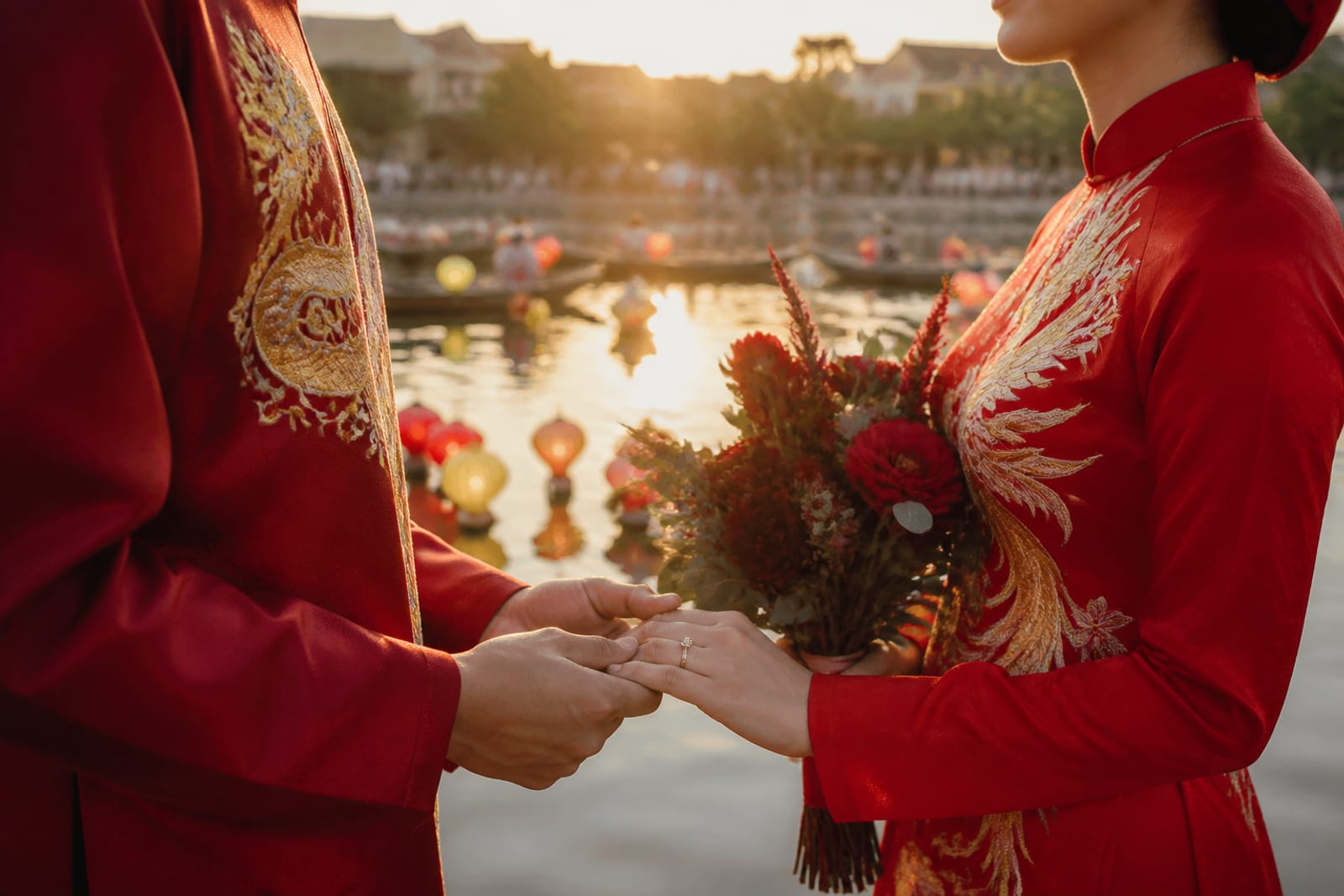
Best seasons and light windows for Kim Bong shoots
| Season | Light Quality | Crowds | Weather | Best time of day |
|---|---|---|---|---|
| Feb–Apr (dry) | Soft morning, sharp noon | Few visitors before 8 AM | Cool, clear, green rice fields nearby | Sunrise–7:30 AM |
| May–Aug (hot, dry) | Harsh midday; golden early/late | Moderate; heat slows foot traffic | Very hot (35°C+); interior shade essential | 5:30–6:30 AM or 5–6 PM |
| Sep–Dec (rainy, typhoon) | Moody grey light; dramatic clouds | Fewer tourists overall | Unpredictable rain Oct–Nov; flooding in town | Early morning (dry hours) |
| Dec–Jan (cool, drizzle) | Soft but muted; misty | Fewer visitors | Cool, often damp; romantic mood | 6–7 AM before mist lifts |
Conclusion: Feb–Apr and Sep–Dec (non-typhoon weeks) offer the best balance of soft light, manageable heat, and dry access to workshop courtyards.
Morning shoots are non-negotiable at Kim Bong. After 8 AM, foot traffic increases (locals, artisans, casual tourists), and overhead sun hardens shadows inside workshops. A 5:30 AM start means you catch carpenters arriving, light streaming low through east-facing gaps, and near-silent courtyards. By 7:30–8:00 AM, you've captured the core proposal moment and workshop atmosphere before the village wakes. Afternoon shoots (4–6 PM) work only May–Aug when it stays bright late, but heat and glare make interiors difficult, and artisans are often finishing for the day. Rainy season (Oct–Nov) risks flash flooding in workshop basements and muddy paths—check with your photographer and the village ahead of time.
Outfit and ao dai strategy for Kim Bong's rustic setting
An ao dai at Kim Bong needs thought: the traditional dress is formal, but the setting is a working workshop with dust, sawdust, and tight spaces. Here's the framework:
Option A: Ao dai for the first 45–60 minutes, then change Wear a silk ao dai in a solid colour (white, cream, gold, soft pink) that stands out against wooden tones. Avoid busy patterns or heavy beading—keep the silhouette clean so light wood and texture stay the focus. Shoot the formal proposal moment, arrival at the village, and a few poses among timber stacks or at a craftsman's table. Then change into a second outfit (vintage shirt, linen dress, casual trousers—something that reads "off-duty traveler") for the candid, exploratory half-hour. This pairing shows contrast: the sacred formal moment, then the joy and relaxation after. A makeup artist can tone down the formal look between outfits.
Option B: Skip the ao dai, wear a meaningful casual outfit Not all proposals call for formal dress. If you're both casual people, wear something that fits the village vibe: linen, natural fabrics, muted colours. Pair it with a single statement piece—a vintage scarf, family jewelry, a lucky bracelet—to mark the moment without feeling costume-like. This reads more authentic in a working space and often photographs better when light is soft and earthy.
What to avoid: Heels (uneven ground, mud risk), full skirts (catch on machinery and timber), white on white (blends into backdrop), heavy makeup (will melt before 7 AM, look cakey in natural light), and oversized accessories (compete with the setting).
Cáo Studio's makeup & hair at your hotel service means you can do a full glam look before travel—no early makeup studio visit. Makeup artists can also refresh your look between outfits on-site (bring blotting papers, a lip product, and powder).
📸 Book on WhatsApp — proposal & anniversary package
Logistics: transport, timing, and permissions
Before you book:
- Photographer experience at Kim Bong: Ask if they've shot there before. If not, do they have a scouting plan and village contacts? "I'll figure it out on the day" is a red flag.
- Transport: Are you getting there yourself or does the photographer arrange a vehicle? Kim Bong is 4 km from town; a taxi or hotel driver is typical. Cáo Studio coordinates transport as part of the session.
- Permissions: Some workshops are family-run and private. Your photographer should confirm access the day before, especially if you want interiors. "We'll ask when we arrive" loses you the best shots.
- Backup locations: If rain or closed workshops happen, where else will you shoot? Kim Bong riverside, the artisan school, or a secondary spot in town?
- Duration and coverage: Clarify how long you spend at Kim Bong vs. other locations, and how many edited images you receive. (Exact inclusions are confirmed on WhatsApp—ask when you inquire.)
- Group size: Are you bringing family or close friends? Kim Bong is intimate but narrow; more than 4–5 people plus the photographer creates congestion.
Timeline example (5:30 AM start):
- 5:15 AM: Arrive, meet photographer at village entrance or agreed spot.
- 5:30–6:15 AM: Quiet arrival shots, proposal moment, close-ups among woodpiles.
- 6:15–6:45 AM: Outfit change and candid moments with artisans arriving.
- 6:45–7:00 AM: Final couple and detail shots as light shifts.
- 7:00 AM: Depart or move to a secondary location (Ancient Town, riverside, hotel for breakfast).
What often goes wrong and how to avoid it:
- Oversleeping or late start: Set alarms for 4:30 AM. Traffic in Hoi An is light at 5 AM, but hotel checkout or makeup delays add up fast. Cáo Studio sends reminders.
- Artisans saying no: The village is their workplace. A polite greeting, respect for ongoing work, and not blocking doorways matter. Your photographer should lead this.
- Harsh light creeping in earlier than expected: In summer, 6:30 AM can already be bright. Build in 15 minutes of buffer for light shifts.
- Muddy paths or unexpected rain: Check the weather and wear shoes you can move in, even if they're off-camera. Bring a light rain jacket.
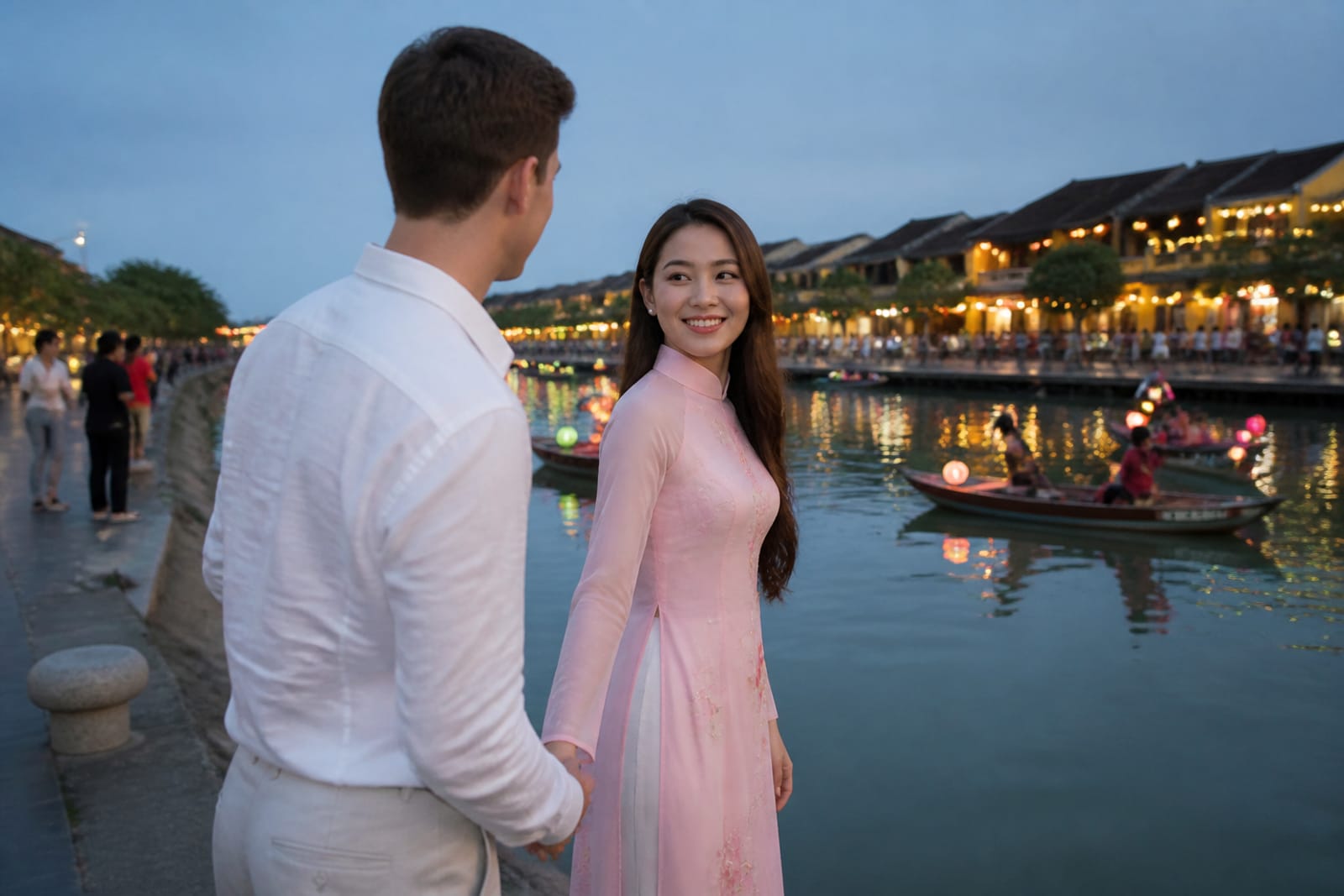
Choosing a photographer: Kim Bong specialist vs. generalist
| Photographer Type | Best for | Trade-offs |
|---|---|---|
| Kim Bong specialist (returns regularly, artisan relationships) | Intimate, authorized interiors; artisans comfortable; seamless flow; backup plan if one workshop closes. | Fewer options; may have pre-set timing; less flexibility on second location. |
| Hoi An generalist (shoots Ancient Town, rice fields, hotels) | Flexibility, multiple location knowledge; fast pivoting. | May lack village access; interiors out of reach; risk of generic exterior-only shots. |
| Traveling freelancer (in Hoi An short-term, portfolio-building) | Affordable; keen to impress; fresh perspective. | No relationship with village; no backup if access denied; high risk of wasted time. |
| Cáo Studio appointment booking (team travels to Hoi An, pre-scouted locations) | Pre-arranged access, makeup included, secondary-location coverage, Hanoi/Saigon backup logistics. | Smaller team; book 2–3 weeks ahead; session length and deliverables confirmed in conversation. |
Conclusion: A photographer with Kim Bong history will deliver more intimate, authorized shots with less stress.
---
💄 See how Cáo Studio handles destination shoots
Decision framework: Is Kim Bong right for your proposal?
Ask yourself these questions:
- Do you value authenticity over polish?
Kim Bong is real—dust, active carpenters, imperfect light. If you want a fantasy backdrop, the Ancient Town or a resort garden might suit better.
- Can you wake at 5 AM and move quickly?
Early starts are non-negotiable. If you're not morning people, reschedule.
- Do you want a meaningful story, not just pretty photos?
Kim Bong's strength is narrative—the craft, the place, the moment. If you just want a location for its looks, it's overcomplicating things.
- Are you and your partner comfortable with the "on-set" vibe?
Artisans working, possibly watching, light shifting fast, moving between spaces. Some couples love this; others freeze.
- Is your photographer aligned with this vision?
If they're pushing you toward the Ancient Town or a studio setup, they may not be the right fit for Kim Bong.
If you've answered yes to most of these, Kim Bong is worth the effort. Pair it with Cáo Studio's proposal & anniversary package (WhatsApp for availability and scope) or a photographer you've vetted for village experience.
---
🌸 Browse proposal styling ideas in our lookbook
What to check before you book
- Photographer's Kim Bong portfolio: Ask to see 3–5 proposal or couple shoots there. Look for interior workshop shots, candid artisan moments, and clean light—not just exterior courtyards.
- Village access confirmation: Does the photographer commit to scouting 3–7 days before, or do they wing it? Cáo Studio confirms by WhatsApp.
- Backup plan in writing: Where do you go if workshops are closed or weather forces a change? Know this before the day.
- Included services: Makeup, outfit changes, how many locations, edited image count, delivery timeline. Ask in detail; don't assume.
- Cost factors, not prices: Pricing depends on season (Feb–Apr and Dec costs differ from May–Aug), session length, number of outfit changes, and second locations. Ask on WhatsApp for a quote once you've settled timing.
- Cancellation and rescheduling: What if the proposal gets delayed or weather makes Kim Bong unsafe? What's the rebooking window?
- Travel logistics: Who arranges the ride to the village? Do you meet there or at your hotel? Is there a waiting area if you're early?
---
Next steps
To book a Kim Bong proposal with Cáo Studio:
- Confirm your preferred date and season (Feb–Apr or Sep–Dec non-typhoon weeks are ideal).
- Message WhatsApp +84 338 762 340 with: your date, whether you want an ao dai, preferred duration, and if you're considering a second location.
- The team will confirm Kim Bong availability, suggest timing, and send a quote (cost factors: season, outfits, makeup, secondary location).
- Confirm 2–3 weeks ahead; a location scout is arranged 5–7 days before.
If you're planning a proposal in Hanoi or Ho Chi Minh City, explore Cáo Studio's proposal & anniversary package or nearby options at Hanoi locations and Saigon branches.
For broader proposal inspiration, see the pre-wedding & elopement guide or couple photoshoot options.
---
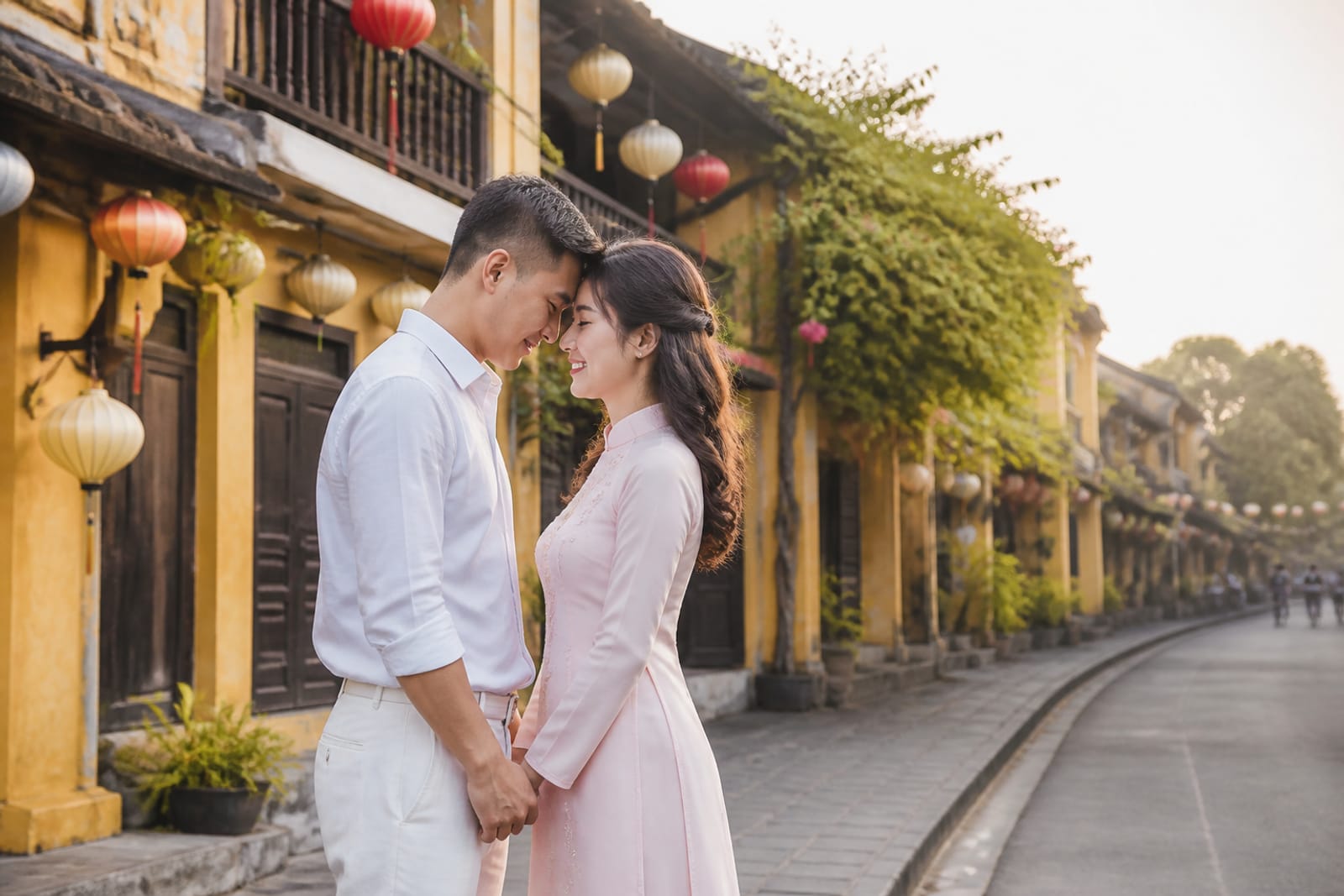
FAQ
Can we shoot a proposal at Kim Bong if we're not staying in Hoi An?
Yes. Cáo Studio arranges Kim Bong sessions by appointment from any location in Hoi An. You'll need to arrive in town the night before for a dawn shoot (5:30 AM start). Transport to the village is confirmed when you book. If you're staying outside Hoi An (Da Nang, Nha Trang), daytrip timing is tight—ask on WhatsApp if a later start or post-proposal session works instead.
Do we need permits to propose at Kim Bong?
No formal permit, but access depends on the workshop owner's permission. Cáo Studio secures this before the shoot via pre-scouting. Private freelancers often skip this step, risking closed doors on the day. Always confirm your photographer has village clearance.
What if it rains on the morning of the shoot?
Drizzle is often fine—adds moodiness to indoor shots. Heavy rain risks mud and flooded workshop basements (especially Oct–Nov). Your photographer's contract should include a reschedule clause. Cáo Studio will advise you 24 hours before if weather makes Kim Bong unsafe and suggest an alternative location.
Can we include an ao dai change at Kim Bong?
Yes. Many couples start in an ao dai for the formal proposal moment, then change to casual wear for the candid exploration phase. This needs a private space to change—your photographer will scout a clean, quiet workshop or nearby area. Outfit changes add 15–20 minutes to the session. Cáo Studio's makeup artist can refresh your look between outfits on-site.
How many people can join the photoshoot?
2–3 is ideal (you, your partner, photographer). Family members or a close friend can attend, but narrow village pathways mean more than 5–6 people total slows movement and clutters shots. A second cameraman for video is possible but rare at Kim Bong. Discuss group size when you book; Cáo Studio can advise on space.
How do we ensure the photos look good without formal posing?
Kim Bong works best when you're not thinking about the camera—exploring timber stacks, reacting to a carver's work, laughing together. Your photographer should guide light and framing, but the magic is candid. A pre-shoot chat (5 minutes before dawn arrival) helps you relax and clarify what the proposal moment is, so the photographer can anticipate it.
FAQ
Can we shoot a proposal at Kim Bong if we're not staying in Hoi An?
Yes. Cáo Studio arranges Kim Bong sessions by appointment from any location in Hoi An. You'll need to arrive in town the night before for a dawn shoot (5:30 AM start). Transport to the village is confirmed when you book. If you're staying outside Hoi An (Da Nang, Nha Trang), daytrip timing is tight—ask on WhatsApp if a later start or post-proposal session works instead.
Do we need permits to propose at Kim Bong?
No formal permit, but access depends on the workshop owner's permission. Cáo Studio secures this before the shoot via pre-scouting. Private freelancers often skip this step, risking closed doors on the day. Always confirm your photographer has village clearance.
What if it rains on the morning of the shoot?
Drizzle is often fine—adds moodiness to indoor shots. Heavy rain risks mud and flooded workshop basements (especially Oct–Nov). Your photographer's contract should include a reschedule clause. Cáo Studio will advise you 24 hours before if weather makes Kim Bong unsafe and suggest an alternative location.
Can we include an ao dai change at Kim Bong?
Yes. Many couples start in an ao dai for the formal proposal moment, then change to casual wear for the candid exploration phase. This needs a private space to change—your photographer will scout a clean, quiet workshop or nearby area. Outfit changes add 15–20 minutes to the session. Cáo Studio's makeup artist can refresh your look between outfits on-site.
How many people can join the photoshoot?
2–3 is ideal (you, your partner, photographer). Family members or a close friend can attend, but narrow village pathways mean more than 5–6 people total slows movement and clutters shots. A second cameraman for video is possible but rare at Kim Bong. Discuss group size when you book; Cáo Studio can advise on space.
How do we ensure the photos look good without formal posing?
Kim Bong works best when you're not thinking about the camera—exploring timber stacks, reacting to a carver's work, laughing together. Your photographer should guide light and framing, but the magic is candid. A pre-shoot chat (5 minutes before dawn arrival) helps you relax and clarify what the proposal moment is, so the photographer can anticipate it.
Ao dai, makeup, hair and a local photographer in Hanoi or Saigon — one WhatsApp message.