services/ao-dai-photoshoot
Quy Nhon Ao Dai Photoshoot Guide: Best Spots, Light & Local Tips
Quy Nhon—a quieter coastal alternative to Nha Trang—has become a favorite for travelers seeking ao dai portraits without crowds. Unlike busy tourist zones, you'll find genuine light, authentic temple grounds, and beaches where your movement in the garment feels unhurried. This guide covers the practical decisions: which season suits your vision, how to prepare your ao dai, what to wear underneath, and how to find or book a photographer who understands the fabric and your brief.
What's the best time of year for ao dai shoots in Quy Nhon?
From October to April, Quy Nhon enjoys dry weather, stable light, and calm seas. Humidity drops, skies clear by mid-morning, and golden hour lasts 30–40 minutes. May–September brings unpredictable rain and harsh overhead sun; plan early starts (6–7 a.m.) if shooting in summer. December–February water is cool but light is crisp and shadows are long.
📸 Book on WhatsApp — ao dai photoshoot
How do you choose a ao dai for coastal photography?
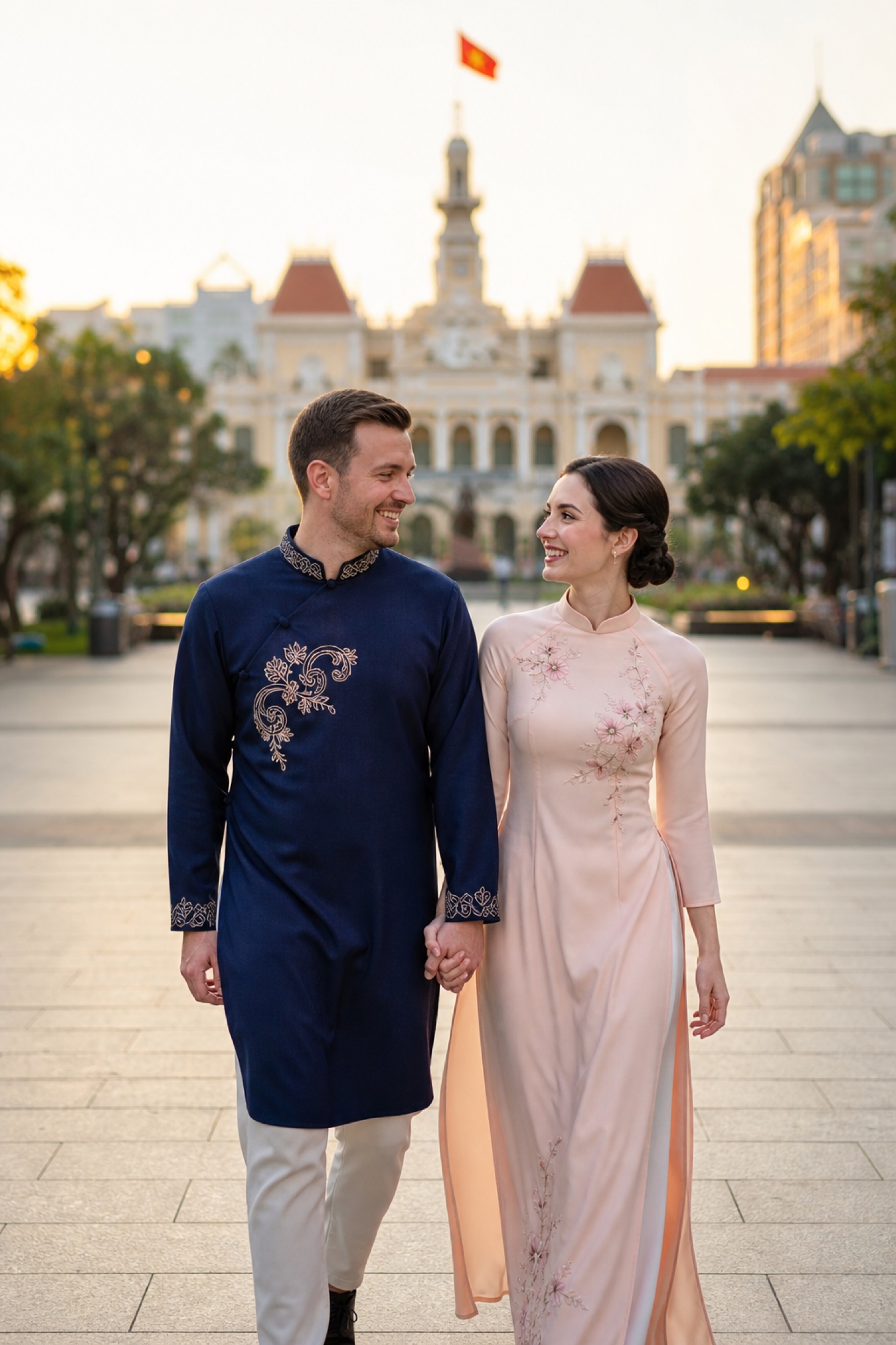
Your ao dai's fabric, weight, and embroidery determine how it moves in wind and reflects light. Heavy, structured silk photographs sharply and holds folds; lightweight cotton drapes softly and billows in breeze. Minimal embroidery suits minimalist backdrops (beaches, sand dunes); ornate pieces pop against neutral architecture (temples, weathered walls). Ask your photographer if they've shot ao dai before—they'll advise on color (jewel tones and pastels photograph better than pure white in afternoon glare). If renting, inspect seams, hem, and ensure the fit allows arm movement and breathing.
What should you wear under an ao dai for comfort and continuity?
Wear fitted slip shorts (bike-short length, nude or matching fabric color) under the ao dai's front panels to prevent transparency and allow sitting or movement. A thin, supportive camisole or slip top beneath the áo dài's outer layer keeps you cool and avoids shifting during shoots. Avoid heavy undergarments or visible panty lines—they distract in close-ups. Bring a lightweight robe or cardigan to wear between takes; standing still in coastal wind cools you fast. If you're shooting multiple ao dai changes, pack a private changing space (car, rented room nearby) because public restrooms in Quy Nhon are limited.
Where are Quy Nhon's best photoshoot locations by time of day?
| Location | Best Time | Light Quality | Ao Dai Suitability | Access |
|---|---|---|---|---|
| Quy Nhon Beach (central) | 6–7 a.m., 4–5 p.m. | Golden, soft | All colors; billowing fabric | Free; crowded mornings by 7:30 a.m. |
| Ghềnh Ráng Cách (rocky cliff) | 5–6 p.m. (sunset) | Warm backlight | Jewel tones, silk | 15 min south; entry ₫20k; windy |
| Thap Nhan (Thap Nhan Pagoda grounds) | 9–10 a.m., 3–4 p.m. | Dappled, temple shadow | Traditional colors (red, blue, gold) | Free entry; respectful dress required |
| Quy Nhon Port/French buildings | 7–8 a.m. (side-lit) | Warm, architectural contrast | Pastels, whites | Public; early access avoids crowds |
| Bai Dai (sand dunes) | 4–5 p.m. | Directional, long shadows | Bright colors for contrast | 20 min east; bring water |
Mornings are calmer and emptier; afternoons have warmer, directional light but more foot traffic and stronger winds. Scout locations the day before if you're unfamiliar with Quy Nhon's streets.
How do you work with a local photographer in Quy Nhon?
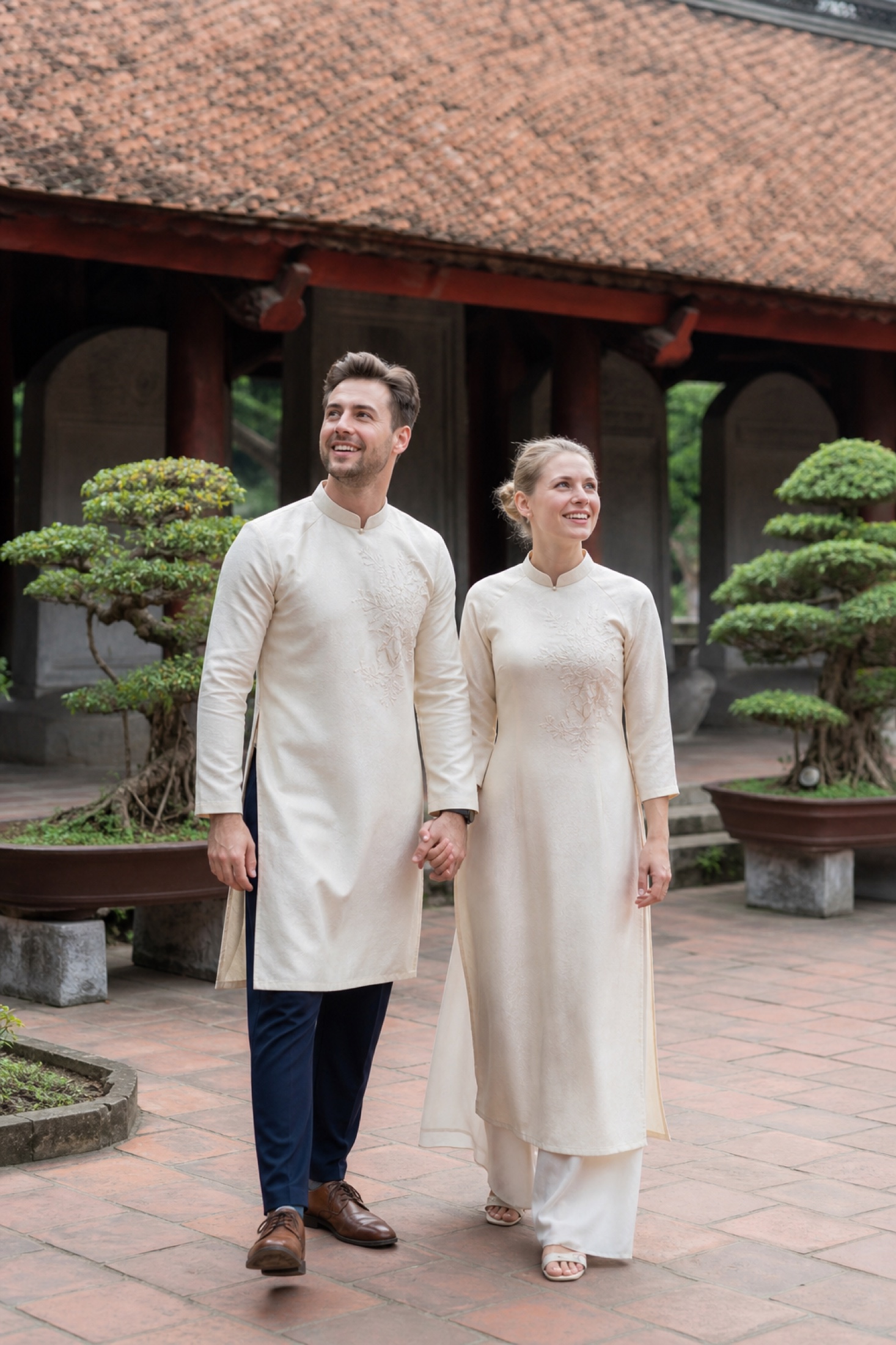
Ask your hotel concierge for recommendations—Quy Nhon's tourism board connects with licensed local photographers. Check portfolios for ao dai experience; look for clear fabric texture, accurate color in sunlight, and natural posing (not stiff or over-edited). Confirm they own or can access backup equipment, know temple entry rules, and shoot in RAW (for later retouching flexibility). Book 2–3 weeks ahead; shorter notice limits availability. Agree in writing on shot list, locations, duration, and final file count before payment. Request a test shot indoors under mixed light to see their post-processing style—some heavily add contrast or saturation, which can wash out ao dai colors.
If you're an international traveler and prefer professional coordination, Cáo Studio – Makeup & Photoshoot arranges Quy Nhon shoots by appointment. Our team travels from Hanoi or Saigon; we're experienced in framing ao dai movement, managing temple etiquette, and delivering edited files within 2 weeks. Ask on WhatsApp for current Quy Nhon dates and a custom quote.
What etiquette and practical rules apply at Quy Nhon temples?
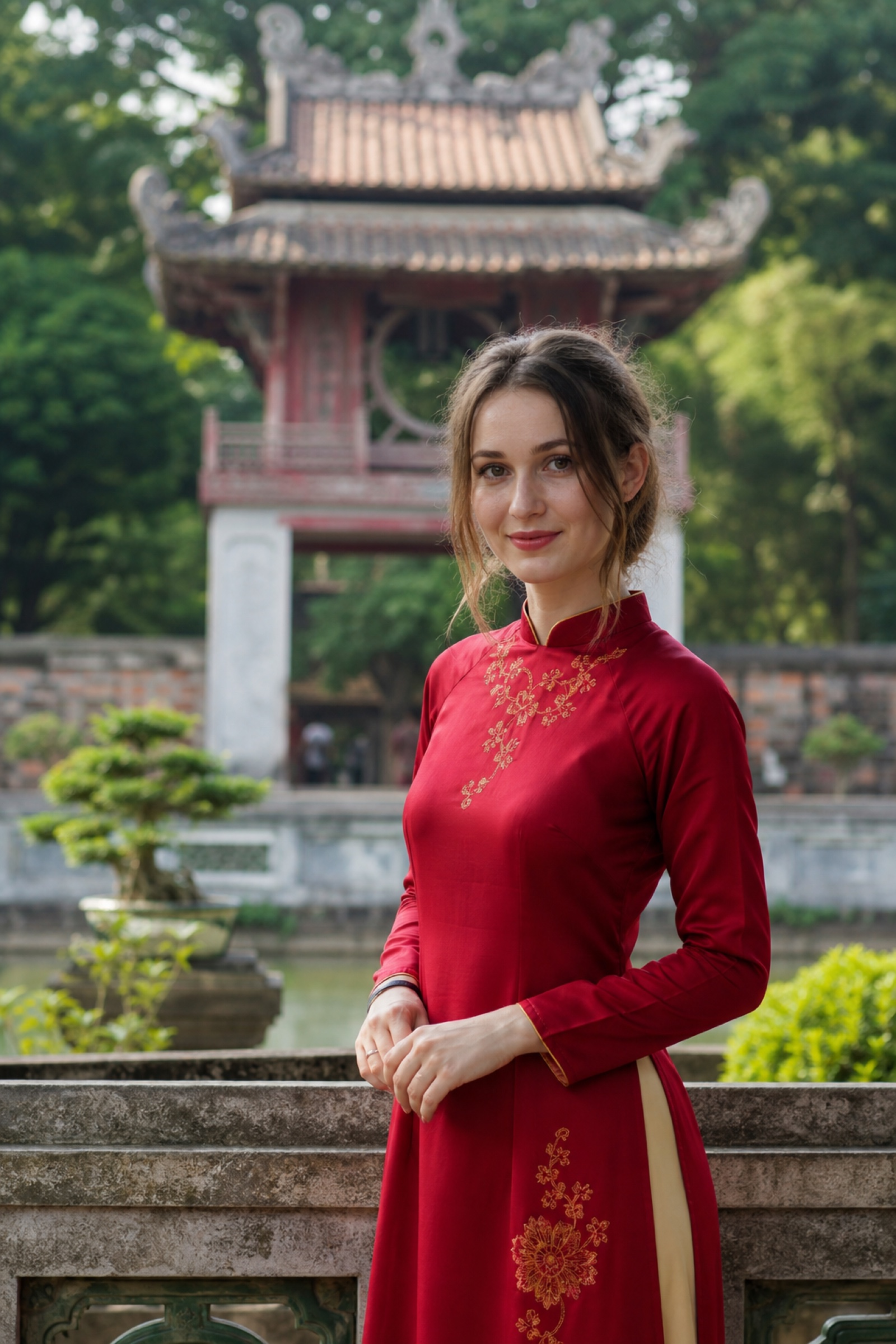
Thap Nhan Pagoda and other temple grounds require respectful dress: cover shoulders and knees. Ao dai naturally fulfills this—your thighs are covered, and the outer layers drape modestly. Remove shoes before entering inner sanctums; ask the monk or caretaker first. Avoid posing in front of active altars or Buddha statues as if performing; instead, photograph near garden areas or outer pavilions where tourists typically stand. Don't touch religious objects. Shoot in low-light interior areas only if invited. Offer a small donation (₫20k–50k) if the caretaker allows extended shooting. Morning (before 11 a.m.) is quieter and shows better light through high windows.
Before you book: a pre-shoot checklist
Preparation
- Confirm ao dai fit and seam integrity at least one week before.
- Break in ao dai shoes or bring comfortable backups (you'll walk 2–3 km between locations).
- Arrange makeup and hair: either hire a local artist or book hotel-room styling through your photographer's network.
Communication
- Send your photographer a mood board (3–5 images of poses, colors, and settings you love).
- Confirm shoot duration, location list, and backup date in case of rain.
- Clarify file delivery format (digital download, USB, prints) and editing timeline.
Day-of logistics
- Arrive 10 minutes early; light windows close fast in coastal areas.
- Bring water, a changing robe, and a phone charger for location coordination.
- Take a test selfie to check makeup touch-ups and fabric hang before the first shot.
📸 Book on WhatsApp — ao dai photoshoot
---
For travelers seeking coordinated professional shoots, Cáo Studio offers ao dai sessions in Hanoi and Saigon and travels to Quy Nhon by arrangement. We also specialize in couple and family photoshoots, makeup and hair at your hotel, and pre-wedding and elopement sessions. Review our lookbook for style inspiration and pricing page for session types.
---
FAQ
Can I rent an ao dai in Quy Nhon if I don't own one?
Yes—local rental shops exist, but selection and sizing are limited. Book 1–2 weeks ahead. Inspect seams and hems carefully; request photos before committing. If fit matters (for movement), shipping a rental from Hanoi or Hoi An ensures better quality and proper tailoring.
What happens if it rains on shoot day in Quy Nhon?
October–April rain is rare but possible. Confirm a backup date with your photographer before booking. Avoid beach shots in rain (light becomes flat, wind picks up); pivot to temple or colonial building interiors where soft, diffused light still works.
How much does it cost to hire a local Quy Nhon photographer?
Local freelance rates vary (₫800k–2.5M for a 2–3 hour session). International package tour photographers may cost more. Always compare portfolios, not just price. Cáo Studio's Quy Nhon rates are sent via WhatsApp quote—email details and mood board to confirm availability first.
Is it disrespectful to photograph ao dai at temples?
No—respectful temple photography is common. Avoid posing in front of active altars or blocking worshippers. Wear your ao dai with genuine reverence; the garment's cultural weight makes it appropriate for sacred spaces. Always ask monks or caretakers before shooting.
What should I do if my ao dai feels tight or uncomfortable during a shoot?
Stop immediately. Tight garments show in photos (tense shoulders, shallow breathing) and risk seam damage. Adjust your slip shorts, loosen the inner tie, or take a 10-minute break. Professional photographers expect this—never push through discomfort to "stay on schedule."
FAQ
Can I rent an ao dai in Quy Nhon if I don't own one?
Yes—local rental shops exist, but selection and sizing are limited. Book 1–2 weeks ahead. Inspect seams and hems carefully; request photos before committing. If fit matters (for movement), shipping a rental from Hanoi or Hoi An ensures better quality and proper tailoring.
What happens if it rains on shoot day in Quy Nhon?
October–April rain is rare but possible. Confirm a backup date with your photographer before booking. Avoid beach shots in rain (light becomes flat, wind picks up); pivot to temple or colonial building interiors where soft, diffused light still works.
How much does it cost to hire a local Quy Nhon photographer?
Local freelance rates vary (₫800k–2.5M for a 2–3 hour session). International package tour photographers may cost more. Always compare portfolios, not just price. Cáo Studio's Quy Nhon rates are sent via WhatsApp quote—email details and mood board to confirm availability first.
Is it disrespectful to photograph ao dai at temples?
No—respectful temple photography is common. Avoid posing in front of active altars or blocking worshippers. Wear your ao dai with genuine reverence; the garment's cultural weight makes it appropriate for sacred spaces. Always ask monks or caretakers before shooting.
What should I do if my ao dai feels tight or uncomfortable during a shoot?
Stop immediately. Tight garments show in photos (tense shoulders, shallow breathing) and risk seam damage. Adjust your slip shorts, loosen the inner tie, or take a 10-minute break. Professional photographers expect this—never push through discomfort to "stay on schedule."
Ao dai, makeup, hair and a local photographer in Hanoi or Saigon — one WhatsApp message.