/pre-wedding-photoshoot
Tam Giang Lagoon wedding photos: best light and timing
Tam Giang Lagoon wedding photos work best during golden hour (one hour after sunrise or before sunset) when low-angle light flattens the water into a mirror and the sky glows warm. Slack tide—the 20–30 minutes around low water—stills the surface; strong currents muddy reflections and limit boat movement. Hue's central-coast climate is driest Feb–Apr and May–Aug; Sep–Dec brings rain, typhoons, and floods (worst Oct–Nov). You'll need a local guide or boat operator to navigate safe entry points, tidal schedules, and access rules—many lagoon areas are working fishing zones. Cáo Studio – Makeup & Photoshoot does not operate in Hue, but we shoot pre-wedding sessions in Hanoi, Ho Chi Minh City, and Hoi An; for Tam Giang, hire a local Hue photographer who knows the lagoon's light windows, boat logistics, and weather patterns. Book your Hue shoot at least 4–6 weeks ahead to coordinate boats, guides, tides, and weather windows. 📸 Book on WhatsApp — pre-wedding & elopement | 🌸 See the lookbook ---
What makes golden hour the key to Tam Giang Lagoon light?
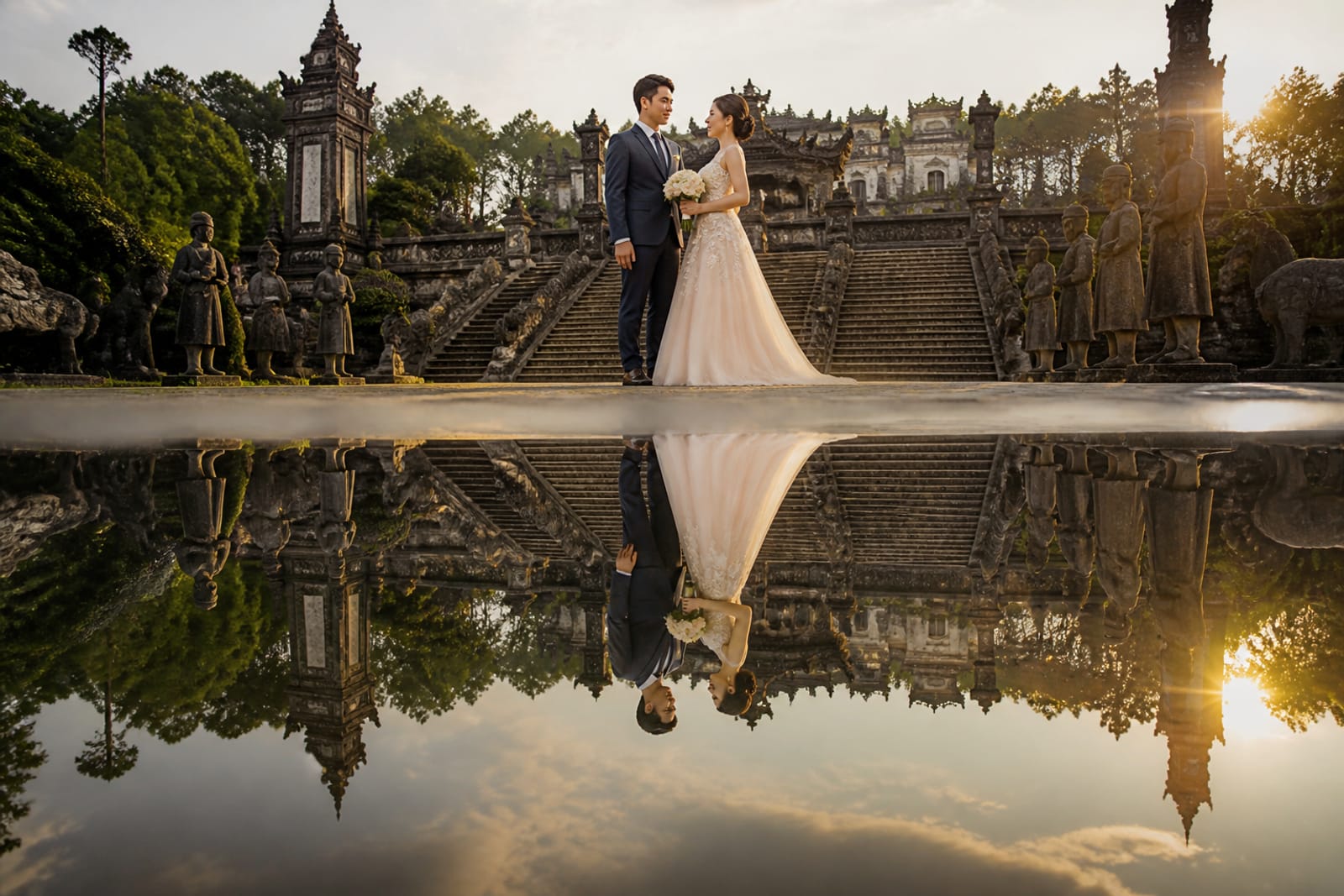
Golden hour—the 60 minutes after sunrise or before sunset—bathes Tam Giang's shallow water and muddy banks in warm, diffuse light that erases harsh shadows and turns the lagoon's surface into a polished mirror. Direct overhead sun (10 a.m.–3 p.m.) splits skin tones into bright and shadow zones, blows out the sky, and scatters light off ripples, destroying the glassy reflection effect that makes Tam Giang iconic. Professional photographers camp golden hour because it requires no reflectors or diffusers and flatters skin, fabric, and water equally. Sunset golden hour (15–30 minutes before dusk) gives the warmest, softest palette; sunrise golden hour (20–40 minutes after first light) delivers cooler, cleaner tones and fewer tourists on the water. Plan your shoot to arrive at the lagoon 90 minutes before your chosen golden hour to scout light, scout entry points with your guide, and position boats without rushing. Wind and cloud cover shrink the golden-hour window by 10–20 minutes, so check the hourly forecast the morning of your shoot and build in a 15-minute buffer. Golden hour is non-negotiable—book your boat and guide to lock a specific time window at least two weeks in advance.
How does slack tide affect water clarity and reflections?
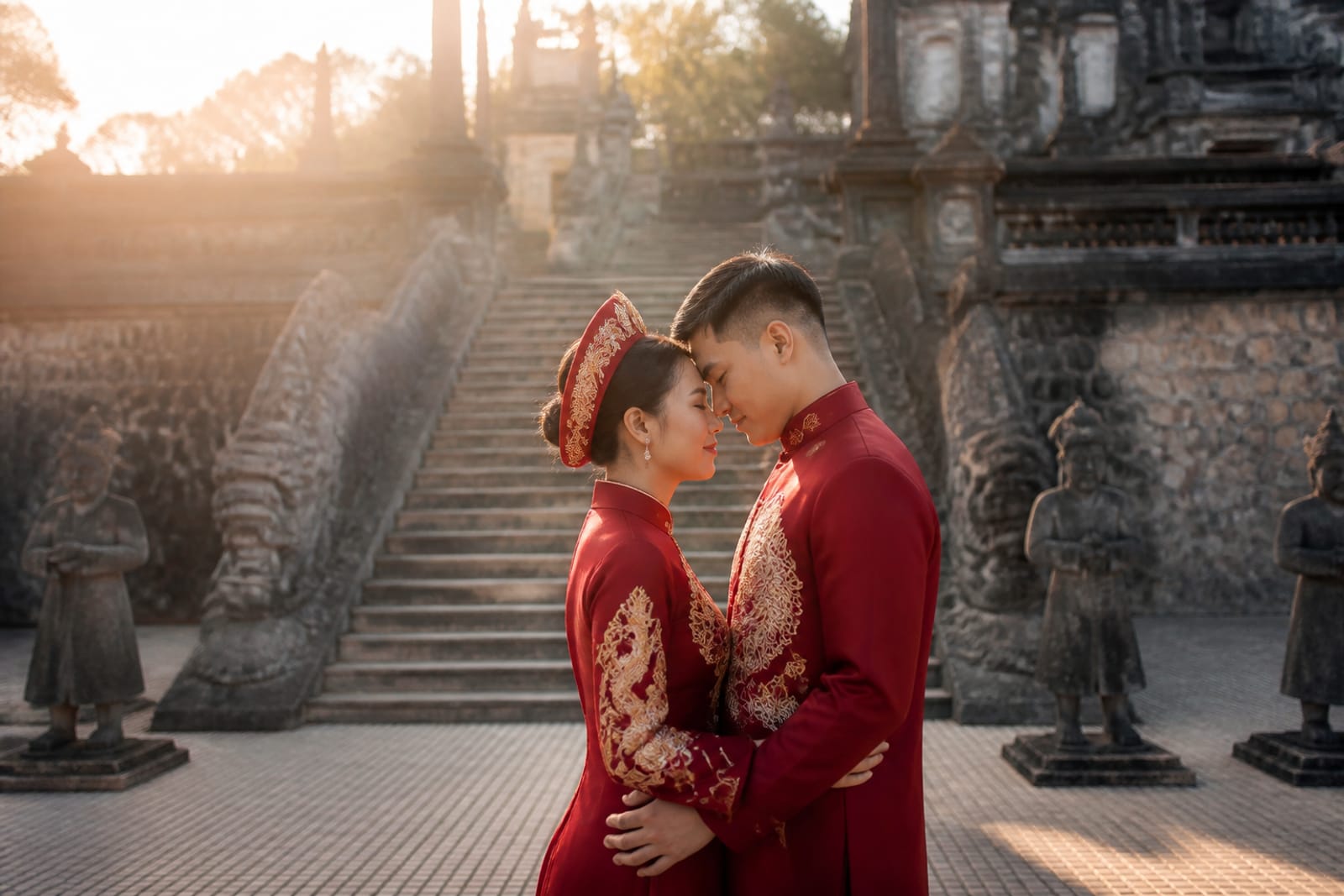
Slack tide is the brief stillness (usually 20–30 minutes) when tidal flow pauses before reversing—at Tam Giang, this occurs near low tide, when shallow water exposes muddy shallows and the deepest pools sit calmest. Moving water scatters light and pulls algae, sediment, and boat wakes across the frame; slack tide eliminates wakes and locks the water's surface tension into a mirror plane. Tam Giang's tides run on a semi-diurnal cycle: two highs and two lows per lunar day, each slack window offset by about 50 minutes daily. A local tide table (available free from Hue fishery offices, guides, or online tidal charts for "Hue" or "Tam Giang") shows exact slack times; book your photographer and boat operator to arrive 10 minutes before slack begins so you're positioned and ready at the stillest moment. Cloudy skies reduce the reflective benefit of slack tide—on overcast days, reflections fade regardless of water stillness, so prioritize clear-sky forecasts. If your shoot date falls on a spring tide (full or new moon, when tidal range is widest), slack water is deeper and clearer; neap tides (quarter moons) produce shallower slack zones and muddier water. Coordinate with your guide to nail slack-tide timing; miss it by 15 minutes and ripples will dominate.
What season and months deliver the best light and weather?
Tam Giang Lagoon's light quality and shootability hinge on Hue's central-coast climate, which is wetter and more volatile than Hanoi or Ho Chi Minh City. Feb–Apr is the optimal window: cool, dry air creates clear skies and minimal haze; golden hour colors are crisp and saturated; humidity is low, so makeup stays fresh and skin looks even. May–Aug is very hot and increasingly humid; golden-hour light remains good, but afternoon clouds thicken and occasional short showers surprise afternoon shoots—sunrise golden hour is safer. Sep–Dec is Hue's heavy-rain and flood season (worst Oct–Nov); typhoons spawn grey skies for days, floods restrict boat access, and waterborne debris fouls the water surface. Jan is the shoulder month: cool, clear, but occasional drizzle and wind gusts can disrupt boat operations. Tet (late Jan–mid Feb) closes many services and crowds landmarks, though the lagoon itself sees fewer tourists during these days. Book Feb–Apr for guaranteed clear skies; May–Aug works if you shoot sunrise; avoid Sep–Dec entirely.
| Season | Best for | Light quality | Water clarity | Why it works |
|---|---|---|---|---|
| Feb–Apr | first choice | crisp golden hour, clear sky | clearest | cool, dry, low humidity; calm lagoon |
| May–Aug | sunrise shoots | warm, diffuse golden hour | moderate | very hot afternoon; clouds gather; occasional showers |
| Jan | secondary | cool, clear, occasional glare | good | drizzle or wind risk; wind complicates boat work |
| Sep–Dec | avoid | grey, diffused; storm risk | muddy, debris | rain, typhoons, floods; water turbid; boat access restricted |
Why hire a local Hue photographer instead of traveling from Hanoi or Saigon?
A local Hue photographer knows Tam Giang's tidal schedules, best entry points, village access protocols, working-fishery rules, and seasonal light windows—knowledge that takes a visiting photographer weeks to gather and costs time on shoot day. Tam Giang is a working lagoon; boat permits, guide fees, and access to specific photo-friendly banks involve local negotiations that an outsider cannot fast-track. Weather on the central coast changes rapidly; a local has real-time relationships with boat captains and guides who read clouds and wind and can pivot to a backup location (nearby beaches, river mouths, or lagoon headwaters) if noon clouds threaten golden hour. Travel time from Hanoi (10+ hours by road or flight + connection) or Saigon (6+ hours by road or flight) inflates session costs as factors—accommodation, transport, guide coordination, and contingency time balloon the project scope. Hue-based photographers can visit the lagoon in three hours from the city center, scout it the day before, and adapt without overnight stays or air fares. A local also speaks Vietnamese with boat captains and village residents, bridging language gaps that can delay permits or dock access. Hire a Hue photographer; they eliminate friction and lock reliability that visitors cannot replicate.
What should you check before booking a Tam Giang Lagoon shoot?
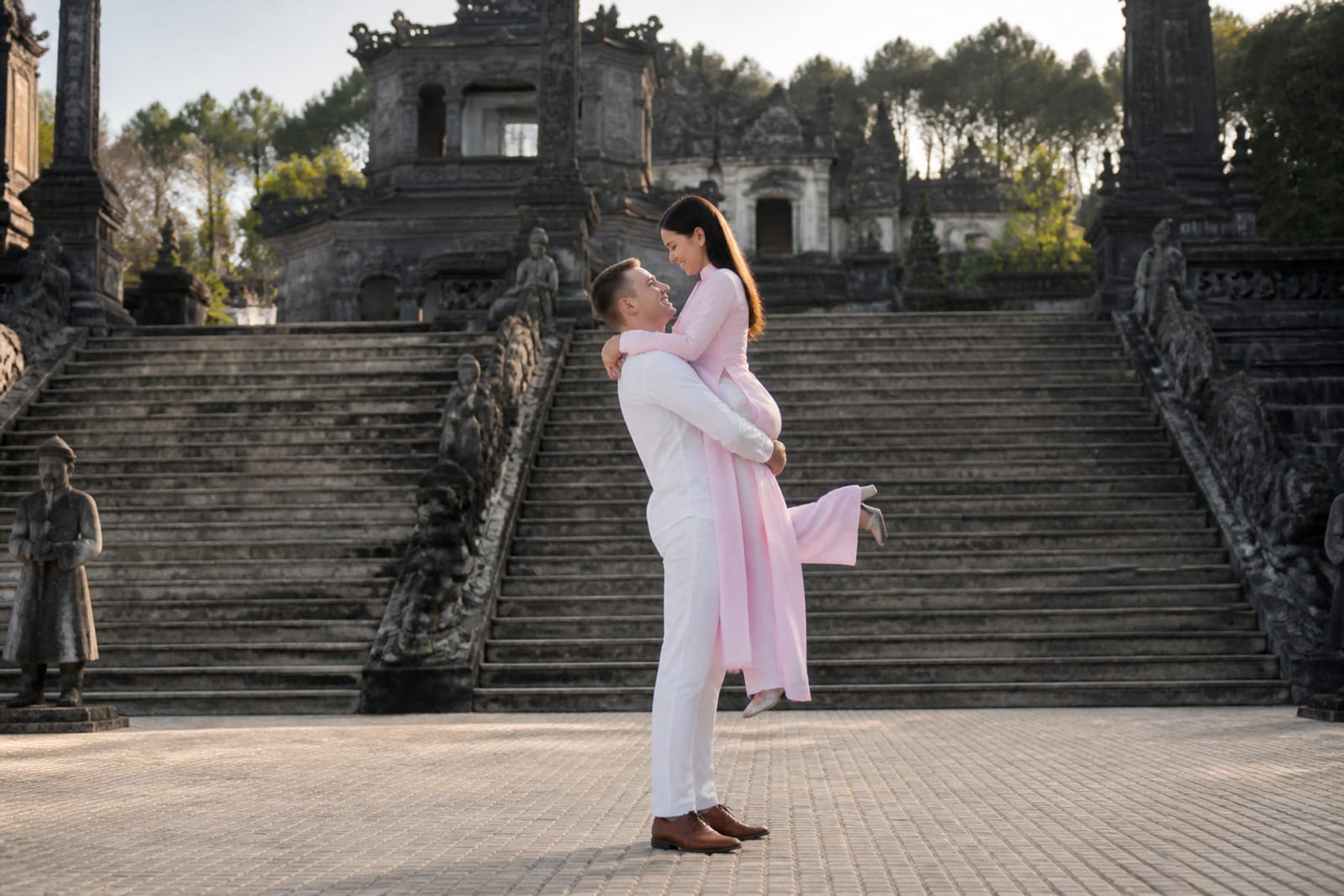
Before booking, ask the photographer:
- Boat and guide logistics: Do they coordinate the boat themselves, or do you hire separately? Who pays the boat operator and guide? What happens if weather cancels—do you reschedule free or lose the deposit?
- Tidal expertise: Will they provide slack-tide timing and adjust your start time accordingly, or do you arrive at a fixed hour?
- Backup locations: If weather turns, can they pivot to a riverbank, beach, or second lagoon site without extra charge?
- Gear and permits: Do they have permits for professional tripods or drones? Some lagoon areas restrict large equipment or require fishery-office clearance.
- Outfit changes and logistics: How many outfits can you realistically change into during golden hour? Will they have a boat-side tent or a safe location to change?
- Editing timeline: When do you receive edited digital files? Hue-based photographers may take longer if they edit after your departure.
- Contingency: What is the weather cancellation policy? Do they offer a reschedule date, a different location, or a refund?
Check these before paying a deposit; a reliable photographer answers all clearly and in writing (via WhatsApp or email).
---
Outfit and makeup planning for Tam Giang
Wet, muddy banks and boat splash demand practical outfit strategy. Ao dai (Vietnamese silk tunic dress) is iconic for Tam Giang—it floats beautifully in stills and reflects light on calm water—but keep it above the bank-line and consider a second outfit (white linen dress, casual suiting) that mud won't ruin. Shoes are a challenge: ballet flats or bare feet photograph cleanly; boots attract mud. Makeup must withstand humidity (Hue Feb–Apr is already 60–70% humid) and occasional salt spray or boat-spray; waterproof base, long-wear lip color, and volumizing mascara stay put. If your photographer cannot arrange makeup & hair services at your hotel, bring a makeup artist from Hanoi or hire a Hue-based makeup artist who understands lagoon humidity and golden-hour touch-ups. Plan outfit changes in a screened boat cabin or waterside hut to keep fabric clean. Bring a lightweight shawl or kimono-style layer to shield skin from sun during boat transit and add dimension to wide-angle shots.
---
How to find and vet a local Hue photographer for Tam Giang
Search for "Hue pre-wedding photographer" or "Tam Giang photographer" on local Facebook groups (e.g., "Hue Photography," "Wedding Photographers Vietnam") and Instagram hashtags (#HueWeddingPhotography, #TamGiangPhotoshoot). Ask for portfolios that show lagoon shoots—note the light quality, water clarity, and season (ask when the photo was taken). Check reviews on Google Maps or wedding-planning sites; prioritize photographers with 4.5+ stars and comments mentioning punctuality, communication, and weather responsiveness. Vet by asking for references—a reputable photographer shares names of 2–3 couples they've shot at the lagoon. Request a consultation call (via WhatsApp or Zoom) to discuss your vision, dates, and weather contingencies; hesitation or vague answers are red flags. Compare pricing factors: boat rental, guide fees, number of outfits, shoot duration, and editing timeline. Ensure the photographer has public liability insurance or can explain their contingency for accidents on the water. Start your search 8–10 weeks before your desired date to allow vetting, communication, and tidal/weather planning time.
---
If you're choosing between Tam Giang and other Vietnam locations for a pre-wedding shoot, consider that Tam Giang is a specialist destination requiring tidal coordination and local expertise—not a walk-in-and-shoot venue like urban backdrops or resort grounds. For easier logistical alternatives, Cáo Studio – Makeup & Photoshoot offers pre-wedding and elopement sessions in Hanoi, Ho Chi Minh City, and Hoi An with studio-coordinated outfits, makeup, and seasoned lighting—no boats, no tides, no weather wildcards. We also shoot ao dai photoshoots and couple sessions in controlled venues with on-site makeup & hair. If Tam Giang is your dream, hire local; if you want certainty and ease, book with us.
📸 Book on WhatsApp — pre-wedding & elopement | 💄 Makeup & hair at your hotel | 🌸 See the lookbook
---
What to check before you book
- Tidal table: Ask the photographer for a printed or screenshot of slack-tide times for your shoot date.
- Weather forecast: Check the hourly forecast 48 hours before; book a reschedule clause if rain is >40% probability.
- Boat safety: Confirm the guide and boat captain carry life jackets and have emergency communication (radio or mobile).
- Deposit and cancellation: Get written terms—weather cancellation = reschedule or partial refund, not a loss.
- Outfit drying and changing: Ask if the boat has a cabin or if you'll change waterside; bring quick-dry towels.
- File delivery timeline: Confirm when you'll receive edited digital files (expect 2–4 weeks for a local photographer).
---
FAQ
What time of day has the best light at Tam Giang Lagoon for wedding photos?
Golden hour—60 minutes after sunrise or before sunset—delivers soft, warm light that mirrors on calm water and flatters skin. Arrive 90 minutes early to scout and position. Avoid 10 a.m.–3 p.m. (harsh shadows, blown-out sky, rippled water).
How do I know when slack tide occurs at Tam Giang?
Slack tide (20–30 minutes of stillest water) happens near low tide, offset daily by ~50 minutes. Request a tidal table from a Hue guide or fishery office, or check online tidal charts for "Hue." Book your photographer to arrive 10 minutes before slack begins.
Is Tam Giang Lagoon safe for a photoshoot, and do I need permits?
The lagoon is safe if you hire a licensed local guide and boat captain with life jackets and radios. Some areas are working fishing zones; a local photographer handles access permits and village protocols. Ask before booking if tripods or drones require extra clearance.
What is the best month to shoot at Tam Giang Lagoon?
Feb–Apr is optimal: cool, dry, clear skies, and calm lagoon. May–Aug works for sunrise shoots but risks afternoon clouds and heat. Avoid Sep–Dec (rain, typhoons, floods, muddy water). Jan is secondary—drizzle or wind may disrupt boats.
Can I book a photographer from Hanoi or Saigon to shoot Tam Giang?
You can, but it inflates costs (accommodation, transport, coordination time). A Hue-based photographer knows tidal schedules, local access, and backup sites and can reschedule faster if weather shifts. Book local for reliability and value.
What should I wear for Tam Giang wedding photos?
Ao dai (traditional tunic) photographs beautifully and floats well. Have a second outfit (linen dress, suiting) for muddy-bank backup. Wear flats or go barefoot; avoid boots. Plan outfit changes in a screened boat cabin or hut. Bring a shawl for sun and depth.
FAQ
What time of day has the best light at Tam Giang Lagoon for wedding photos?
Golden hour—60 minutes after sunrise or before sunset—delivers soft, warm light that mirrors on calm water and flatters skin. Arrive 90 minutes early to scout and position. Avoid 10 a.m.–3 p.m. (harsh shadows, blown-out sky, rippled water).
How do I know when slack tide occurs at Tam Giang?
Slack tide (20–30 minutes of stillest water) happens near low tide, offset daily by ~50 minutes. Request a tidal table from a Hue guide or fishery office, or check online tidal charts for "Hue." Book your photographer to arrive 10 minutes before slack begins.
Is Tam Giang Lagoon safe for a photoshoot, and do I need permits?
The lagoon is safe if you hire a licensed local guide and boat captain with life jackets and radios. Some areas are working fishing zones; a local photographer handles access permits and village protocols. Ask before booking if tripods or drones require extra clearance.
What is the best month to shoot at Tam Giang Lagoon?
Feb–Apr is optimal: cool, dry, clear skies, and calm lagoon. May–Aug works for sunrise shoots but risks afternoon clouds and heat. Avoid Sep–Dec (rain, typhoons, floods, muddy water). Jan is secondary—drizzle or wind may disrupt boats.
Can I book a photographer from Hanoi or Saigon to shoot Tam Giang?
You can, but it inflates costs (accommodation, transport, coordination time). A Hue-based photographer knows tidal schedules, local access, and backup sites and can reschedule faster if weather shifts. Book local for reliability and value.
What should I wear for Tam Giang wedding photos?
Ao dai (traditional tunic) photographs beautifully and floats well. Have a second outfit (linen dress, suiting) for muddy-bank backup. Wear flats or go barefoot; avoid boots. Plan outfit changes in a screened boat cabin or hut. Bring a shawl for sun and depth.
Ao dai, makeup, hair and a local photographer in Hanoi or Saigon — one WhatsApp message.