/pre-wedding-photoshoot
Typhoon Season & Vietnam Wedding Photos: A Real Guide
Typhoon season in Vietnam (Sep–Dec, worst Oct–Nov in the central coast) means afternoon downpours, grey skies and strong winds—but it doesn't stop weddings or pre-wedding shoots. The key is knowing your region's climate: the north (Hanoi) gets cool, rainy winters (Dec–Feb) without typhoons; the central coast (Hoi An, Da Nang, Hue) faces direct typhoon risk and flooding Sep–Dec; the south (Ho Chi Minh City, Phu Quoc) has shorter afternoon showers May–Nov. Real couples move shoots to Feb–Aug when possible, shoot in covered or sheltered locations during typhoon months, change outfits if rain hits, and hire a photographer (like Cáo Studio – Makeup & Photoshoot) who knows how to light and frame you in grey, wet conditions. Wind can destroy ao dai draping; rain soaks silk. Plan a backup date within your visa window, scout indoor and covered venues before, and accept that dramatic storm light can look stunning in candid shots—if you let it. ---
Why typhoon season affects your Vietnam pre-wedding shoot
Typhoon season in Vietnam (Sep–Dec, with peak impact Oct–Nov on the central coast) brings sustained rainfall, low cloud cover and wind gusts that directly shape your shoot. Grey skies flatten the harsh shadows of midday sun, creating soft diffused light—often preferred for skin and fabric detail. But rain stops shooting outdoors; wind tangles ao dai panels and damp silk loses its sheen. The central coast (Hoi An, Da Nang) faces the worst risk; Hanoi stays cool and dry Dec–Feb with manageable drizzle; Ho Chi Minh City gets short afternoon showers but remains warm and shootable. Real couples don't cancel—they shift dates into Feb–Aug, book covered pavilions, temples or indoor tea houses, and keep two outfit changes in reserve. Know your city's climate before you book.
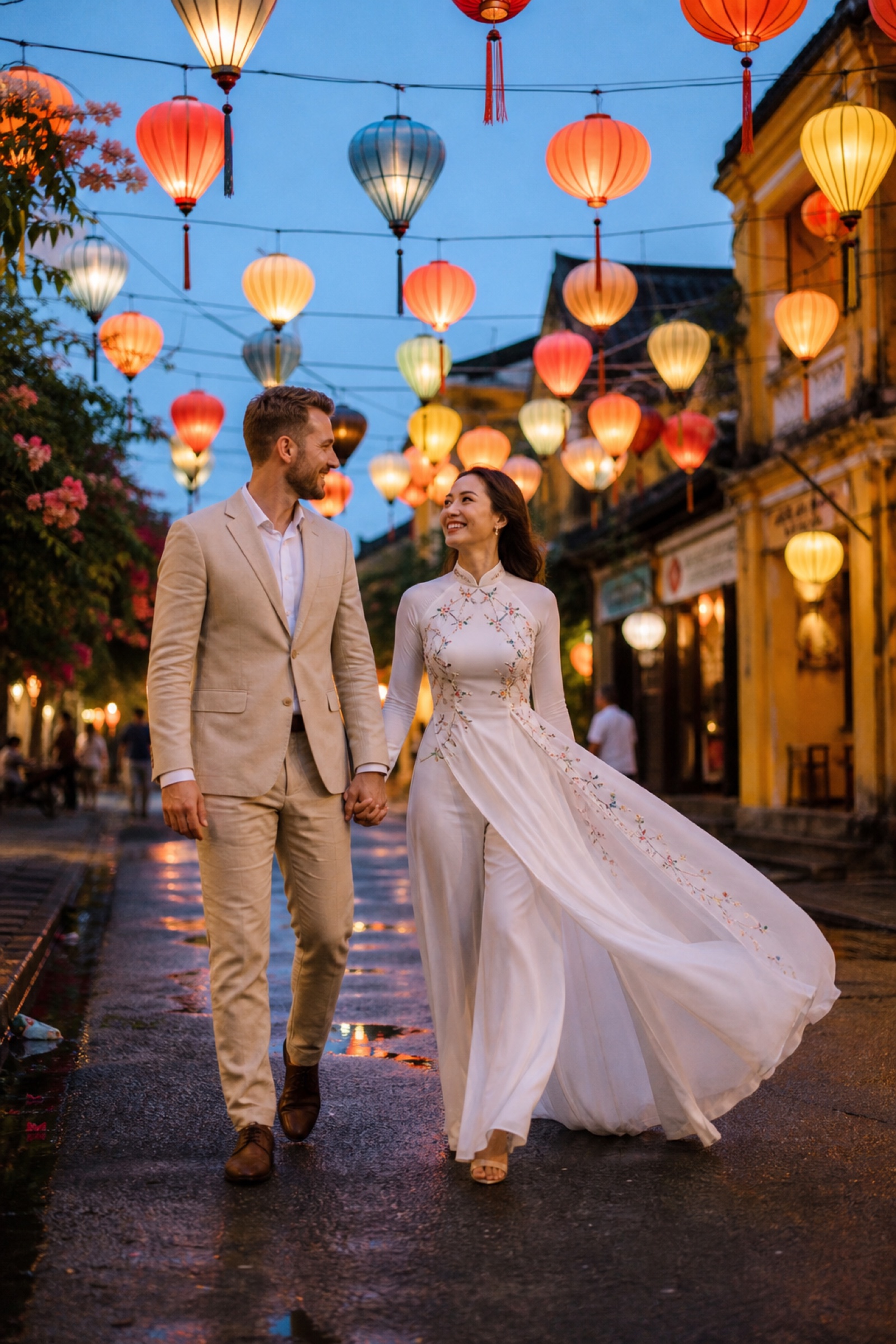
Which Vietnam region is safest for typhoon-season engagement photos?
| Region | Season Risk | Best Light | Why It Works | What to Avoid |
|---|---|---|---|---|
| Hanoi | Dec–Feb: cool drizzle, no typhoons | Dawn, midday indoors | Soft grey light; temples & Old Quarter have shelters | Exposed lake parks in wind |
| Central coast (Hoi An, Da Nang) | Oct–Nov: typhoon & flooding | Feb–Aug only; if shooting Sep–Dec, shoot early morning before storms | Typhoons weaken by 8–9am; afternoon downpours are near-certain | Open beaches, exposed rice fields Sep–Dec |
| Ho Chi Minh City | May–Nov: afternoon showers, no typhoons | Early morning; indoors 11am–4pm | Rain passes by evening; warm year-round | Midday outdoor shoots in wet season |
Choose Hoi An or Da Nang for a Sep–Dec shoot only if you're flexible on date or willing to book an indoor pre-wedding photoshoot in a tea house or temple. Hanoi pre-wedding shoots can run through a cool, light drizzle with the right outfits. Ho Chi Minh City couples rarely face true typhoons, only brief rain.
How do you dress for a rainy pre-wedding shoot without ruining your ao dai?
Ao dai silk absorbs water and clings to fabric underneath, killing the float and sheen. Never wear thin cotton under an ao dai in rain; the dampness shows through the outer layer and the weight pulls the silhouette down. Instead, wear smooth, moisture-resistant undergarments: a fitted slip dress (silk or synthetic blend), or close-fitting leggings under the inner silk panel. Bring a waterproof cover (a clean plastic sheet or lightweight rain cape) to drape over the ao dai between shots, not during. If rain hits during shooting, wring out the inner layers gently, change into a dry undershirt and re-drape. For groom suits, opt for linen or wool-blend trousers that dry faster than cotton; keep a pressed shirt in the car. Wind is the real enemy—it whips the ao dai panels out of frame and messes hair. Tie back long hair before wind gusts, use bobby pins rated for humidity, and ask your photographer to frame full-length shots to show fabric movement, not fight it. A professional makeup & hair team prepares you for moisture: waterproof base, humidity-proof setting spray, and hair that holds in 80% humidity.
📸 Book on WhatsApp — pre-wedding photoshoot
What indoor and covered venues work best for typhoon-season engagement photos?
Hanoi, Hoi An and Ho Chi Minh City have excellent sheltered backdrops that suit monsoon light:
- Tea houses & cafés: wooden interiors, soft ambient light, authentic Vietnam. Windows frame grey skies without exposing you to rain.
- Buddhist temples: covered halls, stone or wood columns, diffused light from side doors. Check etiquette: dress modestly, remove shoes, ask permission before shooting. Many temples allow photography for a small donation.
- Colonial villas & heritage hotels: high ceilings, arched doorways, tile floors that reflect soft light. Often managed—book ahead, confirm photography terms.
- Covered markets & lantern-lit alleyways (Hoi An): blue lanterns, stone walls, waterproofed ceilings. Shoot early (6–7am) before foot traffic.
- Restaurant private rooms: minimalist decor, mood lighting, no outdoor risk. Less dramatic but reliable on the day.
- Motorcycle repair shops, textile studios, family homes: raw, candid light. Ask locals or your hotel. Owners often welcome couples for small donations.
Rain reflections on wet stone and tile add depth to photos. Embrace it. A Cáo Studio – Makeup & Photoshoot photographer in Hanoi, Saigon or Hoi An knows these spots and their light at different times. Indoor shoots remove weather risk and let you focus on connection.
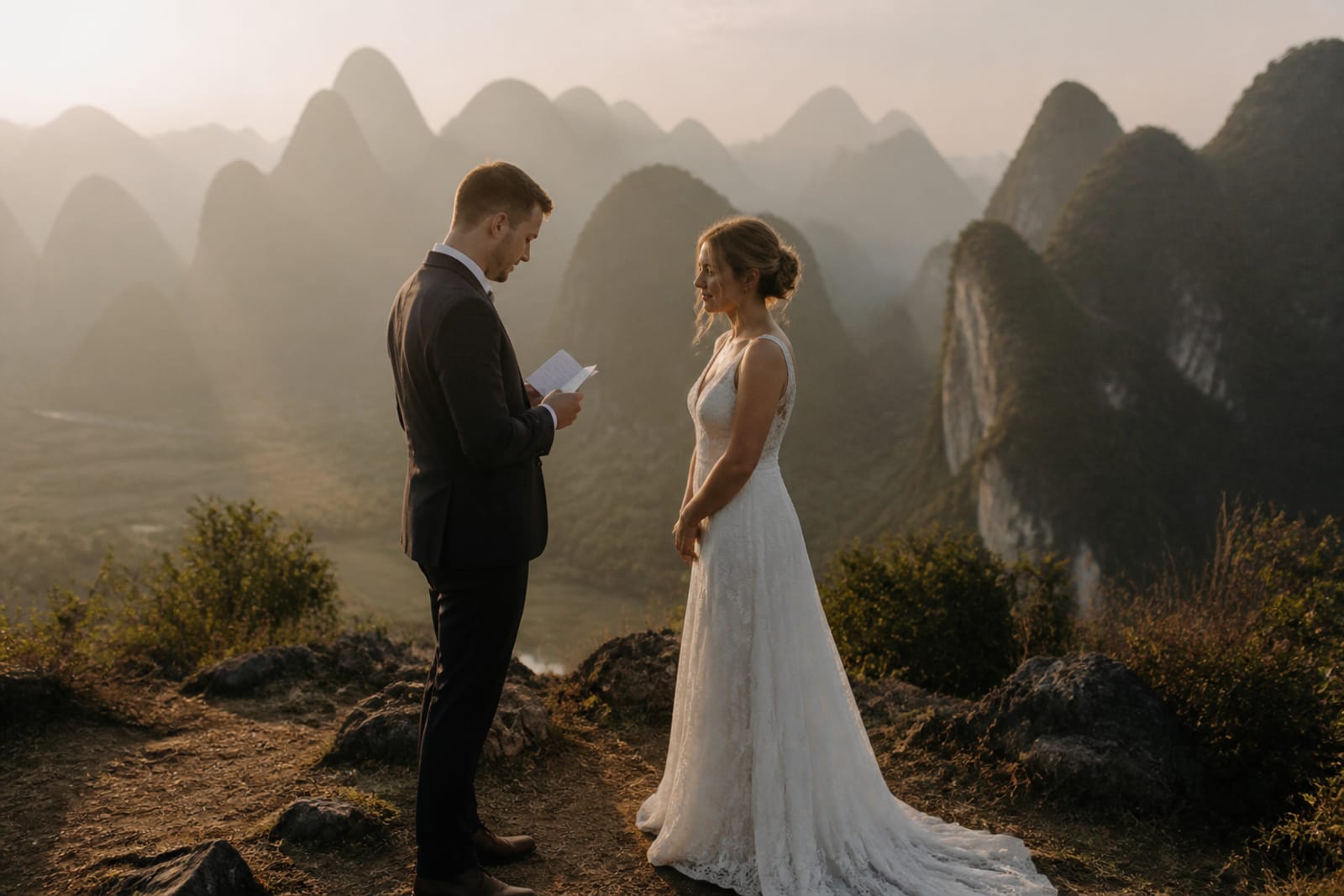
How far in advance should you plan a typhoon-season pre-wedding shoot in Vietnam?
Book 6–8 weeks ahead if you're flexible on date. If your visa or travel dates are fixed within typhoon season (Sep–Dec on the central coast, May–Nov in the south), book 4 weeks ahead and discuss backup plans with your photographer immediately. For Hoi An or Da Nang shoots in Oct–Nov, plan three alternative dates within your window; one will have better light. Confirm with your photographer that they'll:
- Scout indoor venues if weather looks poor 48 hours before.
- Shift your start time (earlier morning = better light, less risk of afternoon storms).
- Deliver a rain-date rebooking if typhoons force a full cancel (ask on WhatsApp for Cáo Studio's exact policy).
Travel insurance for your wedding apparel and a professional makeup & hair team who arrive early (to set up indoors if needed) add days to your timeline. If you're also booking ao dai rental or suit rental, confirm they'll have backup pieces. Confirm your shoot date and backup options on WhatsApp when you book; don't assume your photographer's default approach suits monsoon conditions.
What backup outfits and accessories save a typhoon-season shoot?
Bring three outfit changes, not two. A wet ao dai takes 2–3 hours to dry indoors; a soaked suit jacket even longer. Plan:
- Primary outfit: your ao dai or formal wear (silk, lighter fabrics that dry fastest).
- Backup outfit: a second ao dai in a darker color (hides water marks) or a formal non-traditional dress. Same fit, so makeup and hair need no reset.
- Emergency outfit: casual jeans and a fitted shirt or a simple second ao dai. This catches candid, playful shots if storms derail the formal plan—often the couple's favorite frame later.
Accessories that work in rain: silk wraps (not cotton scarves, which hold moisture), wooden jewelry (not metal, which marks silk), fresh flower crowns or hair pins (flowers stay vivid when damp). Avoid: fabric shoes (absorb water—wear leather or go barefoot indoors), loose fringes (tangle in wind), heavy necklaces (pull on damp fabric).
Keep a waterproof bag (black or matching your color palette) with dry undergarments, face blotting sheets, extra hairpins and a small towel. Your photographer likely carries one; confirm on WhatsApp. A wedding photo album or photo prints later lets you relive the shoot in a dry, framed way—sometimes the rain-day shots are the most raw and intimate.
What to check before you book a typhoon-season pre-wedding shoot
- Your visa and travel dates: are they fixed, or can you shift 1–2 weeks to escape peak typhoon months? Check Vietnam's entry and exit requirements.
- Your city's exact climate: does the central coast (Oct–Nov typhoons) apply to you, or are you in Hanoi (Dec–Feb drizzle) or Ho Chi Minh (afternoon showers)? This changes your risk.
- Your photographer's rain policy: do they offer a free reschedule, or is there a fee for a backup date? Ask on WhatsApp before you sign.
- Indoor venue availability: if outdoor spots flood in Oct–Nov, what covered alternatives has your photographer scouted? Visit them yourself if possible.
- Outfit material: is your ao dai silk, cotton or synthetic? Silk dries fastest but is delicate; synthetics hide water better.
- Your hair and makeup prep: will your team use waterproof products, or do you need to request them? Confirm on WhatsApp.
- Delivery timeline: if your photos get delayed because the team is editing rain-soaked frames, how long will final files take? Ask upfront.
---
FAQ
Can I shoot an ao dai pre-wedding photoshoot in October or November in Hoi An?
Yes, but expect rain and wind. Shoot early (6–7am before storms), book a covered temple or tea house, and have a backup indoor date ready. Oct–Nov is peak typhoon season on the central coast. Ask your photographer on WhatsApp about their rain protocol and indoor venue options before you commit.
Will rain and grey skies ruin my pre-wedding photos?
No. Overcast light flatters skin, softens shadows and makes fabrics glow—many couples prefer it. Rain reflections on stone and water add depth. Wind and heavy downpours are the real challenge; moving indoors or shifting your date by 1–2 days is the safest approach. Wet-weather shots can be stunning if your photographer is skilled.
How long does an ao dai take to dry after rain?
2–3 hours indoors at room temperature, longer if humidity is high. Bring a backup ao dai to a typhoon-season shoot. Wringing gently and air-drying with a fan speeds the process; never use heat (it damages silk). Keep dry undergarments in reserve.
Should I travel to Vietnam for a pre-wedding photoshoot during typhoon season?
Only if you have flexible dates or are willing to accept indoor-only shoots and possible rescheduling. The central coast (Hoi An, Da Nang) faces Oct–Nov typhoons; Hanoi is safer Dec–Feb with cool drizzle; Ho Chi Minh City gets brief afternoon showers May–Nov but rarely faces true typhoons. Book your photographer 6–8 weeks ahead and confirm their backup plan.
Does Cáo Studio offer rain-date rescheduling for pre-wedding shoots in typhoon season?
Ask on WhatsApp +84 338 762 340 for their exact policy on backup dates, rescheduling fees and how they handle monsoon conditions at your location. Policies vary by region (Hanoi, Saigon, Hoi An) and season.
What's the best month for a pre-wedding photoshoot in Vietnam?
Feb–Aug across all regions. North (Hanoi): Feb–May (cool, clear skies). Central coast (Hoi An, Da Nang): Feb–Aug (driest). South (Ho Chi Minh): Dec–Apr (cool, no rain). Avoid Tet (late Jan–mid Feb) when services close and landmarks crowd; book 8 weeks ahead for peak months (Mar–May, Dec).
FAQ
Can I shoot an ao dai pre-wedding photoshoot in October or November in Hoi An?
Yes, but expect rain and wind. Shoot early (6–7am before storms), book a covered temple or tea house, and have a backup indoor date ready. Oct–Nov is peak typhoon season on the central coast. Ask your photographer on WhatsApp about their rain protocol and indoor venue options before you commit.
Will rain and grey skies ruin my pre-wedding photos?
No. Overcast light flatters skin, softens shadows and makes fabrics glow—many couples prefer it. Rain reflections on stone and water add depth. Wind and heavy downpours are the real challenge; moving indoors or shifting your date by 1–2 days is the safest approach. Wet-weather shots can be stunning if your photographer is skilled.
How long does an ao dai take to dry after rain?
2–3 hours indoors at room temperature, longer if humidity is high. Bring a backup ao dai to a typhoon-season shoot. Wringing gently and air-drying with a fan speeds the process; never use heat (it damages silk). Keep dry undergarments in reserve.
Should I travel to Vietnam for a pre-wedding photoshoot during typhoon season?
Only if you have flexible dates or are willing to accept indoor-only shoots and possible rescheduling. The central coast (Hoi An, Da Nang) faces Oct–Nov typhoons; Hanoi is safer Dec–Feb with cool drizzle; Ho Chi Minh City gets brief afternoon showers May–Nov but rarely faces true typhoons. Book your photographer 6–8 weeks ahead and confirm their backup plan.
Does Cáo Studio offer rain-date rescheduling for pre-wedding shoots in typhoon season?
Ask on WhatsApp +84 338 762 340 for their exact policy on backup dates, rescheduling fees and how they handle monsoon conditions at your location. Policies vary by region (Hanoi, Saigon, Hoi An) and season.
What's the best month for a pre-wedding photoshoot in Vietnam?
Feb–Aug across all regions. North (Hanoi): Feb–May (cool, clear skies). Central coast (Hoi An, Da Nang): Feb–Aug (driest). South (Ho Chi Minh): Dec–Apr (cool, no rain). Avoid Tet (late Jan–mid Feb) when services close and landmarks crowd; book 8 weeks ahead for peak months (Mar–May, Dec).
Ao dai, makeup, hair and a local photographer in Hanoi or Saigon — one WhatsApp message.