/ao-dai-photoshoot
Wearing an ao dai for wedding photos: a guide for foreign brides
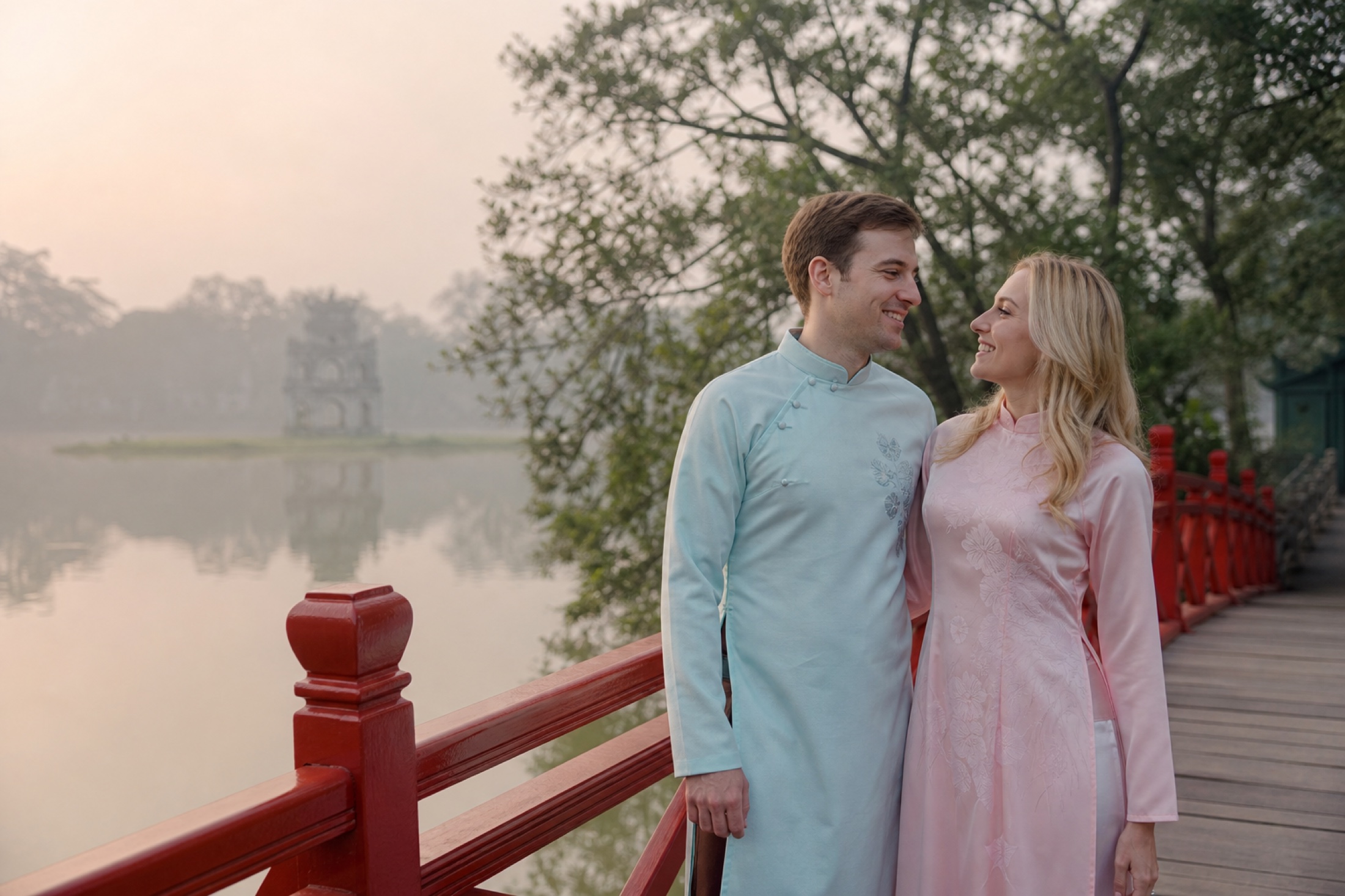
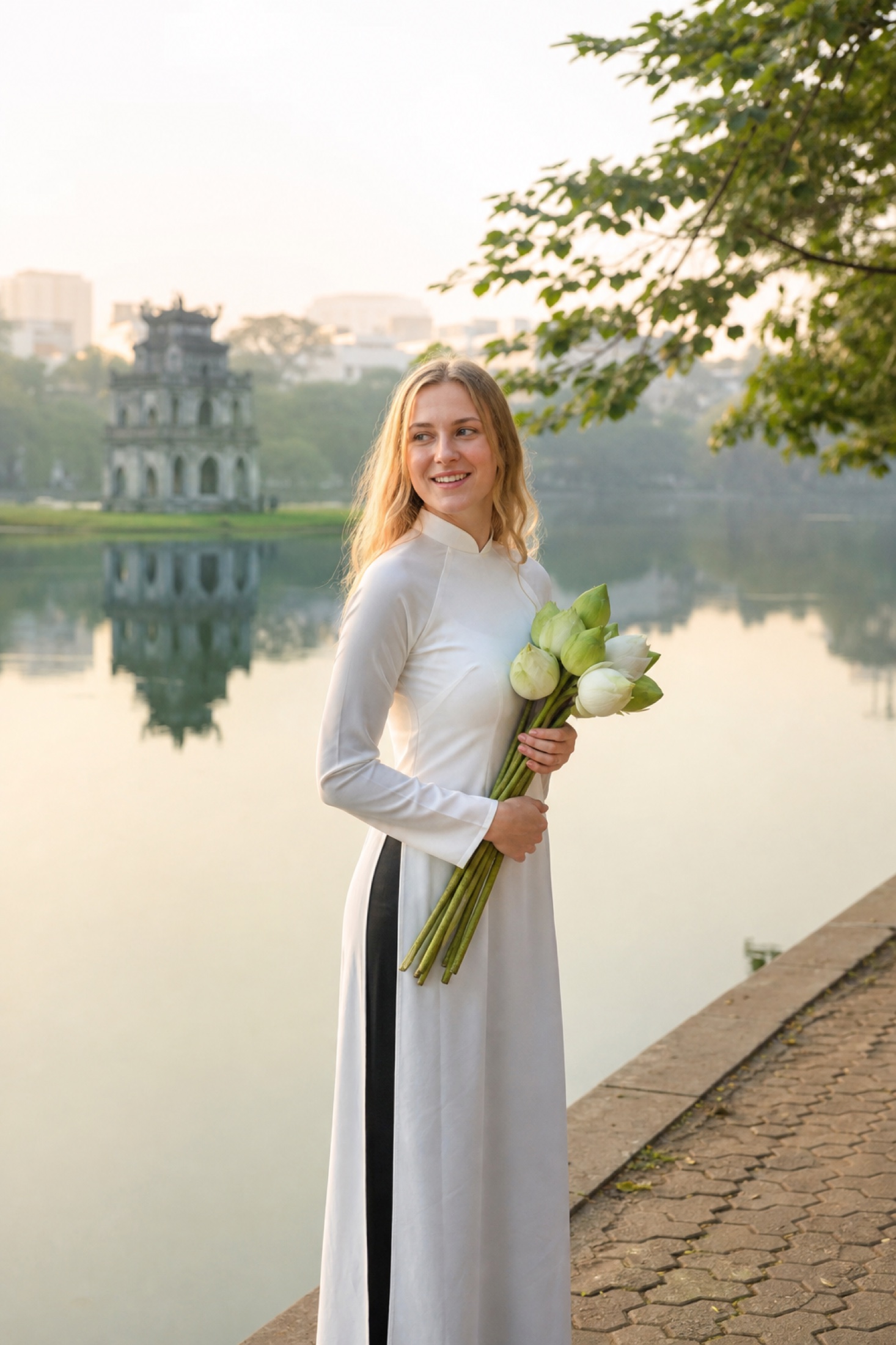
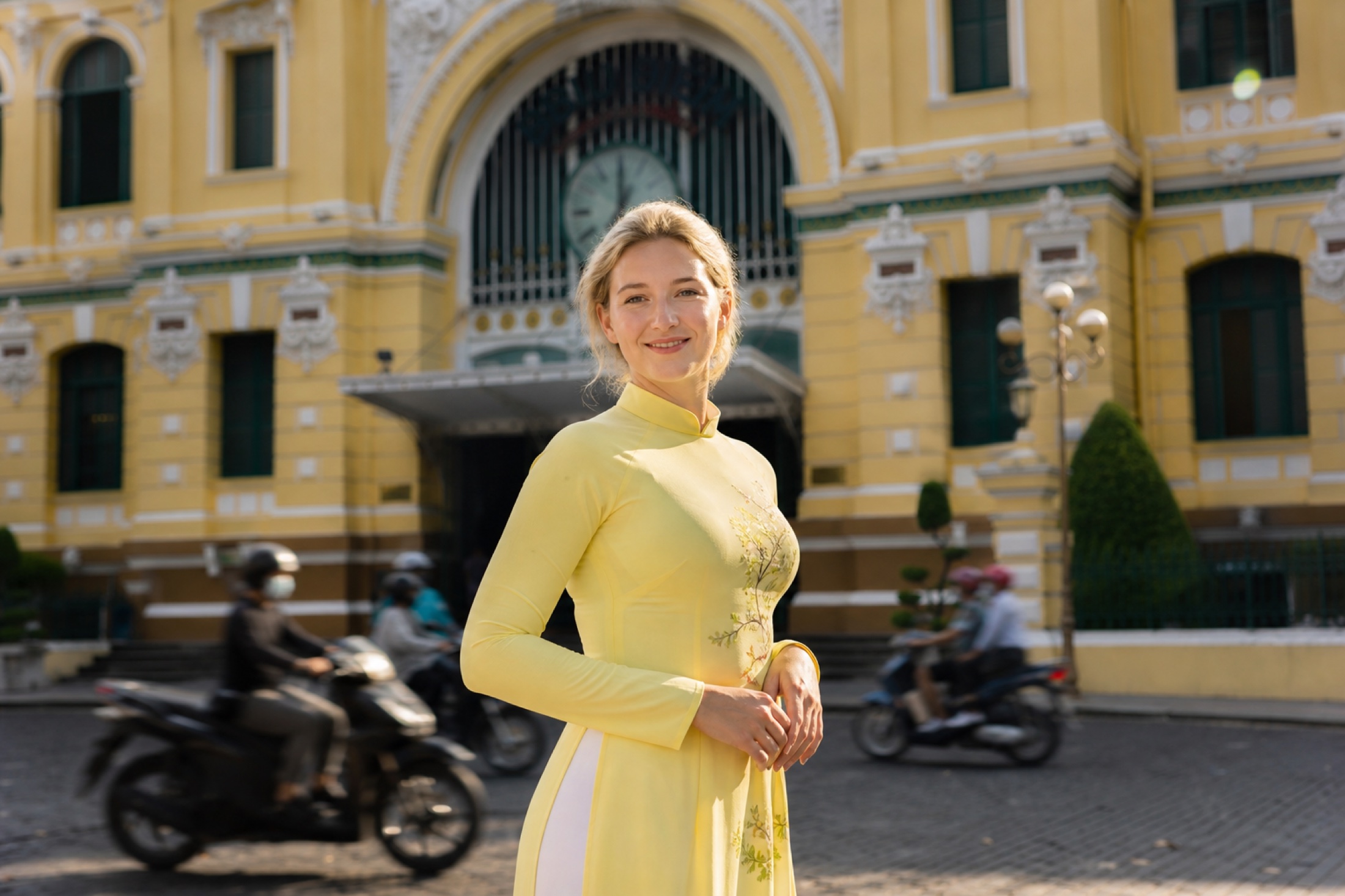
An ao dai—Vietnam's iconic silk tunic and trousers—transforms foreign brides into photography subjects draped in centuries of cultural elegance. The garment hugs the torso and features two front panels that separate at the hip, revealing high side slits; it sits over tailored silk pants. For wedding photos, fit is everything: too tight restricts breathing and sitting; too loose loses the silhouette that makes ao dai iconic. You'll wear a slip (áo lót) underneath to prevent transparency and chafing. Sessions with Cáo Studio – Makeup & Photoshoot in Hanoi or Ho Chi Minh City typically run in natural light during golden hour—early morning or late afternoon—when the silk glows. Allow 2–3 hours for hair, makeup, and posing. Most foreign brides book ao dai shoots as part of a pre-wedding or couple session, combining it with Western dress or traditional áo dài for the groom. The fit, undergarments, and session pacing determine whether you feel poised or panicked. 📸 Book on WhatsApp — ao dai photoshoot
What fit do foreign bodies need in an ao dai?
Ao dai sizing for Western frames often requires custom tailoring or rental adjustment. Your measurements—bust, waist, hip, and shoulder width—are taken weeks before your shoot. The tunic should skim your ribs without gaping at the armhole; the trousers sit high and crease cleanly down the leg. Many foreign brides have narrower shoulders or broader hips than traditional Vietnamese sizing; a good tailor adds darts or widens side seams. If you're renting (via Cáo Studio's rental partners), communicate your exact bust and hip measurements and test the garment the day before shooting; alterations on the morning of the shoot often cause stress.
What do you wear under an ao dai?
You need three layers: a thin tank or bra (in matching skin tone to avoid show-through), a full-slip (áo lót) that extends from bust to knee, and your regular undergarments. The slip prevents the silk from clinging to your body and showing every contour; it also protects the inner tunic from sweat and makeup. Choose a slip in white, beige, or black depending on your ao dai color—nude is risky because light silk against dark skin or a light slip can create unflattering contrast in photos. Avoid underwear with visible lines (seamless is best) and tight bras; the tunic's constructed chest means you don't need much support. Many brides skip the bra altogether and rely on the slip and tunic structure—test this at a fitting to see what feels secure when you're being posed and photographed.
When is the best time of day to shoot in an ao dai?
Golden hour—the first hour after sunrise or two hours before sunset—renders ao dai silk in warm, honeyed tones that photographs sell themselves. Overcast mornings (typical in Hanoi from November to February) offer soft, even light with no harsh shadows under your cheekbones, ideal if you're photographing in temple courtyards or garden backdrops. Avoid midday sun (11 a.m.–3 p.m.), which flattens the fabric and forces squinting; if you're stuck with midday, ask your photographer to position you in open shade or use reflectors to lift facial light. Humidity also peaks at midday, so you'll sweat more, risking makeup smudge and slip slippage. Schedule your makeup and hair service for early morning if you're shooting at dawn, or plan to start your session by 4 p.m. to catch the last light. Temperature matters too: ao dai is warm; if you're shooting in summer heat (May–September in Ho Chi Minh City), expect to feel hot even in cooling studios or open-air locations.
How do you move and pose in an ao dai without feeling trapped?
The side slits are designed for movement, but they only work if you lift the front panel deliberately. When standing, keep your weight balanced and your posture upright; slouching bunches fabric at the waist. For sitting, which many brides fear, separate the front panels, drape them over your thighs, and smooth the back panel under you as you lower—rushing this causes wrinkles and panel bunching. Walking requires lifting the front hem slightly with each step to avoid tripping; photographers will coach you on this if it's your first time. Avoid leaning heavily on one hip, which twists the tunic and throws off the line. Arm and hand placement matters: keep your shoulders relaxed and hands soft; stiff arms make even beautiful ao dai shots look rigid. Your makeup artist and photographer at Cáo Studio or Cáo Studio Saigon will walk you through movement before you're in full costume, so you feel confident by the time the camera is rolling.
Ao dai wedding shoot: custom tailoring vs. rental vs. bringing your own
| Option | Best for | Fit guarantee | Timeline | Why it works |
|---|---|---|---|---|
| Custom tailoring | Brides with unique measurements or vision | Highest; made to your exact specs | 4–6 weeks; needs fittings | Perfect drape on your frame; you own it after; no size surprises |
| Studio rental | First-time visitors; avoid shipping | Medium; adjusted for you; tested day-of | 1–2 weeks; rental partner handles | No luggage burden; backup plan if fit fails; partnered studios adjust on-site |
| Bring your own | Brides who own an ao dai or already rented elsewhere | Lowest; fit varies with original tailor | Depends on origin | Control over color and style; but shipping and wrinkles require management; unfamiliar garment on shoot day stresses |
Foreign brides most often choose rental (via Cáo Studio's partners) because it eliminates shipping logistics and guarantees on-site adjustments. Custom tailoring wins if you have time and specific color or embroidery requests; local Hanoi and Ho Chi Minh City tailors work quickly and affordably, though you'll need multiple fittings. Bringing your own works only if you've already worn it and know the fit; new ao dai from overseas sellers often need alterations, and wrinkles from packing require urgent steaming.
What to check before your ao dai wedding photoshoot
- Measurement accuracy: Provide bust, waist, hip, shoulder width, and inseam to the rental or tailor at least three weeks prior.
- Fabric weight and transparency: Request heavyweight silk or silk blend (not cotton); hold the ao dai to light to confirm opacity with your slip.
- Slip fit and coverage: The slip should extend from collarbone to mid-knee, with snug straps that won't slip during movement or posing.
- Hair and makeup coordination: Book hair and makeup to start at least two hours before photo time; ao dai's tight neckline can undo loose updos.
- Session location and weather: Confirm whether your shoot is indoors, outdoors, or mixed; humidity affects fabric hang and makeup longevity.
- Undergarment visibility: Test your chosen bra and slip with the ao dai before the shoot day; a surprise VPL or shoulder strap derails confidence.
- Alteration timeline: If renting, arrange a fitting or dress rehearsal 24 hours before shooting; last-minute hemming or seam fixes prevent day-of crises.
---
Why foreign brides book ao dai shoots with Cáo Studio
Cáo Studio – Makeup & Photoshoot specializes in ao dai sessions for English-speaking travelers across Hanoi, Ho Chi Minh City, and Hoi An (by appointment). The team guides first-time wearers through fit, movement, and posing so you forget you're in an unfamiliar garment. Hair and makeup are often bundled with shoots, ensuring your look is locked in before you step into the ao dai. Sessions are combined with couple, family, or pre-wedding shoots, so you're not paying for ao dai in isolation—you get Western dress and ao dai in one comprehensive experience. Check the lookbook to see how other foreign brides have worn ao dai in real shoots, and confirm your session details on WhatsApp.
---
FAQ
Can I wear an ao dai if I'm not Vietnamese?
Absolutely. Ao dai is Vietnam's national dress; wearing it respectfully for photography—especially wedding or pre-wedding shoots—honors the culture and produces stunning, one-of-a-kind images. Foreign brides are welcome and encouraged.
Will the ao dai fit my larger or smaller frame?
Yes, with tailoring or the right rental size. Ao dai is made-to-measure; measurements for bust, waist, hip, and shoulder ensure a custom fit. Rental partners at Cáo Studio adjust seams and hems to suit Western body shapes.
Do I need special shoes or accessories to wear an ao dai?
Flat sandals, heels, or embroidered flats all work for photography. Many brides wear beaded or pearl earrings and minimal jewelry to avoid competing with the silk. Discuss accessory choices with your photographer during your consultation.
How long will I be uncomfortable in an ao dai during the photoshoot?
Properly fitted ao dai feels secure and elegant within minutes. Discomfort usually stems from poor fit (too tight waist), missing slip (fabric cling), or unfamiliar movement. Cáo Studio's team rehearses movement beforehand, so by the time you're photographed, you're confident.
Can I rent an ao dai from Cáo Studio or do I have to buy one?
Cáo Studio partners with rental services across Hanoi and Ho Chi Minh City; rental details are confirmed on WhatsApp. You can also commission a custom tailor in Vietnam or bring your own if you already own one.
What happens if the ao dai doesn't fit on shoot day?
Rental partners and tailors build in 48-hour emergency alteration windows. Test your ao dai 24 hours before the shoot; if seams or hems need tweaking, the rental partner adjusts them immediately. Cáo Studio's coordination prevents these crises by confirming measurements weeks in advance.
Does Cáo Studio provide makeup and hair for ao dai shoots?
Yes. Makeup and hair services are booked separately or bundled with your photoshoot package (details confirmed on WhatsApp). Styles are designed to complement the ao dai's fitted neckline and silk texture—no heavy updo that won't hold in humidity.
Is there a best season in Vietnam to wear an ao dai for wedding photos?
February–April (Hanoi) and February–August (Ho Chi Minh City and Hoi An) offer the driest, clearest light and coolest temperatures. Summer heat (May–September) and rainy season (September–December in central/southern regions) complicate outdoor shoots but aren't impossible with indoor studio time.
FAQ
Can I wear an ao dai if I'm not Vietnamese?
Absolutely. Ao dai is Vietnam's national dress; wearing it respectfully for photography—especially wedding or pre-wedding shoots—honors the culture and produces stunning, one-of-a-kind images. Foreign brides are welcome and encouraged.
Will the ao dai fit my larger or smaller frame?
Yes, with tailoring or the right rental size. Ao dai is made-to-measure; measurements for bust, waist, hip, and shoulder ensure a custom fit. Rental partners at Cáo Studio adjust seams and hems to suit Western body shapes.
Do I need special shoes or accessories to wear an ao dai?
Flat sandals, heels, or embroidered flats all work for photography. Many brides wear beaded or pearl earrings and minimal jewelry to avoid competing with the silk. Discuss accessory choices with your photographer during your consultation.
How long will I be uncomfortable in an ao dai during the photoshoot?
Properly fitted ao dai feels secure and elegant within minutes. Discomfort usually stems from poor fit (too tight waist), missing slip (fabric cling), or unfamiliar movement. Cáo Studio's team rehearses movement beforehand, so by the time you're photographed, you're confident.
Can I rent an ao dai from Cáo Studio or do I have to buy one?
Cáo Studio partners with rental services across Hanoi and Ho Chi Minh City; rental details are confirmed on WhatsApp. You can also commission a custom tailor in Vietnam or bring your own if you already own one.
What happens if the ao dai doesn't fit on shoot day?
Rental partners and tailors build in 48-hour emergency alteration windows. Test your ao dai 24 hours before the shoot; if seams or hems need tweaking, the rental partner adjusts them immediately. Cáo Studio's coordination prevents these crises by confirming measurements weeks in advance.
Does Cáo Studio provide makeup and hair for ao dai shoots?
Yes. Makeup and hair services are booked separately or bundled with your photoshoot package (details confirmed on WhatsApp). Styles are designed to complement the ao dai's fitted neckline and silk texture—no heavy updo that won't hold in humidity.
Is there a best season in Vietnam to wear an ao dai for wedding photos?
February–April (Hanoi) and February–August (Ho Chi Minh City and Hoi An) offer the driest, clearest light and coolest temperatures. Summer heat (May–September) and rainy season (September–December in central/southern regions) complicate outdoor shoots but aren't impossible with indoor studio time.
Ao dai, makeup, hair and a local photographer in Hanoi or Saigon — one WhatsApp message.