/photo-album
Wedding photo album sizes and layouts explained
A wedding photo album is a bound collection of prints arranged to tell your day's story—different from loose digital files or wall prints. Standard sizes range from compact (5×7 inches) for gifts to large (12×16 inches) for coffee-table display; layouts vary from single-image pages to multi-photo grids. Binding options include flush-mount (photos glued directly to thick boards), traditional stitching (pages sewn and bound), and lay-flat (pages fold completely open). At Cáo Studio – Makeup & Photoshoot, albums are typically ordered after your couple photoshoot or pre-wedding session to preserve your edited images. Page count, paper finish (matte or lustre), and cover material (leather, cloth, custom designs) affect timeline, durability and space; most studios deliver albums 4–8 weeks after final selections. Choosing an album format before your shoot helps you and your photographer plan which moments to capture and frame. 📸 Book on WhatsApp — ao dai photoshoot | 💄 Makeup & hair at your hotel | 🌸 See the lookbook ---
What album size suits your home and display plans?
Size is not just about aesthetics—it's a practical decision. A 5×7-inch album fits shelves and is easy to handle; a 10×10-inch album makes a statement on a coffee table; a 12×16-inch album requires dedicated shelf or storage space. Compact albums work for gifts to parents or grandparents; larger formats suit couples who want their wedding to be the focal point of a room. Before choosing, measure your shelf or table space and consider how often you'll flip through it. Lay-flat binding (pages that open flat) is best for large albums; smaller books can use traditional stitching. The larger your album, the fewer images fit per page—so page count and total cost factors increase.
Decision framework: start with display location, then size, then page count.
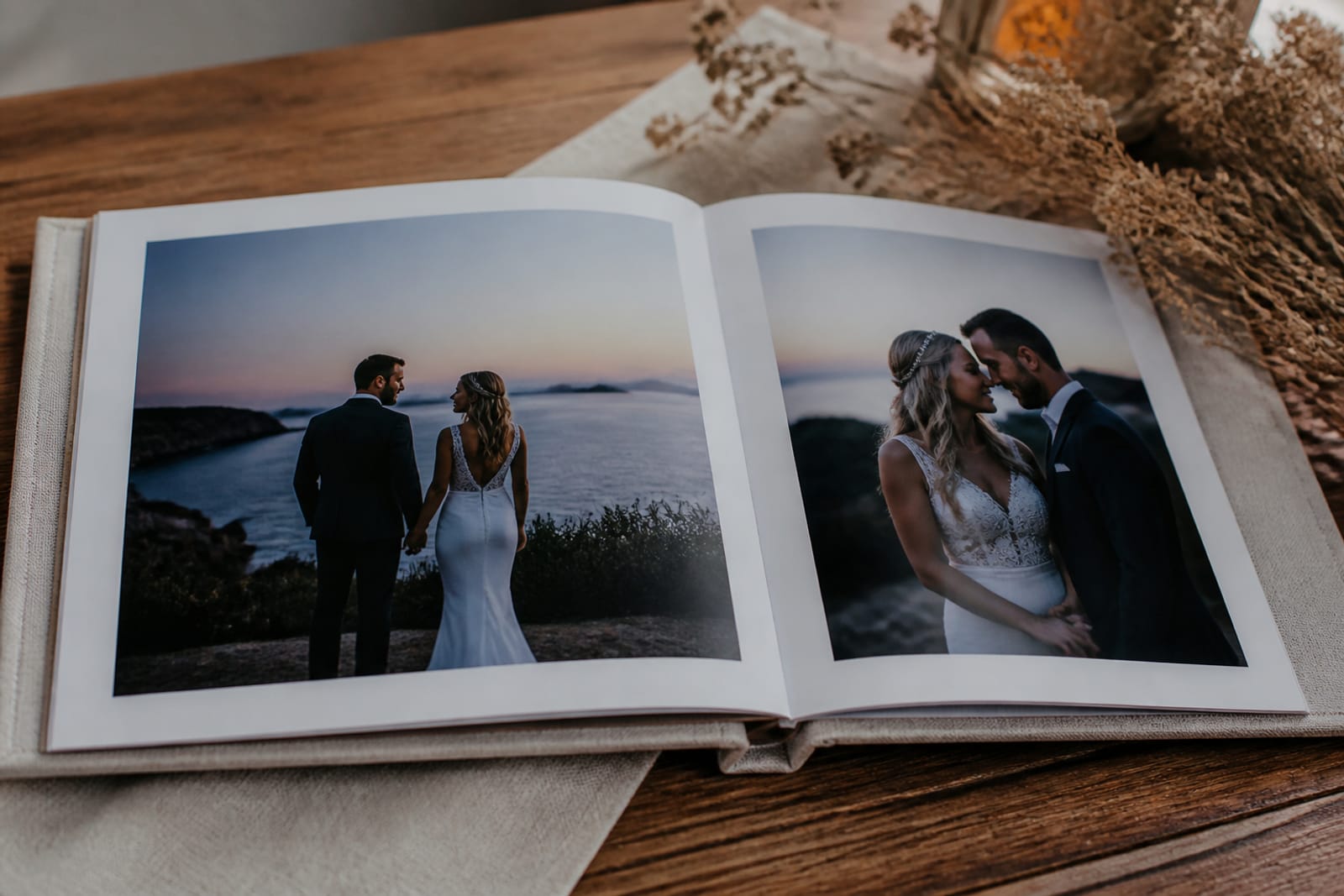
Which layout style—single image or multi-photo spreads?
Single-image layouts (one full-page photo per side) tell a cinematic story; your photographer's framing and composition carry the narrative. Multi-photo grids (4, 6, or 9 images per page) compress the day into a fast visual summary and let you include more moments. Alternating layouts (a full-page image, then a grid page) balance storytelling with breadth. Single-image albums feel more premium and require a higher edited-image count; grid layouts work with 80–120 total edits. At Cáo Studio, your photographer discusses your vision during the session—tell them early if you prefer intimate single shots or comprehensive coverage. Single-layout albums also extend your delivery timeline slightly, as designers spend more time curating sequence. If you're uncertain, ask your studio for a sample spread during booking to see which resonates.
| Layout style | Best for | Page feel | Why it works |
|---|---|---|---|
| Single image (1–2 per spread) | Cinematic story, premium keepsake | Spacious, editorial | Photographer's framing shines |
| 4-image grid | Balanced coverage, smaller album | Clean, organized | Mixes wide and close moments |
| 6–9-image grid | Comprehensive day, compact format | Dense, journalistic | Captures emotion + context |
| Alternating spreads | Hybrid narrative | Dynamic, varied | Tells story and shows breadth |
Does flush-mount or traditional binding last longer?
Flush-mount albums (images adhered directly to thick cardstock pages, no visible stitching) feel modern and lay completely flat; they're durable if the adhesive is archival-quality, but individual pages cannot be removed or replaced. Traditional stitched binding (pages sewn and bound) allows page replacement and has been proven over decades; it's the standard for heirloom albums. Lay-flat binding (a hybrid with side stitching) combines both: pages open 180 degrees and are still replaceable. Flush-mount works best for smaller albums (under 10 pages) because large format flush-mount can warp if environmental humidity shifts. Ask your studio what adhesive they use—archival-quality is non-acidic and pH-neutral, crucial for 50+ year preservation. If you plan to pass your album to children, traditional or lay-flat binding is safer; if you want a sleek, modern feel for display, flush-mount is effective for 10 years minimum.
🌸 See the lookbook | 📸 Book on WhatsApp — ao dai photoshoot
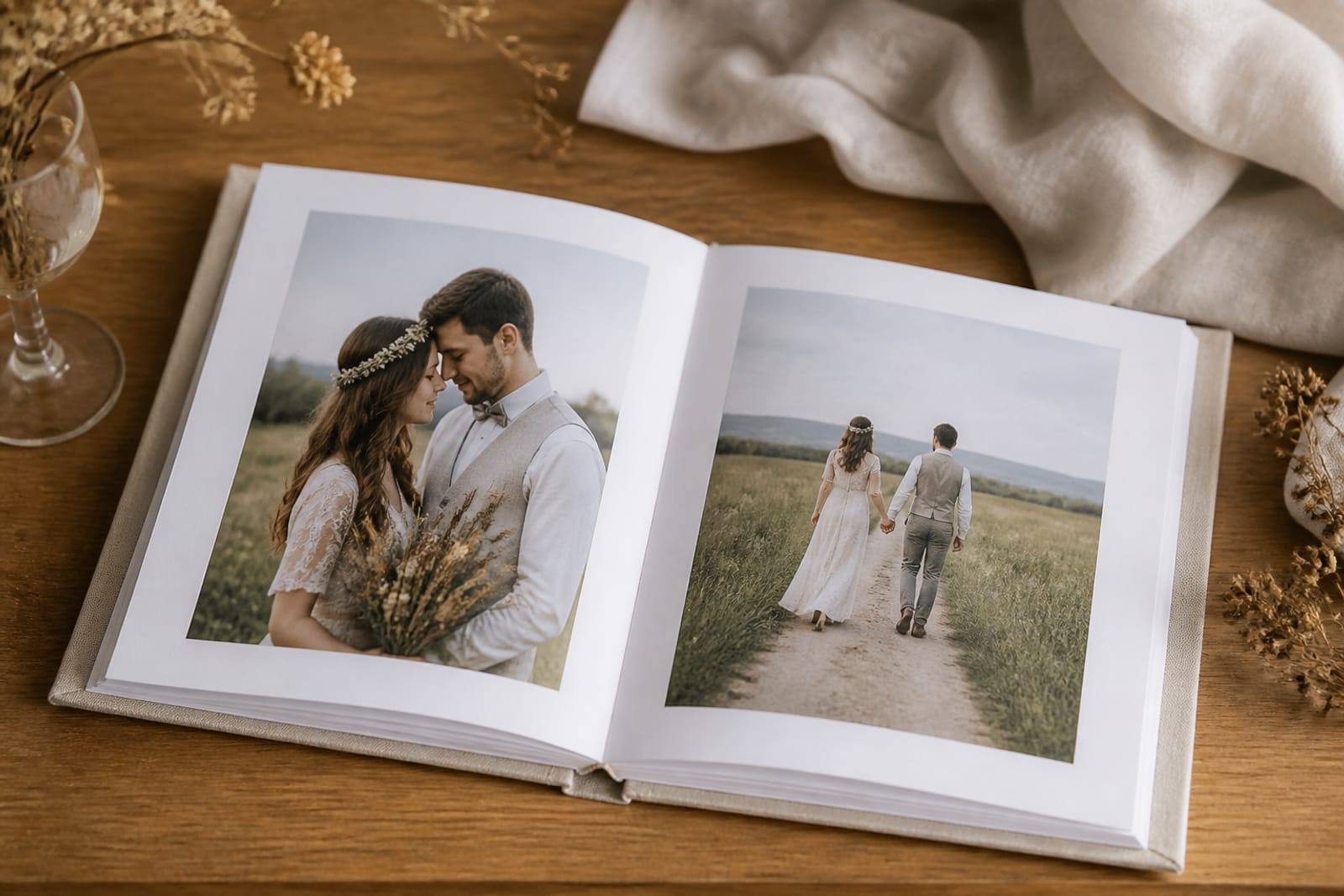
How many pages do you actually need—and what drives cost?
A 30-page album with single-image spreads holds 60 edited photos; the same album with 4-image grids holds 240 edits. Most couples choose 20–40 pages; fewer than 20 feels rushed, more than 50 becomes browsing-heavy. Page count directly affects material cost (cardstock, binding, printing) and assembly time. At Cáo Studio – Makeup & Photoshoot, page count is discussed during the photo-album planning phase after your shoot; your edited-image count and layout preference determine the right count. Add timeline pressure: more pages mean longer design and printing windows. A 30-page album may take 6 weeks; a 50-page album 8 weeks. Cost factors also include cover material (standard cloth cover is typical; leather or custom embossing adds value), finish (matte is timeless; lustre adds sheen), and rush options. If your timeline is tight, choose fewer pages and prioritize composition over quantity.
What should you confirm with your studio before booking?
Before you book a photoshoot, ask your studio these specifics: (1) which album brands or binding types do they offer—and whether you can see physical samples? (2) Do they design layouts in-house or outsource, and how many rounds of revision are included? (3) What is the typical delivery window from final image selection to album in hand? (4) Are covers customizable with your names, wedding date, or custom photos? (5) Do they offer add-ons like matching guest books, thank-you cards, or parent albums? (6) What paper finishes are available—matte, lustre, or premium art papers? (7) Can you order additional albums (for parents) as reprints, and what is the timeline? (8) If a page is damaged after delivery, can it be reprinted and rebound?
Cáo Studio – Makeup & Photoshoot can answer all of these on WhatsApp. Request their physical album sample book and discuss your layout preference (single image vs. grids) before your couple photoshoot, pre-wedding session, or family photoshoot. Your photographer then knows your vision and can frame wider or tighter shots accordingly. At Cáo Studio Hanoi and Cáo Studio Saigon, albums are typically offered as add-ons after your session; you're not locked into a format on booking day.
---
What to check before you buy
- See a sample album in person: physical samples are better than photos; check binding strength, page thickness, and cover feel.
- Confirm the designer timeline: how many days between final edits and layout draft? Can you request changes?
- Ask about reprints: if you want parent albums or guest-book albums later, is the cost and timeline clear?
- Check archival standards: ask if the paper and ink meet museum preservation standards (ISO 18917 or equivalent).
- Understand cover options: is custom embossing included, or does it cost extra? Can you choose leather, cloth, or acrylic covers?
- Clarify page capacity vs. image count: a 30-page album with your desired layout (single or grid) holds how many photos? Make sure that matches your edited image count.
---
💄 Makeup & hair at your hotel | 🌸 See the lookbook | 📸 Book on WhatsApp — ao dai photoshoot
For more on album design and print finishes, explore photo prints & frames and our FAQ. If you're planning a wedding or pre-wedding session in Hanoi, Saigon, or Hoi An, start with a consultation on WhatsApp to discuss your album vision.
---
FAQ
Can I order an album without a full wedding photoshoot?
Not directly from Cáo Studio—albums are add-ons after your couple photoshoot or pre-wedding session. If you have existing photos, ask on WhatsApp whether guest albums or reprints are available.
How long does a typical album take to arrive after I approve the layout?
Delivery depends on binding type and page count. Stitched or lay-flat albums typically arrive 4–8 weeks after final edits; rush options may be available—confirm on WhatsApp.
What's the difference between matte and lustre finishes on album pages?
Matte is non-reflective and feels more editorial; lustre is slightly glossy and adds depth to colours. Matte hides fingerprints; lustre shows them more. Choose matte for a timeless, gallery feel, lustre for vibrancy. Both are archival if the paper quality is high.
Can I design my own album layout or does the studio do it?
At Cáo Studio, layouts are typically designed by the studio photographer or designer after your edits are approved. Custom design requests are discussed during planning—ask your booking coordinator for specifics on WhatsApp.
If I want albums for my parents too, can I reprint from my wedding album?
Most studios offer parent or gift albums as reprints at a cost; ask on WhatsApp whether reprints use the same design or can be customized (e.g., smaller size or different layout). Timeline for reprints is usually shorter.
What cover material is most durable for a 50-year heirloom album?
Leather and high-quality cloth covers are both durable; archival leather outlasts standard cloth. The binding (stitched or lay-flat) matters more for longevity than cover. Ask your studio whether they use archival adhesives and acid-free boards inside.
FAQ
Can I order an album without a full wedding photoshoot?
Not directly from Cáo Studio—albums are add-ons after your [couple photoshoot](/couple-photoshoot) or [pre-wedding session](/pre-wedding-photoshoot). If you have existing photos, ask on WhatsApp whether guest albums or reprints are available.
How long does a typical album take to arrive after I approve the layout?
Delivery depends on binding type and page count. Stitched or lay-flat albums typically arrive 4–8 weeks after final edits; rush options may be available—confirm on WhatsApp.
What's the difference between matte and lustre finishes on album pages?
Matte is non-reflective and feels more editorial; lustre is slightly glossy and adds depth to colours. Matte hides fingerprints; lustre shows them more. Choose matte for a timeless, gallery feel, lustre for vibrancy. Both are archival if the paper quality is high.
Can I design my own album layout or does the studio do it?
At Cáo Studio, layouts are typically designed by the studio photographer or designer after your edits are approved. Custom design requests are discussed during planning—ask your booking coordinator for specifics on WhatsApp.
If I want albums for my parents too, can I reprint from my wedding album?
Most studios offer parent or gift albums as reprints at a cost; ask on WhatsApp whether reprints use the same design or can be customized (e.g., smaller size or different layout). Timeline for reprints is usually shorter.
What cover material is most durable for a 50-year heirloom album?
Leather and high-quality cloth covers are both durable; archival leather outlasts standard cloth. The binding (stitched or lay-flat) matters more for longevity than cover. Ask your studio whether they use archival adhesives and acid-free boards inside.
Ao dai, makeup, hair and a local photographer in Hanoi or Saigon — one WhatsApp message.