/wedding-dress-rental
Western gown or ao dai: which for Vietnam wedding photos?
Both work, but they demand different planning. A Western gown photographs best in controlled indoor studios or early-morning outdoor light (6–8 a.m.) because long train and full skirts risk soiling in Hanoi's dusty streets and humidity creases fabric; áo dài adapts to any season, fits temple settings respectfully, and dries faster if rain hits. The áo dài's narrow cut suits natural light and movement; a gown needs careful hair and makeup touch-ups between shots due to sweat. Cáo Studio – Makeup & Photoshoot works with both in Hanoi and Ho Chi Minh City: couples often book a gown for studio backdrops and an áo dài for outdoor Hoi An or temple sessions. Your decision hinges on season (Dec–Feb suits either; May–Sep humidity favors áo dài), venue (temples require áo dài), and whether you'll carry or train the gown. Start with your venue's dress code, then consult on WhatsApp about logistics for the date and location you've chosen. 📸 Book on WhatsApp — ao dai photoshoot
What does a Western gown need that an áo dài doesn't?
A Western gown needs a climate-controlled changing space, a long flat surface to lay out the train without soiling, and frequent touch-ups during outdoor shoots because humidity and movement crease satin and silk quickly. Trains drag on wet pavement; bustles come loose in heat. You'll need undergarments that read invisibly on camera—corsetry shows through silhouette. áo dài, by contrast, stays crisp longer, requires only shoulder and underarm checks, and its fitted silhouette flatters most body types without hidden scaffolding. If you're shooting in Hanoi during May–September, a gown's sweat-staining risk is real; the áo dài's breathable silk-cotton wicks faster. Humidity also curls Western hair more aggressively, meaning an extra 15–20 minutes of restyling between outdoor and indoor shots.
Which dress photographs better in Vietnam's light?
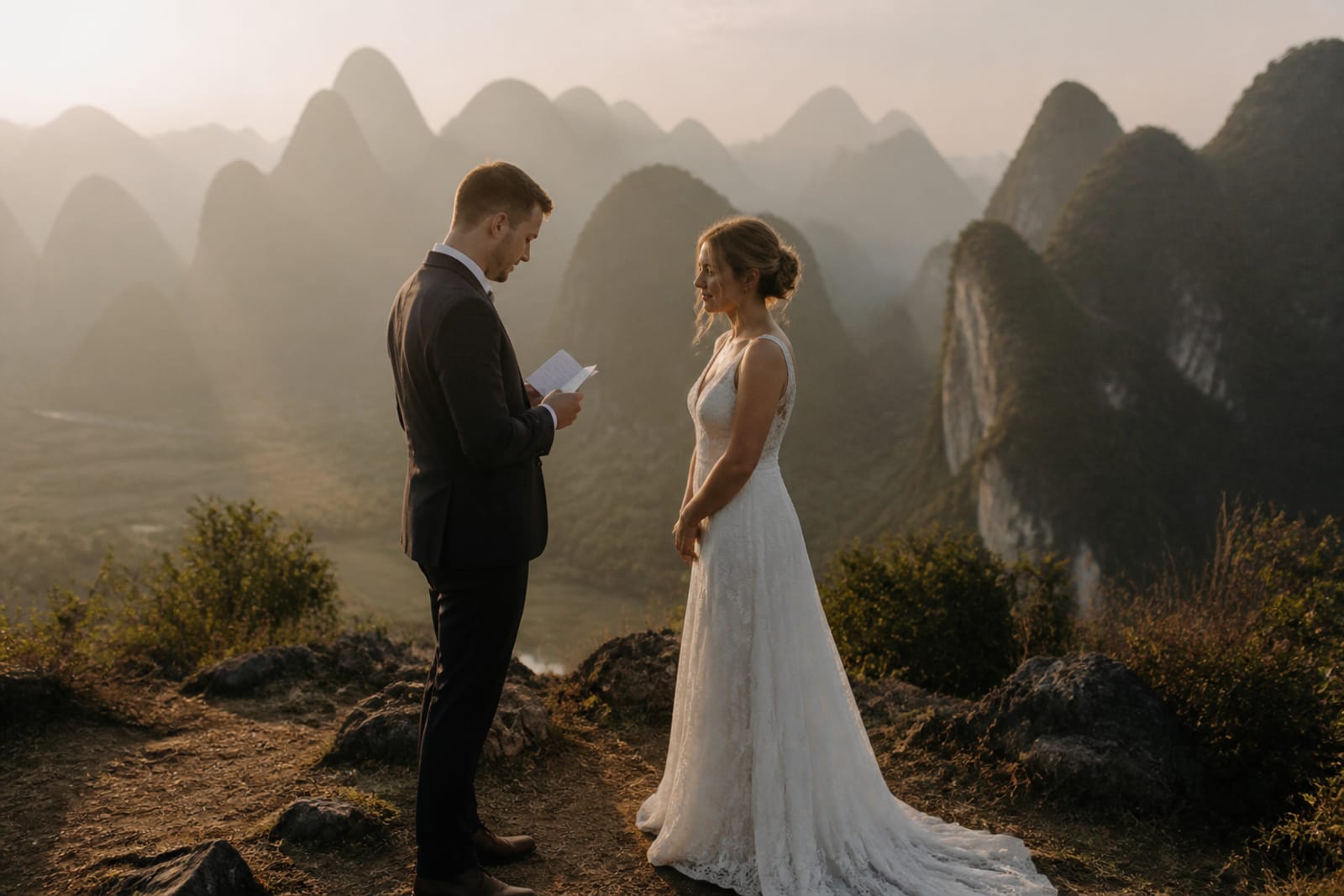
Áo dài shines in soft, diffused light (overcast mornings, temple shade) because its straight lines and drape catch directional rays without collecting unwanted shadows on the torso. A Western gown photographs best in either fully controlled studio light or golden hour (late afternoon, 4–5 p.m.) when backlighting flatters tulle and beading; midday sun creates harsh shadows across the décolletage and creates blown-out whites on pale fabrics. If you're booking an outdoor session in Hanoi's cold season (Dec–Feb), early morning light favors the áo dài; gown couples often prefer studio backdrops or the muted light of a hotel ballroom. Hoi An's Ancient Town (lantern light, narrow streets) suits áo dài seamlessly; a full Western gown risks snagging on doorframes and uneven cobblestones. Temple interiors in all seasons—dim, yellow-tinted—flatter the áo dài's jewel tones far more than a pale gown.
| Aspect | Western gown | Áo dài | Trade-off |
|---|---|---|---|
| Best season | Dec–Feb (cool, dry) | Any; May–Sep (humidity okay) | Gown risks creasing in heat |
| Best light time | Golden hour, studio | Dawn, temple shade, overcast | Gown needs backlit or controlled setup |
| Temple access | Limited (formal dress codes) | Full (traditional dress honored) | Gown may be seen as foreign, not disrespectful |
| Humidity risk | High (silk wilts, wrinkles set fast) | Low (breathable, recovers quickly) | Sweat-staining shows on pale gowns |
| Portability | Difficult (train, bulk, pressing needed) | Easy (folds small, rarely wrinkles) | Gown needs garment bag + iron on-site |
| Hair hold | Requires extra spray, pins (heat-sensitive) | Holds curls longer (less frizz risk) | Vietnam's moisture overwhelms Western updos |
Can you wear both in one session?
Yes—many couples do. Book a pre-wedding or elopement photoshoot that includes two outfit changes: gown for studio or hotel indoor backdrops (soft lighting, marble floors, mirrors), áo dài for outdoor temples, gardens or street scenes. This requires an extra makeup touch-up (10–15 minutes) and a private changing space, which hotel rooms or studio areas provide. Cáo Studio – Makeup & Photoshoot coordinates multi-outfit sessions in Hanoi, Ho Chi Minh City and Hoi An; the team brings touch-up kits for sweat and humidity between scenes. Schedule at least 3 hours to avoid rushing. The gown photograph benefits from studio time; the áo dài photograph benefits from natural outdoor light and cultural context. If your budget or timeline permits only one outfit, choose the áo dài for authenticity and ease, or the gown if you need Western formality on camera.
What should you avoid when choosing your dress for Vietnam?
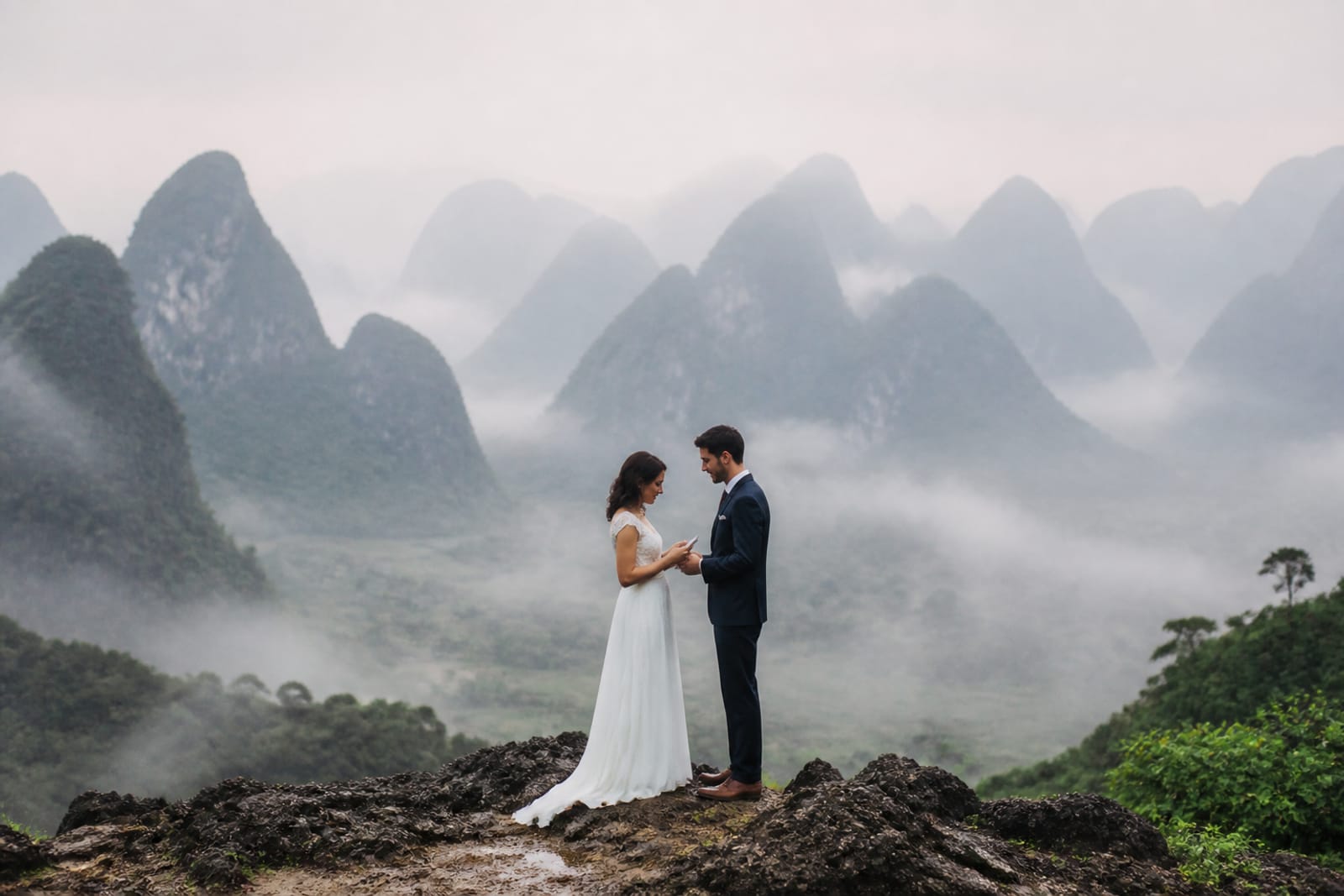
Avoid pale fabrics (ivory, white, blush) in outdoor monsoon season (May–Sep in central/southern regions, Sep–Dec for typhoon risk)—humidity and tropical dust settle visibly on pale silk. Don't choose a gown with a train longer than 1.5 meters if you're shooting in Hoi An's narrow Ancient Town or on unpaved temple grounds; stones and dust will mat the hem. Avoid sleeveless or backless gowns in temples (disrespectful and will be photographed against temple etiquette). Skip overly stiff taffeta or tulle—Vietnam's moisture softens structure and makes creases permanent if the dress is packed damp. Don't book both a heavy Western gown and plan sunrise shoots; the sweat damage isn't worth the early-morning light if you're outdoors for hours. If you're renting your dress (via wedding dress rental or suit & groom outfit rental partners), confirm the rental company allows travel to Vietnam and has a same-day pressing service on arrival. Avoid styles that need a corset if you're shooting in heat—visible silhouette changes between shots break continuity.
How do you prepare your dress for humidity and travel?
Pack your dress in an acid-free garment bag with tissue paper, not plastic (plastic traps moisture and mildew during flight and airport delays). Arrive 2–3 days before your shoot to let the dress acclimate and for a final steam or press. Most hotels offer pressing; confirm this when you book your room. For áo dài, pack it folded in a carry-on if possible—wrinkles release with a quick steam and minimal handling. If you're renting in Vietnam, the rental company typically covers pressing and conditioning; ask on WhatsApp when you inquire. Bring a shawl or lightweight wrap (áo dài rental partners often include this; Western gown couples should pack a silk shrug)—it shields your shoulders from sweat, adds warmth during 6–8 a.m. outdoor shoots, and photographs beautifully in mist or temple shade. Pack blotting papers and a small sewing kit (loose beads, thread); humidity can loosen seams. If you're booking makeup & hair at your hotel, let the team know your dress fabric so they apply sweat-resistant makeup and hair products appropriate to outdoor or temple shoots.
What's the fastest way to decide?
Answer these three questions in order:
- Venue: Are you shooting in a temple? (Yes → áo dài is required and will photograph better.) No → continue.
- Season and outdoor time: Are you outdoors for more than 2 hours, between May and September? (Yes → áo dài's breathability wins; humidity will crease a gown.) No → continue.
- Personal meaning: Does a Western gown matter more for your wedding album, or is the áo dài essential to your family or cultural narrative? (Gown → book a studio or hotel session; áo dài → book outdoor gardens or temples.) Both equally → book two outfits.
Once you've answered, see the lookbook to visualize both options in Hanoi and Hoi An settings. Then message us on WhatsApp to discuss your specific date, location, and timeline. The team will advise on light, space, and logistics—and confirm what's included in your package, which outfits and makeup touch-ups are covered, and how long the session runs.
---
What to check before you book
- Venue dress code: Confirm temples allow your choice; most require covered shoulders and knees.
- Rental vs. owned: If renting in Vietnam, ask the company if they press same-day and handle humidity conditioning.
- Season and rain: Check the weather pattern for your month at your specific location (north, central coast, or south Vietnam); ask on WhatsApp if rain is likely and how it affects the shoot.
- Changing space: Confirm your hotel or studio has a private, clean area to change between outfits without rushing.
- Hair and makeup plan: Book makeup & hair at your hotel if you're in Hanoi or Ho Chi Minh City, or ask the photographer for touch-up frequency.
- Undergarments: Try your dress with final undergarments weeks ahead; humidity changes how fabrics cling.
---
FAQ
Can I wear a Western gown in a Buddhist temple?
Most temples welcome visitors in any respectful attire, but formal Western gowns may read as wedding dresses outside a ceremony, which can feel culturally jarring in sacred spaces. Áo dài is the standard and honors the setting. Ask your photographer if temple access is available for your gown; some temples permit photography only in secular areas.
Will my dress get ruined if it rains during an outdoor shoot?
Silk and satin darken and stain visibly when wet; your áo dài will recover faster than a Western gown because its weave is more forgiving. Check the weather forecast for your month when you book. Cáo Studio – Makeup & Photoshoot coordinates indoor backup spaces in Hanoi and Ho Chi Minh City; ask about contingency plans on WhatsApp before your session.
How much time do I need to change between a gown and an áo dài?
10–15 minutes if you're changing in a private hotel room or studio and the makeup artist stays for touch-ups. This includes removing undergarments, re-pinning hair, and reapplying lip color. Book at least 3 hours total for a two-outfit session to avoid feeling rushed.
Is an áo dài always better than a Western gown in Vietnam?
No. If you're shooting indoors (studio, hotel ballroom) with controlled lighting, a Western gown photographs just as beautifully and feels more personal to you. The áo dài's advantage is outdoors, in temples, and during humid seasons. Choose what matters most to your story, not just logistics.
Do I need to rent my dress in Vietnam, or can I bring my own?
You can bring your own. Pack it in an acid-free garment bag with tissue and plan to arrive 2–3 days early for pressing. Hotels offer this service; confirm when you book. Renting in Vietnam is also common—ask wedding dress rental partners for pricing and same-day conditioning when you inquire.
Should I book makeup and hair separately if I'm changing outfits?
Yes—reserve makeup & hair at your hotel specifically for a multi-outfit session so the artist plans for touch-ups between looks. Confirm they bring sweat-resistant products and understand your schedule. This prevents rushed or streaky makeup in outdoor light.
What if I'm unsure which dress suits my venue and date?
Message us on WhatsApp with your venue, date, and preference (gown, áo dài, or both). We'll advise based on light, season, and temple access, then propose a session plan with timing and outfit changes. We work with both and will guide you honestly toward what will photograph best for your story.
FAQ
Can I wear a Western gown in a Buddhist temple?
Most temples welcome visitors in any respectful attire, but formal Western gowns may read as wedding dresses outside a ceremony, which can feel culturally jarring in sacred spaces. Áo dài is the standard and honors the setting. Ask your photographer if temple access is available for your gown; some temples permit photography only in secular areas.
Will my dress get ruined if it rains during an outdoor shoot?
Silk and satin darken and stain visibly when wet; your áo dài will recover faster than a Western gown because its weave is more forgiving. Check the weather forecast for your month when you book. Cáo Studio – Makeup & Photoshoot coordinates indoor backup spaces in Hanoi and Ho Chi Minh City; ask about contingency plans on WhatsApp before your session.
How much time do I need to change between a gown and an áo dài?
10–15 minutes if you're changing in a private hotel room or studio and the makeup artist stays for touch-ups. This includes removing undergarments, re-pinning hair, and reapplying lip color. Book at least 3 hours total for a two-outfit session to avoid feeling rushed.
Is an áo dài always better than a Western gown in Vietnam?
No. If you're shooting indoors (studio, hotel ballroom) with controlled lighting, a Western gown photographs just as beautifully and feels more personal to you. The áo dài's advantage is outdoors, in temples, and during humid seasons. Choose what matters most to your story, not just logistics.
Do I need to rent my dress in Vietnam, or can I bring my own?
You can bring your own. Pack it in an acid-free garment bag with tissue and plan to arrive 2–3 days early for pressing. Hotels offer this service; confirm when you book. Renting in Vietnam is also common—ask [wedding dress rental](/wedding-dress-rental) partners for pricing and same-day conditioning when you inquire.
Should I book makeup and hair separately if I'm changing outfits?
Yes—reserve [makeup & hair at your hotel](/makeup-and-hair) specifically for a multi-outfit session so the artist plans for touch-ups between looks. Confirm they bring sweat-resistant products and understand your schedule. This prevents rushed or streaky makeup in outdoor light.
What if I'm unsure which dress suits my venue and date?
Message us on WhatsApp with your venue, date, and preference (gown, áo dài, or both). We'll advise based on light, season, and temple access, then propose a session plan with timing and outfit changes. We work with both and will guide you honestly toward what will photograph best for your story.
Ao dai, makeup, hair and a local photographer in Hanoi or Saigon — one WhatsApp message.