/pre-wedding-photoshoot
What to Wear for Couple Photos at Po Nagar Cham Towers
Po Nagar Cham Towers in Nha Trang sits on a peninsula with open east-facing light and stone architecture that reads cold on camera without warmth in your palette. Couples shoot best in jewel tones, earth neutrals or soft pastels that neither wash out nor clash with weathered brick; loose layers (linen, cotton blends, silk) move through wind and narrow tower passages without snagging. Avoid pure white (glares), black logos, or tight fits that bunch in seated or climbing frames. If you're booking a couple photoshoot here through Cáo Studio, bring 2–3 outfits: one for the wide opening shots at the tower base, one for detail work near the steps, and a backup for changing light. The shoot typically runs 2–3 hours around sunrise or late afternoon to use the peninsula's side light; confirm what's included in your package on WhatsApp, and plan simple shoes you can slip off if entering temple grounds. ---
How does light change at Po Nagar throughout the day?
Po Nagar Cham Towers faces the Cai River valley to the west and the bay to the east, creating two distinct light windows. Early morning (5:30–7:00 am) throws soft golden light from the east across the tower facades and stone pathways; the air is still, crowds are thin, and your outfit reads warmth without glare. By 10:00 am the sun climbs higher and flattens color; midday is harsh and unforgiving—fabric shadows deepen, skin tones shift blue-grey, and the stone turns flat grey-white. Late afternoon (4:30–6:30 pm) brings side light again, warmer but lower, which works if clouds sit high; if overcast, the whole site turns monochrome. Plan your outfit color and fabric weight around the window you choose—jewel tones glow in soft morning light, while pastels hold detail in afternoon side-light without darkening.
📸 Book on WhatsApp — couple photoshoot
What colors and fabrics work best on camera at a temple site?
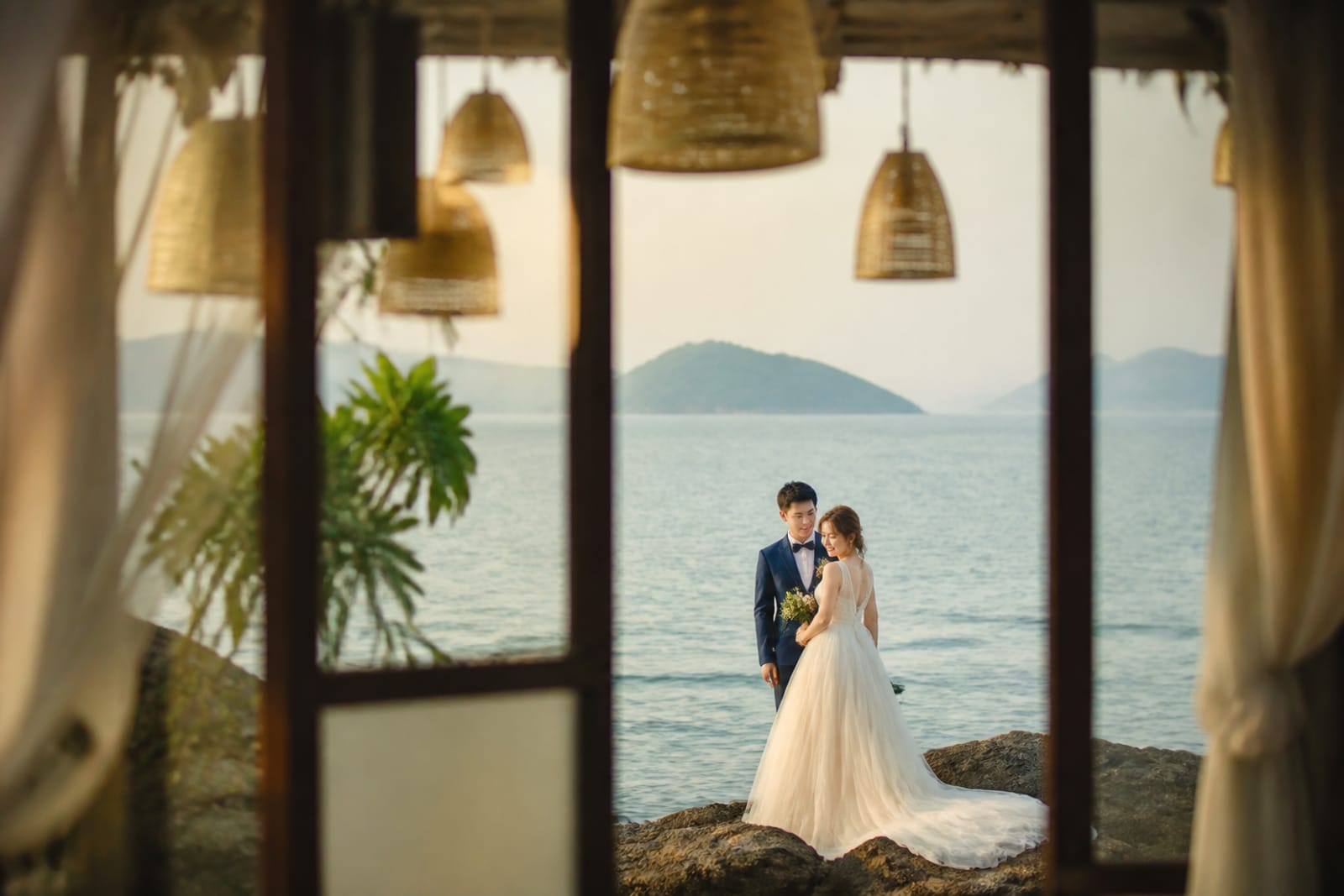
Temple architecture is weathered, earthy and cool-toned; outfits that compete with it fail. Choose from: jewel tones (emerald, sapphire, deep burgundy) which pop against stone; warm earth neutrals (terracotta, ochre, warm beige) which harmonize with the backdrop; or soft pastels (blush, sage, dusty blue) which float without washing out. Avoid pure white (glares and separates you from the frame), black (absorbs light and reads stiff), and neon or bright primaries (distract from the towers and you). Fabric matters: natural weaves (cotton, linen, silk blends) move with wind and walking, read texture on camera, and don't cling when you're climbing or standing on weathered steps. Polyester and synthetic blends can look plastic in detail shots and trap heat—problematic in Nha Trang's tropical air. If one partner wears a structured piece (a vest, a collared shirt), the other should balance with flow (an A-line skirt, loose trousers) so you don't look uniformly rigid together.
Should we wear traditional Vietnamese dress at Po Nagar?
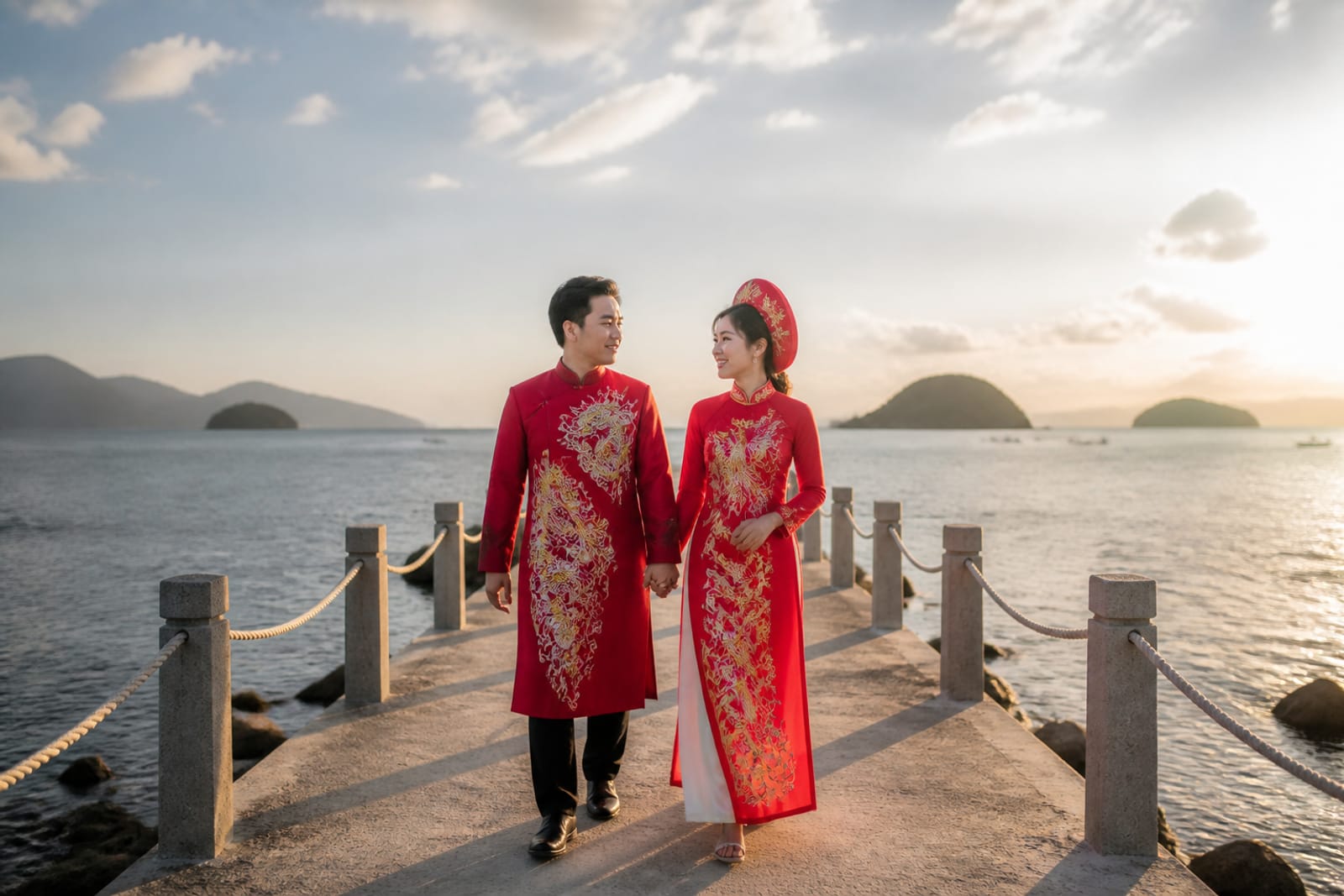
An ao dai is a legitimate choice if Nha Trang's humidity and the temple's narrow passages don't deter you. The fabric drapes beautifully in wind, the silhouette photographs lean and graceful, and wearing traditional dress at a Cham temple reads respectful. However: ao dai sleeves and the long skirt make climbing or sitting on steps awkward; the silk or silk-blend fabric wrinkles fast in heat and salt air (Nha Trang is coastal); and once wet from sweat or sea spray, drying takes hours. If you choose ao dai, bring a lightweight cotton underslip and book makeup and hair at your hotel to freshen up mid-shoot. Pair it with simple slip-on shoes—no heels on stone. If you'd prefer to explore both traditional and contemporary looks, ask your photographer (or Cáo Studio on WhatsApp) to split the shoot: one hour in ao dai for the tower frames, then change into modern outfits for the riverbank or lower grounds shots.
How do weather and season affect your outfit choice?
Nha Trang's best light for outdoor photography runs January through August (dry, sunny, predictable); the rainy season (roughly October–December) brings afternoon downpours, humidity spikes, and overcast skies that flatten color. Winter months (January–February) cool the air and reduce sweat, letting you wear layered pieces without wilting; summer (May–August) demands breathable fabrics and shorter sleeves or sleeveless tops under a loose shirt. Wind picks up in the afternoon along the peninsula, which works for fabric movement but can push a loose skirt off-frame or dishevel hair. Check the local forecast a week before your shoot and pack backup outfits: if rain threatens, plan darker jewel tones that won't show water marks and quick-dry synthetics (yes, even if plastic-looking—a wet silk ao dai is unusable). Bring a thin cotton shawl or overshirt to layer against both sun and wind; it adds visual depth to frames and is easy to remove for closeups.
What's the fit and movement checklist before you book?
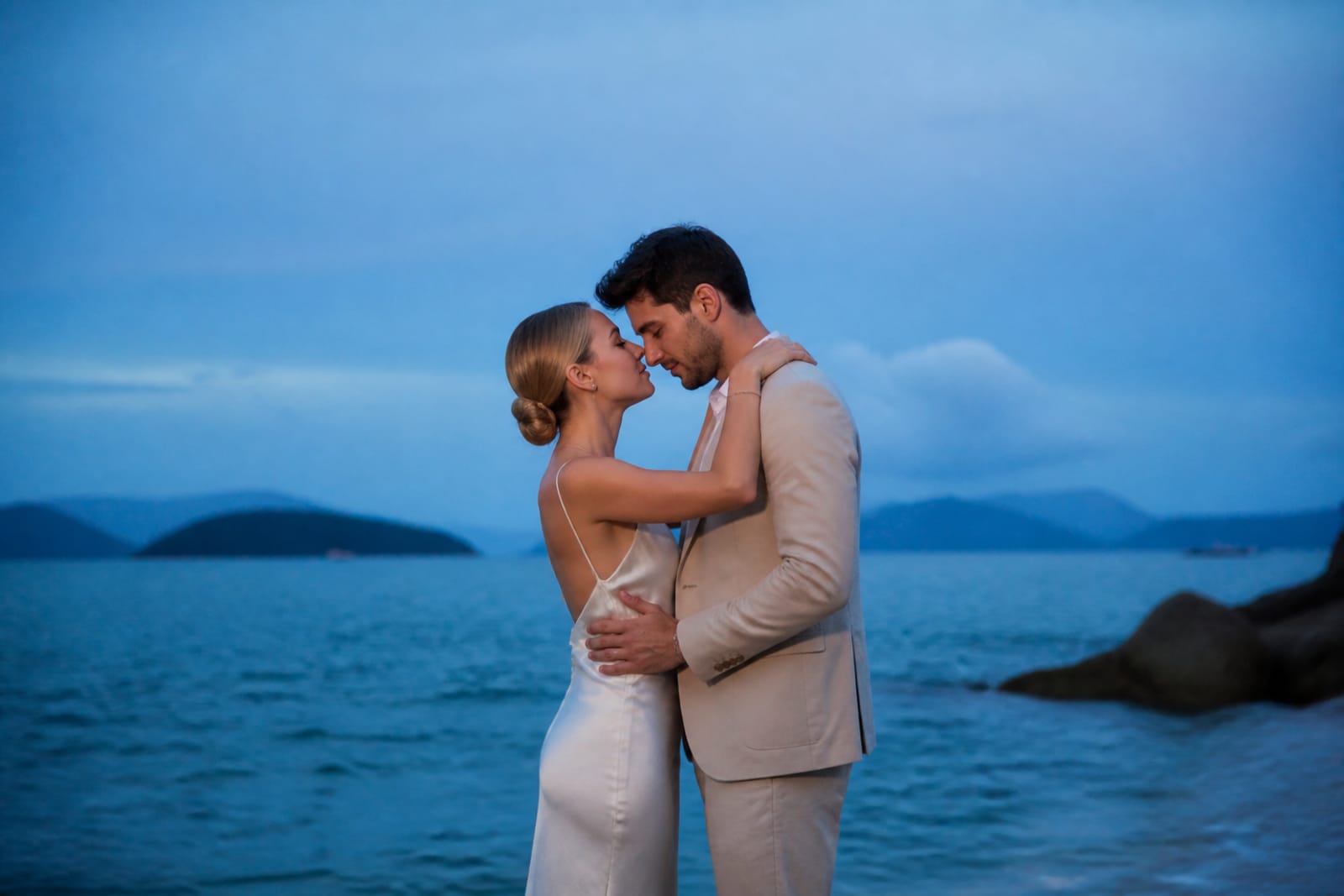
Walk through your planned outfits and test these: (1) Sit on a low wall or step—does the hem bunch, ride up, or wrinkle badly? (2) Walk uphill and downhill—do sleeves restrict your arms or does the hem drag under your feet? (3) Raise your arms to shoulder height—does the fabric gap, pull, or twist? (4) Look down at your feet—are shoes easy to slip on or take off, and stable on uneven stone? (5) Spin or pivot—does the fabric move or cling? (6) Bend forward gently—does the neckline gap or the back rise awkwardly? (7) Check the undergarments—do bra straps show (if strapless is planned), and is the layer under an ao dai smooth and doesn't show through?
| Outfit Type | Best For | Light Timing | Why It Works |
|---|---|---|---|
| Jewel-tone separates (blouse + skirt/trousers) | Mixed tower & riverbank shots | Early morning or late afternoon side-light | Color pops, natural fabric moves, easy to adjust layers |
| Ao dai + underslip | Tower portraits, cultural framing | Sunrise (before heat builds) | Respectful, silhouette reads graceful, drapes with wind |
| Pastel or neutral modernpiece (linen dress, cotton shirt) | Wide landscape frames | Overcast or filtered light, late day | Won't compete with stone, breathable, reads relaxed |
| Layered neutrals (tee + unstructured jacket) | Detail closeups, movement shots | Any clear-sky window | Simple, readable on camera, easy to adjust without restyling |
Fit and movement trump trends every time. Clothes that feel tight or restricted show tension in your face and posture; a slight size up in breathable fabric outperforms a tailored synthetic piece in both comfort and frame quality.
---
What shoes work on temple stone pathways?
Stone at Po Nagar is uneven, worn smooth in traffic lanes and rough at edges—designed for bare feet or sandals, not heels. Choose flat shoes: slip-on loafers, canvas sneakers, embroidered flats or leather sandals. Avoid heels (they catch and twist ankles), open-toe sandals with thin straps (dust and pebbles lodge beneath), and brand-new leather (slippery). If you plan to enter temple areas, bring socks or a thin shawl to cover your legs; check current temple etiquette on arrival. Many couples remove shoes for certain frames—either walking barefoot on the stone (risky) or carrying them—so pick a pair light enough to hold in one hand for a few shots. If barefoot is planned, test the stone temperature early morning (cool) versus afternoon (hot enough to burn if you stay still).
How do you prepare as a couple the night before your shoot?
Get a full night's rest—fatigue shows in posture and smiling. Review your outfit lineup together: are the colors complementary (not matching, not clashing)? Do both of you feel confident and comfortable in each piece? Lay out the clothes and shoes in your hotel room; fold delicate items loosely to avoid wrinkles. Eat a light dinner and hydrate throughout the evening; dehydration causes dull skin and fatigue under camera. Don't try new skincare products or sun protection the night before—stick to your usual routine. Trim or file any loose threads on buttons or seams. Set an alarm 30 minutes before your pickup time; meet your photographer or makeup and hair team well-rested, so you're present for direction rather than stiff from rushing. If Cáo Studio is coordinating your shoot, confirm the exact start time and weather backup plan on WhatsApp the evening prior.
---
What to check before you book
Confirm these details on WhatsApp before you commit:
- What's included in your pre-wedding photoshoot package? (exact outfit changes, shoot length, edited photos, delivery time)
- Does the photographer want you to bring outfits, or do they source them (e.g., ao dai rental, suit rental)?
- Is makeup and hair included, or do you hire separately?
- What's the weather backup plan if rain or overcast arrives?
- Are there temple access restrictions or entry timing to know before the shoot?
- How soon after the shoot are photos delivered?
- Can you request specific locations on the temple grounds, or does the photographer choose?
Don't assume prices—ask for a quote based on outfit count, duration, and edit style. Ask to see the photographer's previous temple work; Po Nagar's specific light and architecture demand experience with both.
---
For more guidance on couple photography across Vietnam, read our couple and family photoshoot overview or explore pre-wedding options in Hanoi, Saigon and Hoi An.
---
FAQ
Can we wear matching outfits, or should we coordinate differently?
Matching reads stiff and erases individuality on camera. Coordinate by color palette (same jewel-tone family, adjacent neutrals) and fabric (both natural weave, similar weight), but vary silhouette—one structured, one flowing. This balances visual weight and lets you read as a couple without looking uniformed.
Is it disrespectful to wear Western-style clothes at Po Nagar Cham Towers?
Western casual clothes are fine if modest and respectful (no tank tops, short shorts, or logos). The temple is active, with both devotees and international tourists. Dress as you would in any sacred space: covered shoulders, knees, and a calm color palette. An ao dai is more formal and reads cultural reverence; modern clothes are acceptable if neat and understated.
How much time should we plan for outfit changes during the shoot?
Budget 5–10 minutes per outfit change, including touch-ups to hair and makeup. If you're changing on-site (e.g., in a hotel nearby), add travel time. Cáo Studio typically shoots multiple outfit changes in a 2–3 hour session; discuss timing and change logistics when you book on WhatsApp so the schedule doesn't feel rushed.
What if one of us is uncomfortable in certain fabrics or styles?
Tell your photographer before the shoot. If linen wrinkles easily and that stresses you, choose cotton or a silk blend. If you dislike sleeveless, wear a layered piece. Discomfort reads in your face and body; a slightly unconventional outfit choice that makes you feel confident outperforms the "perfect" look worn tensely.
Should we break in new shoes before the shoot, or bring the originals?
Break in new shoes for at least one full day beforehand—walk around your hotel, test them on stairs. Worn-in shoes move naturally; new shoes cause you to stiffen or walk carefully, which shows on camera. If you have only new options, wear them for a few hours before the shoot so they feel less foreign.
Can we do a couple shoot at Po Nagar with one of you in ao dai and the other in Western dress?
Yes. This works well for mixed-aesthetic couples or when one partner wants to explore traditional dress. Plan two outfit changes: hour one in the ao dai + complementary Western piece for the other partner; hour two, swap or both change into modern dress. This gives variety without overcomplicating the shoot schedule.
FAQ
Can we wear matching outfits, or should we coordinate differently?
Matching reads stiff and erases individuality on camera. Coordinate by color palette (same jewel-tone family, adjacent neutrals) and fabric (both natural weave, similar weight), but vary silhouette—one structured, one flowing. This balances visual weight and lets you read as a couple without looking uniformed.
Is it disrespectful to wear Western-style clothes at Po Nagar Cham Towers?
Western casual clothes are fine if modest and respectful (no tank tops, short shorts, or logos). The temple is active, with both devotees and international tourists. Dress as you would in any sacred space: covered shoulders, knees, and a calm color palette. An ao dai is more formal and reads cultural reverence; modern clothes are acceptable if neat and understated.
How much time should we plan for outfit changes during the shoot?
Budget 5–10 minutes per outfit change, including touch-ups to hair and makeup. If you're changing on-site (e.g., in a hotel nearby), add travel time. Cáo Studio typically shoots multiple outfit changes in a 2–3 hour session; discuss timing and change logistics when you book on WhatsApp so the schedule doesn't feel rushed.
What if one of us is uncomfortable in certain fabrics or styles?
Tell your photographer before the shoot. If linen wrinkles easily and that stresses you, choose cotton or a silk blend. If you dislike sleeveless, wear a layered piece. Discomfort reads in your face and body; a slightly unconventional outfit choice that makes you feel confident outperforms the "perfect" look worn tensely.
Should we break in new shoes before the shoot, or bring the originals?
Break in new shoes for at least one full day beforehand—walk around your hotel, test them on stairs. Worn-in shoes move naturally; new shoes cause you to stiffen or walk carefully, which shows on camera. If you have only new options, wear them for a few hours before the shoot so they feel less foreign.
Can we do a couple shoot at Po Nagar with one of you in ao dai and the other in Western dress?
Yes. This works well for mixed-aesthetic couples or when one partner wants to explore traditional dress. Plan two outfit changes: hour one in the ao dai + complementary Western piece for the other partner; hour two, swap or both change into modern dress. This gives variety without overcomplicating the shoot schedule.
Ao dai, makeup, hair and a local photographer in Hanoi or Saigon — one WhatsApp message.