Cáo Studio · คู่มือถ่ายรูปที่เวียดนาม · Pre-wedding Photoshoot Vietnam: Hanoi, Saigon & Hoi An Guide 2026
What to Wear for Wedding Photos at Cat Cat Village
ทีม Cáo Studio · ฮานอย · 2026-10-03
Cat Cat is a Black Hmong settlement 1,600m above sea level with dramatic rice terraces, stone paths and wooden houses—ideal for moody, authentic pre-wedding frames. Cáo Studio does not operate in Sapa; a local Sapa photographer is essential. Wear layers (thermal base, light sweater, outer shell) so you shed or add without changing outfits mid-shoot. An ao dai works if the photographer (and you) accept that synthetic fabric clings in cool, damp air and wrinkles fast during the 2–3 hour hike in/around the village. Western dresses suit the terrain better (easier movement, no fabric drag on stone steps), but mist and low cloud flatten color—expect moody, desaturated tones, not bright outdoor wedding-day shots. Avoid heavy satin, pure white (reads grey in overcast light), and stiff fabrics that don't breathe. Bring a second outfit (a simple dress or coordinated casual look) to shoot in brighter conditions if mist clears by late morning. Book a Sapa-based photographer with a portfolio of village work; confirm they've shot in mist and know the village's light patterns across seasons. Plan for Mar–May or Sep–Nov when skies are clearer and paths less slippery.
Why Cat Cat Village Light Is Unpredictable
Cat Cat sits in a microclimate where clouds roll in from the valley, mist clings to terraces, and direct sun lasts only 2–3 hours in mid-morning. Your outfit must work in soft, diffused light—the default—and not rely on color saturation or shine. Synthetic fabrics (common in áo dài) look washed out and clingy in cool, damp air; natural fibers (cotton, linen, silk blends) breathe and drape better. Avoid pure white, pastels and metallic accents; they flatten in overcast conditions. Jewel tones (deep emerald, burgundy, slate blue) and neutrals (cream, taupe, charcoal) read better. If you're set on an áo dài, choose a darker base color and accept that the shoot will feel intimate and moody, not bright and festive. A local Sapa photographer will know which light windows appear most often at which time of year and can time your session to catch them.
Ao Dai at Altitude: Fabric, Fit and Movement Trade-offs
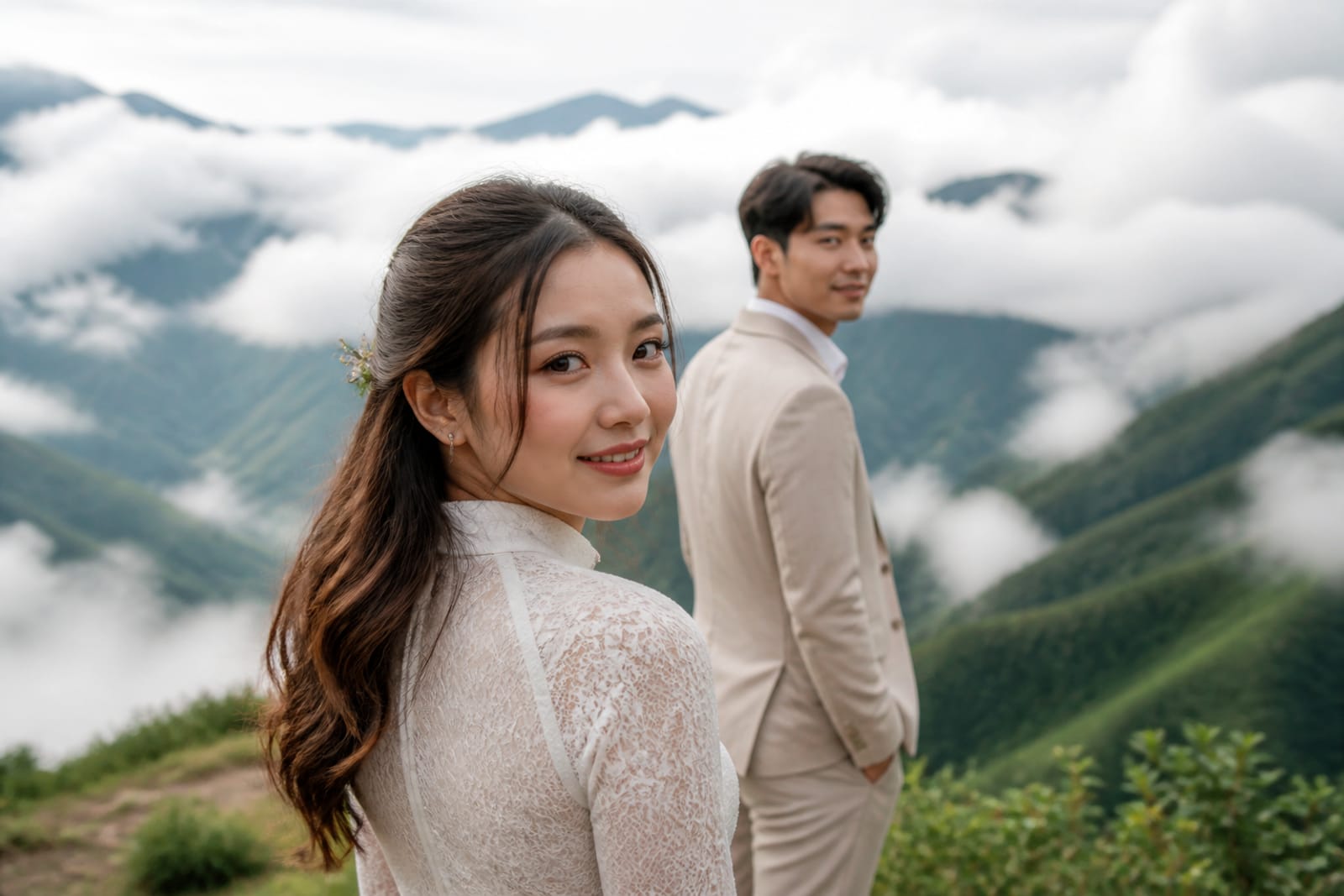
An áo dài—Vietnam's iconic long tunic—signals cultural tradition and elegance in pre-wedding frames. At Cat Cat's altitude and humidity, synthetic áo dài (polyester, silk-like blends) wrinkle and cling to damp skin. Pure silk or silk-cotton blends breathe better but are costly and harder to source on short notice. The tunic's narrow sleeves and tight bodice limit arm mobility on steep, uneven stone paths; climbing or descending in an áo dài slows you down and risks stumbling. If tradition matters more than comfort, rent a looser-fitting silk blend, pair it with fitted dark trousers (not loose pants—they snag on rocks), and plan a 1.5-hour shoot on a single, less-rugged circuit (e.g., the main terraces near the village entrance). Book a photographer who understands that an áo dài shoot in mist demands different framing: wide shots of the tunic against terraces work; close-ups of face/fabric lose detail in low light. Expect longer editing time because the soft light flattens contrast and reveals every wrinkle. A Sapa-based photographer familiar with áo dài in village conditions will know whether to suggest an afternoon session (when light may be warmer, if clouds lift) or embrace the grey morning palette.
Western Dress and Layering: Practical Comfort for Terrain
A simple Western dress—knee to midi length, A-line or wrap cut—suits Cat Cat's terrain and unpredictable light better than an áo dài. Long sleeves or a three-quarter sleeve offer sun protection and work in cool air. Avoid strapless or sleeveless designs; your arms will be cold, and the cut limits layering options. Pair the dress with a lightweight linen or cotton cardigan or a soft fleece jacket (remove for frames where light is best, keep on for walkabouts and transitions). Dark jewel tones, cream, or soft grey read well in mist. Matte fabrics hold detail better than satin or silk in diffused light. Wear sturdy, broken-in walking shoes or ankle boots (not heels—the paths are treacherous) and bring a thin base layer (thermal leggings or a fitted thermal shirt under the dress) to manage temperature swings. This outfit plan lets you move freely, adjust layers without costume changes, and shoot for 2–3 hours across multiple locations. A photographer working in Western dress can frame wider shots (full-body movement on paths) and closer detail shots (face, hands, dress folds) without worrying that fabric wrinkles or clings between takes.
Seasonal Light Patterns and What to Wear When
| Season | Light & Mist | Best Outfit Choice | Why It Works | Fabric & Color Tips |
|---|---|---|---|---|
| Mar–May | Clearer mornings, mist burns off by 10 am; 70–80% chance of sun-friendly light | Western dress + lightweight cardigan | You can shoot in soft light early, then brighter light mid-morning; easier wardrobe transitions | Jewel tones, cream, soft grey; breathable blends |
| Jun–Aug | High humidity, frequent afternoon rain, morning mist rare; heat + moisture | Light Western dress or casual outfit (avoid áo dài) | Mist clears early; you get brighter, more saturated light by 9 am; rain risk means simpler, dry-quick outfits | Breathable cotton, neutrals; avoid heavy fabrics |
| Sep–Nov | Crisp mornings, mist variable, sun angles warm; terraces golden in afternoon light | Áo dài (silk blend) or Western dress + sweater | Crisp air keeps fabric fresh; afternoon light is warm and dramatic; still cool enough for layering | Darker áo dài colors; Western dress in jewel tones or cream |
| Dec–Feb | Cold (5–10°C at dawn), fog common, mist may linger all day; paths damp & slippery | Layered Western dress + fleece; skip áo dài | Cold air is dry, so fabric doesn't cling; fleece keeps you warm; mist mood suits moody, intimate frames | Dark colors (charcoal, burgundy, navy); thermal base layer |
The table shows that Cat Cat's light and comfort depend heavily on season. Mar–May and Sep–Nov offer the best balance of manageable temperature, clearer mornings and richer light. Avoid Jun–Aug if you want crisp color definition; humidity and afternoon rain make those months unpredictable. Dec–Feb suits intimate, moody shoots but demands thermal layering and acceptance of possible all-day mist.
Choosing Between a Rented Ao Dai and Bringing Your Own Dress
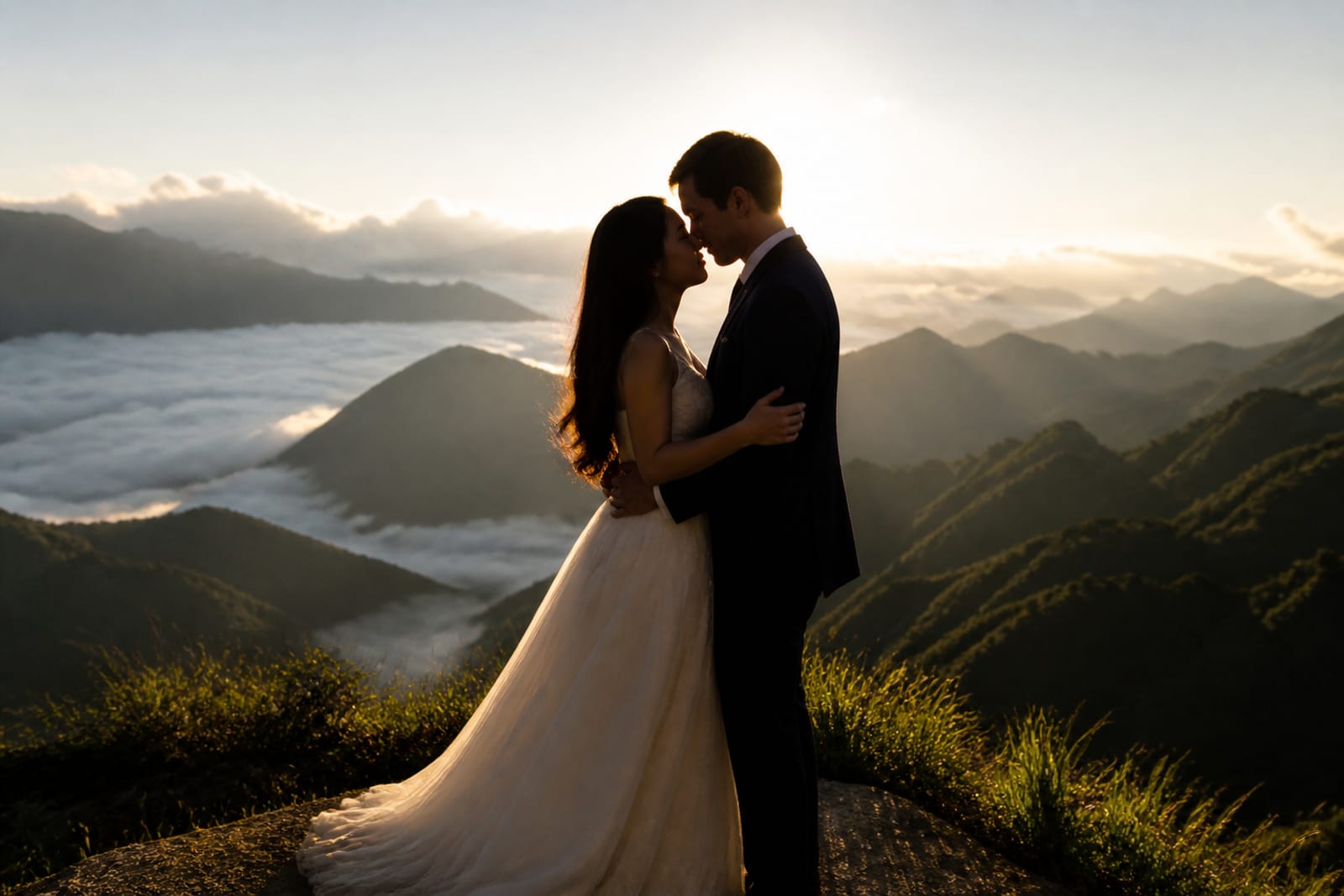
Renting an áo dài in Sapa (through a hotel, tourism office or local seamstress) costs less than transporting a delicate gown across the world, but the fit is rarely custom-tailored. A rented áo dài is often sized generously (to fit many body types) and may feel loose or overly tight in the bodice, limiting your comfort on steep paths. Bringing your own wedding dress or pre-wedding gown gives you control over fit and fabric but risks creasing in luggage, soiling on damp village paths, and difficulty drying in Sapa's cool, humid climate if rain hits. If you bring your own dress, choose a fabric you don't mind getting dusty (a simple linen or cotton blend beats an expensive silk or satin gown), pack garment bags and a portable steamer, and brief your photographer to frame shots that hide ground-level mud or wet spots. A Western dress you already own—simple, well-fitting, and in a travel-friendly fabric—is often the smartest choice: no rental stress, familiar movement, and one less thing to manage in a mountain environment. Discuss outfit options with your photographer at the planning stage so they can advise on which choice suits the season and light you'll encounter.
How to Find and Brief a Local Sapa Photographer
Cáo Studio operates in Hanoi, Ho Chi Minh City and Hoi An only; Sapa requires a local photographer. Search for "Sapa pre-wedding photographer," "Cat Cat village photographer" or "Sapa couple photoshoot" on Instagram or Google Maps and review portfolios for:
- Mist and overcast light work: The photographer's best images should include moody, grey-day shots, not just sunny-day posts. If all their samples are bright and colorful, they may not know how to expose and color-grade in Sapa's typical soft light.
- Terrain experience: Look for full-body movement shots on paths, stairs and terraces—not just posed standing frames. This shows they're comfortable with the landscape.
- Fabric knowledge: Check if they've shot áo dài in mist (does it look fresh or clingy?) and how they frame Western dress movement.
- Responsive communication: Email or message a shortlist with your outfit plan, expected season, and light preferences. A photographer who asks clarifying questions about your vision and terrain comfort is more reliable than one who sends a generic booking form.
At booking, brief your photographer on:
- Your outfit choice and any hesitations (e.g., "I'm wearing an áo dài but worried about wrinkles—should we shoot in the morning or afternoon?").
- Preferred season and light mood (moody/intimate vs. bright/celebratory).
- Fitness level and how many hours you're comfortable walking.
- Whether you want both outfit options shot (áo dài in one location, Western dress in another) or a single outfit for simplicity.
A good Sapa photographer will push back if your plan doesn't fit the season or light, and will propose timing (e.g., "Let's start at 6:30 am when mist is thickest, then move to open terraces by 9 am") that sets you up for strong frames.
What to Check Before You Book
- Photographer's insurance and liability: Village paths are steep and uneven. Confirm your photographer has experience and insurance in case of slips or accidents.
- Outfit rental or tailoring timeline: If renting an áo dài, book 2–3 weeks in advance and allow time for fitting adjustments. Plan to pick it up the day before the shoot.
- Weather backup plan: Ask if the photographer reschedules for free if rain or fog is severe, or if you lose the booking fee. Sapa weather is unpredictable; a clear policy prevents disputes.
- Delivery and editing timeline: Confirm when you'll receive edited images. A 1–2 week turnaround is standard; ask if rush delivery costs extra.
- Walking distance and duration: Discuss how long you'll be on paths. If you're not a confident hiker, say so and plan a shorter, lower-altitude circuit with your photographer.
- Sunrise vs. morning sessions: Sapa sunrises are often fogged in. Ask if a 7–8 am start (after mist may have lifted slightly) is better than a pre-dawn hike for your season.
---
📸 Book on WhatsApp — pre-wedding & elopement
For inspiration and ideas about how pre-wedding sessions work, explore Cáo Studio's lookbook of ao dai photoshoot and couple & family photoshoot frames from Hanoi and Saigon.
---
Mountain Photoshoot Logistics: What Sapa Photographers Know
A Cat Cat shoot requires the photographer to manage altitude (1,600m means less oxygen, faster fatigue), uneven paths, variable light, and tourist crowds (the village is a tourism hub; early morning sessions are quieter). Expect the photographer to arrive 15–30 minutes early to scout light and clear a framing space. On the shoot day, allow 1.5–3 hours depending on outfit changes and how many village locations you visit. The photographer will likely move you quickly between spots (5–10 minute walks) to catch light windows, so wear comfortable shoes and be ready to move. If you hire a guide or porter (useful for carrying extra layers or a changing room bag), brief them not to photobomb—your photographer will appreciate space. Budget for the photographer's transportation and meals if the session is long; a Sapa-based photographer may charge a village trip fee separate from session fees. Clarify all costs in your first message so there are no surprises.
💄 Makeup & hair at your hotel | 🌸 Ideas & lookbook
For international travellers booking a longer Vietnam journey, Cáo Studio shoots in Hanoi, Ho Chi Minh City, and Hoi An. If you're combining Sapa with a pre-wedding session elsewhere in Vietnam, consider booking a couple photoshoot in a lower-altitude location and a simpler Cat Cat village portrait session with a local photographer. This spreads your outfit changes and gives you the best light conditions for both shoots.
---
FAQ
Can I wear a wedding dress (not an áo dài) at Cat Cat village?
Yes. Western wedding dresses work better on steep paths than áo dài. Choose a fabric that doesn't show dirt easily (cotton, linen blends; avoid pure white satin). Bring sturdy shoes, not heels, and accept that ground-level mud or mist may mark the hem. Brief your photographer to frame you from the waist up in those moments.
What's the best time of year to shoot at Cat Cat for outfit and light?
Mar–May and Sep–Nov offer the clearest mornings, warmest light angles, and manageable temperature for layering. Jun–Aug is humid and prone to afternoon rain; Dec–Feb is cold and foggy. Choose based on whether you prefer moody or bright frames.
Should I rent an áo dài in Sapa or bring my own?
Renting saves luggage space and cost but fit is rarely perfect. Bringing your own gives control but risks creasing and soiling. A simple Western dress you own is often the smartest choice—no fit stress, familiar movement, and one less thing to manage.
How do I find a good Cat Cat village photographer?
Search "Sapa pre-wedding photographer" or "Cat Cat village photographer" and review portfolios for overcast-light work, terrain experience, and fabric knowledge. Message a shortlist with your outfit plan and season, and choose one who asks clarifying questions.
What should I wear under an áo dài at altitude?
Wear fitted thermal leggings or a thermal undershirt to stay warm in cool air. Avoid bulky layers—they create lumps under the tunic's tight bodice. Choose black or navy thermal wear so it's invisible if the tunic shifts.
Do I need to book accommodation near Cat Cat for an early morning shoot?
No. Sapa town is 10–15 km away and reachable by car or motorcycle in 20–30 minutes. Book your photographer session and arrange transport the evening before to avoid a pre-dawn scramble.
คำถามที่พบบ่อย
Can I wear a wedding dress (not an áo dài) at Cat Cat village?
Yes. Western wedding dresses work better on steep paths than áo dài. Choose a fabric that doesn't show dirt easily (cotton, linen blends; avoid pure white satin). Bring sturdy shoes, not heels, and accept that ground-level mud or mist may mark the hem. Brief your photographer to frame you from the waist up in those moments.
What's the best time of year to shoot at Cat Cat for outfit and light?
Mar–May and Sep–Nov offer the clearest mornings, warmest light angles, and manageable temperature for layering. Jun–Aug is humid and prone to afternoon rain; Dec–Feb is cold and foggy. Choose based on whether you prefer moody or bright frames.
Should I rent an áo dài in Sapa or bring my own?
Renting saves luggage space and cost but fit is rarely perfect. Bringing your own gives control but risks creasing and soiling. A simple Western dress you own is often the smartest choice—no fit stress, familiar movement, and one less thing to manage.
How do I find a good Cat Cat village photographer?
Search "Sapa pre-wedding photographer" or "Cat Cat village photographer" and review portfolios for overcast-light work, terrain experience, and fabric knowledge. Message a shortlist with your outfit plan and season, and choose one who asks clarifying questions.
What should I wear under an áo dài at altitude?
Wear fitted thermal leggings or a thermal undershirt to stay warm in cool air. Avoid bulky layers—they create lumps under the tunic's tight bodice. Choose black or navy thermal wear so it's invisible if the tunic shifts.
Do I need to book accommodation near Cat Cat for an early morning shoot?
No. Sapa town is 10–15 km away and reachable by car or motorcycle in 20–30 minutes. Book your photographer session and arrange transport the evening before to avoid a pre-dawn scramble.