Cáo Studio · 越南寫真攻略 · 越南婚前寫真:如何選擇及預訂完美方案
Muong Hoa valley rice terraces Sapa wedding photos: planning guide
Cáo Studio 團隊 · 河內 · 2026-10-02
Muong Hoa valley (2 km from Sapa town centre, north Vietnam) is a steep terraced rice landscape best shot May–early October when paddies are water-filled and green; golden harvest light occurs mid-September to early October. Sessions typically run 2–4 hours, starting before dawn (05:30–06:00) to catch soft mist and low-angle sun on the terraces. Expect steep walking (1000+ steps down and up) over muddy paths, especially after rain—wear grip boots and bring a carrier for your ao dai. Since Cáo Studio – Makeup & Photoshoot does not operate in Sapa, you must hire a local Sapa photographer or a Hanoi team willing to travel; confirm their experience with rice terraces, weather contingency, and whether they provide on-site hair and makeup. Book 2–4 weeks ahead during peak season (September–October).
May – Muong Hoa valley rice terraces offer one of northern Vietnam's most dramatic pre-wedding backdrops, yet the location demands careful planning. The valley sits 1000+ metres below Sapa town, accessible only on foot over steep, slippery paths. Water-filled paddies and mist-wrapped mountains create moody, romantic light—but only in specific seasons and at precise times of day. Hiring a photographer who knows this terrain, understands the climate, and can adapt to rapid weather shifts is the difference between a shoot that flows and one that ends in frustration or safety risks.
What months and weather actually work for terrace shots?
Muong Hoa's appeal shifts dramatically by month. May brings full water in the paddies (ideal for reflections) but also afternoon cloudbursts and high humidity; walking is hot, and mist burns off by mid-morning. June–August are the wettest months—terraces stay flooded, but frequent rain, low cloud and slippery mud make shooting difficult and dangerous. September is the sweet spot: paddies are still water-filled early in the month, then transition to golden-green as harvest nears; mist lingers longer, light is soft and flattering. By late September through early October, rice turns gold and amber—stunning for warm-toned shots, though the water drains fast and paths dry (easier walking, sharper light). November onwards, terraces are dry, stubble remains, and the light is harsh and clear; mist rarely forms. December–February brings occasional fog but also cold (near 0°C at dawn) and a barren landscape; not recommended. Based on light quality and terrace appearance, May–early June and mid-September to early October are the only reliable windows.
📸 Book on WhatsApp — pre-wedding photoshoot
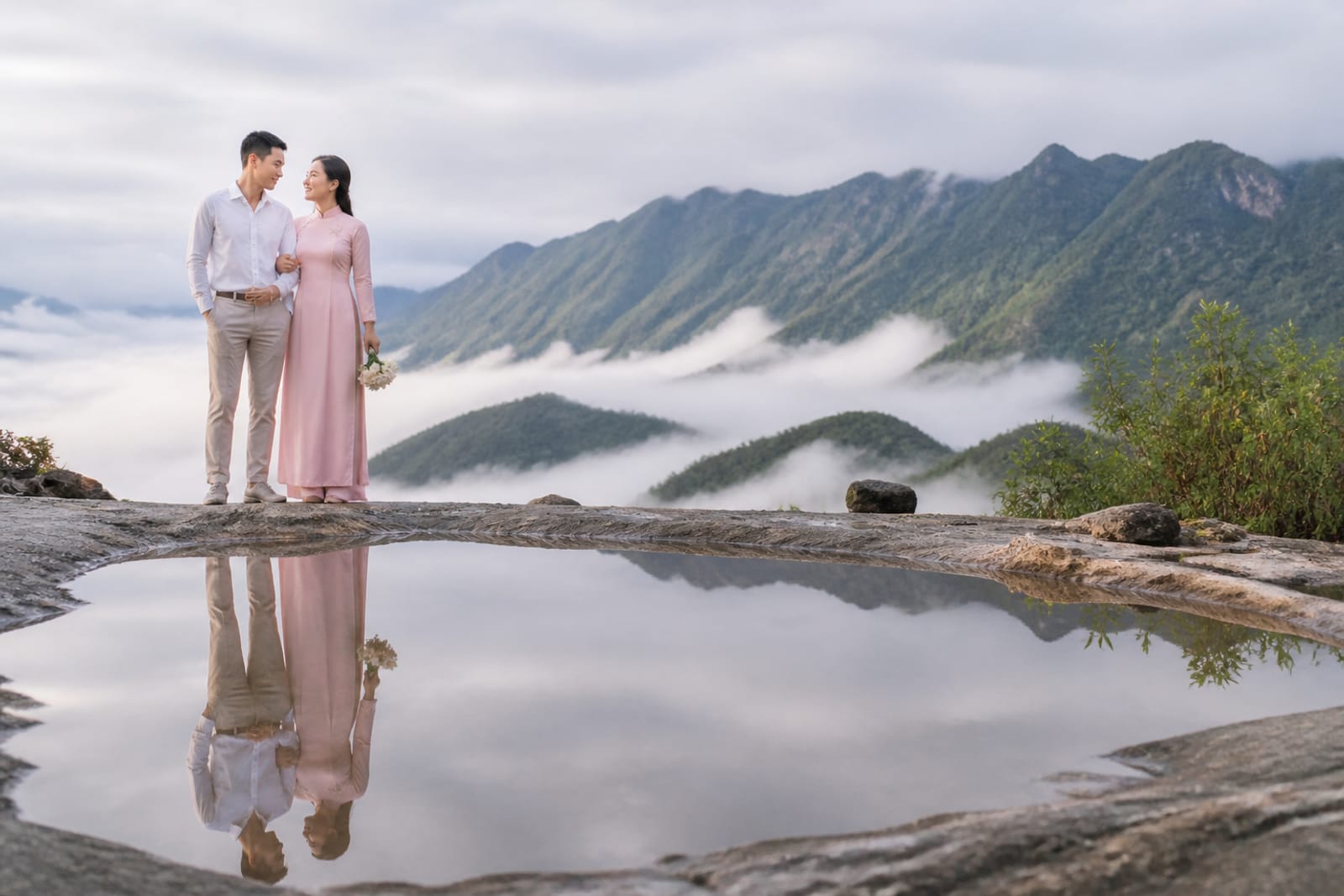
Do you need a Sapa-based photographer or can you hire from Hanoi?
Two options exist: hire a local Sapa photographer who knows every path and the valley's hourly light changes, or book a Hanoi team (including Cáo Studio – Makeup & Photoshoot, which coordinates pre-wedding shoots in Hanoi and will advise on Sapa logistics) who will travel. Local Sapa photographers often quote lower rates because they have no transport costs, but you must vet their portfolio—many lack experience with upmarket bridal aesthetic or make-up touch-ups. Hanoi teams bring consistent styling, professional hair and makeup, and wider creative direction, but charge travel time and accommodation; a 4-hour shoot may require 2 days on-site. A hybrid approach—hire a local shooter for the terrace work and book a Hanoi makeup artist to prep you beforehand in Sapa—is practical if budget allows. Always ask photographers for past Muong Hoa shots; mist, mud and steep angles are not every shooter's strength. Cáo Studio – Makeup & Photoshoot can brief you on Sapa logistics and connect you with vetted local partners; WhatsApp them for details.
What do you actually wear under an ao dai on a muddy mountain?
Wearing a traditional ao dai down a 1000-step muddy path requires strategy. Underneath, wear black leggings or fitted trousers (mud will splash)—not a skirt, which catches dirt and tangles on terrain. The ao dai itself should be a rented piece you don't fear damaging; many Sapa rental shops offer cheaper ao dai specifically for shoots in rough settings. For footwear, wear sturdy, closed hiking boots with grip soles for the walk down and up—then change into delicate sandals or bare feet only for the actual posed shots (do this on a flat, muddy terrace edge, not on a slippery slope). Bring a waterproof bag for valuables and a dry cloth to wipe mud from the ao dai hem between poses. If you're doing an ao dai photoshoot in Sapa, coordinate with your photographer to establish a base camp partway down—a flat terrace where you can change, retouch makeup, and rest without scrambling the full vertical distance repeatedly. Wear moisture-wicking underwear; the walk generates sweat, and wet fabric under the ao dai shows in photos and invites chafing.
| Setup option | Best for | Light & season | Reality check |
|---|---|---|---|
| Pre-dawn mist, full descent | Moody, mist-wrapped silhouettes | May–Sep, 05:30–07:00 | Steep, dark walk down; mud slippery; 2+ hours to frame shots well |
| Mid-morning after mist burn | Clear terrace detail, green paddies | May–Jun, Sep–early Oct, 08:30–10:30 | Light hardens fast; fewer tourists; paths safer; shorter session (1.5–2 hrs) |
| Late afternoon, harvest season | Golden terrace light, amber rice | Late Sep–early Oct, 16:00–18:00 | Long shadows; limited flat shooting spots; race against sunset; muddy paths still treacherous |
| Local photographer, single session | Lower cost, familiar routes | Any month with decent weather | May miss optimal light; no professional makeup; style/editing varies widely |
| Hanoi team + travel time | Consistent bridal look, curated shots, makeup included | Pre-booked season | Higher cost; requires 1–2 travel days; scheduling depends on Hanoi studio availability |
How much time should you actually spend in the valley?
A realistic Muong Hoa shoot takes 3–4 hours on-location, split into descent (30–45 min), setup and first shot series (90 min), repositioning and second location (60 min), and ascent (30–45 min). That assumes you're fit and the paths are dry; add 30% extra time if it has rained recently or if you're unfamiliar with steep terrain. Most photographers aim for 2–3 outfit changes—ae dai, a second ao dai or Western dress, and perhaps casual wear for candid moments—because carrying multiple outfits down and up is punishing. If you're hiring a Hanoi team with a makeup artist, plan a full day: early breakfast at your Sapa hotel, drive to the trailhead (15 min), shoot, return to town by early afternoon, and allow buffer time for weather delays or path closures. Never try to squeeze Muong Hoa into a half-day itinerary or combine it with other Sapa landmarks (Fansipan cable car, Sapa town market) on the same morning; the physical demand and unpredictable weather will stress you. Book a full-day session with a rest day before or after.
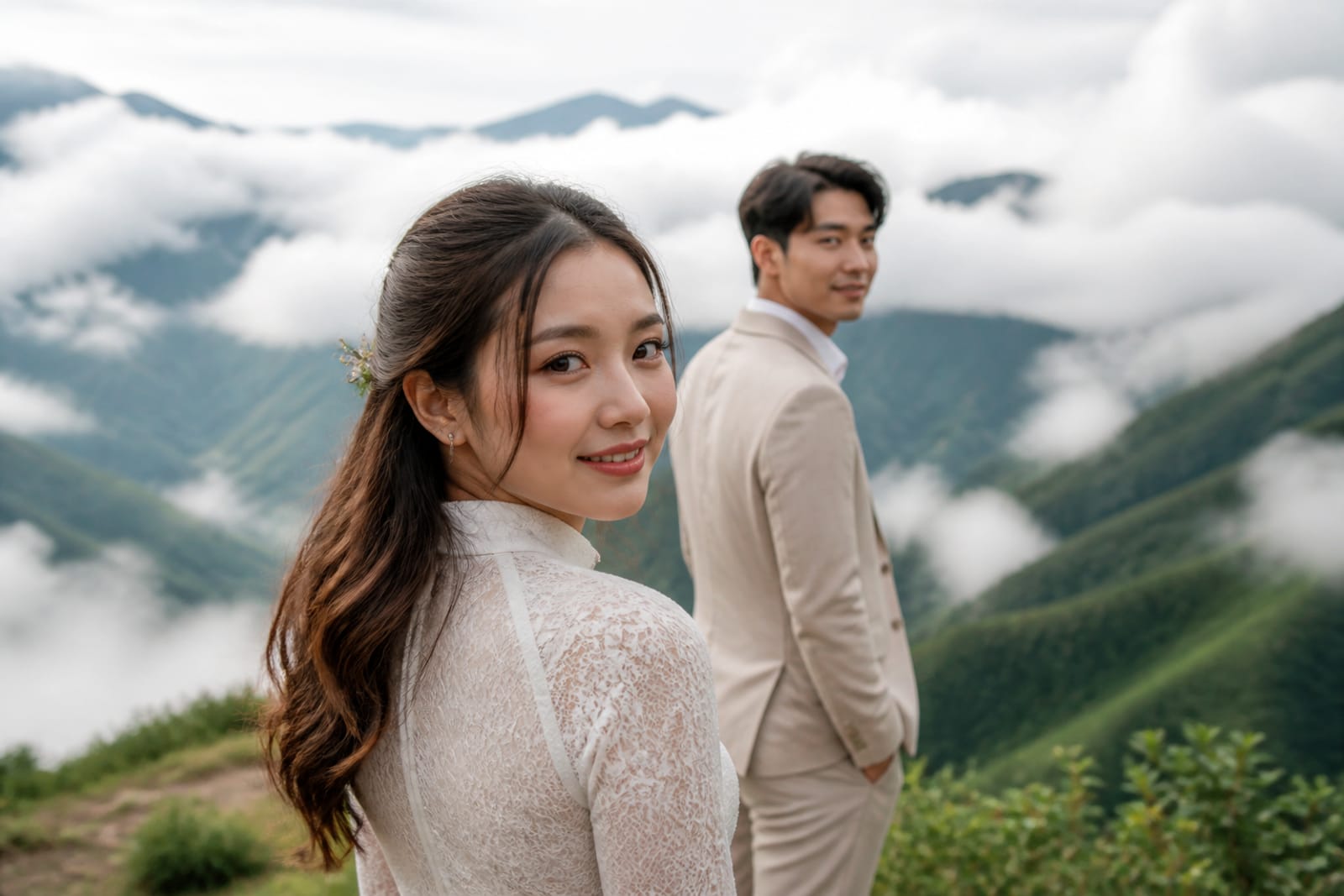
What can go wrong and how do you prevent it?
Weather shifts in 30 minutes—mist clears, rain arrives, or sun hardens light without warning. A photographer without Sapa experience may chase perfect light and ignore your fatigue or a deteriorating path; a good shooter builds buffer time and knows when to pivot to secondary spots. Mud is relentless; the ao dai hem, your boots and even your hair can be caked before you're halfway through. Bring extra cloth, a changing tent or shelter (many local shops rent small pop-ups), and accept that some shots will show muddy details—that's authenticity. Altitude affects stamina; if you're not accustomed to 1000+ metres and steep descents, your knees, ankles and calves will protest by hour two. Walk slowly, take breaks, and wear a supportive brace if you have any joint concerns. Phone signal is patchy; agree on a meeting point and contingency plan in case your photographer or you get separated. Hire a guide if you're unfamiliar with the valley—locals can navigate in fog and know safe vs. unstable terrain. Finally, book your shoot 3–4 weeks ahead and confirm twice: once 10 days before to lock the date, and once 2 days before to check the forecast and plan bailout dates if weather turns severe.
Where to find and vet a local Sapa photographer
Search online for "Sapa photographer", "Muong Hoa valley pre-wedding photos" and review Google Maps reviews and Instagram portfolios carefully. Look for portfolios with multiple Muong Hoa or terrace shots showing different seasons and weather—not just clear-sky shots. Check if they have past couple/bridal work and evidence of retouching and album design. Ask directly: "Have you shot in Muong Hoa during rain or mist? What's your backup plan if weather closes the paths?" and "Do you provide makeup and styling, or should I hire separately?" Request a video call; serious photographers will chat through your vision and warn you honestly about physical demands. Confirm pricing factors—season, number of outfits, travel time, and whether edited files or albums are included—in writing (WhatsApp is acceptable). Finally, ask for references from 1–2 past couples and actually message them. Cáo Studio – Makeup & Photoshoot operates in Hanoi, Ho Chi Minh City and Hoi An, and while the team does not shoot in Sapa, they can advise on logistics and may recommend vetted local partners; reach out on WhatsApp for guidance.
---
What to check before you book
- Photographer's Muong Hoa portfolio: At least 3 past shoots in the valley, in your preferred season.
- Weather contingency: A written plan if rain or fog closes the path (rescheduled date, partial refund, alternative venue).
- Makeup and hair: Confirm whether on-site or pre-booked separately; many local photographers don't include this.
- Outfit logistics: Can they accommodate a second outfit, or is one ao dai enough? Are they experienced helping you change on muddy terrain?
- Walking fitness: Be honest about your stamina; discuss pace and rest stops with your photographer beforehand.
- Path access: Check locally 2 days before—occasional landslips or maintenance can close Muong Hoa temporarily.
- Edit timeline and format: How many photos will you get, and when? Digital files, album, or prints?
- Insurance and liability: Confirm they're insured and you understand the risks of steep terrain.
---
If you're planning a pre-wedding shoot elsewhere in northern Vietnam, Cáo Studio – Makeup & Photoshoot's Hanoi location offers professional bridal sessions, makeup and hair services, and can advise on logistics for regional shoots. For a full pre-wedding photoshoot package in Hanoi, Ho Chi Minh City or Hoi An, the studio coordinates outfits, ao dai rentals, and styling. Muong Hoa demands specialist local knowledge and mountain fitness; book a photographer who has proven experience on those terraces, or partner with a Hanoi team only if they're willing to travel and brief you thoroughly.
FAQ
What is the best month to shoot at Muong Hoa valley?
Mid-September to early October is ideal—paddies are still water-filled or transitioning to golden harvest, mist lingers in early morning, and paths are drying. May–early June works for reflections but brings afternoon rain. Avoid June–August (too wet), November–February (dry, barren, or cold).
Can I wear a regular wedding dress instead of an ao dai in the terraces?
Possible, but impractical. Rice paddies are muddy and steep; a Western dress skirt will snag on vegetation and terraces, and the fabric will drag in mud and water. An ao dai (or ao dai rental) is more mobile and culturally appropriate. Layer with dark leggings and hiking boots for the walk.
Do I need to hire a guide, or just the photographer?
A guide is recommended if you're unfamiliar with the terrain or the photographer is new to Muong Hoa. They know safe paths, navigate mist, and can help manage logistics. Many local photographers work with guides; ask when you book.
How much time should I budget for the shoot?
Allow a full day (6–8 hours total): 30–45 min descent, 90 min shooting, 60 min repositioning and outfit changes, 30–45 min ascent, plus breakfast/rest before and after. Don't cram it into a half-day.
Can Cáo Studio – Makeup & Photoshoot shoot at Muong Hoa?
No—Cáo Studio operates in Hanoi, Ho Chi Minh City and Hoi An. However, the team can advise on Sapa logistics, recommend vetted local photographers, and coordinate your makeup and styling if you pre-book before you travel. Contact them on WhatsApp for guidance.
What footwear should I wear on the terraces?
Wear sturdy hiking boots with grip soles for the walk down and up. Bring sandals or plan to go barefoot only for posed shots, done on a stable, flat terrace. Never pose in heels or delicate shoes on muddy slopes.
Will my phone work in the valley for emergencies?
Signal is patchy. Agree on a meeting point and contingency plan with your photographer before you descend. Carry a power bank and inform someone in town of your location.
常見問題
What is the best month to shoot at Muong Hoa valley?
Mid-September to early October is ideal—paddies are still water-filled or transitioning to golden harvest, mist lingers in early morning, and paths are drying. May–early June works for reflections but brings afternoon rain. Avoid June–August (too wet), November–February (dry, barren, or cold).
Can I wear a regular wedding dress instead of an ao dai in the terraces?
Possible, but impractical. Rice paddies are muddy and steep; a Western dress skirt will snag on vegetation and terraces, and the fabric will drag in mud and water. An ao dai (or ao dai rental) is more mobile and culturally appropriate. Layer with dark leggings and hiking boots for the walk.
Do I need to hire a guide, or just the photographer?
A guide is recommended if you're unfamiliar with the terrain or the photographer is new to Muong Hoa. They know safe paths, navigate mist, and can help manage logistics. Many local photographers work with guides; ask when you book.
How much time should I budget for the shoot?
Allow a full day (6–8 hours total): 30–45 min descent, 90 min shooting, 60 min repositioning and outfit changes, 30–45 min ascent, plus breakfast/rest before and after. Don't cram it into a half-day.
Can Cáo Studio – Makeup & Photoshoot shoot at Muong Hoa?
No—Cáo Studio operates in Hanoi, Ho Chi Minh City and Hoi An. However, the team can advise on Sapa logistics, recommend vetted local photographers, and coordinate your makeup and styling if you pre-book before you travel. Contact them on WhatsApp for guidance.
What footwear should I wear on the terraces?
Wear sturdy hiking boots with grip soles for the walk down and up. Bring sandals or plan to go barefoot only for posed shots, done on a stable, flat terrace. Never pose in heels or delicate shoes on muddy slopes.
Will my phone work in the valley for emergencies?
Signal is patchy. Agree on a meeting point and contingency plan with your photographer before you descend. Carry a power bank and inform someone in town of your location.