/pre-wedding-photoshoot
Elopement in Vietnam: A Planning Guide for Foreign Couples
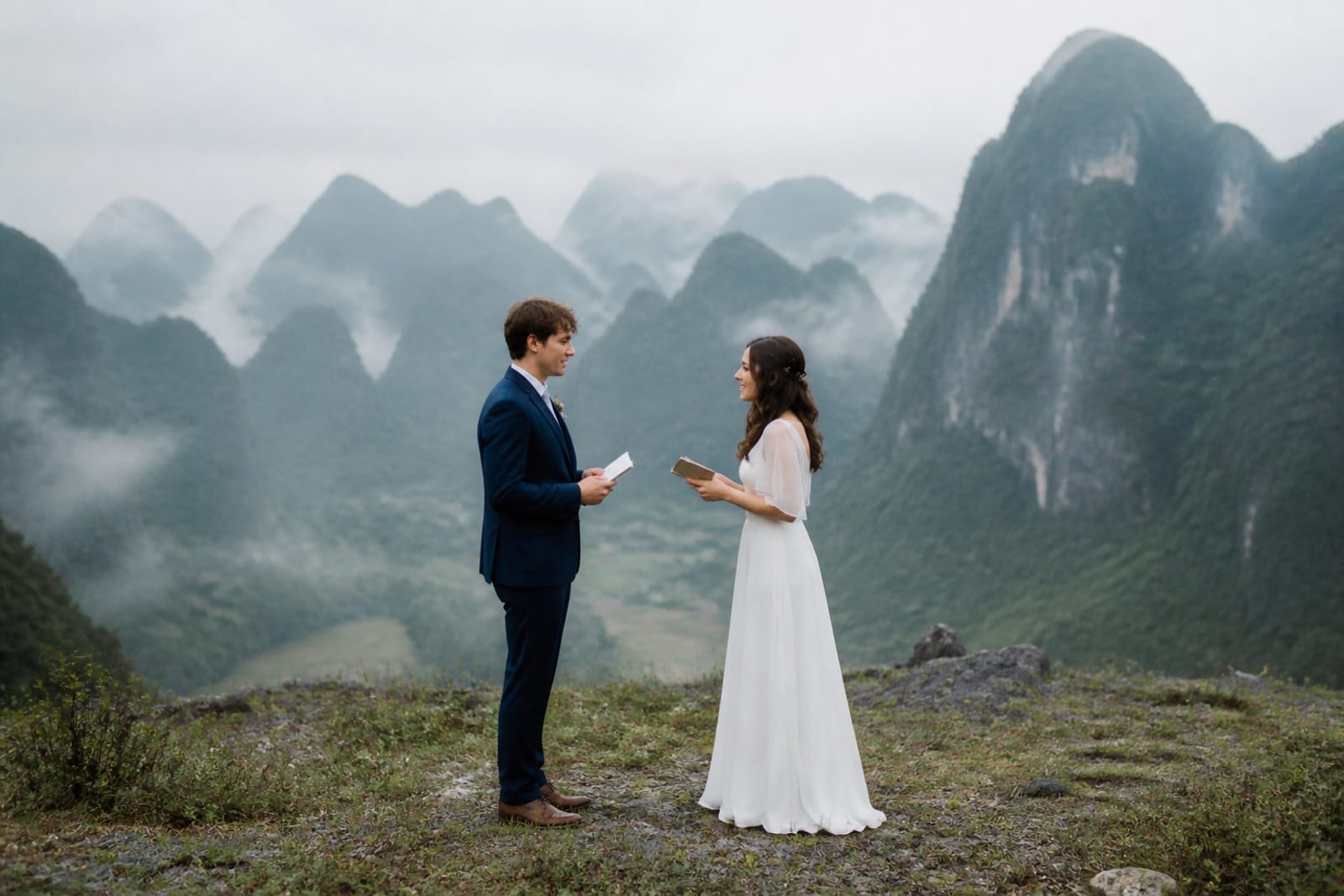
An elopement in Vietnam is a two-person or small-group wedding held outside your home country, typically without formal ceremonies—just vows, a photographer, and a location that matters to you both. Vietnam suits elopements because visas are simple (E-visa or on-arrival for most nationalities), costs are lower than Western venues, and locations span dramatic limestone karsts (Ha Long Bay), colonial towns (Hoi An, Da Nang), and urban backdrops (Hanoi's French Quarter). Most elopements run one to three days: a location shoot, optional ao dai rental, and a meal with close family or friends. You'll need no marriage license from Vietnam itself—your home country recognizes the vows—but check your embassy's marriage registration rules beforehand. Cáo Studio – Makeup & Photoshoot handles Hanoi and Ho Chi Minh City elopement shoots directly; for Hoi An, the team travels by appointment. Avoid the Tet holiday (late January–mid February), when services close for days and iconic sites crowd. Plan three to four months ahead to coordinate flights, visas, outfits, and a photographer who understands your vision. ---
Where should we elope: a location decision framework?
Vietnam's geography splits into three distinct zones. Northern Hanoi and Ha Long Bay deliver cool, soft light in winter (December–February) and moody grey skies ideal for intimate portraits; summer is hot, humid, and rainy. The central coast—Hoi An, Da Nang, Quy Nhon—stays dry February through August, with typhoons and flooding September to December. The south—Ho Chi Minh City, Mui Ne, Phu Quoc—has dry season December through April and afternoon showers May through November.
Each location serves different elopement styles:
| Location | Best for | Ideal months | Why it works |
|---|---|---|---|
| Hanoi Old Quarter | Urban intimacy, narrow lanes | Dec–Feb | Soft winter light, fewer tourists early morning |
| Ha Long Bay | Epic limestone backdrop | Dec–Feb, Sep | Clear views, fewer boats mid-week, golden hour drama |
| Hoi An Ancient Town | Lantern-lit romance, colonial charm | Feb–Aug | Dry weather, lanterns glow at dusk, river light |
| Da Nang beaches | Coastal vows, sunrise | Feb–Aug | Clear horizon, low crowds before 7 a.m. |
| Ninh Binh | Karst valleys, countryside quiet | Dec–Feb, Sep | Mist lifts by 8 a.m., soft green light |
The choice hinges on three factors: light quality (winter grey vs. summer gold), season (dry vs. rainy), and crowd tolerance (Hoi An lantern festival draws crowds; weekday village shoots stay quiet). Discuss your vision with Cáo Studio on WhatsApp—the team knows micro-timing and backup plans for each zone.
📸 Book on WhatsApp — pre-wedding photoshoot
What legal steps must we complete before eloping in Vietnam?
Vietnam does not require foreign couples to register marriages locally—your home country recognizes your vows. However, three practical steps prevent later headaches. First, check your home country's marriage registration rules: some require a certified witness, a document from the Vietnamese embassy (affidavit of marital status), or notarization within 60 days of the wedding. Contact your embassy in Hanoi or Ho Chi Minh City before you travel to confirm timelines.
Second, verify visa status: most Western nationalities receive a 90-day E-visa or on-arrival stamp. An elopement typically takes three to ten days; ensure your visa covers your departure date. Third, arrange witnesses: Vietnam recognizes informal witnesses (friends, family, your photographer), but your home country may not. Bring a trusted friend or hire a legal witness—ask your embassy for a list of English-speaking notaries.
No marriage license, no registration fee, no bureaucratic wait. The paperwork happens at home, not in Vietnam.
How do we choose an ao dai, suits, and keepsakes for an elopement?
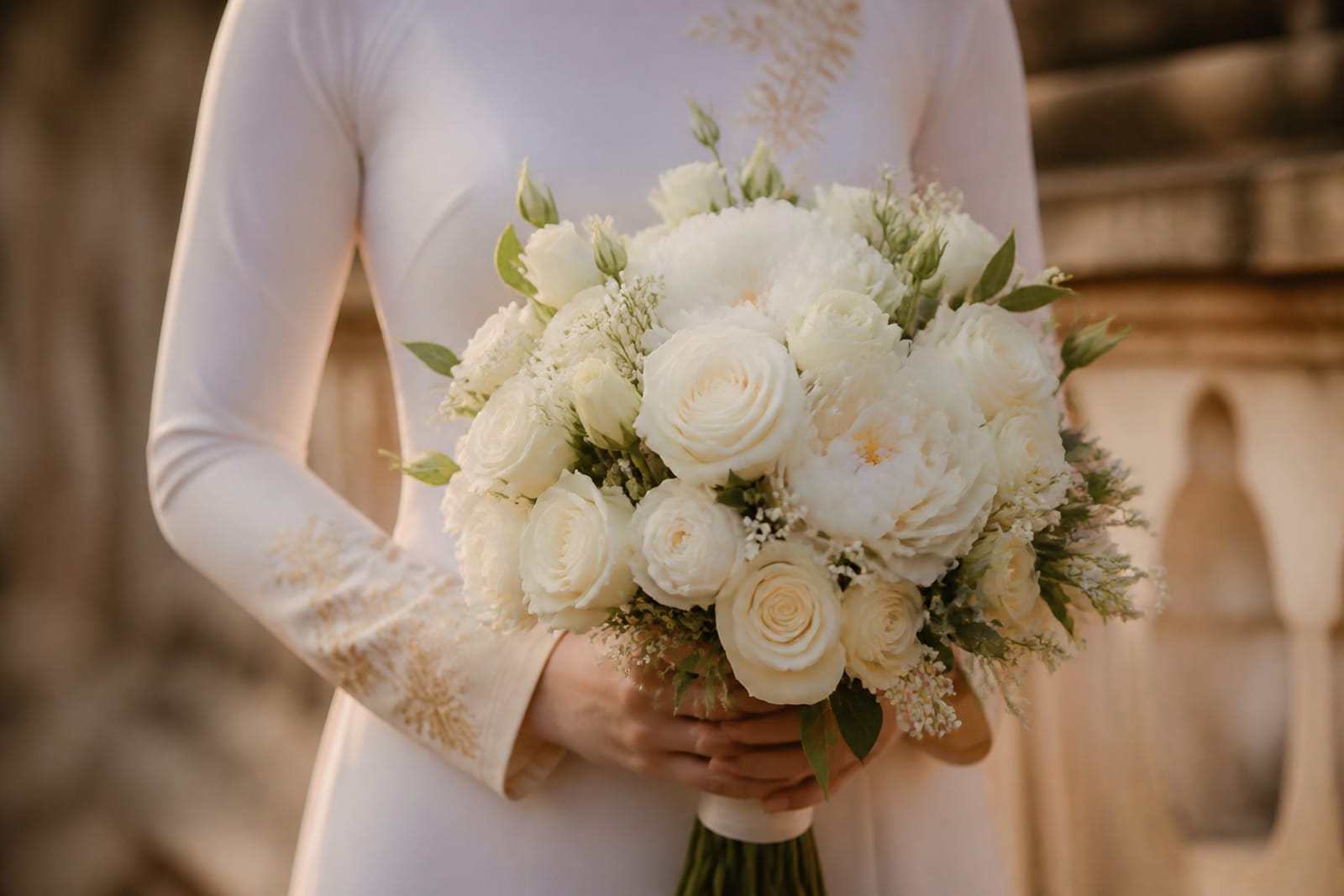
Ao dai—Vietnam's traditional long tunic—is the iconic elopement outfit. Rental is faster and cheaper than buying; Cáo Studio's ao dai rental includes tailoring to your body. Most couples choose a single neutral tone (white, cream, blush, navy) for timeless photos; embroidery and silk quality lift the look without distraction. A groom wears a matching ao dai or tailored suit; suit rental ensures fit on the day. Budget fitting time two to three days before your shoot.
For keepsakes, printed albums and framed star-map prints (showing the night sky on your elopement date) are personal without being fragile. Photo prints and frames archive your best shots; a wedding photo album becomes a heirloom. Skip guest books (you have no guests); instead, ask your photographer for a photo diary—location, time, light notes—that tells your story.
Avoid ordering outfits online from abroad without trying them on first; Vietnam tailors turn around alterations in 48 hours if you spot issues in time.
What time of day shoots best for elopement photos, and how do seasons affect light?
Golden hour—the 90 minutes after sunrise or before sunset—suits romantic two-person shoots because side light sculpts faces and landscapes glow warm. In winter (December–February), sunrise is around 6:45 a.m. and sunset 5:15 p.m.—tight but doable. Summer dawn arrives earlier but heat and haze degrade light; clouds help by diffusing harsh noon sun, so overcast winter days are prized for even skin tones.
Northern zone (Hanoi, Ha Long, Ninh Binh): Winter delivers soft, cool light and clear views; grey skies work beautifully for moody portraits. Avoid June–September (40°C heat, rain, poor air).
Central coast (Hoi An, Da Nang): February–August stays dry with blue skies; morning shoots by the river catch glassy water reflections. September–November brings typhoons; recce the location the day before.
Southern zone (Ho Chi Minh City, Mui Ne): December–April is clear and bright; shoot early (6–8 a.m.) to dodge heat. Afternoon storms May–November last 30 minutes—plan indoor backup shots at cafés or markets.
Arrive at your location 30 minutes before your target time to scout, adjust poses, and let your body settle into the space. Most couples shoot two sessions—dawn and dusk—on their elopement day or split across two days if travel time is long.
How do we coordinate a photographer, travel, and stay on budget without chaos?
Book your photographer three to four months ahead so they hold the date and you lock in outfit fittings and travel plans. Cáo Studio – Makeup & Photoshoot handles shoots in Hanoi and Ho Chi Minh City directly; for Hoi An, the team travels by appointment—confirm dates and logistics over WhatsApp early.
A realistic timeline: Month 4 before: book flights, visa, photographer. Month 3: confirm your location, reserve ao dai/suit rental, arrange hotel and transportation. Month 2: schedule makeup trial and outfit fittings; check weather forecasts and plan a weather backup location. Month 1: finalize shot lists, music (if video), and any ceremony readings; arrange witnesses or civil registrar if your country requires it. Week of elopement: reconfirm transport, arrive two days early to adjust to time zones and scout sunrise light.
Transportation logistics matter: Hanoi to Ha Long is three hours by car; Da Nang to Hoi An is one hour; coastal elopements need an early start to catch dawn. Book a driver (ask your hotel) rather than renting; they know roads and timing, freeing you to rest.
Avoid last-minute changes to dates or locations—photographer availability and outfit tailoring depend on lead time. Communicate via WhatsApp with your studio; delays in replies (especially during Tet or weekends) are normal in Vietnam.
---
What to check before you commit to an elopement date and location
- Visa type and duration: confirm it covers your full stay and doesn't expire mid-trip.
- Photographer availability: three months ahead is ideal; ask about weather contingencies and rescheduling.
- Outfit rental timeline: ao dai and suits need fitting 48–72 hours before the shoot; tailors close on Sundays and Tet.
- Weather and season: check average rainfall and typhoon dates for your chosen month; plan a backup location.
- Transport and time: calculate drive time from your hotel to the shoot location; avoid Tet (late January–mid February) when services close.
- Embassy paperwork: verify whether your home country requires witness signatures or notarized documents before you travel—some need affidavits within 60 days of the ceremony.
- Makeup and hair trial: schedule this at least one week before to adjust color, style, or product sensitivities.
---
Elopement in Vietnam: further reading
- Explore ao dai photoshoots for traditional-dress inspiration.
- See couple and family photoshoots for group elopement styles.
- Read our pre-wedding photoshoot pillar for all elopement and pre-wedding shoot formats.
- Check makeup and hair at your hotel for glam timing on elopement day.
- Browse the lookbook for real elopement and couple shoots.
- Review FAQ for common questions about sessions and logistics.
---
FAQ
Do we need a Vietnamese marriage license to elope legally?
No. Vietnam does not require foreign couples to register marriages locally. Your home country recognizes vows exchanged abroad. Check your embassy's rules on witness requirements or post-ceremony registration—some countries want notarized documents within 60 days.
What is the best month to elope in Vietnam?
December–February offers cool, soft light in the north; February–August is dry and clear on the central coast; December–April is hot and dry in the south. Avoid Tet (late January–mid February, when services close) and September–November (typhoon season on the coast).
Can Cáo Studio photograph our elopement outside Hanoi and Ho Chi Minh City?
Yes. Cáo Studio shoots in Hanoi and Ho Chi Minh City directly; for Hoi An elopements, the team travels by appointment. Confirm Hoi An dates and logistics over WhatsApp +84 338 762 340. For other destinations (Ninh Binh, Ha Long, Da Nang, Mui Ne), contact the studio to discuss feasibility or request a local photographer recommendation.
How much time should we allow for an elopement shoot?
Most couples plan a full day: arrival, outfit change, makeup touch-up, two sessions (dawn and dusk), and a celebratory meal. Sessions spanning two days (one location per day) suit couples who travel far. Exact inclusions and timing are confirmed on WhatsApp when you book.
What do we wear under an ao dai for comfort and photos?
Ao dai sits over loose pants or an inner slip. Wear a flesh-tone slip or leggings to prevent the tunic from clinging; go without a bra (the tunic has no support) or wear a strapless option under the inner layer. Avoid bright colors that show through white ao dai. Ask your rental studio for fitting advice during your appointment.
Should we hire a videographer for our elopement?
Video captures emotion and movement in ways still photos cannot—ceremony vows, golden-hour walks, quiet moments. Wedding and pre-wedding video is optional but popular for elopement memories. Ask Cáo Studio about package options combining stills and motion on WhatsApp.
FAQ
Do we need a Vietnamese marriage license to elope legally?
No. Vietnam does not require foreign couples to register marriages locally. Your home country recognizes vows exchanged abroad. Check your embassy's rules on witness requirements or post-ceremony registration—some countries want notarized documents within 60 days.
What is the best month to elope in Vietnam?
December–February offers cool, soft light in the north; February–August is dry and clear on the central coast; December–April is hot and dry in the south. Avoid Tet (late January–mid February, when services close) and September–November (typhoon season on the coast).
Can Cáo Studio photograph our elopement outside Hanoi and Ho Chi Minh City?
Yes. Cáo Studio shoots in Hanoi and Ho Chi Minh City directly; for Hoi An elopements, the team travels by appointment. Confirm Hoi An dates and logistics over WhatsApp +84 338 762 340. For other destinations (Ninh Binh, Ha Long, Da Nang, Mui Ne), contact the studio to discuss feasibility or request a local photographer recommendation.
How much time should we allow for an elopement shoot?
Most couples plan a full day: arrival, outfit change, makeup touch-up, two sessions (dawn and dusk), and a celebratory meal. Sessions spanning two days (one location per day) suit couples who travel far. Exact inclusions and timing are confirmed on WhatsApp when you book.
What do we wear under an ao dai for comfort and photos?
Ao dai sits over loose pants or an inner slip. Wear a flesh-tone slip or leggings to prevent the tunic from clinging; go without a bra (the tunic has no support) or wear a strapless option under the inner layer. Avoid bright colors that show through white ao dai. Ask your rental studio for fitting advice during your appointment.
Should we hire a videographer for our elopement?
Video captures emotion and movement in ways still photos cannot—ceremony vows, golden-hour walks, quiet moments. [Wedding and pre-wedding video](/wedding-video) is optional but popular for elopement memories. Ask Cáo Studio about package options combining stills and motion on WhatsApp.
Ao dai, makeup, hair and a local photographer in Hanoi or Saigon — one WhatsApp message.