/wedding-photographer
Getting Married in Vietnam as a Foreigner: What to Know Before the Pho
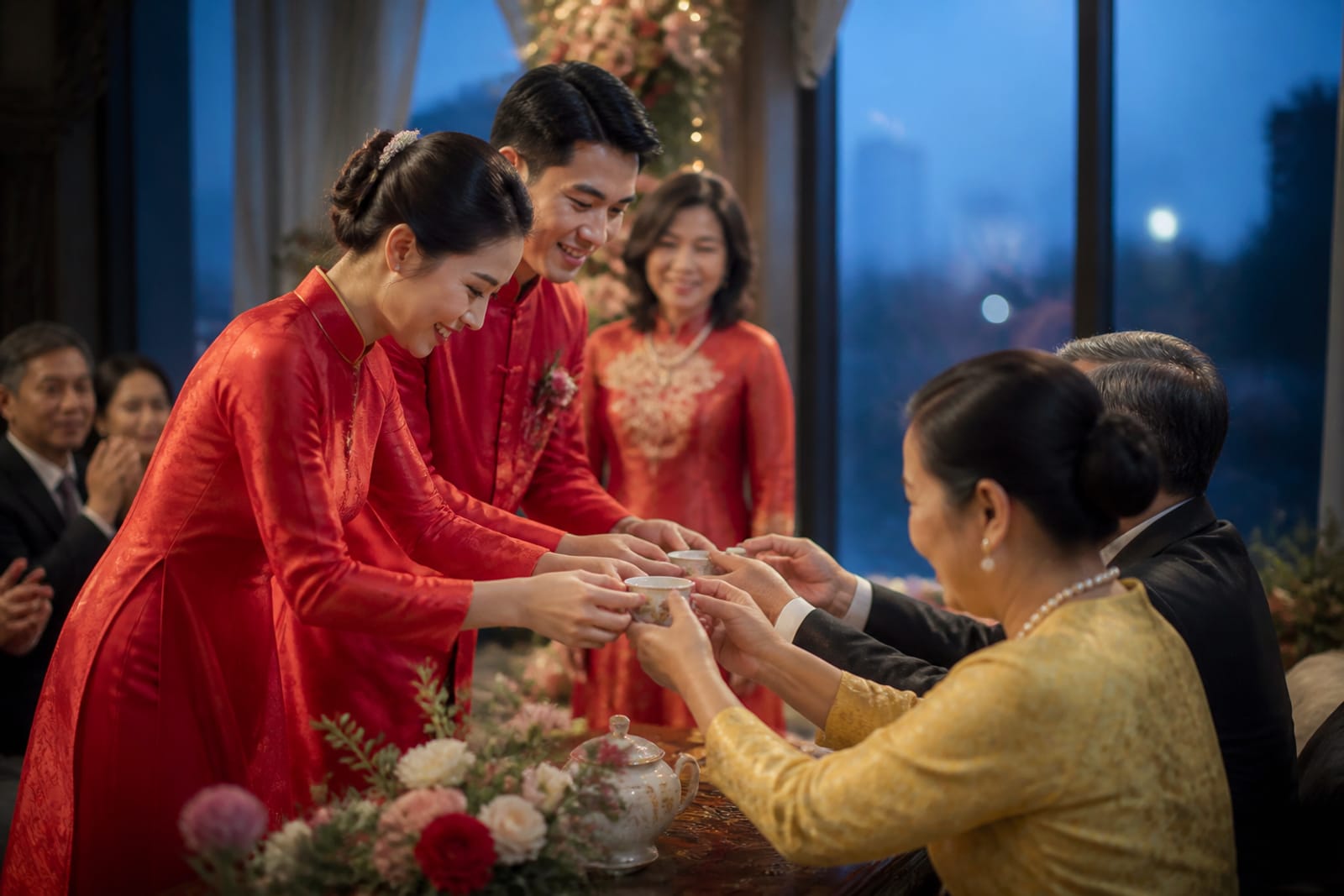
Most foreign couples marrying in Vietnam choose a pre-wedding or elopement photoshoot rather than a full wedding-day shoot, since legal marriage happens at a consulate or civil registry, not in a ceremony. You'll decide between an ao dai shoot (traditional Vietnamese gown), a Western dress session, or both. Hanoi and Ho Chi Minh City are the primary hubs; Hoi An works by appointment if the team travels to your dates. Timing matters: the northern winter (Dec–Feb) is cool and clear but grey; summer (May–Sep) is hot and humid with afternoon thunderstorms; the central coast dries out Feb–Aug. Most couples book 2–6 weeks ahead and spend 2–4 hours on location with styling and makeup included. Cáo Studio – Makeup & Photoshoot handles hair, makeup and outfit logistics; the session pace depends on your comfort, location light and outfit changes. First-time questions almost always center on ao dai fit, season choice, legal status, and what happens on the day. ---
Does Vietnam legally recognize my marriage as a foreigner?
No two countries agree on paperwork. If you marry at a Vietnamese civil registry or before a notary, your home country may or may not recognize it without re-registration at your own consulate. Most foreign couples in Vietnam skip the local ceremony and do a commitment or renewal photoshoot instead, which sidesteps visa and legal complexity entirely. Ask your consulate before you plan; a pre-wedding shoot carries no legal weight but captures the commitment symbolically. Many choose to marry at home and honeymoon-shoot in Vietnam for the ao dai and temples without legal friction.
📸 Book on WhatsApp — ao dai photoshoot
What season should we choose for light, crowds and weather?
| Season | Region | Light Quality | Crowds | Weather Reality | Outfit Fit | Logistics |
|---|---|---|---|---|---|---|
| Dec–Feb | Hanoi area | Grey, soft, diffuse | Fewer tourists; Tet (late Jan–mid Feb) closes services | Cool, dry, overcast | Ao dai drapes well; layers under Western dress | Easy: steady light, cool outdoors |
| Feb–Aug | Central coast (Hoi An, Da Nang) | Bright, sharp, long golden hours | Feb–Mar fewer; Apr–Aug busier | Dry, hot, clear | Ao dai breathable; Western dress shows sweat | Best for hard shadows, sunset color; afternoon heat intense |
| May–Sep | Hanoi area | Humid haze, unpredictable afternoon storms | Lower crowds | Hot, wet, afternoon downpours | Ao dai humid but covers); Western dress clings | Plan indoor/covered backups; light flat after rain |
| Sep–Dec | Central coast | Shifting light, typhoon risk | Crowded Sep–Nov (peak wet season); floods Oct–Nov | Rainy, wind, landslide risk; worst Oct–Nov | Fabric heavy with moisture; ao dai harder to move in | Avoid Oct–Nov; Sep and Dec risky—check forecast daily |
The northern winter suits couples who prefer soft, even light and cooler outdoor time; the central coast in dry season (Feb–Aug) offers sharp color and long evening light but heat and crowds. Avoid Oct–Nov (typhoon and floods). Your ao dai fit and comfort matter more than "perfect" light—choose when you feel good.
What is an ao dai and how do I know if it'll fit my body type?
An ao dai is a long, fitted silk tunic worn over loose pants. The tunic splits from the hip, flowing to your ankles; the fit is snug through the bust and waist, then drapes. It flatters most body types because the high-waisted cut sits below the ribs and the side panels hide the waist and hips. Foreign brides often worry the neckline is too high or the fit too tight; custom tailoring fixes both in 1–2 weeks. Rentals usually come in a range of measurements; you'll be measured on arrival or by video call. The ao dai moves beautifully in water, wind and temple steps—it photographs better than many Western dresses because the fabric catches light.
Where should we shoot in Hanoi, Ho Chi Minh City or Hoi An?
| Location | Best For | Backdrops | Walking & Terrain | Ao Dai Feel |
|---|---|---|---|---|
| Hanoi | Traditional temples, lake serenity, French architecture | Hoan Kiem Lake, Ho Tay, Old Quarter (narrow lanes), Tran Quoc Pagoda, red bridge at sunset | Moderate; temples involve stairs; Old Quarter crowded | Iconic; locals familiar; spiritual energy |
| Ho Chi Minh City | Modern contrast, pagodas, botanical gardens, river light | Ben Thanh Market, Saigon River, Saigon Skytecture, Jade Emperor Pagoda, local gardens | Flat; urban but congested; Saigon River parks walkable | Contemporary backdrop; fewer "ao dai" crowds; freshness |
| Hoi An (by appointment) | Ancient town, lanterns, riverside, UNESCO heritage | Ancient Town lantern streets, Japanese Bridge, water reflections, rice paddies nearby | Flat; UNESCO zone pedestrianized; paved; river crossings | Peak authenticity; timeless; crowded 9am–4pm; best at dawn or dusk |
Hanoi suits tradition-focused couples; Ho Chi Minh City offers modern aesthetic with fewer ao dai stereotypes; Hoi An is the heritage choice but requires early-morning shoots to avoid crowds. Cáo Studio covers Hanoi and Ho Chi Minh City with permanent teams; Hoi An shoots happen by appointment when the team travels—ask on WhatsApp for available dates.
How much time should we book and what happens during the session?
A pre-wedding or couple photoshoot typically runs 2–4 hours depending on outfit changes, locations and your comfort level. The session flow is: arrival at the studio or hotel for hair and makeup (30–60 min), travel to the first location, shooting at 2–3 spots, outfit change or touch-up, a second location, and travel back. Most couples do one outfit per hour plus transition time. Weather delays, heavy crowds at temples or slow traffic can add 30 minutes; plan buffer time if you have a hard deadline. Makeup and hair are refreshed between changes. You direct the mood (playful, romantic, candid); the photographer adjusts framing, light and pacing to your rhythm. Rainy season shoots may move indoors or shift location same-day; the team knows backup spots in Hanoi and Ho Chi Minh City.
What etiquette and outfit rules apply at temples and public spaces?
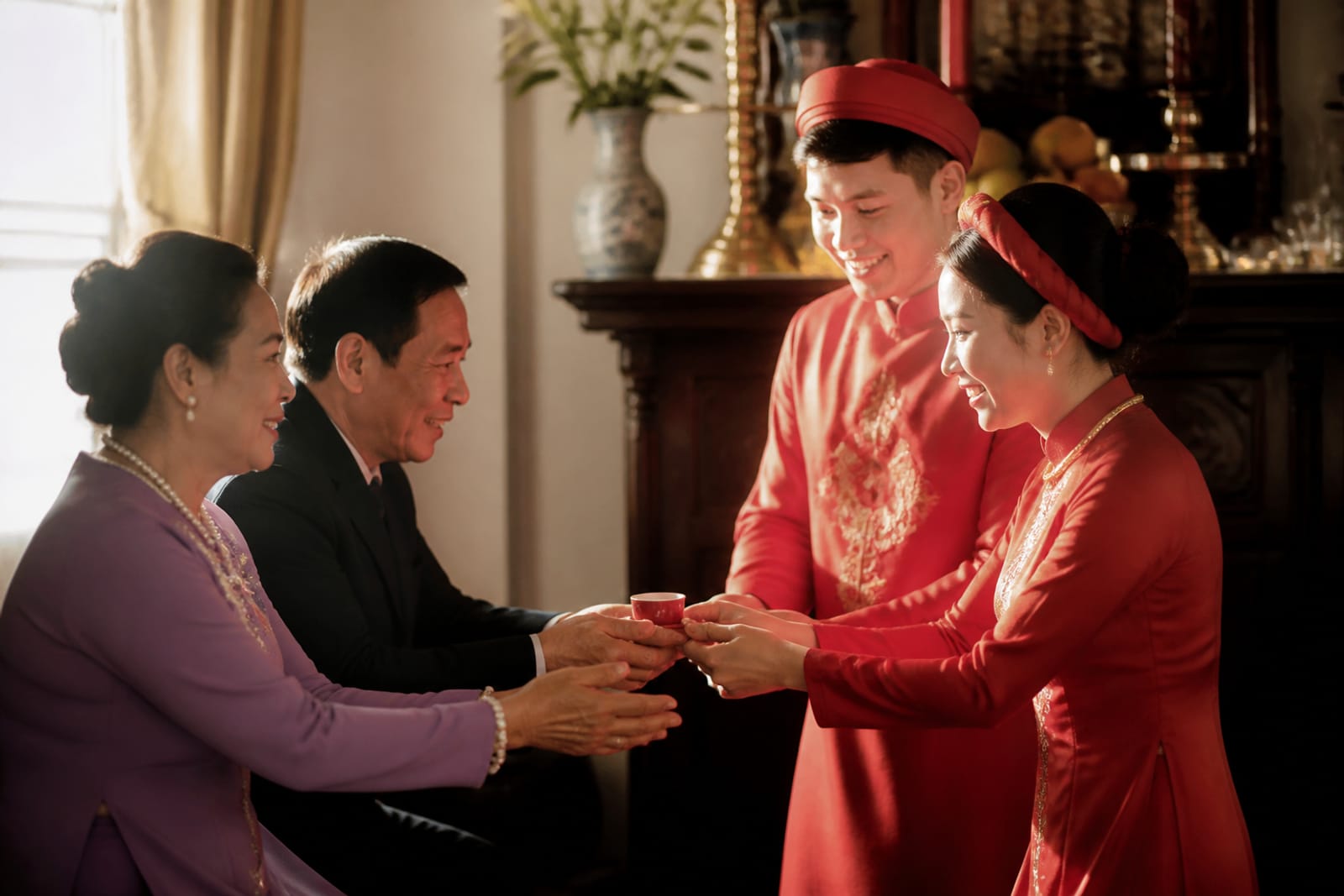
Dress codes at Vietnamese temples are modest: shoulders, knees and midriff covered. The ao dai meets this completely. If you wear a Western dress, bring a shawl or long-sleeved layer for temple entry. Remove shoes before stepping on the main altar; do not pose on altars or sacred thresholds. Photography is usually allowed in courtyards but sometimes banned in inner sanctums—ask staff on arrival. Public spaces (parks, markets, streets) have no formal rule, but couples stand out; keep wardrobe dignified if you're sensitive to attention. Hoi An's Ancient Town has no dress code inside shops and homes, but respect roped-off areas and do not block vendor stalls for long shoots. Temples close by late afternoon (roughly 5pm in winter, 6pm in summer); morning light is softer and crowds lighter, so early shoots suit both etiquette and photography.
---
Checklist: What to confirm before booking your couple photoshoot
- [ ] Location & season: Decided between Hanoi, Ho Chi Minh City or Hoi An? Confirmed your travel dates align with dry or cool season?
- [ ] Outfit plan: Ao dai rental, Western dress, or both? Measured yourself or noted size for rental?
- [ ] Legal status: Clarified whether you're pre-wedding, eloping or renewing commitment? Checked your home country's recognition of a Vietnam marriage, if relevant?
- [ ] Time & energy: Booked 2–4 hours? Identified 2–3 locations you love? Arranged transport or asked if the team can advise?
- [ ] Weather backup: Confirmed the session reschedules if heavy rain or typhoon warning? Know the team's alternate indoor or sheltered spots?
- [ ] Hair, makeup, styling: Discussed your vision with the team? Shared photos of makeup style and hair you like?
- [ ] Timeline: Booked at least 2–6 weeks ahead? Allowed 1–2 weeks if custom ao dai tailoring is needed?
- [ ] Delivery & format: Asked on WhatsApp what files, prints or albums you receive, and how long delivery takes?
---
What to check before you book
Contact Cáo Studio – Makeup & Photoshoot on WhatsApp +84 338 762 340 to confirm:
- Exact location options (Hanoi branches, Ho Chi Mihn City, or Hoi An availability for your dates)
- Session inclusions: hair, makeup, outfit changes, number of locations, editing scope, and file delivery timing
- Ao dai rental or your own: fit, tailoring timeline, care instructions
- Weather contingency: backup locations and reschedule policy
- Any language or cultural needs: the team speaks English and can guide you through temple etiquette and timing
Do not assume package details are standard—WhatsApp is the only reliable channel.
---
Want to plan your Vietnam wedding shoot?
The ao dai photoshoot pairs tradition with contemporary photography. Many couples also book a couple photoshoot in Western dress or mix both. If you're bringing your dress or need makeup at your hotel, makeup and hair services are available on-location. For a commitment or renewal of vows, see the proposal and anniversary package or pre-wedding and elopement options.
Start with your dates and location: is Hanoi, Ho Chi Minh City or Hoi An the right fit for your vision? Once you've decided, WhatsApp +84 338 762 340 with your dates, outfit ideas and any questions about season, timing or ao dai fit. The team will send a quote and booking details.
See the lookbook for examples of ao dai and couple shoots in Hanoi, Ho Chi Mihn City and Hoi An. Check the FAQ for quick answers on timing, weather and preparations. And review our full wedding photographer services to explore elopement, pre-wedding video, and other options.
---
FAQ
Do I need a legal marriage certificate to book a pre-wedding photoshoot in Vietnam?
No. Pre-wedding and couple shoots are commitment sessions, not legal ceremonies. You can shoot before, after or instead of legal marriage. If you marry at a Vietnamese civil registry, the photoshoot is separate and unconstrained by legal status.
Can we shoot at a temple if we are not married yet?
Yes. Temples welcome couples at any commitment stage. Etiquette applies to everyone: dress modestly, remove shoes at the altar, ask permission before photographing interior sanctums. Unmarried couples are not restricted—the ao dai and respectful behavior are what matters.
What happens if it rains during our scheduled shoot?
The team has covered backups (gardens, shops, indoor courtyards in Hanoi and Ho Chi Minh City) and reschedules rain-heavy sessions same-day if possible. Rainy-season shoots (May–Sep, worst Oct–Nov) carry higher reschedule risk; winter and dry season are more stable. Ask the team about their backup protocol when you book.
How long do I need to stay in Vietnam for a pre-wedding photoshoot?
One day is enough if you're relaxed about the pace. A 2–4 hour session, hair and makeup, plus travel time totals 5–6 hours. Most couples stay 3–5 days to rest, explore and shoot in multiple locations. If you want two shoots (e.g., ao dai and Western dress), plan 2 days.
Should I rent an ao dai or bring my own wedding dress?
Rental is easier (no luggage space, instant tailoring, cultural authenticity). A Western dress you own offers familiarity and sentimental value. Many couples do both: rent an ao dai for one location, wear their dress for another. Rental is measured on arrival or by video; allow 1–2 weeks for custom tailoring if needed.
What if my partner and I have different body types or heights—will the ao dai look awkward for photos?
Ao dai tailoring adjusts for any body type; the high-waisted fit and flowing skirt flatter widely. Height difference reads naturally in photos because the tunic reaches the same point (ankles) on both. The side panels and draping hide proportions, not flatten them. Rental and tailoring accommodate this—mention any concerns when you're measured.
FAQ
Do I need a legal marriage certificate to book a pre-wedding photoshoot in Vietnam?
No. Pre-wedding and couple shoots are commitment sessions, not legal ceremonies. You can shoot before, after or instead of legal marriage. If you marry at a Vietnamese civil registry, the photoshoot is separate and unconstrained by legal status.
Can we shoot at a temple if we are not married yet?
Yes. Temples welcome couples at any commitment stage. Etiquette applies to everyone: dress modestly, remove shoes at the altar, ask permission before photographing interior sanctums. Unmarried couples are not restricted—the ao dai and respectful behavior are what matters.
What happens if it rains during our scheduled shoot?
The team has covered backups (gardens, shops, indoor courtyards in Hanoi and Ho Chi Minh City) and reschedules rain-heavy sessions same-day if possible. Rainy-season shoots (May–Sep, worst Oct–Nov) carry higher reschedule risk; winter and dry season are more stable. Ask the team about their backup protocol when you book.
How long do I need to stay in Vietnam for a pre-wedding photoshoot?
One day is enough if you're relaxed about the pace. A 2–4 hour session, hair and makeup, plus travel time totals 5–6 hours. Most couples stay 3–5 days to rest, explore and shoot in multiple locations. If you want two shoots (e.g., ao dai and Western dress), plan 2 days.
Should I rent an ao dai or bring my own wedding dress?
Rental is easier (no luggage space, instant tailoring, cultural authenticity). A Western dress you own offers familiarity and sentimental value. Many couples do both: rent an ao dai for one location, wear their dress for another. Rental is measured on arrival or by video; allow 1–2 weeks for custom tailoring if needed.
What if my partner and I have different body types or heights—will the ao dai look awkward for photos?
Ao dai tailoring adjusts for any body type; the high-waisted fit and flowing skirt flatter widely. Height difference reads naturally in photos because the tunic reaches the same point (ankles) on both. The side panels and draping hide proportions, not flatten them. Rental and tailoring accommodate this—mention any concerns when you're measured.
Ao dai, makeup, hair and a local photographer in Hanoi or Saigon — one WhatsApp message.