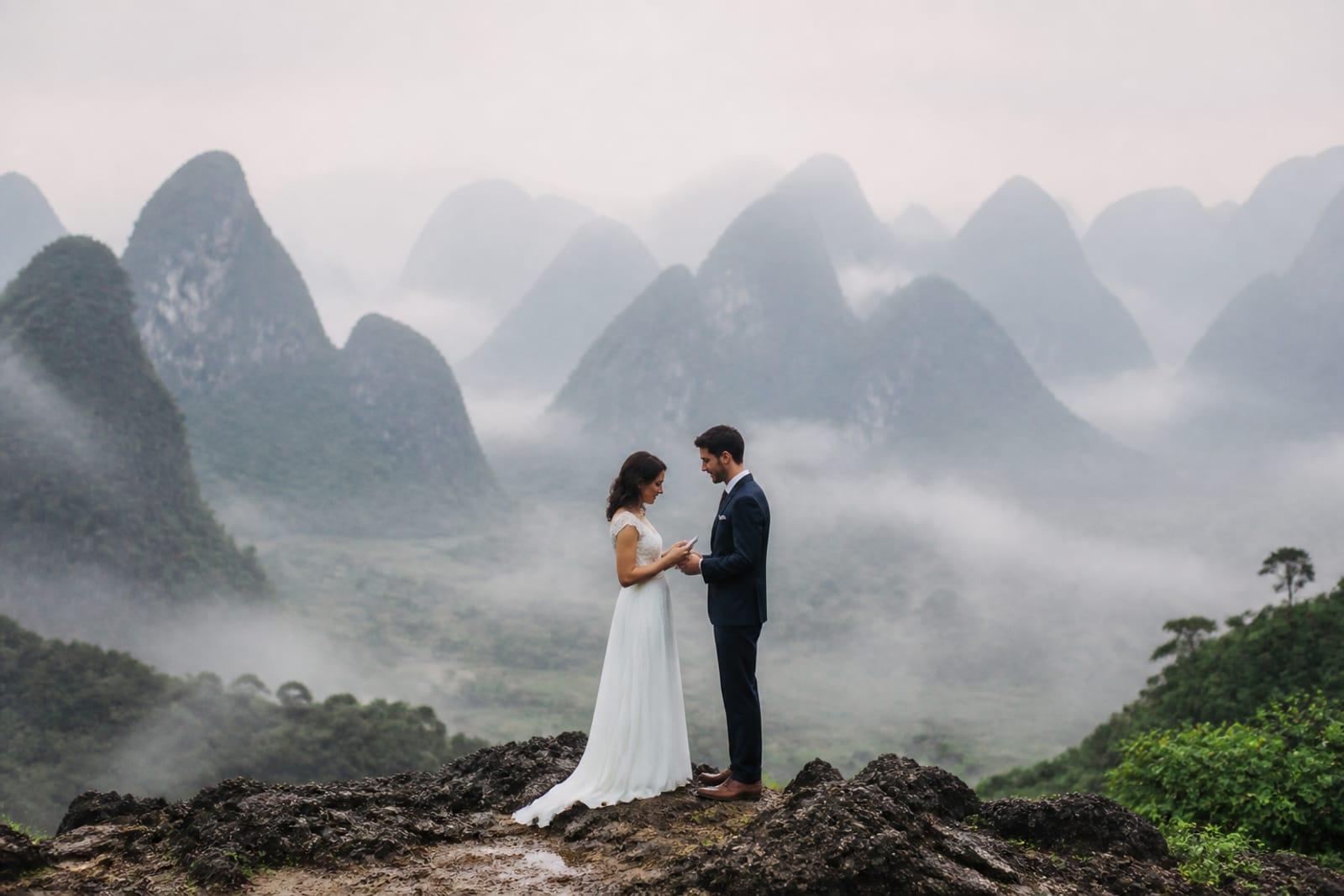
Wedding Day Photographer in Vietnam — the complete guide
What a Wedding Day Photographer Does for Your Ceremony
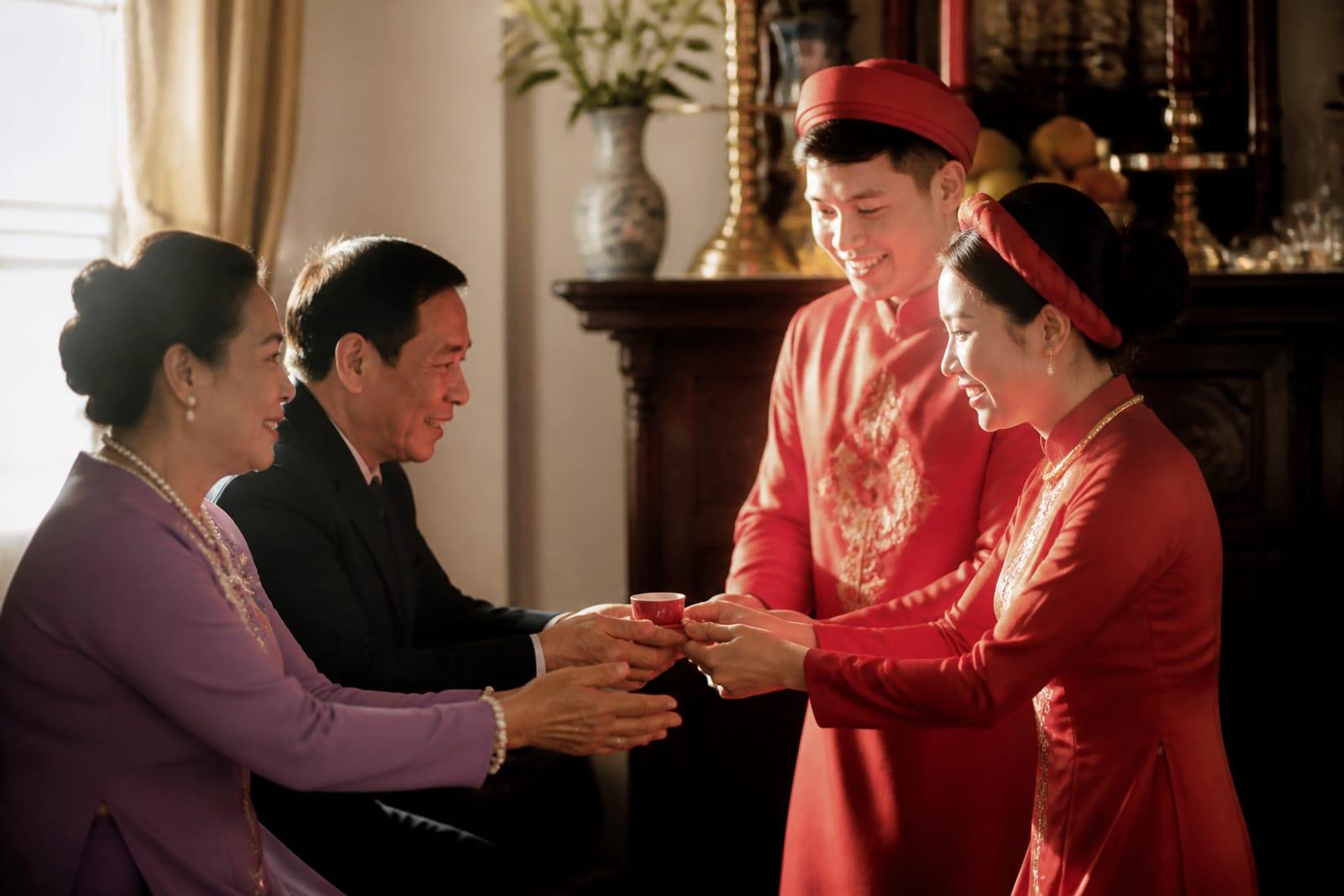
A wedding day photographer captures the moments that matter most—the ceremony itself, the tea ceremony if you're having one, the reception, the family portraits, the small gestures nobody else will remember. For destination weddings in Vietnam, that role expands. You're not just getting someone with a camera; you're getting a team familiar with Vietnamese wedding customs, logistics in an unfamiliar city, and the specific light and spaces where your celebration will happen.
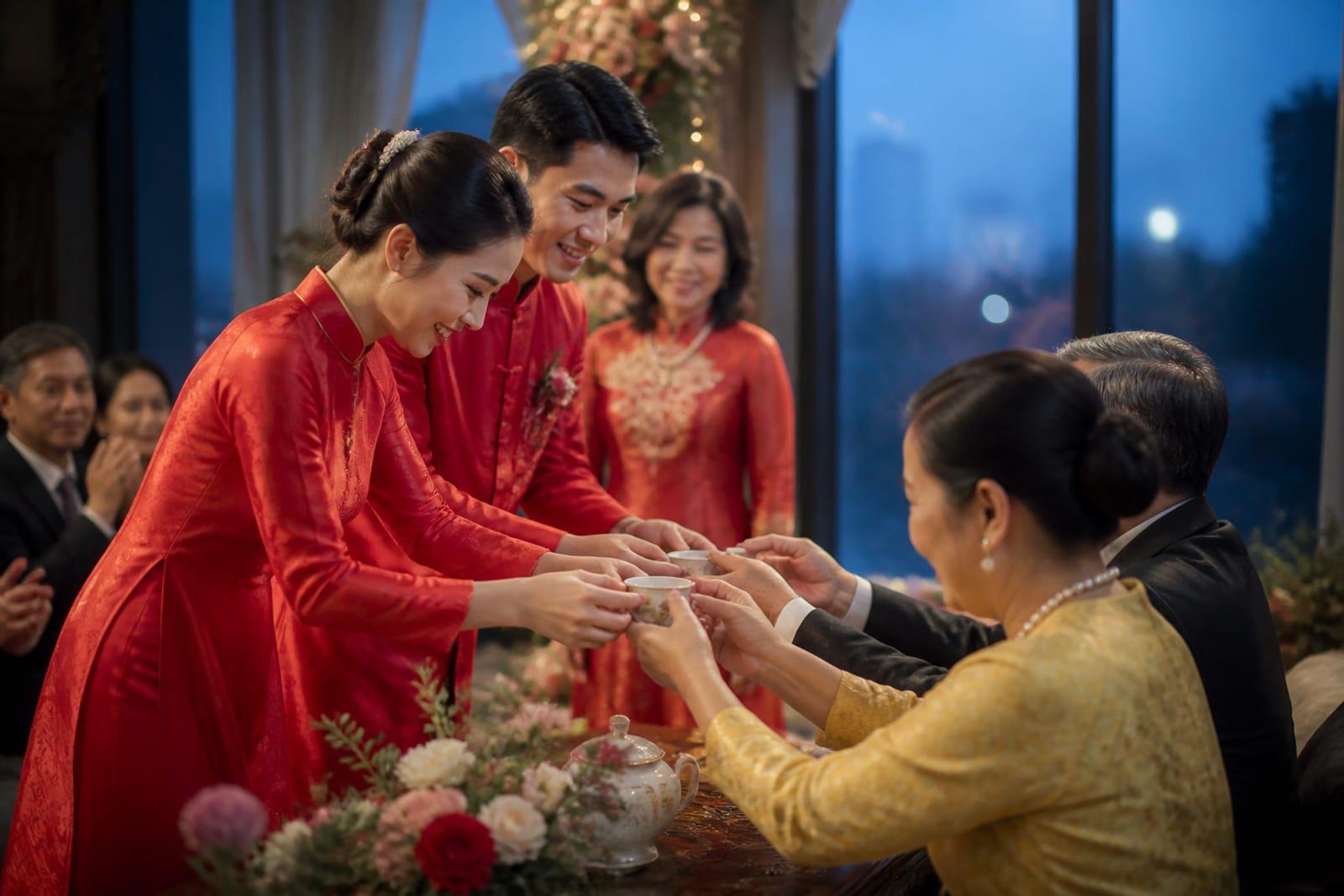
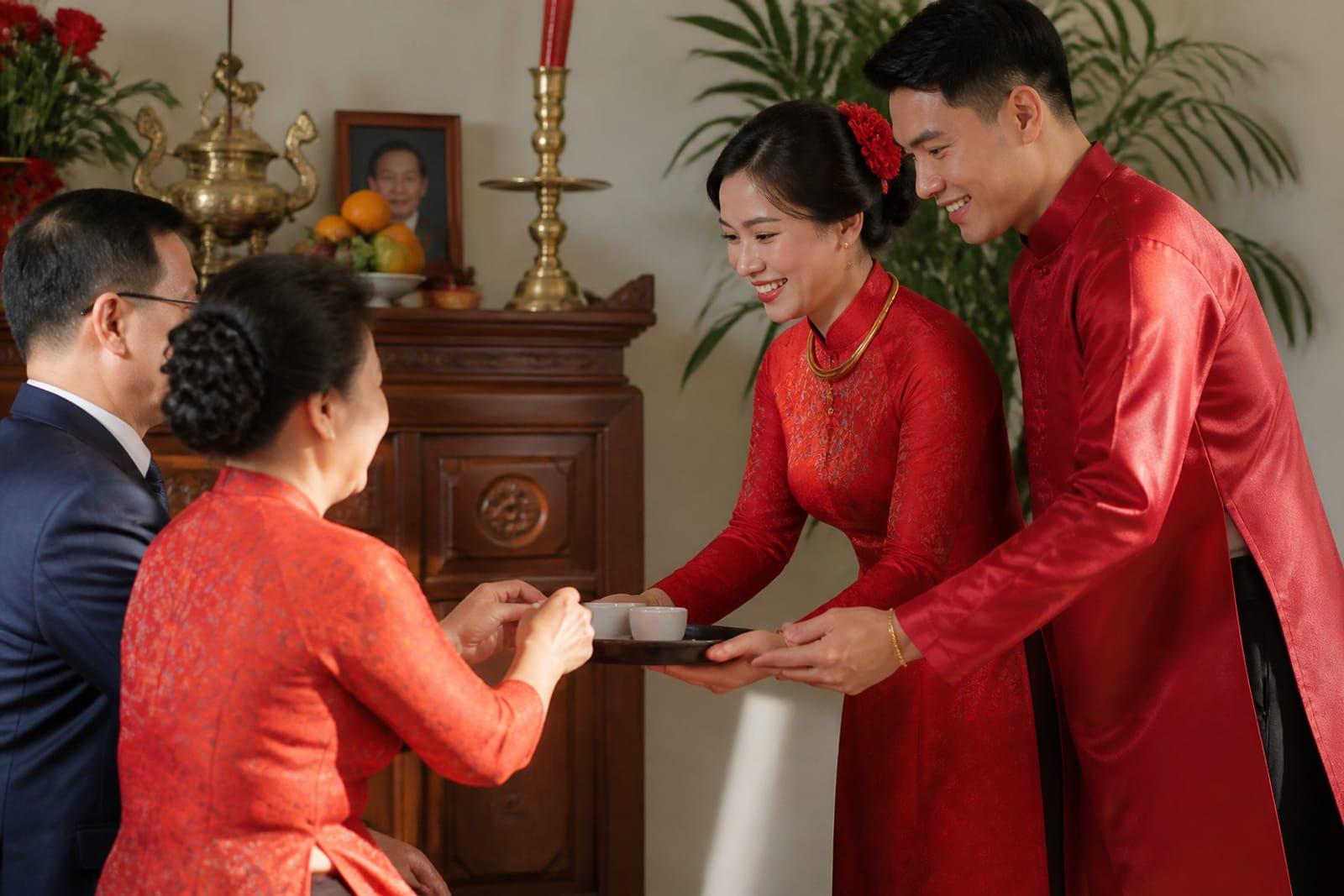
Many couples who book with us are mixing cultures: a Western ceremony with a Vietnamese tea ceremony (lễ ân hội), or bringing together families from different countries around a small celebration in Hanoi, Saigon, or Hoi An. Some are locals marrying abroad who want their Vietnam wedding documented properly. Others are simply choosing Vietnam as the setting for an intimate ceremony. Whatever the shape of your day, the photographer's job is the same—to be where you are, to know what's coming next, and to capture it without getting in the way.
The difference between a good destination wedding photographer and an average one is familiarity. Familiar with how light falls in the Old Quarter at dawn. Familiar with the flow of a Vietnamese tea ceremony and where to stand without missing the moment. Familiar with the weather, the streets, the best spots nearby. That's what we bring to your day.
How Your Wedding Day Photoshoot Unfolds
The process is straightforward because a wedding day doesn't have time for complexity. It starts with a message: you tell us the city, your dates, how many people you're photographing, and what the day looks like. You get a quote back within the hour—we work 6am to 9pm Vietnam time. Once you confirm, the real planning begins. We meet your photographer and makeup artist, talk through your timeline, discuss the venues or locations where photos will happen, and confirm the ao dai sizes if you're wearing traditional dress.
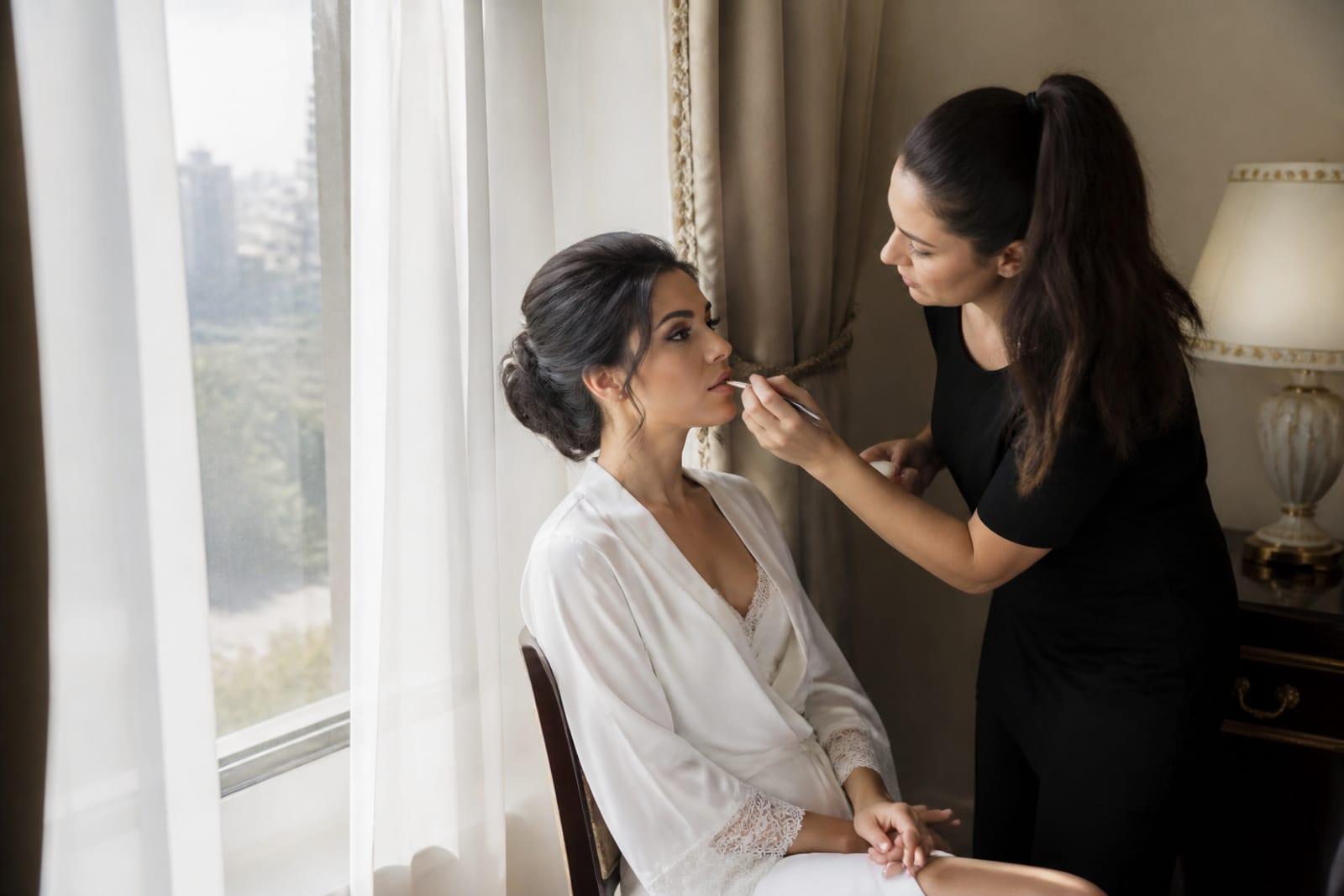
On the day itself, the team arrives at your hotel or wherever you're getting ready. If you've booked bridal makeup and hair, that happens first—the makeup artist works in your room while you're calm and have time. Then the photographer captures those quiet moments: the detail shots, the getting-dressed moments, the family photos before the ceremony. You walk out the door knowing exactly where and when to meet the photographer, and that they know the route, the light, the backup spots if weather shifts.
The ceremony, the tea ceremony if you're doing one, the reception—the photographer moves through it all with a clear sense of your priorities. We've worked with Vietnamese customs enough to anticipate the moments, stay in the right places, and not disrupt the flow. By evening, while you're still celebrating, photos are being edited.
How Booking Works: From First Message to the Big Day
Start by messaging us on WhatsApp or Zalo at +84 338 762 340. Tell us: which city you're marrying in, the dates, how many people, and what you're imagining. Are you doing a Western ceremony? A tea ceremony? Both? Are you wearing ao dai? Do you need makeup and hair? This message doesn't lock anything in—it's just you saying hello and telling us what's happening. We reply within the hour, usually with initial thoughts and a question or two to understand the day better.
From that conversation comes a quote, sent via WhatsApp. The amount depends on your city, group size, and how long the photographer is there. Once you're ready, a small deposit confirms the booking, and we send you a confirmation message with the time and meeting point. Our team starts planning around your hotel, your timeline, and your preferences. You'll get the details clear—the photographer's name, the meeting time, the starting location, and the number of hours covered. The balance is paid on the day, in person, cash or card.
Everything from confirmation onward is documented in writing (WhatsApp counts). You know who's showing up, when, and where. There's no guessing, no fees that materialize later. If you want prints, albums, or wedding films, those come from separate photo printing and framing services or a wedding film partner—choices you make after you've seen the photos, not before.
Wedding Photography Locations: Hanoi, Saigon, and Hoi An
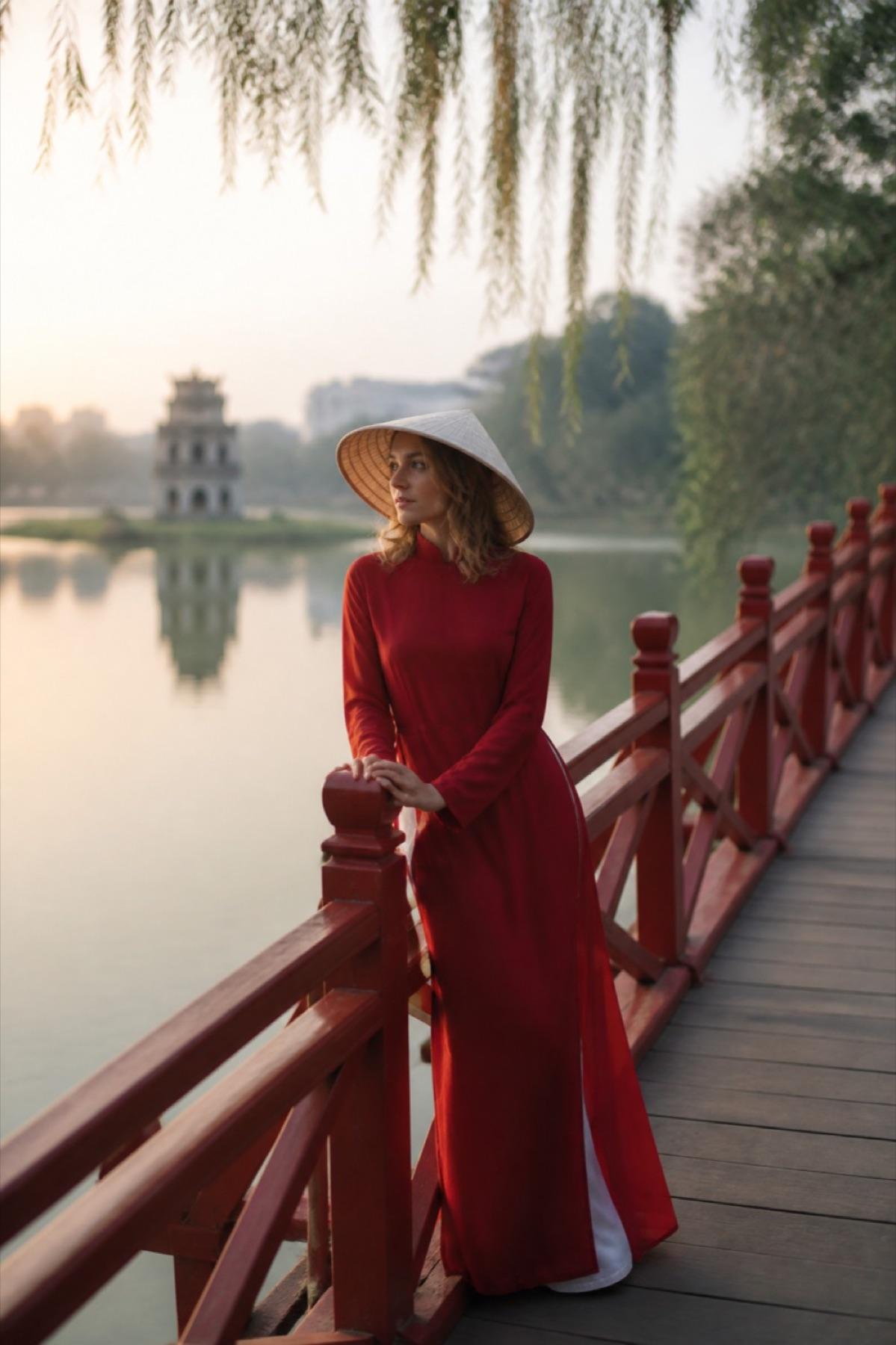
We work across three cities in Vietnam, and the choice of location shapes the look of your wedding day photographs. Hanoi offers old-world romance: the Temple of Literature, Hoan Kiem Lake with the Huc Bridge at sunrise, the chaos and color of the Old Quarter, Tran Quoc Pagoda overlooking West Lake, and the quiet streets of Phan Dinh Phung lined with villas. The light is softer in Hanoi's older quarters, the crowds thinner in the early morning, and there's history in every corner. Our Hanoi studio is at 11 Lien Tri, Hoan Kiem—a working makeup studio where bridal hair and makeup happen before you step out for photos.
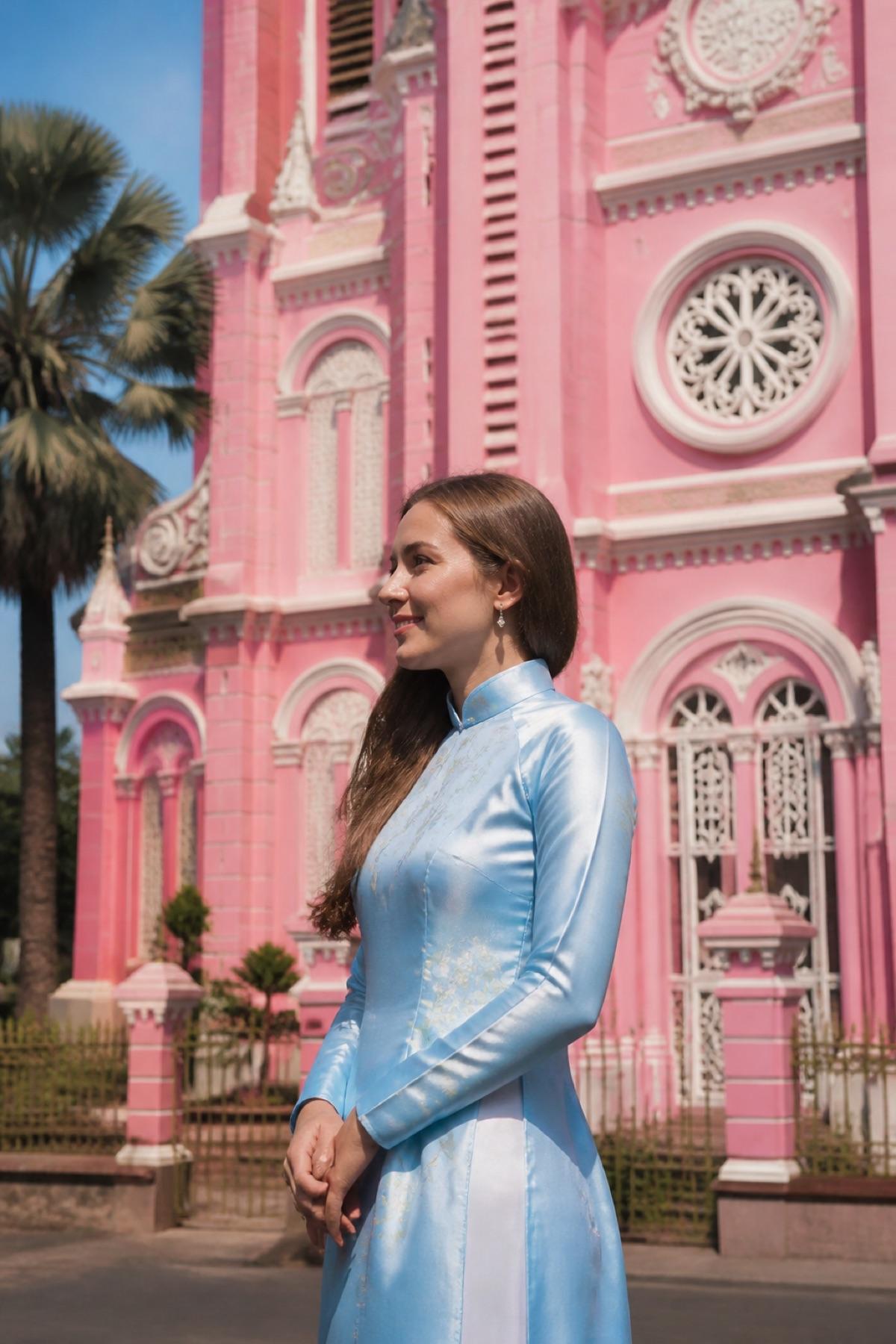
Saigon (Ho Chi Minh City) is modern and alive. The Notre-Dame Cathedral and Central Post Office give you colonial elegance. Nguyen Hue Walking Street bustles with energy. The smaller alleys and cafés of District 1 feel intimate. Thu Thiem's riverside is quieter and contemporary. Landmark 81 offers height and views across the city. Our Saigon base is in Go Vap, positioned to reach these locations and your hotel quickly. The city photographs differently than Hanoi—more urban, more vibrant, newer light.
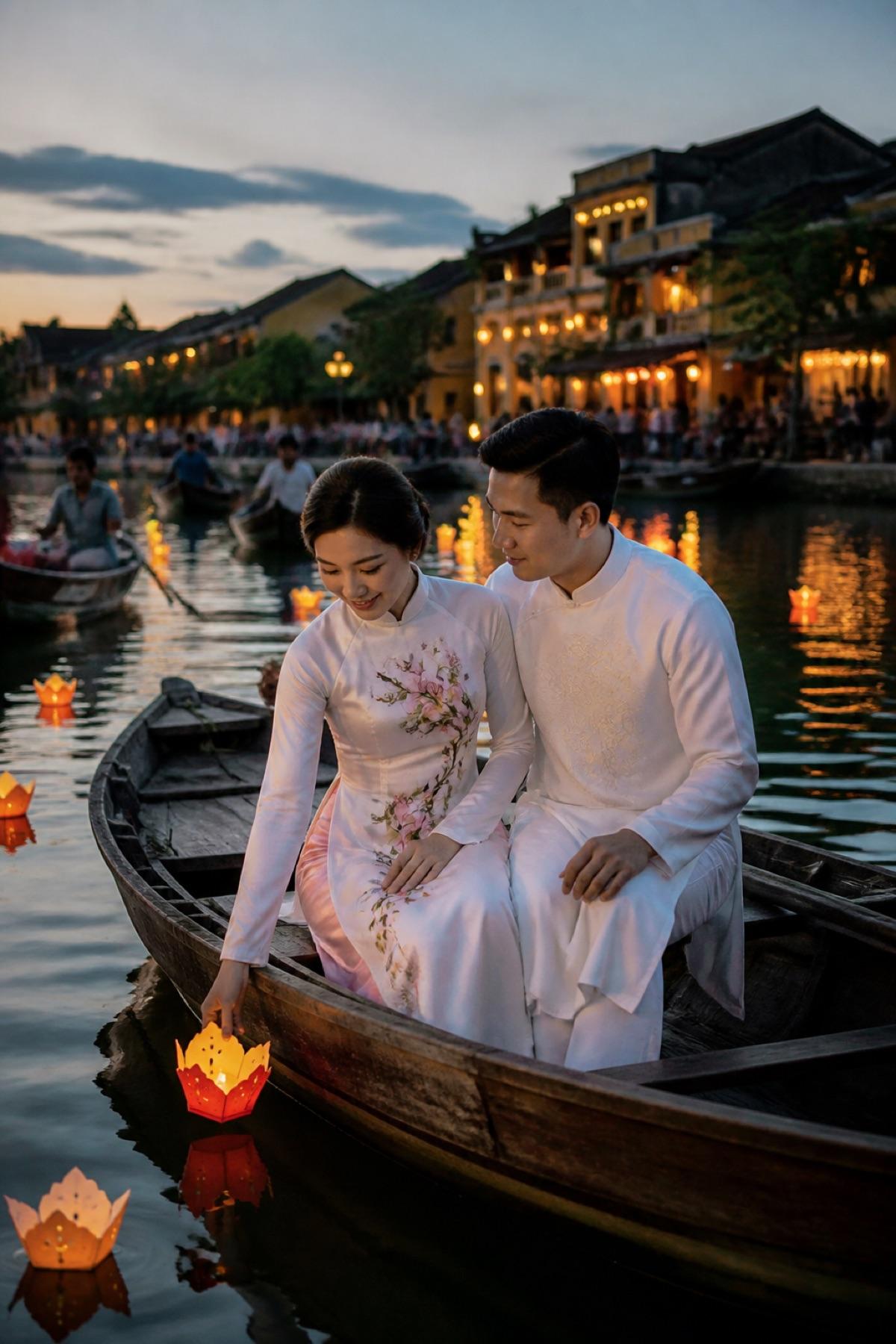
Hoi An is a different world again. The Ancient Town's yellow-painted walls and narrow streets feel like you've stepped into a photograph already. The Japanese Covered Bridge is iconic. The Thu Bon River comes alive with lantern boats at dusk. The lantern streets after dark are pure magic. Tra Que vegetable village just outside town offers green, rural contrast. Hoi An requires a slightly different setup—our team travels there by appointment, no studio on-site—but the visual payoff is singular. Many couples choose Hoi An specifically for that timeless feeling.
What to Wear, How to Prepare, and Posing for the Camera
If you're wearing traditional dress, that's the ao dai—the silk tunic and pants that drape beautifully and photograph like a dream. The fit matters; a well-fitted ao dai moves differently and catches light better. Some couples choose to do part of the day in ao dai and part in their wedding dress; that's completely normal for mixed ceremonies. Comfort matters: you'll be photographed for hours, so wear something you can move in and feel confident wearing.
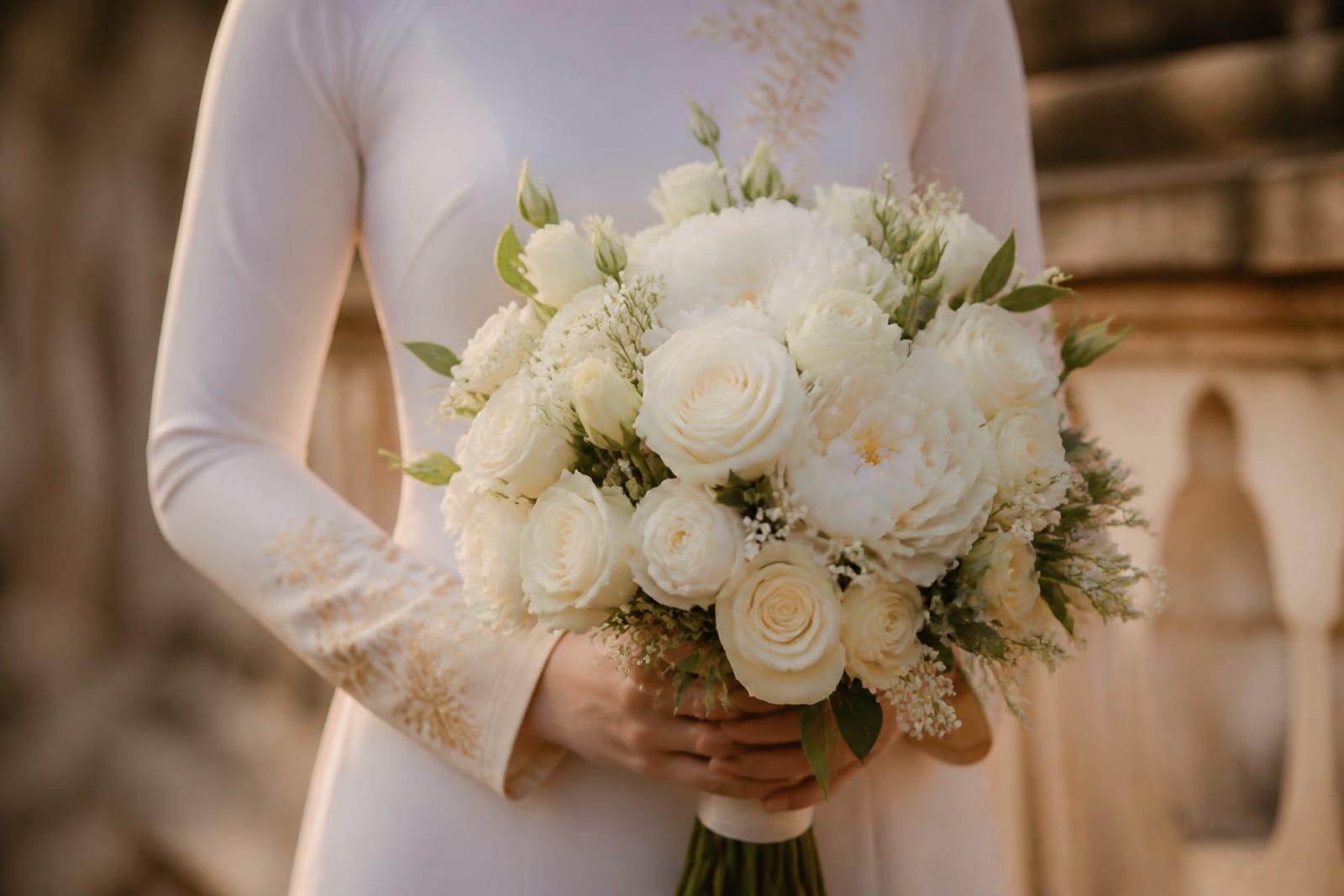
For a Western wedding dress, the usual rules apply—make sure it's pressed, fits well, and works in the space. If you're having photos outside in Hanoi or Hoi An, think about the heat and humidity; lighter fabrics move better and look fresher in photos. The key is consistency in color and formality across the wedding party.
On posing: the photographer will guide you. Real couples don't stand unnaturally stiff; they laugh, they look at each other, they walk. The best photos come from authentic moments, not choreographed freeze-frames. We'll suggest positions—where to stand, how to hold hands, how to look at the camera versus each other—but the magic is in the in-between moments. Trust the photographer to capture both the posed portraits and the candid joy. If you're nervous in front of the camera, say so; the photographer knows how to make you feel comfortable and look genuinely happy rather than forced.
Best Timing: Light, Season, and Weather for Your Wedding Photos
Light is everything in photography. In Vietnam, that means early morning or late afternoon are magic hours—the sun is softer, lower, and creates dimension and warmth in images. A 5am start for dawn photos near Hoan Kiem Lake or the Temple of Literature yields images that look like paintings. A 4pm start for late-day photos in Hoi An's Ancient Town works beautifully into dusk. Midday sun (11am–3pm) is harsh and creates unflattering shadows; it's not ideal for outdoor portraits. If your ceremony is at noon, plan portraits either before or after, not during the bright part of the day.
Vietnam's weather varies by season and city. Hanoi and Saigon are hot and humid year-round; October to March is cooler and drier—the most comfortable season for being outside for hours. Hoi An follows a similar pattern, though typhoon season (September–November) brings rain. During Vietnam's hot months (April–September), weddings often happen early morning or evening specifically to avoid the heat. Rain happens; it's part of the tropics. What you do about it—move indoors, embrace the drama, reschedule—depends on your flexibility. The photographer will have backup plans and indoor locations scouted, but ultimately, weather on the day is what it is.
Book your wedding during a season that suits your comfort level and your vision. Spring (February–April) and autumn (September–November) are popular because of the cooler weather. Peak tourist seasons in Hanoi and Hoi An (December–January, around Tet) mean more crowds in the streets and landmarks, but also crisper light and fewer rainy days. If your wedding is during hot season (May–September), plan shorter outdoor hours and embrace air-conditioned venues for parts of the day. The photographer adjusts to whatever the weather brings; your job is to feel good on the day and trust that the images will reflect it.
Combining Wedding Photography with Makeup, Video, and Other Services
A wedding day is a production. The photographer is one part; the rest of the day lives on in other forms too. Most couples book bridal makeup and hair alongside photography—it happens before the photographer starts rolling, and it's the same team, so there's no coordination gap. The makeup artist knows how makeup photographs, how to work with the photographer's lighting setup, and how to handle touch-ups during the day. That continuity matters.
Many couples also book a wedding film alongside still photography. The photographer and videographer work in tandem—they're aware of each other, they don't interfere, and they both capture the day. Stills and video together give you the full story: the video has motion and sound; the stills have detail and intimacy. Others want prints and frames for their home. These are all decisions you can make after seeing the images; nothing is locked in upfront.
If you're doing a larger event—a pre-wedding shoot before the day, a family photoshoot gathering relatives, or a couple photoshoot at a different location—we can bundle those into one conversation. Each service is separate, but they share one booking process and one point of contact. You're not coordinating five different vendors; you're talking to us, and we connect the dots. It simplifies things and keeps the aesthetic consistent across all your wedding-related photography.
Getting Your Custom Quote: How WhatsApp Makes It Easy
There's no one-size-fits-all price for wedding photography in Vietnam because no two wedding days are the same. A destination wedding for two people in Hanoi costs differently than a tea ceremony with 40 family members in Saigon. A full-day wedding with makeup, hair, and a videographer is different from a two-hour morning photoshoot. That's why we quote on WhatsApp after talking to you, not from a published menu. You message +84 338 762 340 with your specifics, and you get a number that reflects your actual day.
The quote includes the photographer(s) assigned to your wedding, the hours of coverage, and—if you've booked it—bridal makeup and hair, ao dai rental, and any other services bundled in. If you want to add a videographer, prints, or an album later, those are separate line items we can quote separately. Everything you need to decide is on that WhatsApp message. You don't have to guess or do math; you see one number for your day. A small deposit locks in the date; the rest is due on the day when the photographer arrives.
This approach keeps things transparent and fair. You're not paying for services you don't want or guessing whether your group size changes the price. We reply within the hour, during business hours (6am–9pm Vietnam time), so there's no long back-and-forth. Most couples have a quote, confirm, and are booked within a day. If you have questions about what's included, about timing, about locations, ask them in that first message. The more specific you are, the more accurate the quote will be. Once you're ready, reply to confirm, send the deposit, and the countdown to your wedding day starts.