/pre-wedding-photoshoot
Hanoi French Quarter wedding photos: best time of day and light
The French Quarter's best pre-wedding light arrives in the two hours before sunset, roughly 4–6 p.m. in winter (December–February) and 5–7 p.m. in autumn (October–November), when low-angle sun rakes yellow stone facades and casts long, flattering shadows. Autumn—dry, mild, and soft-lit—is Hanoi's top shoot season; winter works but is often overcast and cool (10–20°C), requiring careful wardrobe planning. The quarter's narrow streets fill with tourists and cyclos from mid-morning onward, so early-morning shoots (6–8 a.m., softer but dimmer light) or late-afternoon slots avoid congestion. Cáo Studio – Makeup & Photoshoot schedules French Quarter pre-wedding sessions to align with season, light angle, and your clothing comfort; exact timings and outfit changes are confirmed on WhatsApp to maximize natural light while keeping you warm and unhurried. ---
Which season gives you the sharpest pre-wedding light in the French Quarter?
Autumn (October–November) dominates for one reason: low humidity, dry skies, and a sun angle that softens without washing out stone. Winter (December–February) is cooler—about 10–20°C—and overcast most days; you'll need heavier fabrics and patience for cloud breaks. Spring (March–April) is mild but increasingly hazy and humid; midday glare flattens features. Summer (May–September) is ruled out—heat exceeds 35°C, thunderstorms erupt without warning, and humidity makes makeup run. For pre-wedding portraits, autumn's mild warmth and golden-hour clarity are unmatched; winter works only if you're comfortable in cool air and accept fewer light-filled frames.
📸 Book on WhatsApp — pre-wedding & elopement | 💄 Makeup & hair at your hotel
What time of day should your French Quarter shoot happen?
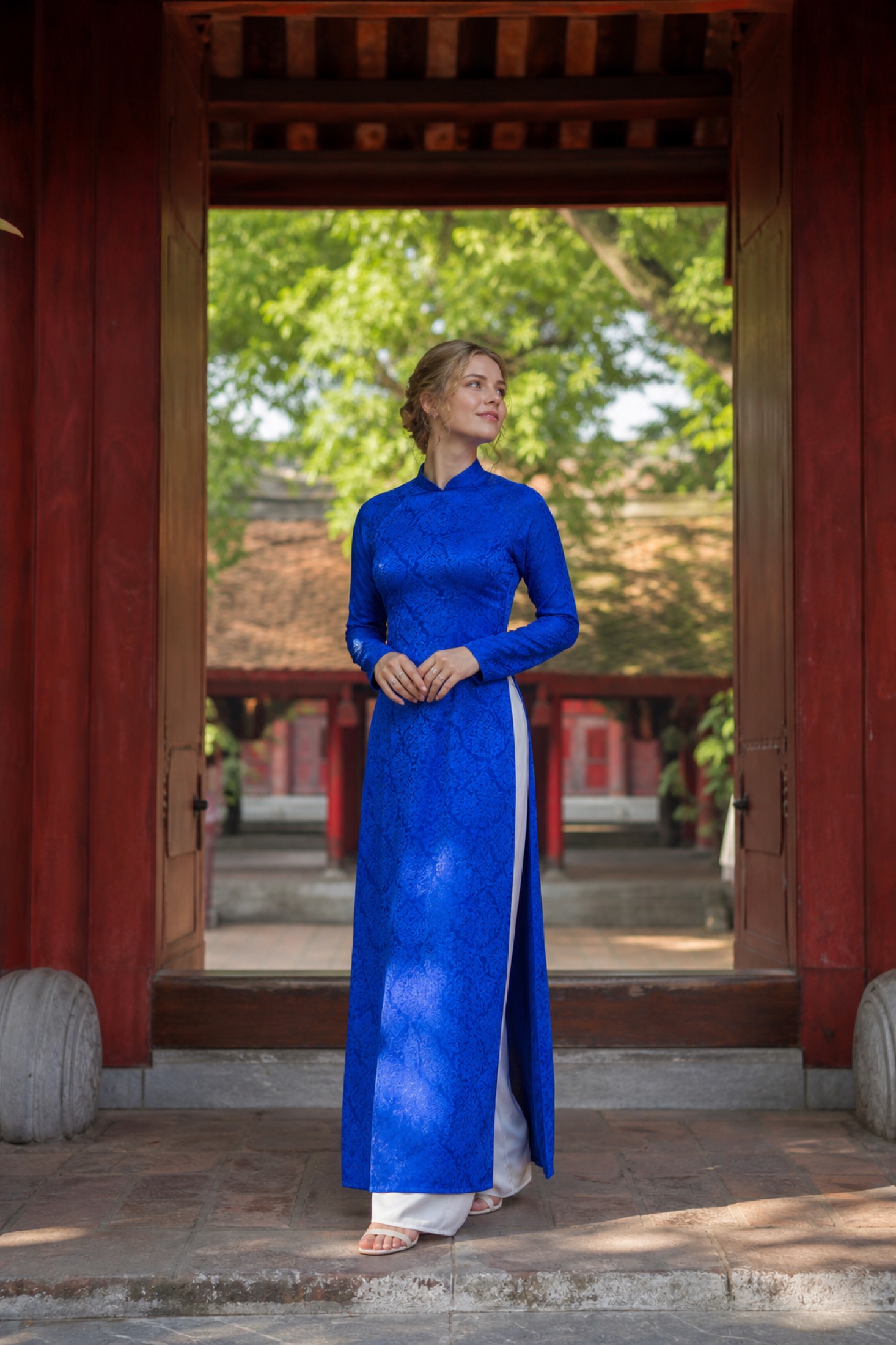
Golden hour—the one to two hours before sunset—delivers the French Quarter's most dramatic light. In autumn, that's roughly 5–7 p.m.; in winter, 4–6 p.m. At those times, low sun angle flatters faces, warms stone, and casts shadows that add depth to colonial porticos and tree canopies. Early morning (6–8 a.m.) is quieter and avoids crowds, but light is dimmer, softer, and cooler in tone—better for serene, intimate portraits than bold architectural contrasts. Midday and early afternoon (10 a.m.–4 p.m.) are to be avoided: sun is overhead, faces show shadows under eyes and nose, crowds peak, and pavement heat is exhausting. Late evening (after 7 p.m.) loses usable light fast, forcing high ISO and slower shutter speeds. Time your session for golden hour and you'll need fewer outfit changes to look fresh.
How do crowds and access affect your shoot schedule?
The French Quarter's narrow streets—Hang Ngang, Ta Hien, Phan Dinh Phung—are pedestrian zones packed with tourists, vendors, and cyclos from 10 a.m. onward. Early morning (before 8 a.m.) clears streets and gives you clean backdrops without strangers photobombing; the trade-off is cooler, less-dramatic light. Late afternoon (4–7 p.m.) balances golden light with moderate foot traffic—people are slower and less disruptive than midday chaos. Hoan Kiem Lake area becomes pedestrian-only on weekend evenings, so if you want lake-foreground shots, verify access on your shoot date or choose a weekday slot. Budget extra time if your outfits require wardrobe changes; narrow alleys and limited private spaces mean changing in a studio van or pre-booking a hotel room nearby. Cáo Studio factors this into planning—confirm logistics on WhatsApp to avoid rushed, uncomfortable transitions.
What should you wear under an áo dài for pre-wedding shots in the French Quarter?
An áo dài's silhouette demands a fitted slip or bodysuit underneath to show the drape cleanly and keep the neckline from gaping in motion. In autumn, the outside air is cool (15–20°C in evening); wear long sleeves or a light cardigan over bare shoulders to stay warm without bulk. Winter áo dài shoots often call for thick tights or layered undergarments—the outer layers may be peeled back for shots, but comfort between frames matters. Avoid heavy padding or visible bra lines; the áo dài's delicate construction shows imperfections. If you're wearing a Western wedding dress for part of the shoot, choose one that breathes in humidity and doesn't require constant steaming; colonial-era stone buildings are unheated, so drafts and moisture are real. Cáo Studio's makeup and hair service includes wardrobe advice—ask about layering and undergarment options when you book. Shoes matter too: cobblestones are uneven, so flat or low-heel options prevent twisted ankles during walking sequences.
How does light change as you move between French Quarter streets?
Phan Dinh Phung (the "Tree Street") is canopy-covered; light is dappled and cool-toned in the morning, golden-warm in late afternoon when the sun angles under the leaves. It's ideal for soft, romantic portraits but requires faster shutter speeds in shadow. Hang Ngang and Ta Hien run east–west; midday sun floods them blindingly, but golden hour throws one side into dramatic shade while the other glows—asymmetric, theatrical light that reads powerfully in portraits. Nguyen Huu Huan (near Hoan Kiem) opens to water; light reflects off the lake surface, filling shadows and softening contrast—forgiving for makeup but prone to overexposure if not metered carefully. Cathedral-adjacent streets (around Nha Tho) have taller buildings that create deep shadow corridors at midday and clean, frontal light in golden hour. Plan your route to chase the sun's angle; a shoot at 5 p.m. will position you on east-facing facades to catch warm light head-on, then move to west-facing alleys as the sun lowers. Cáo Studio knows these micro-zones and times the route to maximize light quality without wasting time between frames.
Comparison: Golden hour, early morning, and overcast-day shoots in the French Quarter
| Option | Best for | Light character | Crowds | Comfort factor | Why it works or doesn't |
|---|---|---|---|---|---|
| Golden hour (5–7 p.m., autumn) | Dramatic, warm pre-wedding portraits | Directional, saturated, flatters skin tone | Moderate | High—mild air, no rush | Peak contrast and color; light fades fast, so timing is critical. |
| Early morning (6–8 a.m.) | Serene, intimate shots; avoiding crowds | Soft, cool, even, dimmer | Very low | Medium—cool air, quiet | Clean streets, no glare, but lower light means slower shutter or higher ISO. Makeup shows fewer flaws in soft light. |
| Midday (10 a.m.–2 p.m.) | To avoid at any cost | Overhead, harsh, blown highlights | Very high | Low—heat, glare, eye squinting | Photobombing, unflattering shadows under eyes, exhausting for you. |
| Overcast winter day (noon–3 p.m.) | Consistent, even lighting; no season pressure | Flat, neutral, no shadows | High | Low—cool air, no drama | No harsh shadows, but no depth either. Light is "forgiving" but "dull." Use as fallback if autumn weather fails. |
---
What to check before you book your French Quarter pre-wedding shoot
- Season and month: Confirm autumn availability first; winter requires weather-contingency dates.
- Exact time slot: Ask Cáo Studio whether your preferred time (golden hour vs. early morning) aligns with your outfit and comfort. Timings vary by month—WhatsApp for specifics.
- Outfit count and changes: More outfits mean more location changes and longer sessions. Tight schedules risk rushed, unflattering final frames.
- Weather backup plan: What happens if autumn rain or winter drizzle closes in? Confirm whether you reschedule, pivot indoors (e.g., hotel makeup and hair), or accept overcast light.
- Private changing space: Ask if Cáo Studio provides a van or whether you'll use your hotel room. Narrow alleys have no privacy.
- Accessibility for mobility: Cobblestones and narrow streets are challenging if you have mobility concerns. Scout routes or request wheelchair-accessible alternatives (nearby Hanoi studios or flatter neighborhoods).
- Permit or access restrictions: Train Street and some heritage zones have intermittent closures. Confirm 1–2 weeks before shooting.
---
How Cáo Studio – Makeup & Photoshoot times French Quarter sessions
Cáo Studio books pre-wedding photoshoots in the French Quarter as part of its Hanoi service. The studio's workflow begins on WhatsApp (+84 338 762 340): you describe your vision, preferred month, and outfit count. A coordinator confirms the best time slot based on current season light, checks recent weather patterns, and reserves a makeup artist to meet you on-site or at your hotel. The team arrives with reflectors, prime lenses optimized for low-light golden hour, and backup clothing-change logistics. Shots are framed to avoid or include crowds contextually; the photographer times motion and emotion for when light hits your face or dress cleanly. Post-shoot, you receive a custom delivery timeline and editing approach—exact inclusions are detailed on WhatsApp, not here. For ao dai photoshoots in the same location, light planning is identical but wardrobe-change logistics differ (áo dài's fitted cut vs. Western dress's volume).
💄 Makeup & hair at your hotel | 🌸 See the lookbook
---
Pre-wedding light: French Quarter vs. other Hanoi venues
The French Quarter suits couples seeking warm, textured stone backdrops and golden-hour drama. If you prefer natural, botanical settings, Nhat Tan peach blossoms (February) or Tay Ho lotus fields (June–July) deliver softer, diffused light but less architectural character. For intimate, minimalist vibes, consider a couple session at your hotel or a quieter lake-shore walk. An elopement or proposal photoshoot in the French Quarter pairs well with the architecture's romantic, timeless feel—timing and light remain the same, but the narrative and pacing shift toward spontaneity rather than wardrobe changes. If you're combining looks, ask Cáo Studio about multi-location sessions that use morning light elsewhere and golden hour in the Quarter.
---
Final timing checklist: French Quarter pre-wedding shoot
- Book 4–6 weeks ahead to secure golden-hour autumn slots; they fill quickly.
- Confirm your month and preferred time on WhatsApp; ask the coordinator to describe light character for your chosen date.
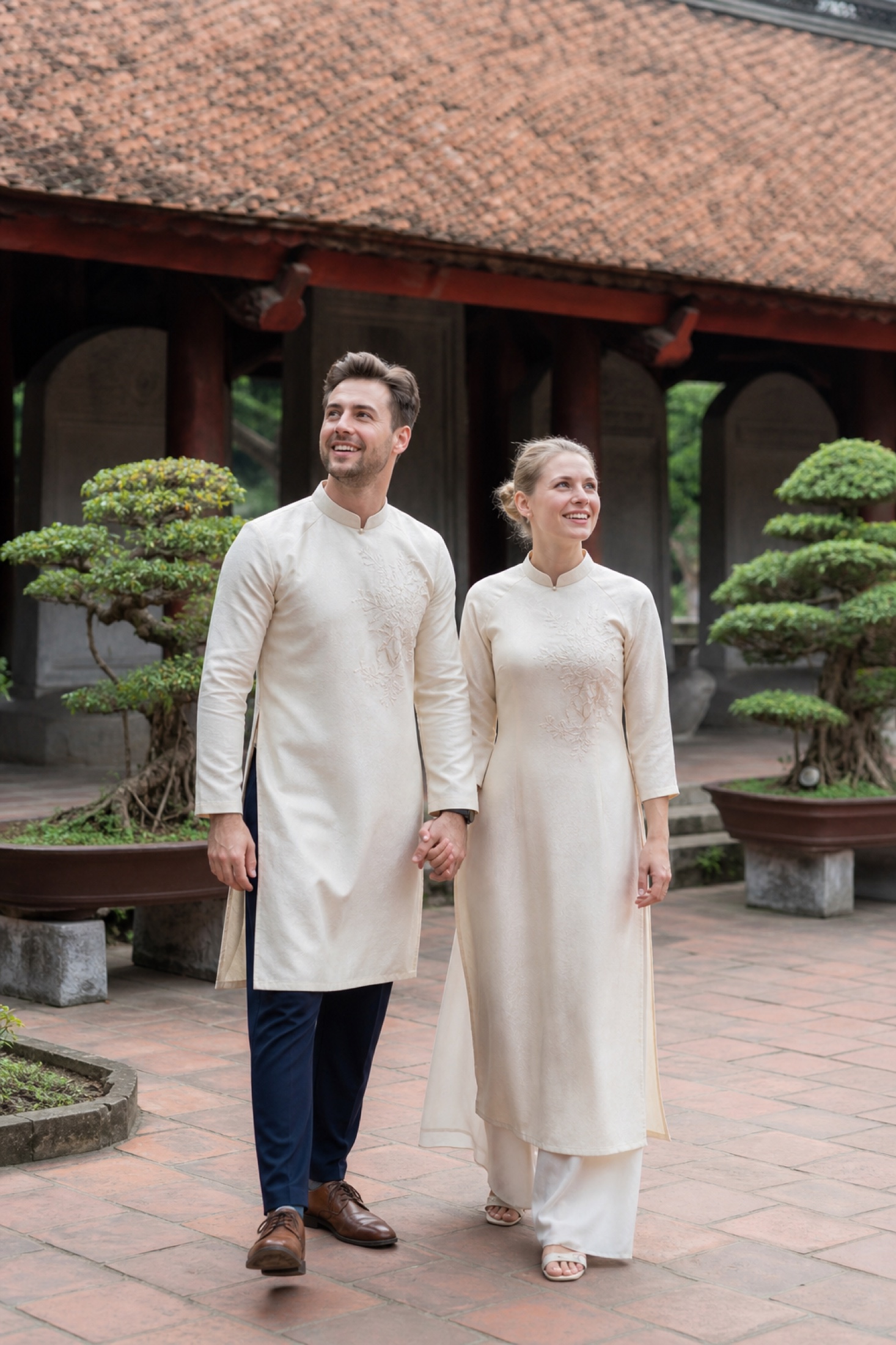
- Plan outfits around light warmth: autumn golden hour reads best in jewel tones, blush, or classic white; winter overcast suits cooler pastels.
- Arrange a changing space (hotel room, studio van) and confirm access with Cáo Studio.
- Wear undergarments and shoes tested on cobblestones; comfort is non-negotiable for 2–3 hours.
- Scout the route yourself the day before or ask Cáo Studio for a location brief; familiarity kills on-shoot anxiety.
- Confirm weather backup one week prior and agree on a reschedule or pivot plan.
---
FAQ
Is October or November better for French Quarter pre-wedding light?
Both are excellent. October is slightly warmer and may have more midday clouds (good for diffusion); November is crisper and delivers more consistent golden hour. Book whichever fits your calendar—light quality is nearly identical.
Can I shoot in the French Quarter in winter?
Yes, but expect overcast light 60–70% of days and temperatures around 10–20°C. You'll need heavier fabrics (cardigan, lined dress), and golden hour is dimmer. Winter works as a fallback or if you love moody, cool-toned portraits; ask Cáo Studio about weather contingencies.
How long does a French Quarter shoot take?
Duration depends on outfit count and locations. Exact timings and deliverables are confirmed on WhatsApp; budget extra time for wardrobe changes in narrow spaces.
What if it rains during my shoot?
Light rain in autumn is uncommon; winter drizzle happens. Confirm your weather-backup plan (reschedule, pivot to hotel makeup and hair, or accept overcast light) when you book. Cáo Studio will advise based on the forecast 3–4 days prior.
Can I combine French Quarter shots with áo dài photos?
Absolutely. Áo dài photoshoots use the same light-timing logic. A single session can include both outfits; confirm wardrobe-change logistics and location flow on WhatsApp.
Should I hire a Hanoi makeup artist or bring my own?
Cáo Studio's makeup and hair service is designed for pre-wedding shoots; artists know how makeup reads in golden and overcast light, and coordinate timing with the photographer. Bringing your own is an option—mention it on WhatsApp so the team plans touch-up breaks.
FAQ
Is October or November better for French Quarter pre-wedding light?
Both are excellent. October is slightly warmer and may have more midday clouds (good for diffusion); November is crisper and delivers more consistent golden hour. Book whichever fits your calendar—light quality is nearly identical.
Can I shoot in the French Quarter in winter?
Yes, but expect overcast light 60–70% of days and temperatures around 10–20°C. You'll need heavier fabrics (cardigan, lined dress), and golden hour is dimmer. Winter works as a fallback or if you love moody, cool-toned portraits; ask Cáo Studio about weather contingencies.
How long does a French Quarter shoot take?
Duration depends on outfit count and locations. Exact timings and deliverables are confirmed on WhatsApp; budget extra time for wardrobe changes in narrow spaces.
What if it rains during my shoot?
Light rain in autumn is uncommon; winter drizzle happens. Confirm your weather-backup plan (reschedule, pivot to hotel [makeup and hair](/makeup-and-hair), or accept overcast light) when you book. Cáo Studio will advise based on the forecast 3–4 days prior.
Can I combine French Quarter shots with áo dài photos?
Absolutely. [Áo dài photoshoots](/ao-dai-photoshoot) use the same light-timing logic. A single session can include both outfits; confirm wardrobe-change logistics and location flow on WhatsApp.
Should I hire a Hanoi makeup artist or bring my own?
Cáo Studio's [makeup and hair service](/makeup-and-hair) is designed for pre-wedding shoots; artists know how makeup reads in golden and overcast light, and coordinate timing with the photographer. Bringing your own is an option—mention it on WhatsApp so the team plans touch-up breaks.
Ao dai, makeup, hair and a local photographer in Hanoi or Saigon — one WhatsApp message.