/pre-wedding-photoshoot
Photography Rules at Cholon & Thien Hau Pagoda: Permits and Drone Perm
Cholon (Saigon's Chinese district) and Thien Hau Pagoda allow personal photography at no charge, but commercial shoots—weddings, pre-weddings, professional photos—require a location permit from the district office or pagoda management; drones are prohibited in both areas without separate air-traffic clearance from Vietnam's aviation authority. Cáo Studio – Makeup & Photoshoot handles pre-wedding and ao dai shoots at these locations with local liaison—permits and ethics are arranged before your session begins. Shoot early morning (6–8 a.m.) for soft light and fewer crowds; avoid midday glare. Never photograph monks or private prayer without consent. Budget 1–3 weeks for permit processing; confirm exact requirements on WhatsApp before booking, as regulations and pagoda policies shift seasonally.
Thien Hau Pagoda, built in 1760, sits in Cholon's heart—its red-lacquered halls, gilded statues and incense-heavy chambers draw photographers daily. Cholon's narrow streets, Chinese storefronts and morning markets offer gritty authenticity. Yet both are working sacred spaces and heritage zones; shooting there without understanding the rules invites fines, confiscation or legal friction that kills a session.
What permits do commercial photo shoots need at Thien Hau and Cholon?
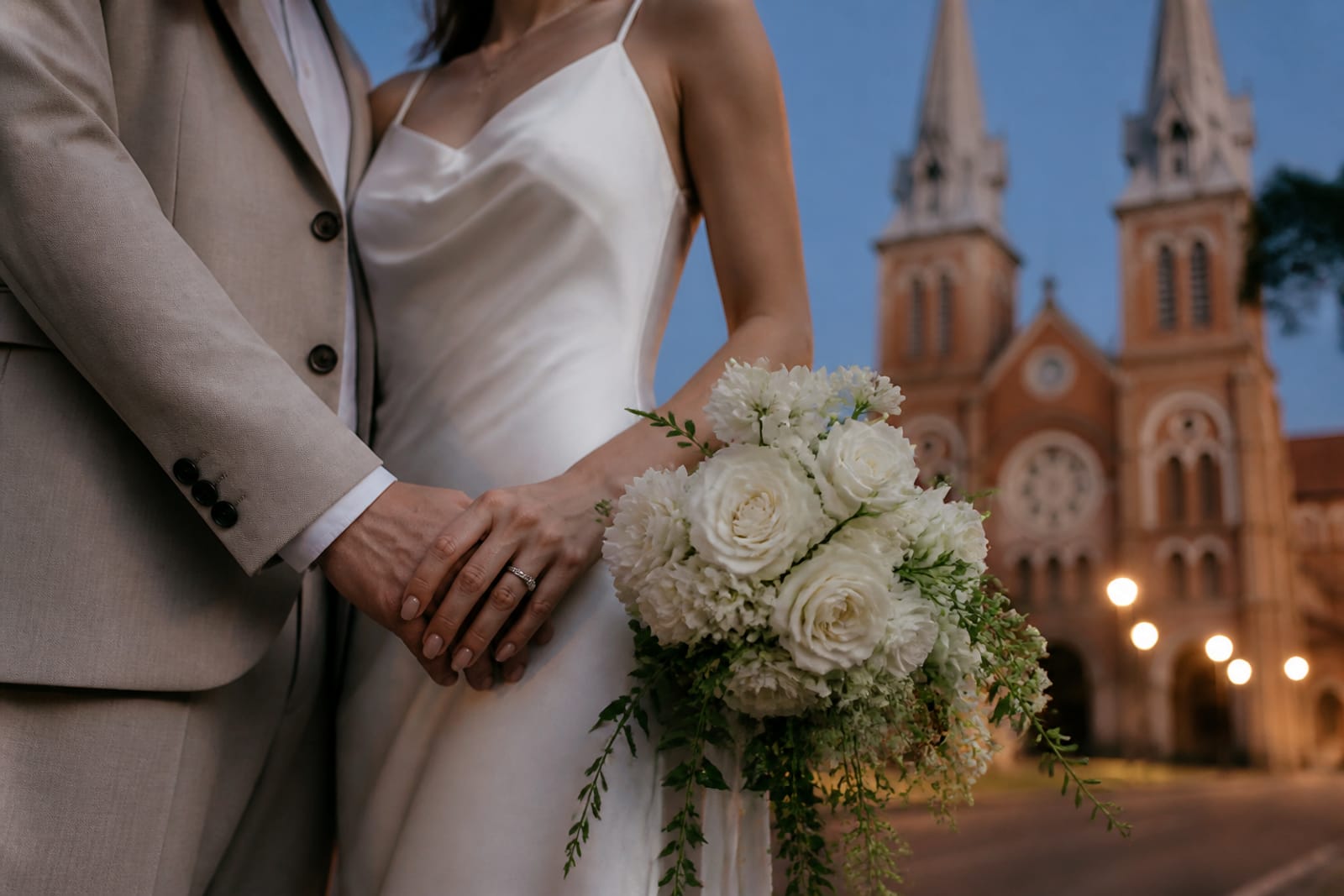
Commercial photography—any paid session, including pre-weddings, couple shoots, ao dai portraits and professional videos—requires written permission from pagoda management and/or District 5 (Cholon's district office). Personal tourist snapshots need no permit. The distinction: if a photographer is present and paid, or if the shoot is for commercial use (social media, marketing, portfolio), it is commercial. Thien Hau Pagoda's abbot or administrative office issues a letter; some sessions also need a district letter. Processing takes 5–21 days depending on the season and office workload. Winter (Jan–Feb, Tet period) is slowest. Bring passport, shoot date, photographer name, brief scope (ao dai, pre-wedding, couple), and number of participants. Never start without written confirmation—verbal OK from a junior monk or staff member is not legally binding and risks your shoot being shut down mid-session.
Are drones allowed over Thien Hau Pagoda or Cholon?
Drones are banned over religious sites and in central Saigon's airspace (Cholon falls within Flight Restriction Zone 4, per Vietnam's Civil Aviation Authority). No permit waives this. Drone shots over or near the pagoda or Cholon streets risk aircraft interference allegations, police intervention, equipment seizure and fines. Aerial video requires a separate civil aviation permit (issued by CAAV), which is rarely granted for commercial shoots in city centers. If your vision includes drone footage, scout alternative locations outside the city (rural Saigon outskirts, Tay Ninh, Can Gio) where airspace is less restricted—but always verify with CAAV before booking. Most pre-wedding teams skip drones at Cholon; ground-level and multi-story interior shots deliver richer cultural storytelling anyway.
When is the best time of day and season to shoot at these locations?
| Timing | Best for | Light quality | Crowd level | Challenges |
|---|---|---|---|---|
| 6–8 a.m. | Ao dai, couple, cultural | Soft, directional, cool | Very low; monks at prayer | Must coordinate with pagoda early; cool (Dec–Feb) vs. humid (May–Sep) |
| 9–11 a.m. | Lifestyle, market scenes | Golden, warm | Low–medium | Still manageable; streets fill gradually |
| 12–3 p.m. | Architectural detail only | Harsh, contrasty | High; heat intense | Unflattering for skin; avoid if possible |
| 4–6 p.m. | Golden hour, street life | Warm, directional | Medium–high | Best for mood; but pagoda closes ritual spaces; crowded |
| Dec–Feb | Optimal | Cool, crisp light; low humidity | Tourist peak, but manageable | Permit processing slower; Tet (late Jan–early Feb) closes everything |
| Mar–Apr | Good | Warm, dry | Moderate | Heat rising; still favorable |
| May–Sep | Difficult | Humid haze; afternoon storms | Lighter (many locals avoid heat) | Sudden rain; air thick; skin perspires visibly in photos |
| Oct–Nov | Risky | Typhoon remnants; unpredictable | Variable | Flash floods possible; check weather daily |
Early morning (6–8 a.m.) is universally best—light is flattering, the pagoda is quieter, and monks are less likely to object to cameras. Dec–Feb (dry, cool season) is ideal; May–Sep (hot, humid) requires extra makeup and frequent touch-ups. Tet (late Jan–early Feb) shuts pagoda courtyards and district offices for a week—avoid if permit-dependent. Confirm your chosen date 3–4 weeks ahead; last-minute bookings risk permit delays.
Can you shoot inside the pagoda, or only in courtyards and streets?
Interior halls are sacred—shooting inside requires explicit pagoda permission and often restrictions. Main altar rooms may forbid commercial photography altogether. Side halls, meditation rooms and bell towers are sometimes negotiable. Courtyards, exterior walls and street-facing facades are easier to permit. During active worship (early morning 5–7 a.m., evening 6–8 p.m.), interior access is limited and intrusive photography is disrespectful. Your best approach: work with a local liaison (Cáo Studio – Makeup & Photoshoot coordinates this for Saigon sessions) who knows the abbot or management personally, negotiates precise interior access, and ensures your team respects prayer times and sight lines. Never photograph monks or worshippers without explicit consent. Exterior and courtyard shots are nearly always approved if your permit is in order; lean on those for 60–70% of the session, then request specific interior moments (the altar steps, lantern details, archway framing) as add-ons.
What clothing and styling work best at Thien Hau and Cholon for a pre-wedding or couple shoot?
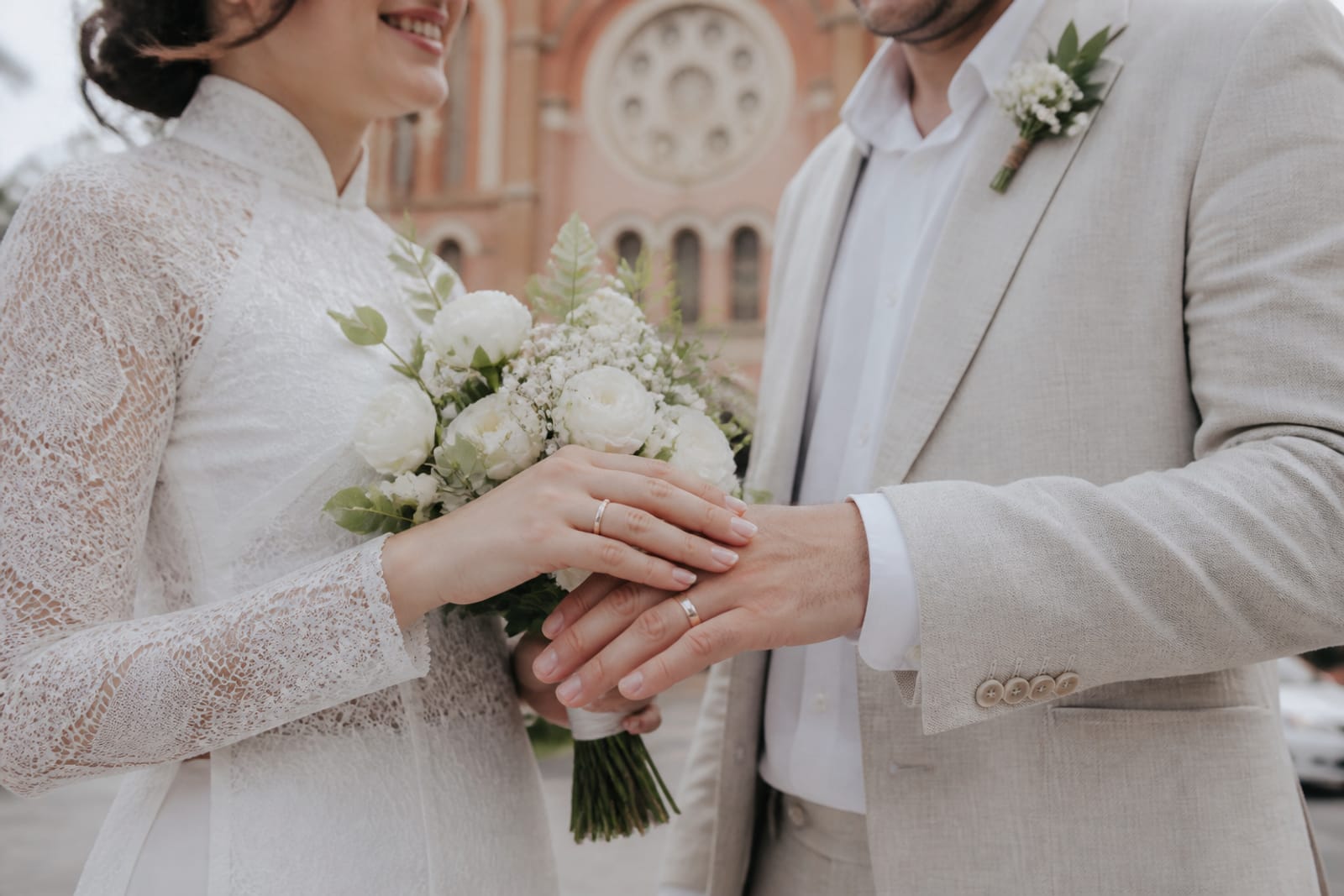
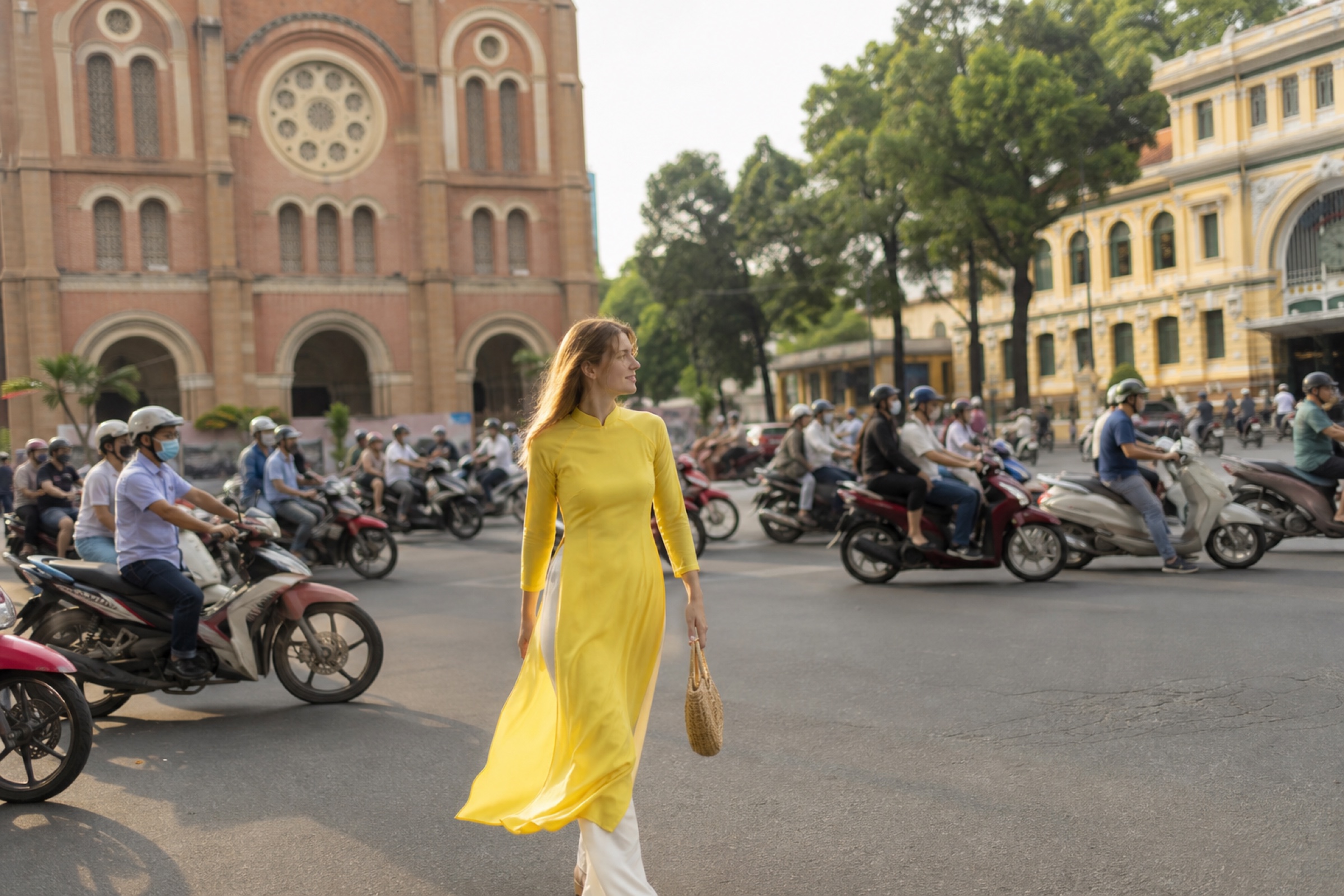
Ao dai is the natural choice—it bridges cultural respect and photographic drama. The red and gold of the pagoda are traditional; pastels and whites photograph well against deep lacquer and stone. Avoid bright neon or casuals that cheapen the setting. For non-ao dai couples, neutral tones (cream, grey, burgundy, charcoal) fade less against gilded backgrounds; busy patterns compete with architectural detail. Consider a shawl or light cover for interior shots, as some zones require shoulders or legs covered. Styling matters: hair and makeup should feel polished but not overdone—harsh makeup reads artificial under pagoda candlelight. Bring a makeup artist; humidity and sweat between 10 a.m. and 3 p.m. will smudge any pre-applied look. Footwear: wear comfortable shoes; Cholon's streets are uneven and sometimes damp. Avoid heels unless your photographer scouts the exact path beforehand. If you're booking a pre-wedding photoshoot with an experienced team, they'll advise on outfit logistics and even suggest rentals—ao dai rental is common for first-time shoots.
What common mistakes do photographers and couples make at these locations, and how do you avoid them?
Permit assumptions. Couples often assume they can shoot freely because tourist friends have. Wrong—commercial shoots are policed more strictly. Always confirm in writing with the pagoda and district office. No permit = no shoot; don't gamble.
Scheduling conflicts with worship. Early morning is quiet but coincides with monks' prayers. Late afternoon draws crowds and ritual closures. Book during agreed windows, not flexibly.
Disrespect to worshippers. Pointing cameras at someone praying, moving altars or touching ritual objects for "better framing"—these kill the entire session and offend deeply. Treat the pagoda as a living temple, not a set.
Underestimating post-processing needs. Incense haze and harsh shadows require skilled editing. Budget for a retoucher who can lift skin tones, balance color temperature and remove unwanted bystanders.
Forgetting weather contingency. May–Sep brings sudden rain; even in dry season, morning dew makes stone slippery. Have a backup interior shot list and waterproof camera bags on site.
Failing to scout light paths. The pagoda's courtyards shift shadow dramatically by hour. Visit or share location photos with your photographer 1–2 weeks beforehand so they can map ideal light zones.
Hiring non-local photographers unfamiliar with rules. A team that has shot there before navigates permits, timing and etiquette seamlessly. First-timers waste session hours on logistics. Cáo Studio – Makeup & Photoshoot works in Saigon regularly; we liaison directly with pagoda staff.
What to check before you book a Cholon or Thien Hau shoot
- Confirm permit scope. Ask your photographer: "Will you handle the pagoda and district permit applications, or do I?" If they handle it, get a timeline and cost-factor estimate (permit fees vary by district; ask your photographer on WhatsApp).
- Nail your shoot date and length. Permit applications require exact dates. Changing the date after submission often restarts processing. Book a date you can lock in 3 weeks ahead.
- Clarify interior vs. exterior access. Ask: "Which interior halls are included? Are there off-limits zones?" Get written confirmation so you don't discover restrictions the day-of.
- Verify your photographer's Cholon experience. Have they shot ao dai or couple sessions at Thien Hau or Cholon before? Ask for a location portfolio. Local experience is worth the premium.
- Confirm makeup and styling logistics. If shooting May–Sep, ask whether your photographer includes makeup & hair at your hotel or a touch-up artist on-site. Humidity kills looks fast.
- Review the photo delivery and usage rights. Confirm the number of edited final photos, delivery timeline and whether you can repost them (some pagoda permits restrict commercial reuse). Get this in writing.
- Check the weather and have a backup. For May–Sep dates, clarify the rain reschedule policy. For winter, confirm the shoot goes ahead in light drizzle—or ask whether a second half-day is included if the first date is flooded.
- Ask about respectful photography guidelines. The best photographers volunteer ethics upfront: "We won't photograph worshippers, won't touch altars, won't move decorations." If they don't mention it, ask directly.
Contact Cáo Studio – Makeup & Photoshoot on WhatsApp to discuss your Cholon or Thien Hau shoot. Mention your preferred date, outfit vision (ao dai or Western formal) and whether you need makeup & hair or video. We'll confirm permit timelines and send a detailed briefing so your session runs smoothly.
📸 Book on WhatsApp — pre-wedding photoshoot
FAQ
Do I need a permit if I'm shooting just for personal use, not commercial?
No—tourist snapshots, personal albums and private couple photos are exempt. A commercial permit is required only if a paid photographer is hired or the shoot is intended for business use (portfolio, marketing, social media monetization).
How long does a pagoda and district permit take?
Typically 5–21 days, depending on office workload and season. Tet and summer holidays slow processing. Apply at least 3 weeks before your shoot date to avoid delays.
Can I reschedule my shoot if the permit is delayed?
Yes, but it restarts the permit clock—some offices deny amended dates, forcing reapplication. Once your permit is approved, stick to that date. If weather is an issue, most photographers offer a rain reschedule within 2 weeks at no extra cost; confirm this upfront.
What if the pagoda says "no commercial photography" after I've booked?
This happens rarely but does occur if management changes or tightens policy. Book through a photographer with active relationships at the site (like Cáo Studio – Makeup & Photoshoot). If denied post-booking, a reputable team will offer an alternative location (e.g., nearby heritage streets, Binh Tay Market) or reschedule—check cancellation terms before signing.
Can I shoot at Cholon market as part of the same permit?
Market scenes (Binh Tay, Tam Tam) are public spaces and usually don't require a separate pagoda permit, but commercial shoots there may still need district approval. Combine them in one permit application and get written confirmation of both locations.
What's the difference between a couple photoshoot and a pre-wedding at Cholon?
A couple shoot captures one session, one outfit (often ao dai), straightforward framing. A pre-wedding typically spans 4–8 hours, multiple outfits, location scouting, and a cinematic narrative. Both can happen at Thien Hau; pre-wedding requires more permits and planning because of outfit changes and longer site duration.
Should I rent an ao dai or bring my own?
Rental is popular for first-time shoots—ao dai rental ensures fit, quality and styling guidance. Bringing your own works if you've worn it before and it's in pristine condition. Discuss with your photographer; if you rent, book 2–3 weeks ahead so alterations can be made.
Do I need to tip or offer money to monks or staff during the shoot?
No. Respect and permission suffice. If the pagoda or district office requests a donation for permit processing, ask the photographer to clarify—legitimate fees are rare, but transparency prevents surprises.
FAQ
Do I need a permit if I'm shooting just for personal use, not commercial?
No—tourist snapshots, personal albums and private couple photos are exempt. A commercial permit is required only if a paid photographer is hired or the shoot is intended for business use (portfolio, marketing, social media monetization).
How long does a pagoda and district permit take?
Typically 5–21 days, depending on office workload and season. Tet and summer holidays slow processing. Apply at least 3 weeks before your shoot date to avoid delays.
Can I reschedule my shoot if the permit is delayed?
Yes, but it restarts the permit clock—some offices deny amended dates, forcing reapplication. Once your permit is approved, stick to that date. If weather is an issue, most photographers offer a rain reschedule within 2 weeks at no extra cost; confirm this upfront.
What if the pagoda says "no commercial photography" after I've booked?
This happens rarely but does occur if management changes or tightens policy. Book through a photographer with active relationships at the site (like Cáo Studio – Makeup & Photoshoot). If denied post-booking, a reputable team will offer an alternative location (e.g., nearby heritage streets, Binh Tay Market) or reschedule—check cancellation terms before signing.
Can I shoot at Cholon market as part of the same permit?
Market scenes (Binh Tay, Tam Tam) are public spaces and usually don't require a separate pagoda permit, but commercial shoots there may still need district approval. Combine them in one permit application and get written confirmation of both locations.
What's the difference between a [couple photoshoot](/couple-photoshoot) and a [pre-wedding](/pre-wedding-photoshoot) at Cholon?
A couple shoot captures one session, one outfit (often ao dai), straightforward framing. A pre-wedding typically spans 4–8 hours, multiple outfits, location scouting, and a cinematic narrative. Both can happen at Thien Hau; pre-wedding requires more permits and planning because of outfit changes and longer site duration.
Should I rent an ao dai or bring my own?
Rental is popular for first-time shoots—[ao dai rental](/ao-dai-rental) ensures fit, quality and styling guidance. Bringing your own works if you've worn it before and it's in pristine condition. Discuss with your photographer; if you rent, book 2–3 weeks ahead so alterations can be made.
Do I need to tip or offer money to monks or staff during the shoot?
No. Respect and permission suffice. If the pagoda or district office requests a donation for permit processing, ask the photographer to clarify—legitimate fees are rare, but transparency prevents surprises.
Ao dai, makeup, hair and a local photographer in Hanoi or Saigon — one WhatsApp message.