/pre-wedding-photoshoot
Photography Rules at Da Lat Railway Station: Permits & Drone Restricti
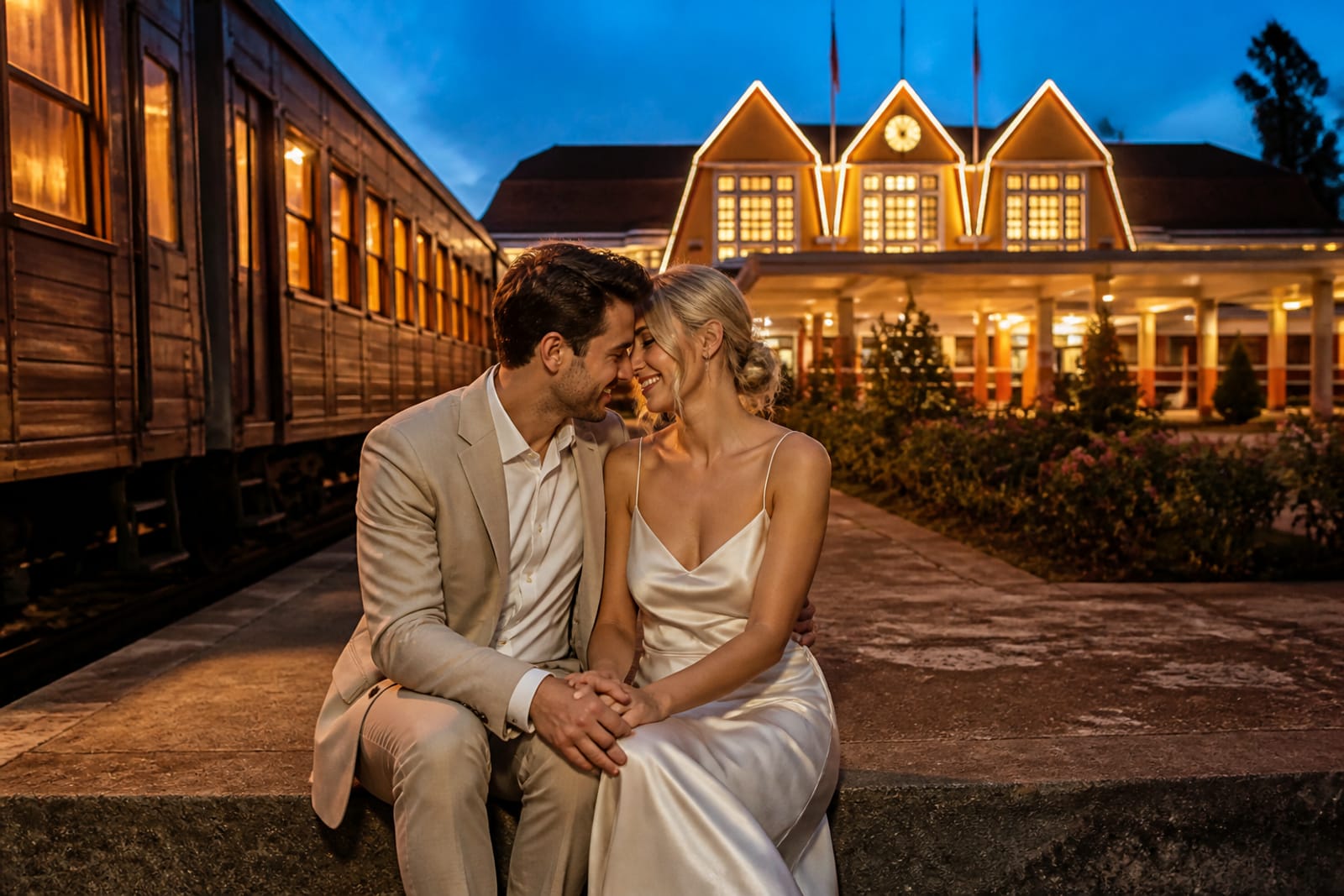
Da Lat Railway Station (Trạm Ga Đà Lạt) is a French colonial landmark built in 1938, now a heritage site managed by Vietnam Railways. Solo travelers and couples can photograph for personal use without a permit during opening hours; commercial shoots (pre-wedding, editorial, film production) require written permission from the station authority and possibly the District Department of Culture. Drones are banned outright at the station and within 1 km radius — this applies to all aerial work. Light is best in early morning (6:00–7:30 AM, soft gold on the platform) or late afternoon (4:00–5:30 PM, warm backlighting on the red-brick building); midday is harsh. The station closes for maintenance 1–2 days per month (dates vary). Cáo Studio – Makeup & Photoshoot does not operate in Da Lat; for a pre-wedding photoshoot here, work with a local Hanoi-based coordinator or hire a licensed Da Lat photographer who knows current permit timelines (often 2–4 weeks). Check with the station on WhatsApp or visit in person before booking. ---
What permit do you need to shoot a pre-wedding at Da Lat Railway Station?
Personal photography (phone or camera) is free during opening hours. Commercial shoots—pre-wedding, engagement, or professional video—require a written permit from Trạm Ga Đà Lạt (station office) and approval from the Lâm Đồng Province Department of Culture and Information. Processing time is typically 2–4 weeks; start your application 6 weeks before your planned date. A local fixer or photographer familiar with Da Lat's bureaucracy can speed this up. Tourist visitors shooting for social media without a crew or tripod are rarely stopped, but claiming it's "not commercial" after the fact does not hold if you hire a professional photographer—you must apply for the permit beforehand. Wedding day coverage or engagement shoots are always classified as commercial work, so obtain written approval even if you're paying only your photographer, not the station.
📸 Book on WhatsApp — pre-wedding photoshoot
Why are drones completely banned at Da Lat Railway Station?
Da Lat Railway Station sits on a protected heritage site within a 1 km no-fly radius enforced by Vietnam's Civil Aviation Authority. Aerial views of the station, platform, or surroundings—whether using a drone, aircraft, or remote camera—are illegal and carry fines and equipment confiscation. The ban covers tourists, photographers, and film crews equally. If your initial plan included drone footage for a wedding video or aerial couple shots, pivot to ground-level compositions using the station's elevated terraces, the platform's length for perspective, and the surrounding pine forest for layered backgrounds. Wedding & pre-wedding video crews often work around drone restrictions by using elevated ground positions, telephoto lenses from outside the 1 km zone, or shooting at neighboring landmarks (Thien Vuong Pagoda, Thap Ga ruins) instead. Do not attempt to fly a drone "just above the trees" or "outside the marked area"—the entire station complex is off-limits.
What time of day and season offer the best light for a Da Lat Railway Station shoot?
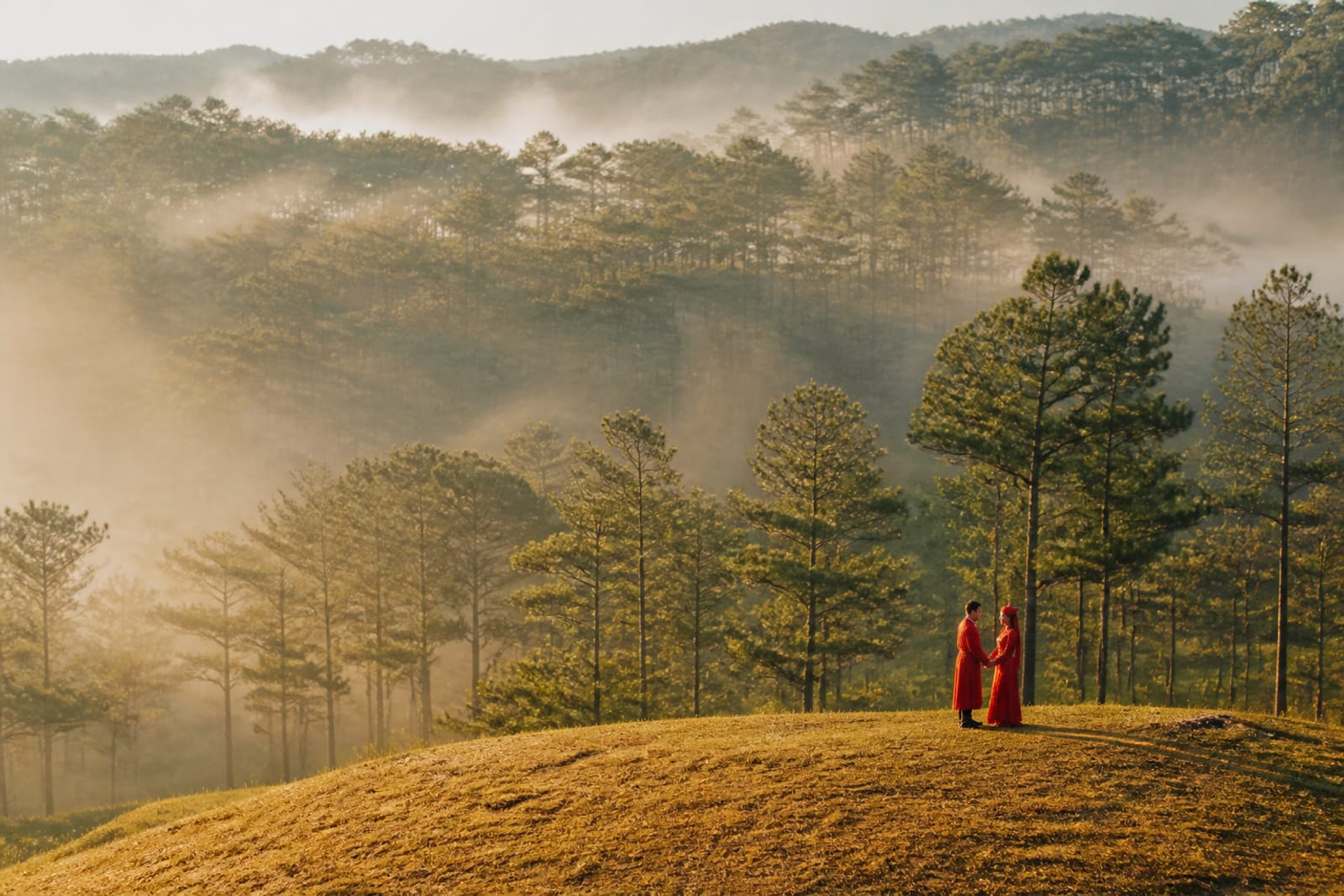
Season: December–April (dry season, cool and clear) is ideal; May–November brings afternoon showers and mist that hide the station's red-brick details. January–February mornings are coldest (7–15°C) but offer crisp, cloud-free light. Late November and early December sometimes see wildflowers (hoa dã quỳ) blooming near the station grounds, adding texture to couple shots.
Time of day:
- 5:30–7:00 AM: Softest light; the sun grazes the platform from the east, turning the French colonial facade amber-gold. Shadows are long and flattering for portraits. Station staff arrive around 6:00 AM, so arrive early or coordinate with your permit.
- 10:00 AM–3:00 PM: Harsh overhead sun, strong shadows under the platform canopy, difficult for couple shots in open areas.
- 4:00–5:30 PM: Second golden window; the sun is lower and warmer, backlighting creates rim-light halos on hair and clothing. The station's western wall glows red.
Bring a reflector or light-colored umbrella to bounce fill light onto faces in shadowed alcoves. If rain is forecast, shoot under the platform roof or the station's interior arches—the French colonial iron girders frame nicely.
Should you hire a local Da Lat photographer or book Cáo Studio?
| Option | Best for | What to check | Cost factor |
|---|---|---|---|
| Local Da Lat photographer | Permits, same-day turnaround, local knowledge | Portfolio with heritage-site shoots; permit experience; real phone number and reviews | Permit processing (unpaid overhead), travel within Da Lat, editing time |
| Cáo Studio (Hanoi-based) | Makeup, styling, ao dai rental, full pre-wedding package elsewhere | Experience outside Da Lat; travel from Hanoi; whether they can coordinate a local partner | Hanoi base; travel to Da Lat 7–8 hours; makeup & hair on-site (added value) |
| Friend's contact or tourist-guide photographer | Budget option, casual vibe | No reviews, unclear on permits, often phone-only contact | Lowest fee; highest permit and legal risk |
Why Da Lat locals excel: They understand the current permit pathway, know which staff members to contact, and have shot heritage sites before. A photographer based in Da Lat can often expedite approvals and adapt if weather shifts your timing.
Why Cáo Studio adds value: If you're booking a multi-location pre-wedding photoshoot across Hanoi and Da Lat, or want professional makeup and hair at your hotel beforehand, Cáo Studio's Hanoi team can coordinate with a vetted local partner in Da Lat, ensuring consistent editing style and a seamless timeline. You avoid juggling two separate photographers.
Hybrid approach: Book Cáo Studio for makeup, ao dai fitting, and Hanoi shots 1–2 days before your Da Lat trip; hire a local Da Lat photographer for the station shoot. This splits risk and cost.
What should you check with the station before finalizing your shoot date?
- Permit status: Contact the station office directly (visit in person if possible) or ask your photographer to confirm the current application process. Requirements can shift; a permit approved in March may follow different rules by September.
- Opening hours: The station is open for visitors typically 6:00 AM–5:00 PM daily, but holiday closures or maintenance shutdowns (1–2 days per month) can block access. Check the Vietnam Railways website or call ahead.
- Entrance fee: A small entry ticket is required to access the platform and main building. Current price varies; ask your photographer or the station staff on arrival.
- Crowd levels: Weekday mornings are quieter; weekends and Tet (late January–mid February) are crowded. Book your shoot on a quiet day if you want clear backgrounds.
- Clothing and props: Confirm that your ao dai, wedding dress, or props are permitted on the platform. Some heritage sites restrict certain attire or require notification. The station staff are generally permissive, but ask.
- Weather backup: Da Lat's afternoon mists and occasional rain are common even in the dry season. Have a rain date in mind or an indoor alternative (the station's interior, Dalat Flower Gardens, Thien Vuong Pagoda).
- Caretaker or security contact: Ask your photographer to introduce themselves to the on-site caretaker or security staff on the morning of the shoot. A brief, polite conversation avoids misunderstandings if someone calls to check.
See the lookbook for examples of heritage-site shoots in Southeast Asia; many follow the same permit logic.
What gear and outfit decisions affect your Da Lat station shoot?
Camera and lighting:
- Shoot on a tripod to free your hands and ensure sharp images; the station's red brick and colonial details reward technical precision.
- Bring a polarizing filter to cut glare off the platform's metal rails and brick.
- One off-camera flash or reflector is enough; the station's light is usually sufficient in early morning and late afternoon.
Attire:
- Ao dai or wedding dress in jewel tones (emerald, sapphire, burgundy) pop against red brick and grey platforms. Pale or pastel silks can blend into the sky.
- Groom or partner in a dark suit or traditional áo groom contrasts well. Avoid pure black if shooting in strong backlight; the silhouette flattens.
- Shoes: The platform has uneven surfaces and gravel. Wear comfortable footwear for walking; change into heels or formal shoes for portraits.
Layering: Da Lat is cool year-round; bring a shawl or light cardigan even in the dry season. It adds movement and texture to video and stills.
---
What to check before you book a Da Lat Railway Station shoot
- Permit timeline: Confirm with your photographer 8 weeks ahead. A 2–4 week approval window is tight if you discover the permit was never submitted.
- Photographer's heritage-site experience: Ask to see past work at Hoi An Ancient Town, Ha Long Bay heritage zones, or other protected landmarks. If they have no examples, they may not know the permit or access rules.
- Backup location: The station may close unexpectedly for maintenance or an event. Ask your photographer about Plan B (Thien Vuong Pagoda, Thap Ga ruins, or Dalat Flower Gardens nearby).
- Drone exclusion: If your brief mentions "aerial couple shots" or "drone video," remove it immediately and rephrase using ground-level techniques.
- Makeup and hair logistics: If you're getting makeup and hair at your hotel in Da Lat on the morning of the shoot, allow 90 minutes travel time from the city center to the station if traffic is heavy.
- Local language: Your photographer should be able to communicate with station staff and permit authorities in Vietnamese. An English-only photographer may miss nuances in verbal confirmations.
---
FAQ
Can I photograph at Da Lat Railway Station without a permit?
Yes, for personal use (phone or camera, no crew, no tripod). Commercial shoots (pre-wedding, professional photographer, video) require a written permit from the station and provincial culture authority. Processing takes 2–4 weeks. Tourist photos for social media are usually tolerated if you're alone; the moment you hire a photographer, you need formal approval.
What happens if I fly a drone near Da Lat Railway Station?
Drones are banned within a 1 km radius enforced by Vietnam's Civil Aviation Authority. You face fines and equipment confiscation. Aerial footage is illegal regardless of altitude or distance outside the marked zone. Stick to ground-level shots or hire a photographer experienced in heritage-site restrictions.
Is early morning or late afternoon better for a pre-wedding shoot at the station?
Both are excellent; early morning (5:30–7:00 AM) offers softer, gold-toned light on the French colonial facade, while late afternoon (4:00–5:30 PM) provides warm backlighting and rim-light effects. Morning is quieter and cooler; afternoon may have brief showers even in the dry season. Avoid midday (10:00 AM–3:00 PM) due to harsh shadows.
Should I hire a Da Lat photographer or coordinate with Cáo Studio?
A local Da Lat photographer knows permit pathways and the current bureaucracy, offering faster approval and same-day availability. Cáo Studio (Hanoi-based) adds value if you want professional makeup, ao dai rental, or multi-location pre-wedding coverage; they can coordinate with a vetted local partner in Da Lat, ensuring consistent style and timing.
What should I wear for a shoot at the station?
Ao dai or wedding dress in jewel tones (emerald, sapphire, burgundy) contrast beautifully against red brick. Layer with a shawl for texture and warmth—Da Lat is cool year-round. Wear comfortable shoes for walking the platform and gravel; change into heels or formal footwear for seated portraits. Avoid pale silks that blend into the sky.
When is the best season for a Da Lat Railway Station shoot?
December–April (dry season) offers clear, cool light and minimal rain. January–February is coldest (7–15°C) and crispest. May–November brings afternoon showers and mist that obscure details. Late November and early December sometimes feature wildflowers (hoa dã quỳ) near the station grounds, adding visual interest to couple shots.
FAQ
Can I photograph at Da Lat Railway Station without a permit?
Yes, for personal use (phone or camera, no crew, no tripod). Commercial shoots (pre-wedding, professional photographer, video) require a written permit from the station and provincial culture authority. Processing takes 2–4 weeks. Tourist photos for social media are usually tolerated if you're alone; the moment you hire a photographer, you need formal approval.
What happens if I fly a drone near Da Lat Railway Station?
Drones are banned within a 1 km radius enforced by Vietnam's Civil Aviation Authority. You face fines and equipment confiscation. Aerial footage is illegal regardless of altitude or distance outside the marked zone. Stick to ground-level shots or hire a photographer experienced in heritage-site restrictions.
Is early morning or late afternoon better for a pre-wedding shoot at the station?
Both are excellent; early morning (5:30–7:00 AM) offers softer, gold-toned light on the French colonial facade, while late afternoon (4:00–5:30 PM) provides warm backlighting and rim-light effects. Morning is quieter and cooler; afternoon may have brief showers even in the dry season. Avoid midday (10:00 AM–3:00 PM) due to harsh shadows.
Should I hire a Da Lat photographer or coordinate with Cáo Studio?
A local Da Lat photographer knows permit pathways and the current bureaucracy, offering faster approval and same-day availability. Cáo Studio (Hanoi-based) adds value if you want professional makeup, ao dai rental, or multi-location pre-wedding coverage; they can coordinate with a vetted local partner in Da Lat, ensuring consistent style and timing.
What should I wear for a shoot at the station?
Ao dai or wedding dress in jewel tones (emerald, sapphire, burgundy) contrast beautifully against red brick. Layer with a shawl for texture and warmth—Da Lat is cool year-round. Wear comfortable shoes for walking the platform and gravel; change into heels or formal footwear for seated portraits. Avoid pale silks that blend into the sky.
When is the best season for a Da Lat Railway Station shoot?
December–April (dry season) offers clear, cool light and minimal rain. January–February is coldest (7–15°C) and crispest. May–November brings afternoon showers and mist that obscure details. Late November and early December sometimes feature wildflowers (hoa dã quỳ) near the station grounds, adding visual interest to couple shots.
Ao dai, makeup, hair and a local photographer in Hanoi or Saigon — one WhatsApp message.