/pre-wedding-photoshoot
Pre-wedding photoshoot Thanh Ha pottery village, Hoi An: guide
Thanh Ha pottery village, 15 minutes south of Hoi An's Ancient Town, is a working artisan settlement where traditional wheel-thrown ceramics define every frame—narrow brick lanes, kiln-fired clay walls, and soft morning or late-afternoon light create intimate, textured backdrops. A pre-wedding shoot here typically runs 2–3 hours (exact timing confirmed on WhatsApp), starting early to avoid midday heat and coach crowds, and requires an entrance ticket (check the official site for current price). You'll walk uneven cobblestone paths in wedding attire, so comfortable shoes under an ao dai and a backup outfit for climbing are essential. Cáo Studio – Makeup & Photoshoot has shot here hundreds of times: we know which kilns photograph best, when the potters work (best energy 7–9 a.m. and 3–5 p.m.), and how to frame you without obstructing artisans' livelihoods. The main trap is arriving midday in peak season (Feb–Apr), when the village floods with tour groups and light flattens; booking a photographer who scouts dawn or dusk sessions and pre-negotiates potter access transforms a crowded landmark into a personal, storytelling space. ---
Why Thanh Ha pottery village beats generic Hoi An locations?
Thanh Ha works because every surface—terracotta, clay dust, wooden kilns, stacked pottery—is a natural light reflector and colour echo for ao dai or Western wedding wear. Tourist-heavy spots like Hoi An's covered bridge and Assembly halls fill with phone cameras from 8 a.m. onward, forcing you into crowds or flat midday light. Here, the artisans themselves become your scene: potters at wheels, children carrying clay, kilns releasing smoke—these authentic moments frame you within real work, not a frozen backdrop. Light quality matters most: February–April mornings bring soft, directional gold that sculpts faces without harsh shadows; May–August requires sunrise (around 5:30 a.m.) because by 8 a.m. the sun burns overhead. The cobblestones and narrow alleys also allow fluid movement—no open plaza stiffness—so your photographer can capture in-motion intimacy: walking hand-in-hand through a kiln corridor, pausing to watch a potter, exchanging a glance framed by clay walls.
📸 Book on WhatsApp — pre-wedding photoshoot | 🌸 See the lookbook
What outfit and footwear work best in the pottery village?
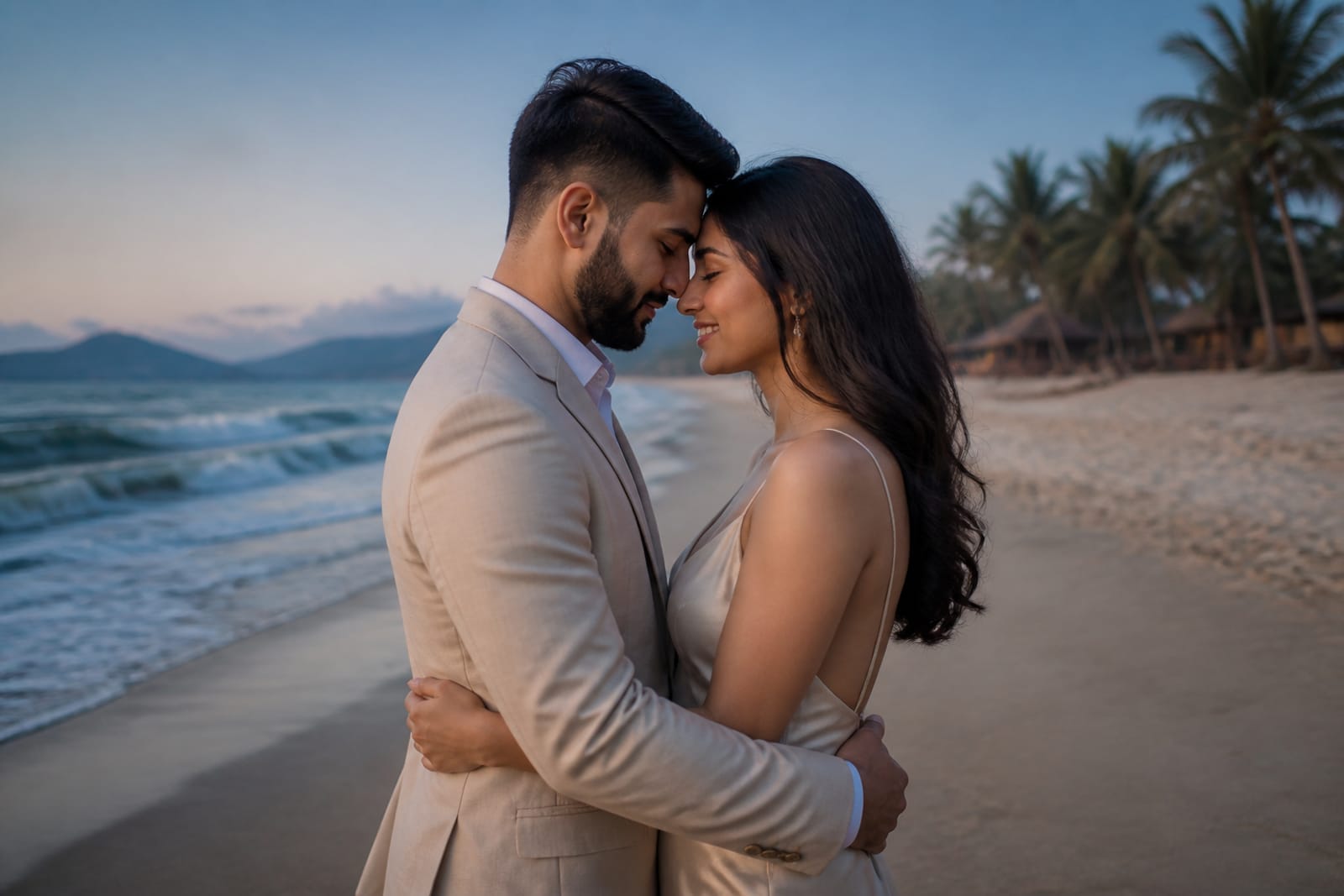
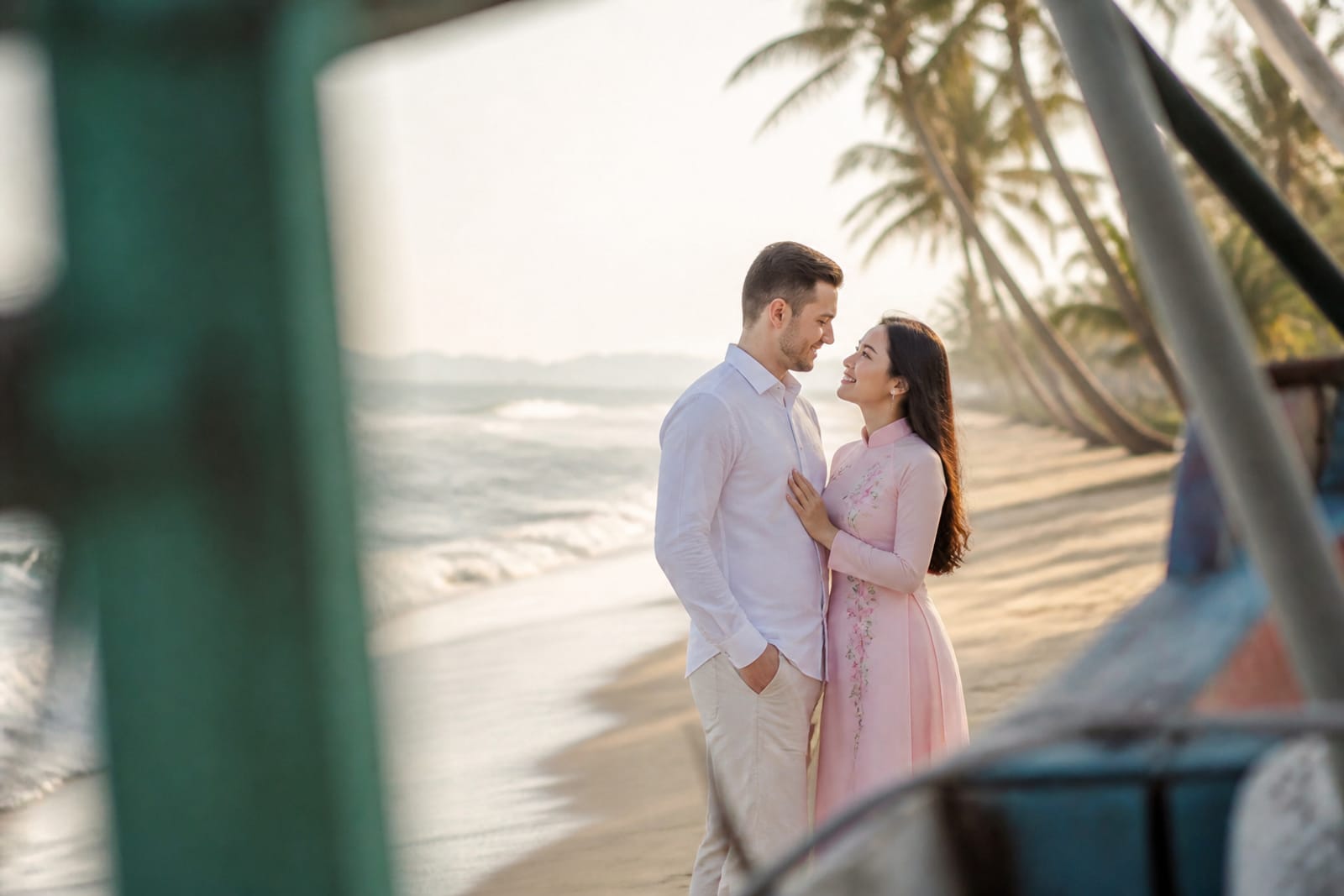
Thanh Ha is a working village, not a theme park: respectful dress matters. An ao dai is ideal—traditional, photogenic, and culturally rooted—but the village's uneven paths challenge bare feet or rigid Western bridal heels. Wear flat or low-heeled shoes (leather sandals, embroidered slippers, or flats) that slip off for photos but protect your feet while walking. If you choose a Western gown, ask your photographer to scout a few level zones in advance; many couples bring a second outfit (linen trousers, a flowing tunic, or casual-elegant separates) for movement-heavy segments, then change for formal frames near kilns or archways. Avoid pure white—pottery dust is omnipresent and reads orange-brown on film; ivory, cream, blush, or jewel tones photograph richer here. Grooms benefit from linen or cotton suits in neutral shades and breathable fabrics: May–August heat can exceed 35°C, and standing under a kiln arch in polyester is miserable. Bring a scarf or shawl if your ao dai is sleeveless; village artisans are often elders, and modest coverage is respectful. The photographer should carry a soft brush and hand-steamer—pottery clay clings to fabric, and a quick touch-up between locations keeps you photogenic without breaking the scene's mood.
Which season and time of day gives the best light and fewest crowds?
Hoi An's dry months (February–April) coincide with Thanh Ha's coolest temperatures and greenest surroundings, making them ideal for pre-wedding shoots—mornings are misty until 7 a.m., then clear into crisp, golden light by 8–9 a.m. March is peak: mild, low-humidity, rice fields beside the village turning jade-green. Late March into April stays dry; by early May, humidity rises and afternoon clouds thicken. May–August is technically dry in central Hoi An, but the midday sun reaches 35°C+; sunrise shoots (5:30–6 a.m.) are mandatory, meaning a pre-dawn hotel pickup and only 90 minutes of usable light before heat and tour buses arrive. September–December is Hoi An's rainy season; October–November sees typhoon risk and flooding in the Ancient Town (Thanh Ha sits higher, so less flooding risk, but overcast skies make colour and depth flat). December–January is cool and often drizzly; light is soft but weak, requiring slower camera settings or a second flash assistant. Weekday mornings (Tuesday–Thursday, 6–8 a.m.) have far fewer visitors than weekends and holidays; if your shoot date must be Saturday, negotiate a 5:30 a.m. start with your photographer so you finish by 8:30 a.m., before school groups and tour coaches arrive.
What logistical challenges should you anticipate and how to avoid them?
The main hazard is uneven terrain: cobblestones shift unpredictably, especially after rain, and narrow lanes leave no room for a bridal train to spread without dragging through dust. Wear supportive footwear while walking between kilns; your photographer should scout the route beforehand and flag slippery zones (often near water troughs where potters rinse clay). Heat and hydration are critical in May–August: even at 6 a.m., by 7:30 a.m. you'll be sweating; bring a water bottle and electrolyte powder, and schedule a 10-minute shade break every 45 minutes—kilns offer shelter, and a brief pause lets makeup touch-ups and fabric resets happen without seeming rushed. Potter access and permissions matter: ethical photographers will not move potters' tools, interrupt wheel work, or stage fake labour for photos. If you want close-ups of hands working clay or kiln interiors, book a photographer who has existing relationships with resident artisans and can negotiate respectfully beforehand—Cáo Studio has shot here regularly and knows which families welcome photography during off-peak hours (7–9 a.m., 3–5 p.m.). Rain in Sep–Dec can create stunning wet-surface reflections and moody light, but puddles soak bridal wear and shoes; if rain is forecast, have a backup indoor location (Hoi An's Assembly halls, covered shop-house corridors) pre-agreed with your photographer, and carry a compact umbrella and microfibre towels for quick dry-offs between scenes.
| Season | Best for | Light & crowds | Key consideration |
|---|---|---|---|
| Feb–Apr | First choice | Sunrise soft, minimal crowds by 7 a.m. | Mild warmth, green rice fields; book 2–3 months ahead |
| May–Aug | Hot-weather couples | Sunrise-only shoots (5:30 a.m. start) | 35°C+ by 8 a.m.; heat exhaustion and makeup melt risk; requires early alarm and hydration plan |
| Sep–Dec | Avoid Oct–Nov | Rainy, overcast skies flatten colour; Oct–Nov typhoon risk | Soft morning light if dry, but flooding possible in low zones; puddles challenge gown hems |
| Dec–Jan | Moody aesthetic | Cool, drizzle-prone; weak light requires slow shutter | Fewer tourists but fewer potters at wheels; wear layers under ao dai |
How do you choose between a pottery-village shoot and other Hoi An pre-wedding options?
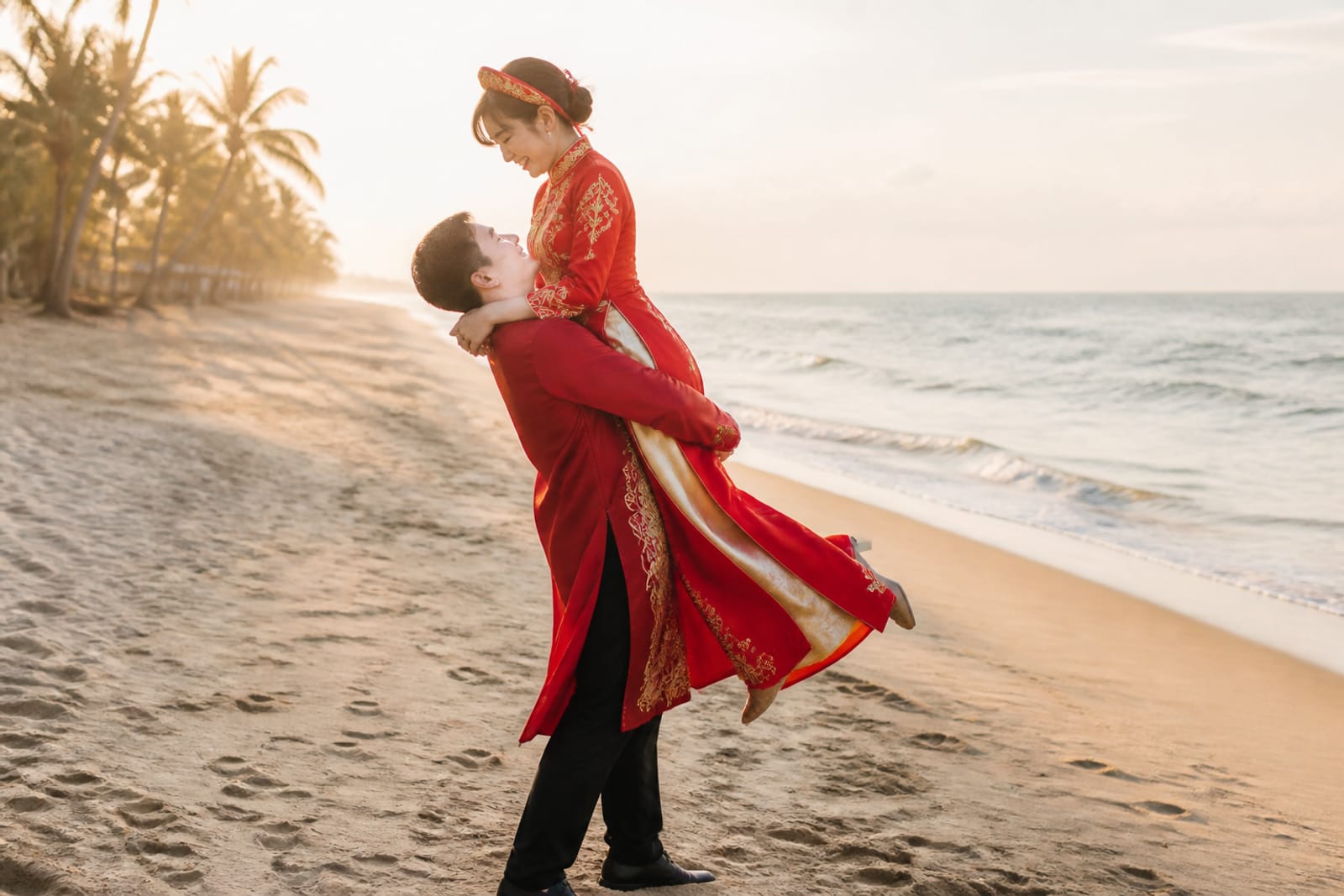
Thanh Ha suits couples drawn to artisan narratives, texture, and motion—you're not posing beside a monument, but moving through a living workspace. If you prefer serene, manicured backdrops (manicured gardens, calm water reflections, architectural symmetry), the Japanese Bridge or a riverside garden in Hoi An proper might suit you better. Hoi An Ancient Town itself—lantern-lit streets, yellow-ochre shopfronts, bridge reflections—offers iconic, recognizable frames but battles crowds from late morning onward; sunrise shoots there are quieter but less atmospheric without lanterns (lit at dusk). A couple photoshoot that mixes Thanh Ha morning with Ancient Town dusk maximizes both storytelling and iconic imagery, though it requires a full-day booking. If you're based in Hanoi and prefer nearby scenery, Cáo Studio Hanoi can advise on pre-wedding alternatives there; if you're in Ho Chi Minh City, Cáo Studio Saigon has curated shoots in rural and urban Saigon suburbs. Comparing: Thanh Ha works best if you value authenticity, texture, and a slower-paced narrative; if speed, iconic landmarks, and weatherproof indoor fallbacks are priorities, consult your photographer about a hybrid itinerary that includes 60–90 minutes in the pottery village and another location elsewhere in Hoi An.
💄 Makeup & hair at your hotel | 🌸 See lookbook & past shoots
What to check before you book a Thanh Ha pre-wedding shoot
- Photographer's Thanh Ha experience: ask how many shoots they've done here, which potters allow photography, and which hours they recommend. Cáo Studio – Makeup & Photoshoot can show Thanh Ha examples in our lookbook.
- Session inclusions: confirm what time you start, how many locations within the village, whether outfit changes are timed in, and how many edited photos you receive—ask for exact details on WhatsApp.
- Entrance ticket: check the official Thanh Ha website for current ticket pricing and opening hours; confirm your photographer will pay or expects you to buy on-site.
- Makeup & hair: if you want professional makeup, ask whether your photographer works with makeup artists or if makeup & hair at your hotel is booked separately beforehand. Cáo Studio includes this option.
- Backup plan: confirm your photographer's weather contingency—if rain hits, do you reschedule, shift to covered areas, or is there a full refund clause?
- Outfit prep: discuss footwear, second-outfit logistics, and whether the photographer will advise on ao dai fit, gown train management, or groom suit fabric weight for heat.
- Transportation: ask if your photographer arranges pickup from your Hoi An hotel or meeting point; Thanh Ha is 15 minutes south by motorbike or car, so transport time should be factored into start time.
- Model release & usage: confirm how your photos will be used (studio portfolio, social media, your personal files only) before the shoot day.
📸 Book on WhatsApp — Hoi An photoshoots | 💍 Pre-wedding & elopement packages
---
Thanh Ha pottery village + Hoi An: a complete pre-wedding itinerary
Many couples combine a Thanh Ha morning shoot with an afternoon or sunset return to Hoi An's Ancient Town or countryside. Start at 6:30 a.m. in the pottery village (minimal crowds, cool light, artisan energy), shoot for 90 minutes, break for refreshment and outfit change around 8:30 a.m., then drive back toward Hoi An by 10 a.m. for a second location (riverside, rice-field path, or covered assembly hall, depending on light and your energy). This avoids the crushing midday heat, maximizes two distinct aesthetics, and leaves you finished by early afternoon instead of exhausted at 5 p.m. If you want lantern light (iconic, romantic, but crowded), return to the Ancient Town after sunset (around 6:30 p.m. in spring, 6 p.m. in summer), when lanterns ignite and tourists thin out—this requires a full-day booking and is most sensible in Feb–Apr, when evening light is soft. Check with Cáo Studio about pre-wedding photoshoot multi-location day rates; ask on WhatsApp for exact options and how they compare to split-day bookings.
---
Internal reference: when to hire a videographer alongside your photographer
If you're considering wedding video alongside stills, a Thanh Ha shoot is visually rich: potters' hands, kiln smoke, your footsteps on cobblestones, cloth rustling, and ambient village soundscape make compelling B-roll. A photographer + videographer team can work efficiently here without crowding each other; the videographer captures ambient motion while the photographer poses you, then you move naturally while both crews react. Ask your photographer if they offer package deals with video or refer trusted videographers; confirm the videographer is comfortable with heat, uneven terrain, and respecting artisans' workspace.
---
FAQ
Is Thanh Ha pottery village accessible by car, or do we have to walk the entire route?
A car or motorbike can drop you at the village entrance; the working potter areas require walking narrow cobblestone lanes on foot. Most shoots cover 0.5–1.5 km of pathways. Wear supportive, low-heeled shoes and allow 10-minute breaks if you're in a heavy gown or suit.
Can we visit Thanh Ha on the same day as another Hoi An location, or does it need a separate booking?
Yes, you can combine Thanh Ha morning with an afternoon Hoi An location (Ancient Town, rice fields, riverside gardens). Confirm this is a full-day session when you book; ask on WhatsApp for multi-location pricing and exact timing so you're not rushing between sites.
What happens if it rains during our pre-wedding shoot?
Light rain can enhance moody, textured shots in the pottery village. Heavy rain or typhoon risk (Oct–Nov) makes cobblestones slippery and can flood low areas; ask your photographer about their weather contingency and whether they offer rescheduling or a covered backup location within Hoi An.
Do we need permission from the potters to photograph them, or should we hire a guide?
Ethical photographers should have existing relationships with artisans and will not stage or interrupt active work. A guide is optional but can add cultural context; ask your photographer if they work with a local guide or can recommend one. Cáo Studio has established access—ask on WhatsApp.
How much of our pre-wedding shoot budget should we expect to spend on Thanh Ha versus other locations?
Session cost depends on duration, number of locations, and outfit changes—these factors vary by photographer. Thanh Ha entrance ticket is a separate cost; ask the venue for current pricing. For package pricing and multi-location rate comparisons, contact Cáo Studio on WhatsApp.
Should we hire a makeup artist separately, or does Cáo Studio include makeup?
Cáo Studio's makeup & hair services are booked separately; confirm whether makeup is part of your pre-wedding package. If shooting at dawn or in heat, professional touch-up during breaks is worthwhile—ask on WhatsApp whether a makeup artist can join your shoot or meet you at a break location.
What time should we start a Thanth Ha shoot to avoid crowds and heat?
February–April: start 7–8 a.m. for soft light and minimal tour groups. May–August: start 5:30–6 a.m. (sunrise), as it exceeds 35°C by 8 a.m. September–December: start 7 a.m. if dry; if rain is forecast, coordinate a backup plan with your photographer beforehand.
FAQ
Is Thanh Ha pottery village accessible by car, or do we have to walk the entire route?
A car or motorbike can drop you at the village entrance; the working potter areas require walking narrow cobblestone lanes on foot. Most shoots cover 0.5–1.5 km of pathways. Wear supportive, low-heeled shoes and allow 10-minute breaks if you're in a heavy gown or suit.
Can we visit Thanh Ha on the same day as another Hoi An location, or does it need a separate booking?
Yes, you can combine Thanh Ha morning with an afternoon Hoi An location (Ancient Town, rice fields, riverside gardens). Confirm this is a full-day session when you book; ask on WhatsApp for multi-location pricing and exact timing so you're not rushing between sites.
What happens if it rains during our pre-wedding shoot?
Light rain can enhance moody, textured shots in the pottery village. Heavy rain or typhoon risk (Oct–Nov) makes cobblestones slippery and can flood low areas; ask your photographer about their weather contingency and whether they offer rescheduling or a covered backup location within Hoi An.
Do we need permission from the potters to photograph them, or should we hire a guide?
Ethical photographers should have existing relationships with artisans and will not stage or interrupt active work. A guide is optional but can add cultural context; ask your photographer if they work with a local guide or can recommend one. Cáo Studio has established access—ask on WhatsApp.
How much of our pre-wedding shoot budget should we expect to spend on Thanh Ha versus other locations?
Session cost depends on duration, number of locations, and outfit changes—these factors vary by photographer. Thanh Ha entrance ticket is a separate cost; ask the venue for current pricing. For package pricing and multi-location rate comparisons, contact Cáo Studio on WhatsApp.
Should we hire a makeup artist separately, or does Cáo Studio include makeup?
Cáo Studio's [makeup & hair](/makeup-and-hair) services are booked separately; confirm whether makeup is part of your pre-wedding package. If shooting at dawn or in heat, professional touch-up during breaks is worthwhile—ask on WhatsApp whether a makeup artist can join your shoot or meet you at a break location.
What time should we start a Thanth Ha shoot to avoid crowds and heat?
February–April: start 7–8 a.m. for soft light and minimal tour groups. May–August: start 5:30–6 a.m. (sunrise), as it exceeds 35°C by 8 a.m. September–December: start 7 a.m. if dry; if rain is forecast, coordinate a backup plan with your photographer beforehand.
Ao dai, makeup, hair and a local photographer in Hanoi or Saigon — one WhatsApp message.