/ao-dai-photoshoot
Traditional Vietnamese wedding elements for Vung Tau photos
Traditional Vietnamese wedding elements—ao dai, embroidered sashes, temple blessings, lanterns and family rituals—work best in Vung Tau during the dry season (December–April) when light is soft and skies clear by mid-morning. A dedicated team (photographer, makeup artist, stylist) books in a single session, arriving with your chosen ao dai or rental pieces, handling on-location hair and makeup, and shooting in real light at spots like Tien Thien Pagoda or the waterfront before crowds peak. The key is directing movement—walking, turning toward each other, exchanging rings—rather than posing stiffly at landmarks. Cáo Studio shoots couple and family sessions in Hanoi and Ho Chi Minh City; for Vung Tau, ask on WhatsApp about availability and to connect with a vetted local photographer who understands traditional framing and can deliver edited frames within 48 hours. ---
Does Vung Tau's season affect how traditional elements photograph?
Vung Tau's dry season (December–April) offers consistent, predictable light. Morning shoots capture soft side light that flatters ao dai fabric and reveals the detail in embroidery without harsh shadows. Midday glare washes out skin tone and flattens the silks—avoid 11 am to 2 pm unless you're shooting in shade near temples or under covered markets. The wet season (May–November) brings afternoon downpours that close some temple access and cloud the sky; light becomes diffuse and dull, which suits moody couple shots but limits the vibrant color range traditional attire needs. Vung Tau fills with Saigon day-trippers on weekends year-round, crowding the Tien Thien Pagoda waterfront by 10 am. Book an early morning slot during the dry season for the clearest, fastest light and fewest bystanders.
---
What traditional elements work best on film versus in person?
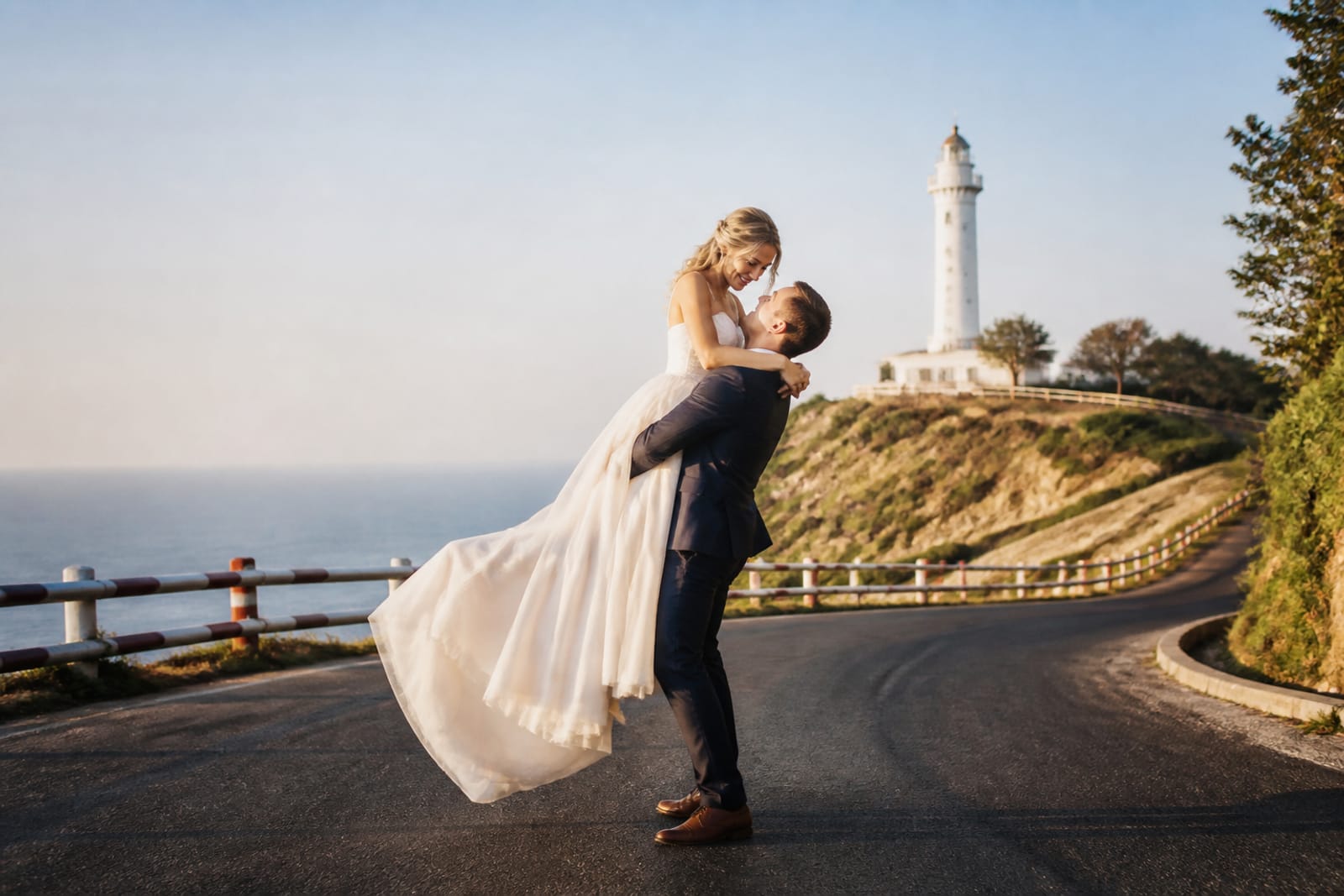
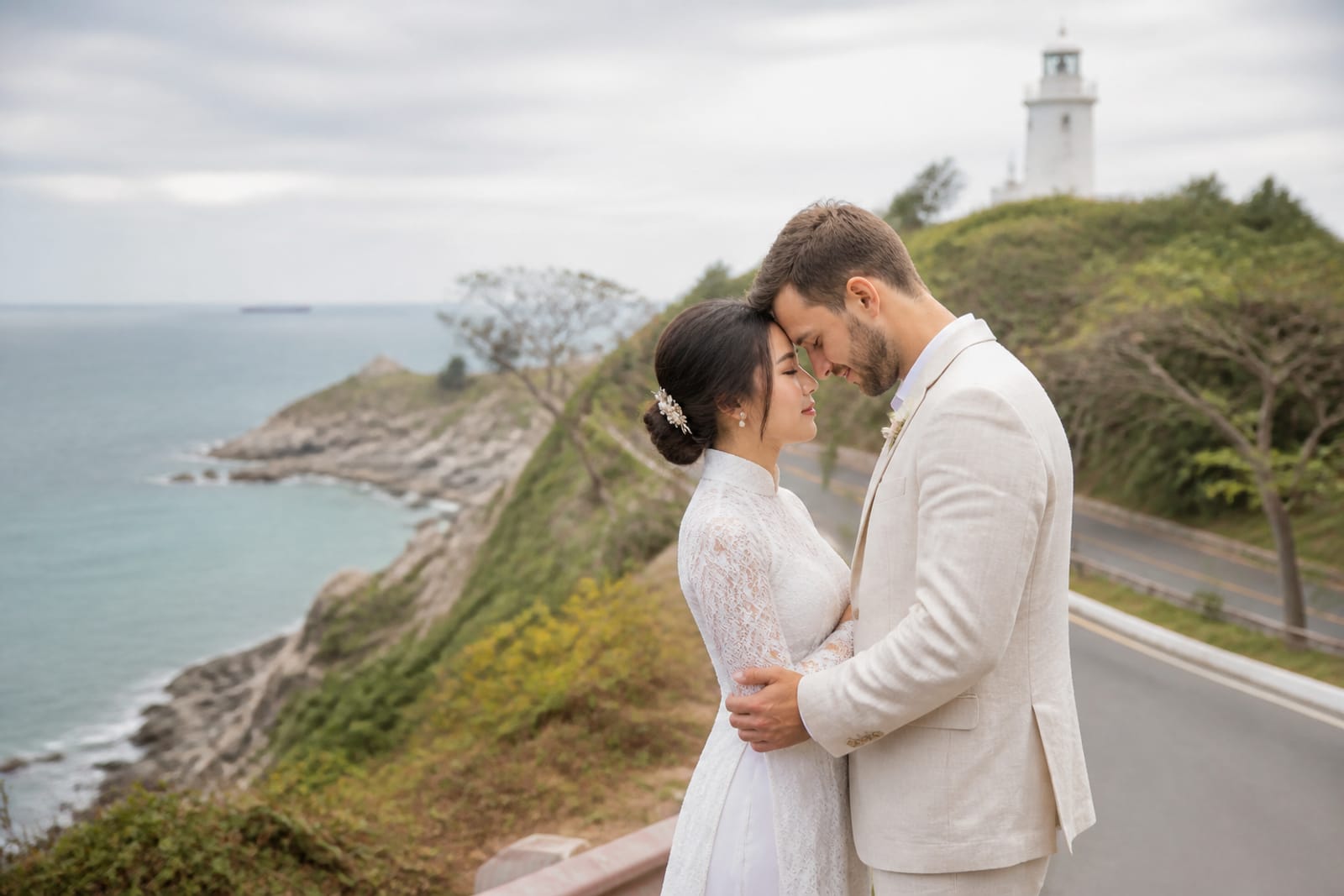
Three core elements translate powerfully: ao dai (the motion of silk, the fit through the frame), temple rituals (incense, candlelight, architectural geometry), and intimate gestures (hands exchanging rings, foreheads touching, walking side by side). Family blessings and multi-generational groups work if the photographer plans wide shots first to capture everyone, then medium and detail frames for emotion. Elaborate ceremonial props (trays, candles, altar arrangements) often clutter the frame and distract from the subject—keep them as context, not the focal point. Embroidered sashes and jewelry read better in close-up or medium frames where the texture is visible; full-length shots from 10 feet lose the detail. Avoid staging moments that don't happen naturally—a director watches for the real embrace, the real laugh, then frames it, rather than asking subjects to "stand here and hold that expression." The strongest traditional shoots pair one or two recognizable elements (ao dai + temple light, or rings + lantern glow) with genuine human connection, not with a checklist of decorations.
---
How do you choose between a couple photoshoot and a pre-wedding session for Vung Tau?
A couple photoshoot is a half-day to full-day session built for two people in real light—ideal for engagements, anniversaries or elopements where you want frames that feel unguarded and cinematic. It pairs well with a single ao dai outfit or two complementary pieces (bride and groom in silk). A pre-wedding photoshoot typically spans two days or multiple locations, allowing for outfit changes (ao dai, Western dress, casual beach wear) and narrative flow—more ambitious, more editing work, longer delivery. For Vung Tau's limited geography and strong light windows, a full-day couple shoot often delivers enough variety (temple, waterfront, street detail, portrait close-ups) without the logistics of a second day. If you're traveling from abroad and have one afternoon, a couple shoot with makeup and hair on-site is faster and simpler. Choose a couple shoot if you have a clear aesthetic and one outfit; choose pre-wedding if you want to tell a longer story across multiple locations or outfits.
| Approach | Best for | Time & outfits | Season/light | Right if… |
|---|---|---|---|---|
| Couple photoshoot | Engagement, anniversary, elopement | 4–8 hours, 1–2 ao dai | Dry season (Dec–Apr), shoot 6–8 am or 4–6 pm | You want cinematic frames in one session, tight budget |
| Pre-wedding shoot | Narrative album, multiple looks | 2+ days, 3+ outfits (ao dai, Western dress, casual) | Dry season for variety; plan 2–3 weeks lead time | You're building a visual story, have time and vision for editorial flow |
| Family photoshoot | Multi-generational blessing, group portrait | 2–4 hours, traditional attire for all | Dry season; morning (6–9 am) for temple light | Family or extended group, want everyone in frames with tradition honored |
---
What do you actually need to arrange before booking a Vung Tau photoshoot?
First, confirm your photographer can travel to Vung Tau and has worked in natural light at temples and waterfront (a WhatsApp conversation with their portfolio is essential—ask to see frames from their last three Vung Tau or similar coastal shoots, not just studio work). Second, decide on ao dai: rent locally in Ho Chi Minh City or Vung Tau town (cheaper, quick turnaround but limited fitting time), have your own garment (ideal but requires careful packing), or book a makeup and hair team that includes styling and can coordinate a rental. Third, pick your time window within the dry season window and book at least two weeks ahead if traveling internationally; Vung Tau fills fast on weekends. Fourth, confirm what's included: edited digital files only, or do you want prints, an album or a short video clip? Ask your photographer for delivery timeline (Cáo Studio's standard is 48 hours for edits; ask locally based shooters for their typical turnaround). Fifth, plan outfit logistics—if you're traveling with an ao dai, pack it flat in a suit bag; if renting, arrange a fitting one day before the shoot or confirm rental shop hours so you collect it the morning of. Don't leave ao dai fitting, location confirmation or photographer communication until the week of the shoot—light windows and temple access wait for no one.
---
How should you direct movement in traditional-element shoots to avoid stiff poses?
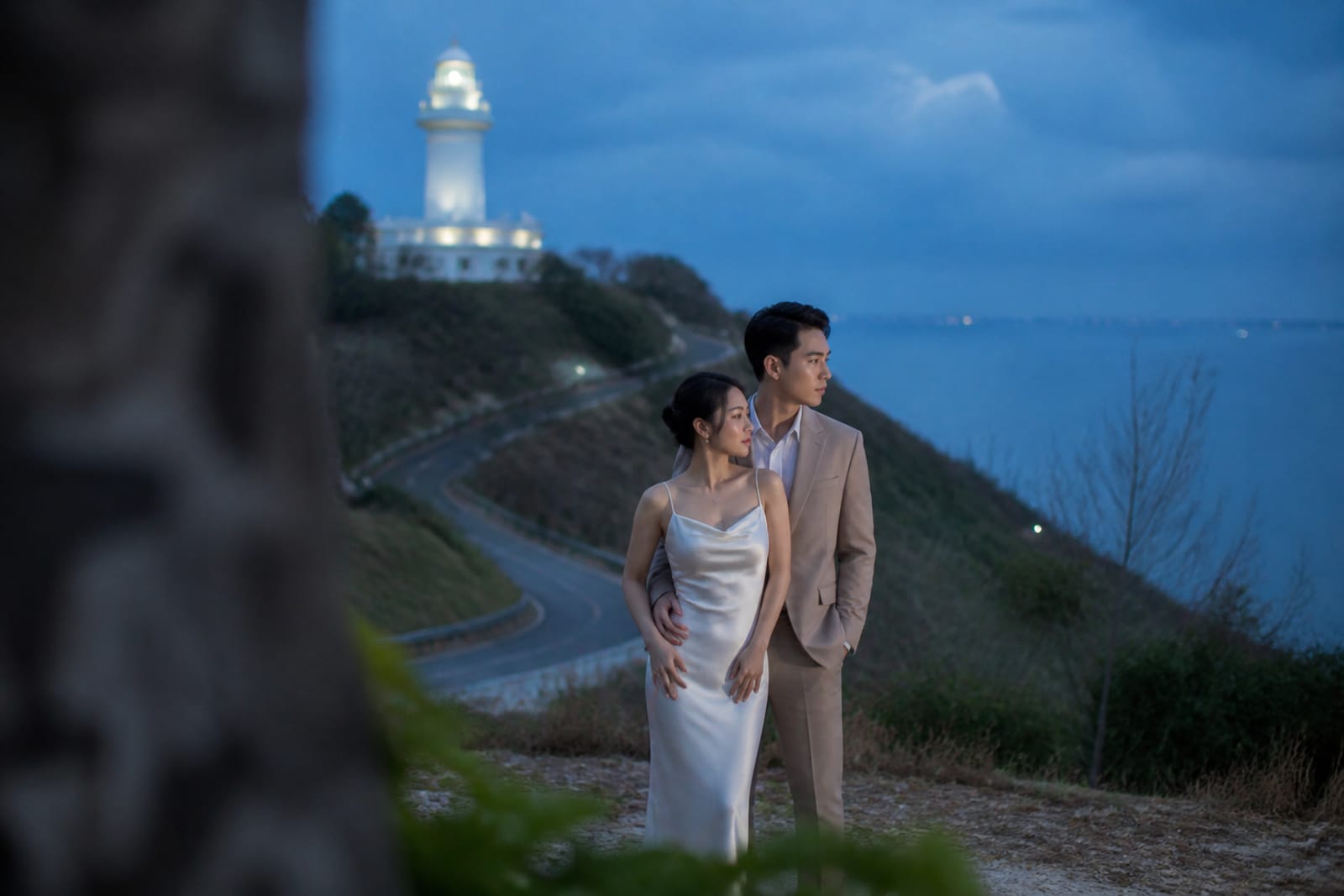
The difference between a posed shot and a directed frame is motion and intention. Rather than "stand here and smile," a director says: "Walk toward the temple door; I'll shoot as you reach it, with the light catching the embroidery." Motion—walking, turning, exchanging an object—feels natural and fills the frame with energy. Temple rituals inherently guide movement: lighting incense, bowing, turning to face each other. Use these as choreography, not a list of moments to tick off. Have your photographer shoot wide first (both of you in the space, light and architecture framing), then move closer for medium frames (shoulders up, connection visible), then detail (hands, rings, fabric folds). Avoid asking subjects to look at the camera in traditional shoots—instead, direct them to look at each other, or out toward the water, or down at their hands. Lantern shots work best when you're walking past the lantern, not standing beside it posing; the photographer shoots as you move, capturing the lantern's light on your face mid-step. A good director frames real moments—the laugh, the glance, the walk—rather than staging expressions. Cáo Studio's team (photographer, makeup artist, stylist) works as one unit, so the photographer is already familiar with your movement and framing as you change outfits or locations, not playing catch-up to three separate vendors.
---
What to check before you book
- Photographer's Vung Tau portfolio: Ask to see 15–20 recent frames from couple or wedding sessions in coastal light, ideally at temples or similar architecture. Stock photos or generic beach shots don't show skill in traditional framing.
- Ao dai fit and styling: If renting, confirm fitting happens the day before or morning of (not two weeks prior). If bringing your own, pack flat in a garment bag and plan a 30-minute steam-and-check before the session.
- Season and light window: Book during December–April for clear skies and soft morning light. Confirm your shoot time (6–8 am or 4–6 pm) is locked in at least one week ahead—light windows don't shift.
- Makeup and hair coordination: If your photographer doesn't include on-site makeup, book a separate team and confirm they've worked with ao dai and temple lighting before. Mention traditional elements so they can plan durability (sweat, temple humidity, movement).
- Delivery and file format: Ask for edits in 48 hours, file count, and whether you get unedited RAW files or edited JPEGs only. Clarify if prints, albums or video are extra.
- Weather backup: Confirm your photographer's policy if weather closes temples or creates unsafe conditions (rescheduled date, partial refund, or pivot to covered locations).
---
📸 Book on WhatsApp — ao dai photoshoot
---
Can Cáo Studio shoot in Vung Tau?
Cáo Studio is based in Hanoi with a Saigon team and does not currently operate a Vung Tau branch. However, you can reach out on WhatsApp to ask about Saigon-based photographer referrals or occasional Vung Tau availability; the studio has worked with vetted local creators for destination shoots. For a guaranteed session with Cáo Studio's full team (photographer, makeup artist, stylist in one booking), book a couple photoshoot or family photoshoot in Hanoi or Ho Chi Minh City, or ask about Hoi An dates on WhatsApp.
---
---
Planning a Vung Tau shoot on your own: How to find and brief a local photographer
If you're sourcing a photographer directly in Vung Tau, start with Instagram hashtags (#vungtauphotography, #vungtauwedding) and check 2–3 creator portfolios for depth in natural light and traditional framing (not just filters or generic poses). Message them with a clear brief: "Couple shoot, ao dai, temple and waterfront, dry season morning light, 48-hour edit turnaround." Ask for a quote that specifies file count, delivery format and any hidden costs (travel time, permit fees, overtime). Confirm they've worked with traditional Vietnamese attire and temple ritual before; if not, consider booking makeup and hair separately so you have both expert eyes on styling and framing. Always request a contract or written confirmation of date, time, location, deliverables and payment—nothing verbal. Budget for logistics: ao dai rental or transport of your own garment, makeup/hair (if separate), entry to any paid temple areas, and snacks/water for the team. Never agree to "Instagram-ready photos"—instead, ask for "edited digital files in a consistent color grade, delivered within 48 hours," which is measurable and honest.
---
---
FAQ
Is December or January the best month to shoot traditional elements in Vung Tau?
Both are ideal—dry, cool, clear skies. December has slightly more consistent light and fewer crowds than January (when Tet nears and Saigon day-trippers peak). Book either month at least two weeks ahead; morning or late-afternoon time slots fill fastest.
Can we wear our own ao dai, or should we rent in Vung Tau?
Either works. Renting in Vung Tau town or Ho Chi Minh City is faster and cheaper but offers limited fitting time (usually same-day or next-day pickup). Bringing your own garment lets you ensure fit and test it for comfort; pack flat in a garment bag and plan a 30-minute steam before the shoot. Confirm with your photographer if they coordinate rental or if you source it independently.
Do temple shoots require a permit or permission in Vung Tau?
Most temples (Tien Thien Pagoda, Ba Vung Tau) allow photography for personal use without formal permits. Check entry rules when you confirm your photographer—some temples request modest dress or limited access during prayer times. Never shoot at an altar without asking the monks or caretakers first.
How long does a typical couple photoshoot in Vung Tau take with makeup and hair included?
Roughly 6–8 hours from first makeup to final shots. Makeup and hair on-site takes 60–90 minutes; travel to two locations and shooting takes 4–5 hours; breaks and outfit changes add time. Confirm your photographer's schedule in advance so you're not rushed through changing or waiting.
What if weather ruins our Vung Tau shoot day?
Ask your photographer's weather policy before booking. Most offer a rescheduled date (within 30 days) at no extra cost, or a partial refund. Afternoon downpours are common May–November; if you're shooting then, plan an indoor backup (colonial hotel lobby, covered market, studio). Confirm this in writing before you pay.
Should we hire a videographer separately, or can the photographer do both?
Some photographers offer video add-ons (usually a short 2–3 minute clip, not full ceremony coverage). If you want cinematic video alongside stills, clarify deliverables and ask to see examples. Wedding and pre-wedding video often requires a dedicated crew; bundling it with stills can compromise both. Discuss with your photographer's package or ask on WhatsApp for Cáo Studio's video options if you're considering a Hanoi or Saigon shoot instead.
FAQ
Is December or January the best month to shoot traditional elements in Vung Tau?
Both are ideal—dry, cool, clear skies. December has slightly more consistent light and fewer crowds than January (when Tet nears and Saigon day-trippers peak). Book either month at least two weeks ahead; morning or late-afternoon time slots fill fastest.
Can we wear our own ao dai, or should we rent in Vung Tau?
Either works. Renting in Vung Tau town or Ho Chi Minh City is faster and cheaper but offers limited fitting time (usually same-day or next-day pickup). Bringing your own garment lets you ensure fit and test it for comfort; pack flat in a garment bag and plan a 30-minute steam before the shoot. Confirm with your photographer if they coordinate rental or if you source it independently.
Do temple shoots require a permit or permission in Vung Tau?
Most temples (Tien Thien Pagoda, Ba Vung Tau) allow photography for personal use without formal permits. Check entry rules when you confirm your photographer—some temples request modest dress or limited access during prayer times. Never shoot at an altar without asking the monks or caretakers first.
How long does a typical couple photoshoot in Vung Tau take with makeup and hair included?
Roughly 6–8 hours from first makeup to final shots. Makeup and hair on-site takes 60–90 minutes; travel to two locations and shooting takes 4–5 hours; breaks and outfit changes add time. Confirm your photographer's schedule in advance so you're not rushed through changing or waiting.
What if weather ruins our Vung Tau shoot day?
Ask your photographer's weather policy before booking. Most offer a rescheduled date (within 30 days) at no extra cost, or a partial refund. Afternoon downpours are common May–November; if you're shooting then, plan an indoor backup (colonial hotel lobby, covered market, studio). Confirm this in writing before you pay.
Should we hire a videographer separately, or can the photographer do both?
Some photographers offer video add-ons (usually a short 2–3 minute clip, not full ceremony coverage). If you want cinematic video alongside stills, clarify deliverables and ask to see examples. [Wedding and pre-wedding video](/wedding-video) often requires a dedicated crew; bundling it with stills can compromise both. Discuss with your photographer's package or ask on WhatsApp for Cáo Studio's video options if you're considering a Hanoi or Saigon shoot instead.
Ao dai, makeup, hair and a local photographer in Hanoi or Saigon — one WhatsApp message.