/ao-dai-photoshoot
Ao Dai Wedding Photos at Da Lat Wild Sunflower Roads
Da Lat wild sunflower roads run 15–20 km through highland farmland around the city; November through January blooms are strongest. A typical ao dai shoot here spans 3–4 hours on foot over dirt lanes and farmland—soft, cool morning light (6–9 am) suits the landscape and ao dai silk best. You'll need weather-appropriate layers under the áo dài, sturdy footwear for mud after rain, and a local photographer or guide who knows lane access, farm owner permissions, and safe parking. Cáo Studio – Makeup & Photoshoot operates in Hanoi, Ho Chi Minh City and Hoi An; for Da Lat, we offer an honest planning guide so you can hire and vet a local team, compare shoot types, and avoid common logistics pitfalls like closed farm gates, midday heat, and unseasonal weather. ---
Is Da Lat sunflower season really the best time for ao dai shoots?
November through January is optimal: blooms are dense and colour-rich, highland air is cool (15–18°C mornings), and humidity is lowest for makeup and silk. Early January peaks before Lunar New Year crowds arrive mid-month. December suits those avoiding peak crowds but watch for occasional drizzle in the early morning—brings mist (atmospheric for photos, but test makeup waterproofing). After January, flowers fade and afternoon heat climbs; summer rains (May–November) bring mud and overcast skies that kill the sunflower glow. Conclusion: plan November–early January, with November and early December as sweet spots for bloom density and calm weather.
📸 Book on WhatsApp — ao dai photoshoot
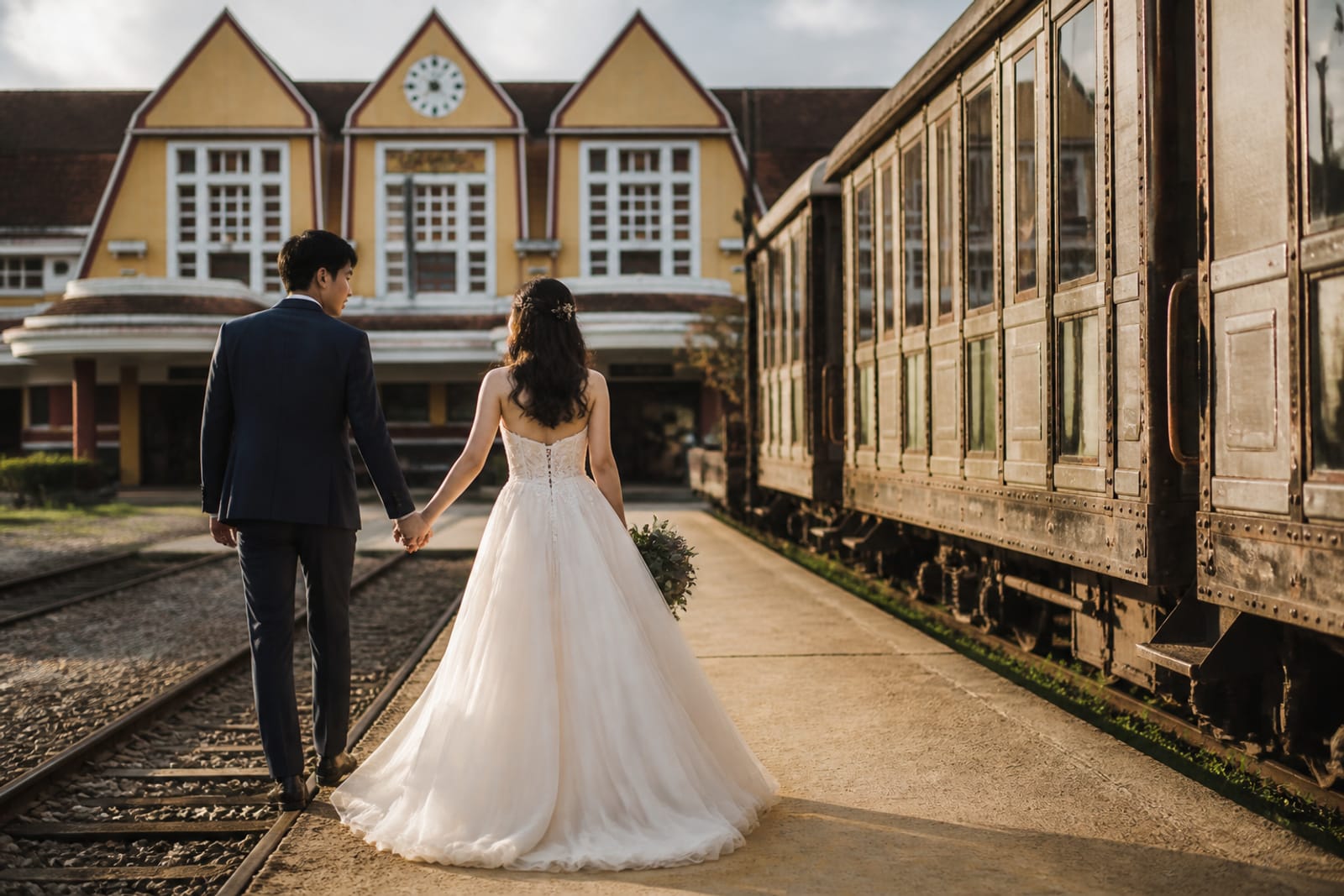
What makes Da Lat different from a Hanoi or Ho Chi Minh City ao dai shoot?
Da Lat offers highland scenery, cool light, and emptier lanes—no urban crowd, no studio walls. Hanoi and Ho Chi Minh City shoots (see our Hanoi studio and Saigon branch) let you choose parks, lakes and colonial buildings within city limits, with makeup done on-site and quick logistics. Da Lat requires 4–6 hours total (travel, shoot, return) and makeup application at your hotel or a hired local artist. Light is softer year-round (high altitude, less pollution), but winter mornings demand thick layers under the áo dài, risking wrinkles or restricted arm movement. No studio fallback if weather turns—you're entirely outdoors. Conclusion: Da Lat suits those prioritizing landscape and isolation; Hanoi/HCMC suit tighter schedules and full-service comfort.
How do you find and vet a local Da Lat photographer for an ao dai shoot?
Start with Instagram hashtags (#dalat #áodàidalat #sunflowerdalat) and Tripadvisor reviews—read photographer tags in recent visitor posts, not just studio websites. Message 3–5 candidates with your mood board (bring ao dai photos from our lookbook as reference) and ask: Have you shot ao dai in sunflower fields? Do you scout locations in advance? Do you know farm owner contacts? What's your backup if it rains? Red flags: vague timelines, no before-and-afters, reluctance to discuss permits or private-land access. Confirm they carry backup lighting (reflectors or small LED), know safe parking, and have liability insurance. Ask for a reference—a previous Western client, ideally. Video call to discuss your vision and gauge communication clarity. Conclusion: vet thoroughly; a great local photographer knows land access, permits and season intimacy better than any Hanoi studio could.
What should you wear under an ao dai for a cold highland shoot?
Thermal leggings or silk long underwear prevent goosebumps and chafing; avoid thick cotton (bulks under silk and shows through in close-ups). A lightweight merino or silk base layer keeps you warm without restricting arm movement—essential for posing shots. Wear the ao dai over layers, not directly on skin; this protects the rental gown from sweat and lets you move freely on muddy terrain. Footwear: waterproof hiking boots or canvas plimsoles with thick socks (mud is common after rain; heels sink and damage historic lanes). Bring a cardigan or shawl to wear between shots—highland mornings dip to 15°C, and silk alone won't keep you warm during setup or travel. Remove all layers 5 minutes before the shot and let your photographer adjust the frame to hide your shoulders. Conclusion: layer thoughtfully; cold highlands demand extra prep without compromising ao dai aesthetics.
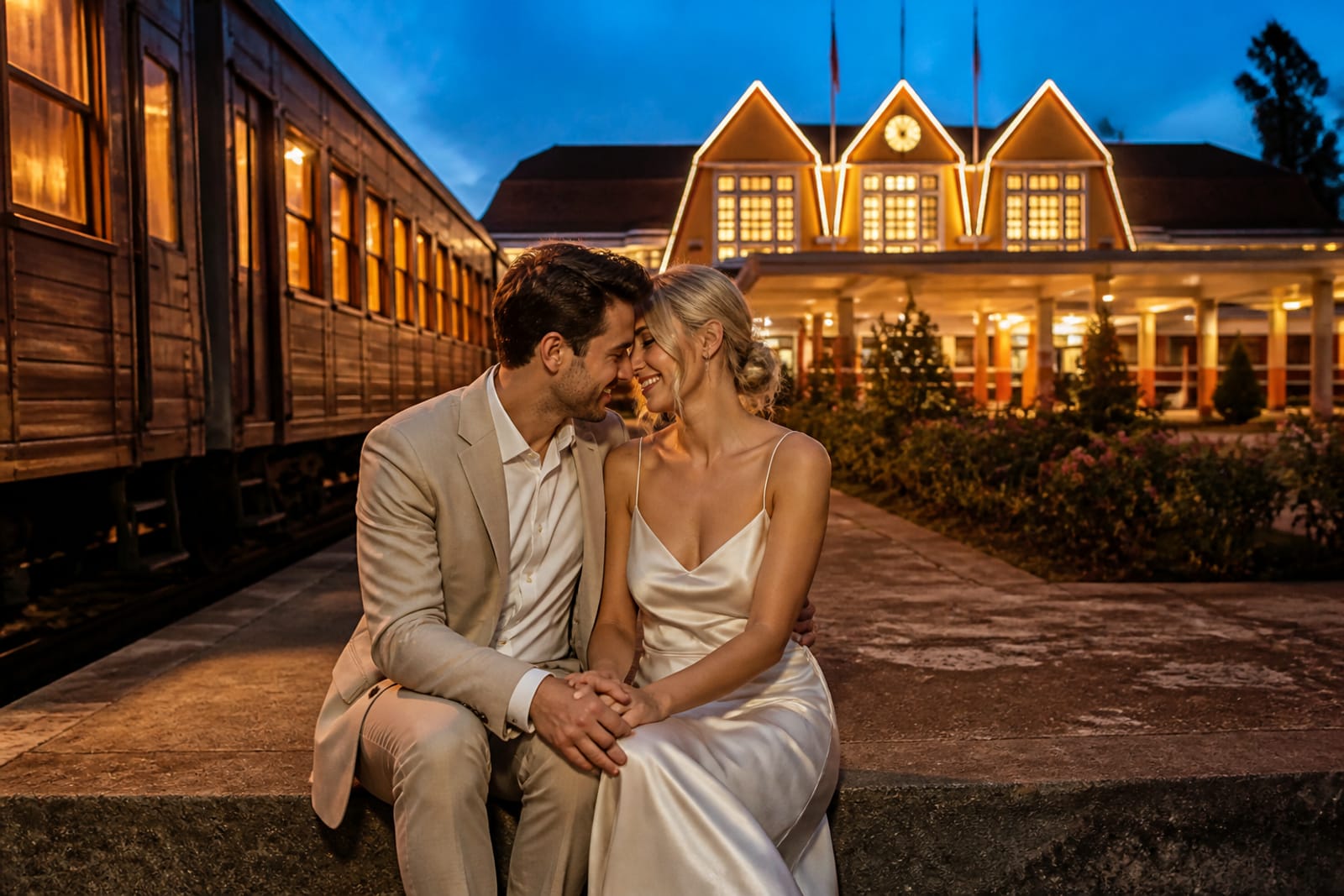
What are the cost factors and logistics to expect before booking?
| Factor | Impact on cost & schedule | What to confirm |
|---|---|---|
| Season | Peak bloom (Nov–Dec) may have higher photographer rates; off-peak (Jan) cheaper but fewer flowers | Ask your photographer if seasonal rates apply |
| Travel from Hanoi or HCMC | Flight or overnight bus adds 2–3 days; hotel, transport, meals factor in | Budget lodging near city center for early morning pickups |
| Makeup & hair | Hotel-based makeup (see makeup & hair service) or hire local artist; studio makeovers unavailable in Da Lat | Confirm if your photographer recommends an artist or if you source one |
| Ao dai rental | Da Lat has limited rental shops; pre-arrange with rental partners or bring your own from Hanoi | Reserve 2 weeks ahead; budget for dry cleaning before returning |
| Location scout & permits | Private farmland requires negotiation; some roads close during harvest; bad weather = reschedule or forfeit | Discuss cancellation terms upfront; get written access confirmation from farm owners |
| Editing & delivery | Local photographers may have slower timelines (2–3 weeks vs. studio's 10 days); confirm file formats and retouching scope | Ask turnaround, number of edited images, and digital file ownership |
Conclusion: Da Lat shoots cost more than studio sessions due to travel, accommodation and local logistics; factor in 5–7 days total, not just the shoot day.
How does a Da Lat sunflower shoot differ from a pre-wedding shoot in a city?
Pre-wedding shoots (see our pre-wedding service) in Hanoi or Ho Chi Minh City span 1–2 days with multiple locations, costume changes, and makeup touch-ups at a studio base. Da Lat sunflower shoots are single-location, single-outfit journeys—you pick lanes, bloom density and light, then commit. Pre-wedding often includes couples in Western dress or ao dai layovers; sunflower shoots lean pure ao dai (or áo dài couples, if applicable). Pre-wedding offers 2–4 outfit changes and editorial variety; sunflower shoots prioritize landscape immersion and natural, unhurried posing. If you're building a wedding narrative (see wedding photographer and wedding video options), Da Lat sunflower photos work as romantic prelude or engagement asset, not as full pre-wedding coverage. Conclusion: sunflower shoots are intimate single-location sessions; pre-weddings are multi-location, multi-outfit editorial projects.
---
What to check before you book a Da Lat sunflower shoot
- Bloom forecast: contact your photographer in late October to assess November density; ask for this year's photos from past clients.
- Weather window: confirm their rain policy—rescheduling options, deposit terms, cancellation coverage.
- Permits & access: request written permission from farm owners or a signed statement that the photographer secures access (no surprises mid-shoot).
- Makeup logistics: arrange hotel-based application or hire a local artist 3 weeks ahead; avoid day-of scramble.
- Ao dai fit & condition: rent or bring well in advance; test movement on muddy terrain; confirm care instructions before return.
- Backup plan: ask if they reschedule for free within 2 weeks if weather fails; confirm digital file ownership and editing turnaround.
- Communication: get their WhatsApp or local number and send a mood board (reference our ao dai lookbook for inspiration).
---
Is a Da Lat shoot worth the extra travel compared to Hanoi or Ho Chi Minh City?
If your priority is landscape, isolation and seasonal bloom, yes. If you need studio convenience, quick turnaround and full-service makeup, Hanoi or Ho Chi Minh City (both have Cáo Studio branches, /saigon) are smarter. Weigh: 5–7 days away, weather risk, local-team vetting, higher total cost vs. guaranteed studio light, quick edits, no commute. Couples or families seeking emotional, unhurried time in nature find Da Lat transformative; those prioritizing efficiency and predictability prefer city shoots.
---
FAQ
Can I bring my own ao dai to Da Lat, or should I rent locally?
Bring your own if it fits you perfectly—rental shops in Da Lat are limited and sizing is unpredictable. Pre-arrange rental with Cáo Studio's rental partners or bring a well-pressed gown in luggage. Test movement and mud-resistance at your hotel before the shoot.
What happens if it rains during my booked sunflower shoot?
Confirm your photographer's rain policy in writing: do they reschedule, offer a partial refund, or shoot in drizzle (mist can be atmospheric)? Deposit terms and cancellation windows vary. Book with at least 3-day flexibility around your chosen dates.
Do I need a local guide in addition to the photographer?
No—a competent local photographer knows lanes, permissions and light. A guide adds cost and logistics. Ask your photographer if they scout locations in advance and confirm access with farm owners before booking.
How early do I need to wake up for the best light on sunflower roads?
Arrive at the first location by 6:30–7 am to catch soft, directional light. This means a 5:30 am hotel pickup, so plan accommodation within 20–30 minutes of the starting lane. Afternoon (3–5 pm) light is harsher and crowds arrive mid-morning.
Can I combine a Da Lat sunflower shoot with a Hoi An or Hanoi shoot on the same trip?
Yes—Hoi An is 4 hours south of Da Lat; Hanoi is 1.5 hours flight north. If you're doing multiple locations, book Hanoi or Hoi An shoots with Cáo Studio (confirmed on WhatsApp) and hire a local for Da Lat separately. This gives you studio-quality editing in city shoots and authentic landscape in Da Lat.
What should I do if the sunflower fields are closed or have been harvested?
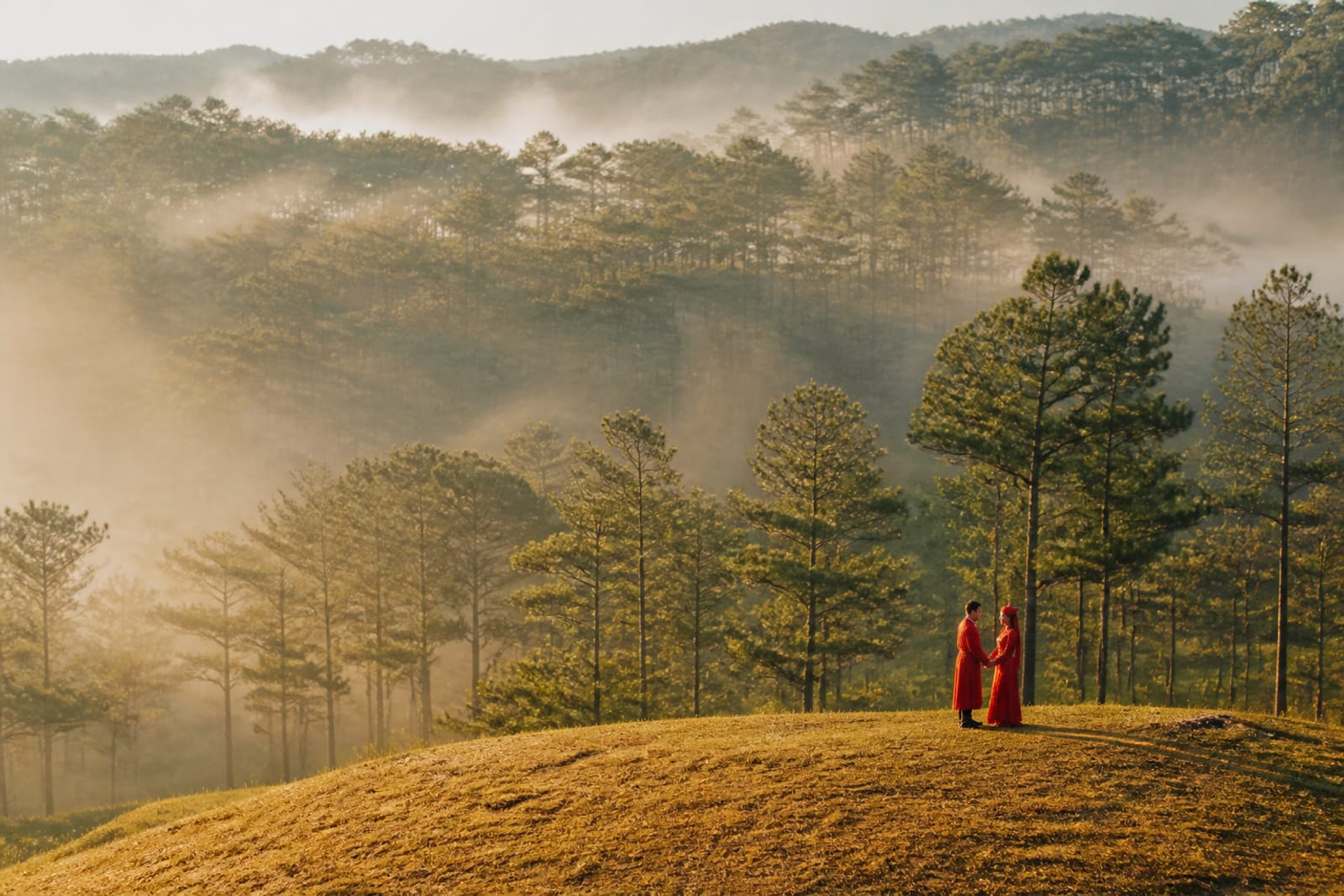
Monitor farmer activity from October onward—late planting can delay blooms into February. Ask your photographer for backup wildflower or pine-forest locations (mist over lakes, conifer backdrops). Da Lat has year-round landscape appeal; peak sunflower is November–December, but January and early February still offer blooms on re-planted or slower lanes.
How do I compare a Da Lat photographer's package to Cáo Studio's pricing?
Ask your Da Lat photographer for a detailed breakdown: shoot hours, edited-image count, file formats, retouching scope, and delivery time. Compare to our pricing page (studio shoots are all-inclusive, with hotel makeup available via our makeup & hair service). Da Lat local rates are typically lower per hour but include no studio perks—confirm what's included via WhatsApp.
FAQ
Can I bring my own ao dai to Da Lat, or should I rent locally?
Bring your own if it fits you perfectly—rental shops in Da Lat are limited and sizing is unpredictable. Pre-arrange rental with [Cáo Studio's rental partners](/ao-dai-rental) or bring a well-pressed gown in luggage. Test movement and mud-resistance at your hotel before the shoot.
What happens if it rains during my booked sunflower shoot?
Confirm your photographer's rain policy in writing: do they reschedule, offer a partial refund, or shoot in drizzle (mist can be atmospheric)? Deposit terms and cancellation windows vary. Book with at least 3-day flexibility around your chosen dates.
Do I need a local guide in addition to the photographer?
No—a competent local photographer knows lanes, permissions and light. A guide adds cost and logistics. Ask your photographer if they scout locations in advance and confirm access with farm owners before booking.
How early do I need to wake up for the best light on sunflower roads?
Arrive at the first location by 6:30–7 am to catch soft, directional light. This means a 5:30 am hotel pickup, so plan accommodation within 20–30 minutes of the starting lane. Afternoon (3–5 pm) light is harsher and crowds arrive mid-morning.
Can I combine a Da Lat sunflower shoot with a Hoi An or Hanoi shoot on the same trip?
Yes—Hoi An is 4 hours south of Da Lat; Hanoi is 1.5 hours flight north. If you're doing multiple locations, book Hanoi or [Hoi An shoots](/hoi-an) with Cáo Studio (confirmed on WhatsApp) and hire a local for Da Lat separately. This gives you studio-quality editing in city shoots and authentic landscape in Da Lat.
What should I do if the sunflower fields are closed or have been harvested?
Monitor farmer activity from October onward—late planting can delay blooms into February. Ask your photographer for backup wildflower or pine-forest locations (mist over lakes, conifer backdrops). Da Lat has year-round landscape appeal; peak sunflower is November–December, but January and early February still offer blooms on re-planted or slower lanes.
How do I compare a Da Lat photographer's package to Cáo Studio's pricing?
Ask your Da Lat photographer for a detailed breakdown: shoot hours, edited-image count, file formats, retouching scope, and delivery time. Compare to our [pricing page](/pricing) (studio shoots are all-inclusive, with hotel makeup available via [our makeup & hair service](/makeup-and-hair)). Da Lat local rates are typically lower per hour but include no studio perks—confirm what's included via WhatsApp.
Ao dai, makeup, hair and a local photographer in Hanoi or Saigon — one WhatsApp message.