/pre-wedding-photoshoot
Best places in Vietnam for pre-wedding photos: seasonal guide 2026
Pre-wedding photo locations in Vietnam depend entirely on season and regional climate. The north (Hanoi, Ninh Binh) works best Dec–Feb with clear skies and dramatic temple backdrops; the central coast (Hoi An, Da Nang) peaks Feb–Aug with warm, even light; the south (Ho Chi Minh City, Mekong Delta) stays dry Dec–Apr. Most couples shoot on-location scouting trips 2–4 weeks before the wedding, hiring a local photographer or service like Cáo Studio – Makeup & Photoshoot to handle logistics, permits, hair and makeup. Avoid Oct–Nov (typhoons across the coast), and book accommodation and transport early if your date falls in Dec–Jan or late Apr (high season). The golden hour—30 minutes before sunset—works everywhere, but winter light in the north is softer and lasts longer; tropical sites need shade trees and water reflections to avoid harsh midday contrast. ---
Where does golden-hour light last longest in Vietnam?
The northern temples and limestone valleys (Hanoi, Ninh Binh, Ha Long) hold soft, diffuse winter light (Dec–Feb) for 45–60 minutes in late afternoon because of cloud cover and low sun angle. In the south, golden hour compresses to 20–30 minutes year-round due to rapid sunset near the equator; you must be positioned and ready by 4:30 pm. Central coast sites (Hoi An Ancient Town, Da Nang beaches) split the difference: 35–40 minutes if skies are clear. Most couples underestimate how fast light changes in tropical zones, losing frames to sudden darkness. Planning your shot list by light phase—backlit silhouettes first, then sidelit detail, then front-lit close-ups—maximizes usable frames. Many couples choose ao dai photoshoots at temples specifically for the softer light and cultural richness that complements winter months.
📸 Book on WhatsApp — ao dai photoshoot
---
Which season has the clearest skies and fewest crowds?
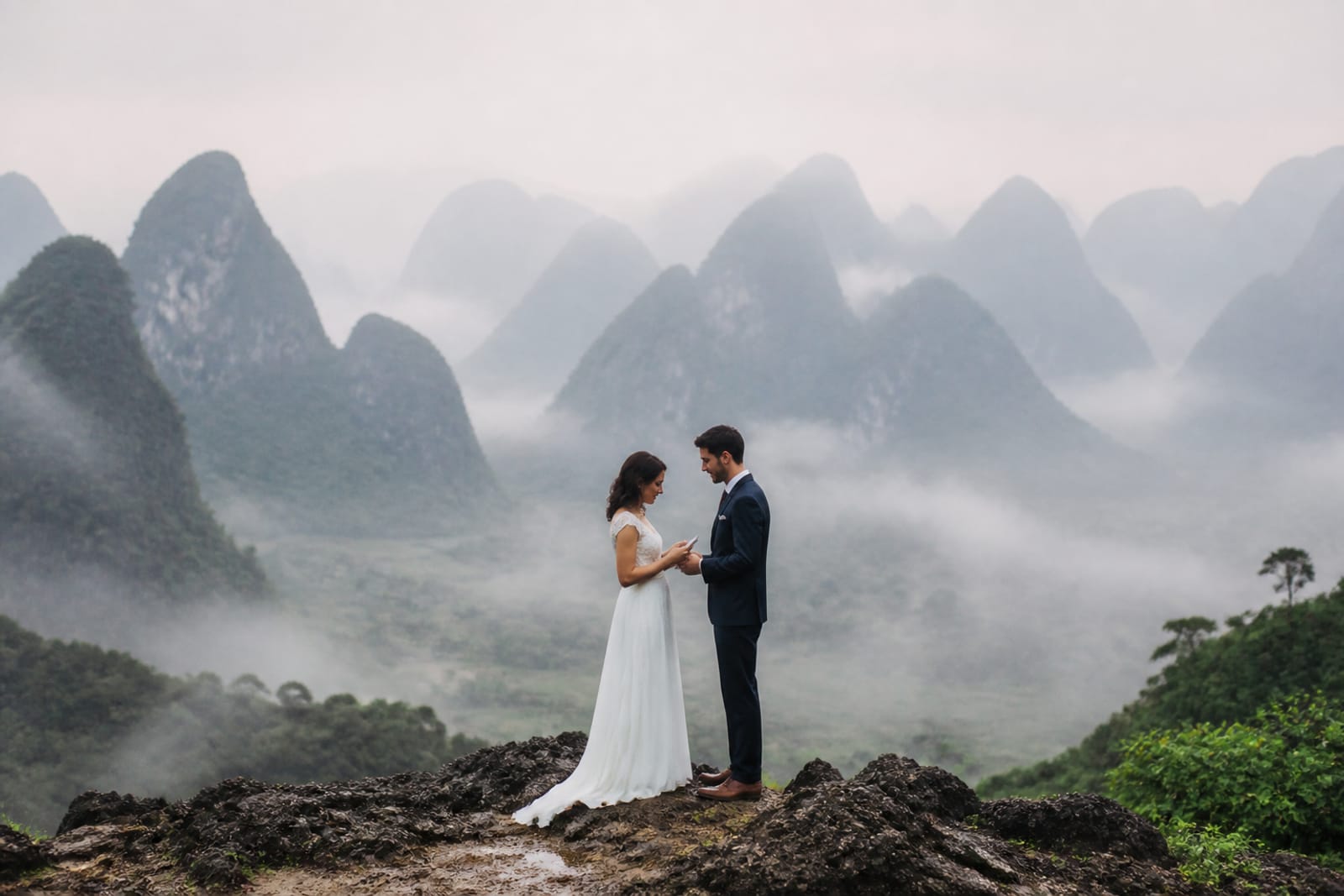
February to March in the north and central coast offers the clearest light, lowest humidity, and fewer domestic tourists than January (Tet holidays). Winter northern shoots (Dec–Feb) see cool temperatures (12–18°C) and stable weather; bring a light layer under your ao dai for comfort. The coast peaks late Feb–early Mar before Easter and summer holidays arrive. Mekong Delta (south) is driest and least crowded Dec–Jan, before Chinese New Year tours swell. Avoid Oct–Nov along the coast entirely: typhoon season brings grey, dangerous skies and many locations close to visitors. Summer (June–Aug) in the north is wet and hot (30–35°C); light is harsh midday and storms arrive without warning. If your wedding is scheduled for a typically rainy month, scout locations with covered pavilions, tree canopy, or indoor backdrops (temples, heritage halls) to protect outfits and backup shots.
---
What should you wear under an ao dai for a pre-wedding shoot?
Wear seamless white or nude undergarments with a full slip or long white camisole that covers the hip and thigh—ao dai fabric drapes and reveals every seam and line when wet or in strong light. Cotton slip avoid cling; silk slips reduce static and wrinkles but cost more to rent. If you're not wearing traditional undergarments, check your outfit fit in advance: ask the rental vendor or makeup & hair service to confirm slip availability. Northern winter shoots require thermal leggings under the slip for warmth; skip them in the south. Never wear dark colors underneath; they show through light silk ao dai and ruin the ethereal look. Wet or muddy locations (rice fields, waterfalls) demand a slip you don't mind soiling—budget for rental or laundry, or wear a separate base layer. Many international couples rent outfits through Cáo Studio's ao dai rental service and confirm slip fit during the trial fitting, preventing last-minute surprises on shoot day.
---
When should you schedule your shoot relative to the wedding date?
Book your pre-wedding session 4–8 weeks before the ceremony to allow time for location scouting, outfit fittings, and photo selection without rush. Scheduling too close (2 weeks) leaves no buffer for bad weather rescheduling or unforeseen logistics. Scheduling too early (12+ weeks) risks outfit wear, fading color from prolonged storage, and changed aesthetic choices. Winter (Dec–Feb) and early spring (late Feb–Mar) require earlier booking because hotels, transportation, and photographers fill up. Late summer and autumn (Aug–Oct) have shorter booking windows and higher cancellation risk due to typhoons. If your wedding is during high season (Dec–Jan, late Apr), book at least 10 weeks prior. Couples who book pre-wedding & elopement packages through Cáo Studio typically schedule sessions 6 weeks out, which gives the team time to reserve locations (permit timelines for temples vary), arrange transportation, and source any rental outfits or special makeup needs. Check the pricing page and reach out on WhatsApp for specific availability windows.
---
How do you choose between temple, garden, and beach backdrops by season?
| Backdrop type | Best season | Light quality | Outfit fit | Walking effort | Crowd level |
|---|---|---|---|---|---|
| Northern temples (Hanoi, Ninh Binh) | Dec–Feb | Soft, overcast; golden hour strong | Ao dai ideal; sleeves suit cool air | Moderate stairs; often uneven stone | Low–med (avoid Tet week) |
| Coastal heritage towns (Hoi An, Da Nang old quarters) | Late Feb–Aug | Warm, even; afternoon shadows sharp | Ao dai or light dress; humidity high | Minimal; paved & traffic busy | High (weekends worst) |
| Rice fields & waterfalls (Ninh Binh, northern valleys) | Dec–Feb & late Apr–May | Golden hour dramatic; midday harsh | Water-resistant ao dai; expect mud | High; slippery paths | Low–med; early morning best |
| Tropical gardens (Saigon Botanical, Saigon Zoo) | Year-round, best Dec–Feb | Dappled; shade trees soften midday | Formal dress; heat-resistant fabrics | Low–mod; garden paths easy | Med (weekday mornings quiet) |
| Beach (south & central) | Dec–Apr | Bright, high contrast; salt spray risk | Light outdoor dress; ao dai less ideal | Minimal; sand wear on shoes | High Dec–Jan; lower May–Jul |
Choose temples for cultural storytelling and soft northern light; gardens for color variety and shade-covered backups; rice fields for drama but only Oct–Feb when dry; beaches for romance but book before 9 am to avoid crowds and harsh light. Each requires different logistics: temples need early-morning permits and respectful dress codes, gardens allow flexible timing, fields require water-resistant clothing and guide support, beaches demand waterproof makeup and salt-water care. Cáo Studio teams have run shoots at each type; ask on WhatsApp about location-specific challenges and shot lists for your chosen backdrop.
---
What weather and permit issues should you know before booking?
Winter rain in the north (Dec–Feb) is rare but drizzle happens; ask your photographer about backup indoor locations (heritage halls, covered markets). Central coast typhoon season (Sep–Dec, worst Oct–Nov) forces closure of many temples and outdoor areas; travel insurance and rescheduling clauses are essential. Summer heat in the north (June–Aug) brings afternoon thunderstorms that arrive suddenly and strand vehicles; morning-only shoots reduce risk. Temple permits vary by location: some (Tran Quoc Pagoda, One Pillar Pagoda in Hanoi) require advance booking and restricted photography hours; your photographer should handle this. Heritage town access (Hoi An Ancient Town) charges entry tickets—current prices must be checked locally, but expect to budget for admission plus potential photography permits depending on the exact building or street. Rainforest shoots (Phong Nha, central highlands) need experienced guides and waterproof gear; not all photographers are equipped. UV intensity near the equator (Apr–Sep) causes fast skin damage and color shift in film; discuss sun-protection strategy with your makeup artist. Always confirm your photographer's insurance and backup plans—weather cancellations and permits are your responsibility to plan around.
---
Which regions are best for ao dai photography by month?
| Region | Jan–Feb | Mar–May | Jun–Aug | Sep–Nov |
|---|---|---|---|---|
| North (Hanoi, Ninh Binh, Ha Long) | ✓ Clear, cool, ideal | Good light, warming | Hot, humid, rainy | Grey, typhoon risk |
| Central coast (Hoi An, Da Nang, Quy Nhon) | Good light, crowds | ✓ Golden light, dry, ideal | Hot, can work early | Typhoon, floods likely |
| South (HCMC, Mekong, Phu Quoc) | ✓ Dry, garden blooms | Good, heat rises | Rainy, afternoon showers | Rainy |
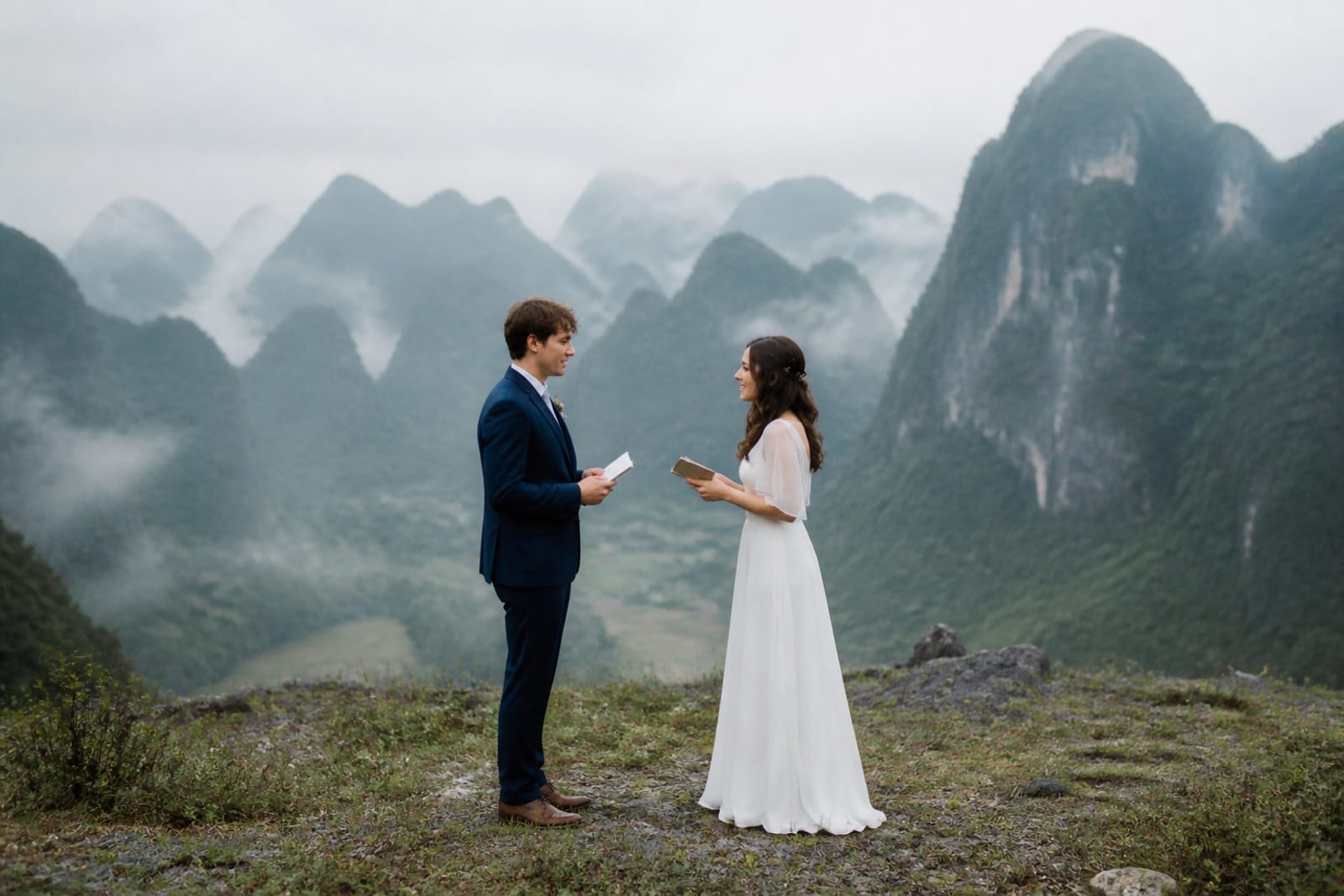
Ao dai photography thrives in northern winter (Dec–Feb) when light is soft and cool air keeps fabric draping crisp; spring (Mar–Apr) works for the coast but requires UV protection. Tropical fabrics hold humidity-induced wrinkles poorly in summer; avoid June–Aug for ao dai unless you're doing a single quick shot. Cáo Studio has Hanoi, Saigon, and Hoi An teams; ask on WhatsApp which season each region offers best for your date and aesthetic.
---
What permits, insurance, and local laws apply to photoshoots?
Temple photography in Vietnam is allowed but requires respectful dress (covered shoulders, knees) and often advance permission from the abbot or caretaker. Some temples limit photography to specific areas or hours; Cáo Studio photographers know these rules and arrange access. Heritage town photography (Hoi An, Hue) may require permits if you're shooting commercially or using drones; local coordinators handle this. Drones require prior approval from provincial authorities and are banned in many heritage zones; confirm legality before booking aerial shots. Public parks and beaches are usually free to shoot in, but groups may be asked to move if they obstruct traffic. Your photographer should carry proof of credentials and liability insurance if shooting on private property (hotels, estates, temples). If you're renting equipment or hiring makeup, confirm the vendor's licensing and cancellation policy. No specific permit fees are standardized; ask your photographer to itemize all costs and timelines upfront. Cáo Studio handles permits for temples and heritage sites at locations they regularly work; ask on WhatsApp what's included in your session and what you need to arrange separately.
---
How does the booking process work for a multi-location pre-wedding session?
Contact Cáo Studio – Makeup & Photoshoot on WhatsApp (+84 338 762 340) with your wedding date, preferred locations, outfit preferences, and any special requests (family involvement, specific cultural elements, video needs). The team will discuss location feasibility by season, weather probabilities, timing, and a customized shot list based on your lookbook or inspiration. A detailed quote and package summary will be sent via WhatsApp—confirm inclusions, number of locations, outfit changes, makeup & hair, and editing timeline. Payment terms and reschedule policies are set at booking. A site scout may be arranged if you're unfamiliar with the locations; this can be bundled or charged separately. Week-of reminders cover transport logistics, what to bring (undergarments, touch-up kit, water, shade), and any last-minute weather updates. The team arrives early to set up lighting and test shots; you'll do hair, makeup, and outfit changes on-site or at your accommodation if the makeup & hair at your hotel service is included. Editing and delivery timelines are confirmed at booking—allow 2–4 weeks for final files. Ask about add-ons like wedding video, photo album printing, or suit & groom outfit rental during your initial WhatsApp chat.
---
Real pre-wedding shoot timelines: what to expect on the day
- 5:00 am (if shooting at sunrise): Transport departs hotel; bring a full breakfast and water.
- 6:30–8:30 am (temple or garden location): Hair, makeup, outfit change; test shots; light is soft and crowds are minimal.
- 8:30 am–12:00 pm (first location): Main session; move through pre-planned shot list; change outfits if booked.
- 12:00–1:30 pm (break): Lunch, hydration, outfit touch-ups; avoid midday harsh light unless you're near shade (trees, pavilions, water reflections).
- 1:30–3:30 pm (second or hidden location): Shoot again as light softens; fewer tourists; higher temps mean sweat touch-ups and shorter bursts.
- 3:30–5:30 pm (golden hour location): Race against sunset; best light of the day; shoot quickly and be flexible about poses.
- 5:30 pm+ (end): Transport back to hotel; total time on-location is typically 8–10 hours for a full day session. Most couples book a couple photoshoot that is similar in scope; ask on WhatsApp for exact inclusions.
Bring water, electrolyte drinks, and snacks (not heavy meals). Wear comfortable shoes for travel; outfit changes happen on-site or nearby. If makeup includes sweat-proof products, confirm this upfront. Winter shoots (Dec–Feb) are physically easier but run concurrent to temple opening hours; book early slots. Summer and tropical shoots are exhausting—split across two shorter days if possible. Many couples add a vacation photoshoot companion package if they're exploring Vietnam before or after the wedding session.
---
What to check before you book your pre-wedding session
- Season & weather fit: Confirm the chosen month matches your region's dry or cool season; check historical typhoon/rainfall patterns for Oct–Nov coastal shoots.
- Location permits & access: Ask the photographer if temple, heritage town, or private-property permits are arranged or your responsibility.
- Transportation logistics: Will the studio provide transport between locations, or are you arranging taxis? Confirm fuel/toll costs and travel time buffers.
- Outfit & fit trials: If renting ao dai or formal wear, schedule a fitting 1–2 weeks before the shoot; confirm slip/undergarment availability.
- Makeup & hair durability: Ask if products are waterproof, UV-resistant, and sweat-proof; discuss touch-up kits and timing for outfit changes.
- Photo delivery & editing timeline: How many edited photos are included? How many days after the shoot will you receive them? Are albums or prints included?
- Cancellation & rescheduling: What happens if weather forces a postponement? Is there a refund, credit, or rebooking clause?
- Add-on services: Are video, album printing, or rental services (dress, suit) priced separately or bundled? Confirm on WhatsApp.
- Insurance & credentials: Does the photographer carry liability insurance if shooting on temple or private property?
- Communication channel: All timelines and questions must be confirmed via WhatsApp—ask upfront about payment, deposit, and final invoice.
Reach out to Cáo Studio on WhatsApp (+84 338 762 340) to discuss your specific date, region, and any concerns; the team will provide a customized plan and confirm all details before payment.
FAQ
What's the best month overall for pre-wedding photos in Vietnam?
February to early March in the north and central coast: clear skies, manageable crowds, soft golden light, and dry weather. Winter (Dec–Feb) is ideal for temples and gardens; March–May works well for beaches and coastal towns. Avoid Oct–Nov along the coast (typhoon season).
Do I need permits to shoot at temples and heritage sites?
Yes. Most temples require advance permission and ask for respectful dress. Heritage towns (Hoi An) may require permits for commercial photography. Your photographer should handle this or advise what you need to arrange separately. Confirm at booking.
Can I wear an ao dai in summer, or will it look wrinkled in the heat?
Ao dai works year-round, but summer humidity (June–Aug, 80%+ moisture) causes fabric to wrinkle and cling. Winter (Dec–Feb) is ideal because cool air keeps fabric crisp. If summer is your date, shoot early morning or late afternoon, and ask about lightweight silk blends at fitting.
How far in advance should I book a pre-wedding session?
Book 6–8 weeks ahead for flexibility in dates and location availability. December–January requires 10+ weeks because accommodations and guides fill up. Avoid booking fewer than 4 weeks before your wedding to allow time for weather rescheduling and photo selection.
What if weather ruins my shoot date—can I reschedule?
Reschedule policies vary by studio. Ask on WhatsApp about your specific package terms: do you get a refund, credit, or free rebooking? Typhoons (Oct–Nov coast) and monsoons (summer north) have higher cancellation risk; plan accordingly and purchase travel insurance if it matters.
Is the golden hour the only time to shoot good pre-wedding photos?
Golden hour (30 minutes before sunset) is ideal, but soft overcast light (Dec–Feb north, all day in cloudy weather) works beautifully too. Midday light is harsh in tropical zones; use shade, water reflections, or indoor backdrops. Early morning light is also excellent if you book a 6:30 am start. Discuss timing strategy with your photographer based on your chosen location.
FAQ
What's the best month overall for pre-wedding photos in Vietnam?
February to early March in the north and central coast: clear skies, manageable crowds, soft golden light, and dry weather. Winter (Dec–Feb) is ideal for temples and gardens; March–May works well for beaches and coastal towns. Avoid Oct–Nov along the coast (typhoon season).
Do I need permits to shoot at temples and heritage sites?
Yes. Most temples require advance permission and ask for respectful dress. Heritage towns (Hoi An) may require permits for commercial photography. Your photographer should handle this or advise what you need to arrange separately. Confirm at booking.
Can I wear an ao dai in summer, or will it look wrinkled in the heat?
Ao dai works year-round, but summer humidity (June–Aug, 80%+ moisture) causes fabric to wrinkle and cling. Winter (Dec–Feb) is ideal because cool air keeps fabric crisp. If summer is your date, shoot early morning or late afternoon, and ask about lightweight silk blends at fitting.
How far in advance should I book a pre-wedding session?
Book 6–8 weeks ahead for flexibility in dates and location availability. December–January requires 10+ weeks because accommodations and guides fill up. Avoid booking fewer than 4 weeks before your wedding to allow time for weather rescheduling and photo selection.
What if weather ruins my shoot date—can I reschedule?
Reschedule policies vary by studio. Ask on WhatsApp about your specific package terms: do you get a refund, credit, or free rebooking? Typhoons (Oct–Nov coast) and monsoons (summer north) have higher cancellation risk; plan accordingly and purchase travel insurance if it matters.
Is the golden hour the only time to shoot good pre-wedding photos?
Golden hour (30 minutes before sunset) is ideal, but soft overcast light (Dec–Feb north, all day in cloudy weather) works beautifully too. Midday light is harsh in tropical zones; use shade, water reflections, or indoor backdrops. Early morning light is also excellent if you book a 6:30 am start. Discuss timing strategy with your photographer based on your chosen location.
Ao dai, makeup, hair and a local photographer in Hanoi or Saigon — one WhatsApp message.