/photo-prints
Choosing photo print sizes for your wall: prints that fit your space
Photo print sizes range from small tabletop frames (4×6 inches) to large gallery-style formats (24×36 inches or larger). The right size depends on wall space, viewing distance, and how a photo was composed during your shoot. A portrait-oriented family session shot at Cáo Studio – Makeup & Photoshoot works best at taller ratios (8×12, 12×18); landscape couples images suit wider frames (16×24, 20×30). Measure your wall first, then choose a size that leaves breathing room around it—not one that fills the entire wall. Larger prints require professional framing and humidity-controlled storage; smaller prints suit dorm rooms and shelves. Before booking a session, clarify with your photographer which formats your images can handle without pixelation, and whether you'll order prints directly or request files to print elsewhere. ---
How do I know which print size fits my wall?
Measure the wall space where you plan to hang the photo. Mark the height and width, then leave 2–3 inches of margin on each side. Hold up a tape measure or cardboard mockup to visualize the print in place. A room with 8-foot ceilings needs smaller, tighter compositions; a hallway with high walls suits a dramatic 24-inch-wide print. Walk the distance you'll stand from the photo: if it's 6 feet away, a 12×18 print reads clearly; from 10+ feet, go 20×30 or larger. Test your eye by printing a small proof first.
📸 Book on WhatsApp — ao dai photoshoot
Which print dimensions work best for portrait versus landscape photos?
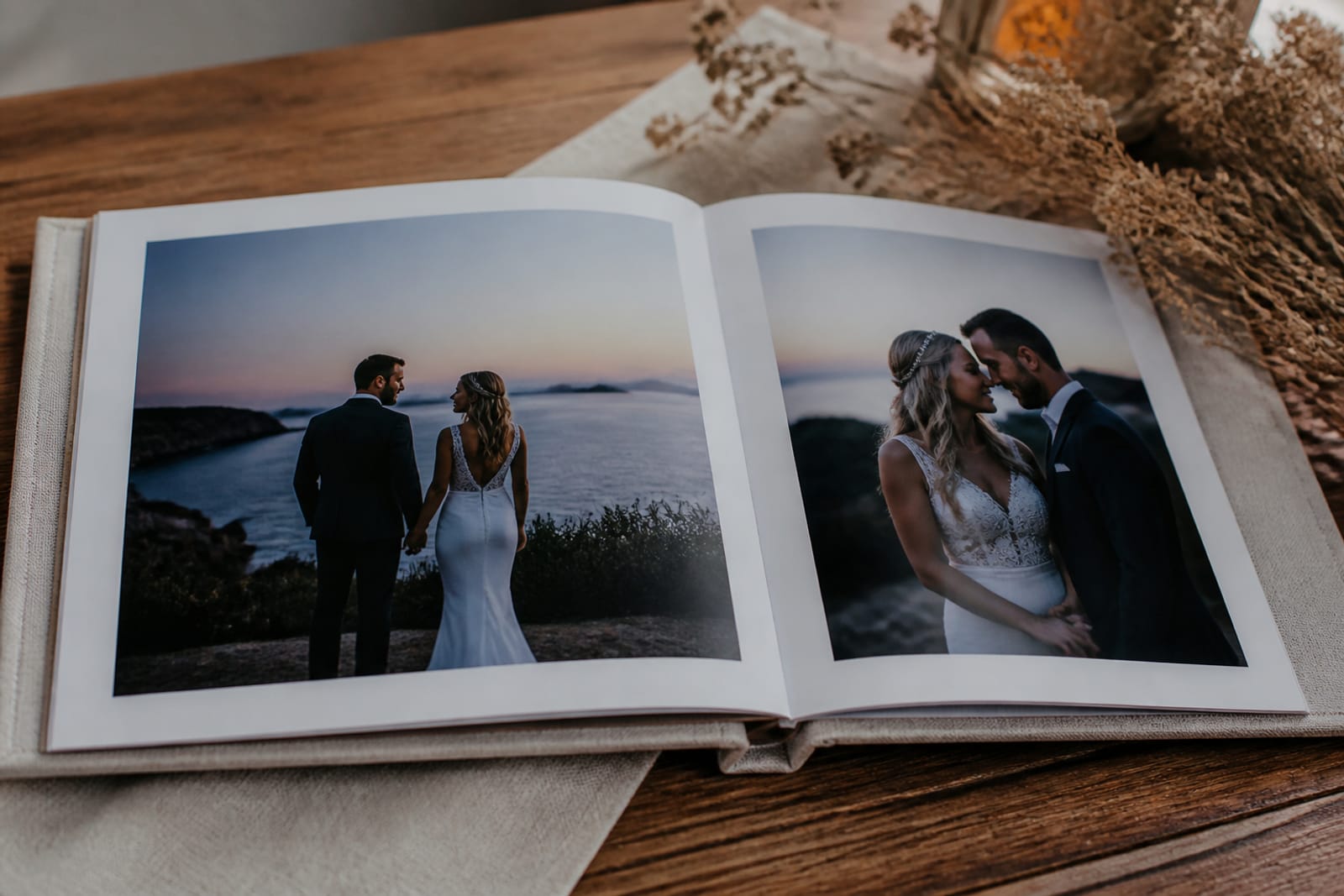
Vertical (portrait) images—shot during ao dai photoshoots or couple sessions—display well at 8×12, 11×14, or 12×18. Horizontal (landscape) compositions from vacation or family shoots suit 16×24, 20×30, or 24×36. Portrait ratios emphasize height; landscape ratios breathe across a wall. If your session included mixed framing (some close portraits, some wide scenes), ask your photographer which originals work at which sizes. A poorly cropped photo loses impact at 24 inches; a beautifully composed image gains presence. During your session planning, mention where you'll display the print—your photographer can frame shots to suit that final size.
What's the difference between framed prints and unframed canvas?
Framed prints sit behind glass or acrylic in wood, metal, or composite frames, protecting the image and suiting formal living rooms or offices. Canvas prints wrap around stretcher bars for a gallery look, ideal for modern spaces—no glass means no reflections, and they're lighter to hang. Framed prints cost more per unit because of materials and labor; canvas prints feel softer and less formal. Both require professional production time (10–21 days typical for overseas shipping). If your wedding day session or pre-wedding shoot includes prints, ask whether the studio includes framing or if you order separately. Humidity and direct sunlight fade any print over time—frame with UV-blocking glass if the wall faces a window.
Should I print one large image or a series of smaller ones?
| Approach | Best for | Display style | Why it works |
|---|---|---|---|
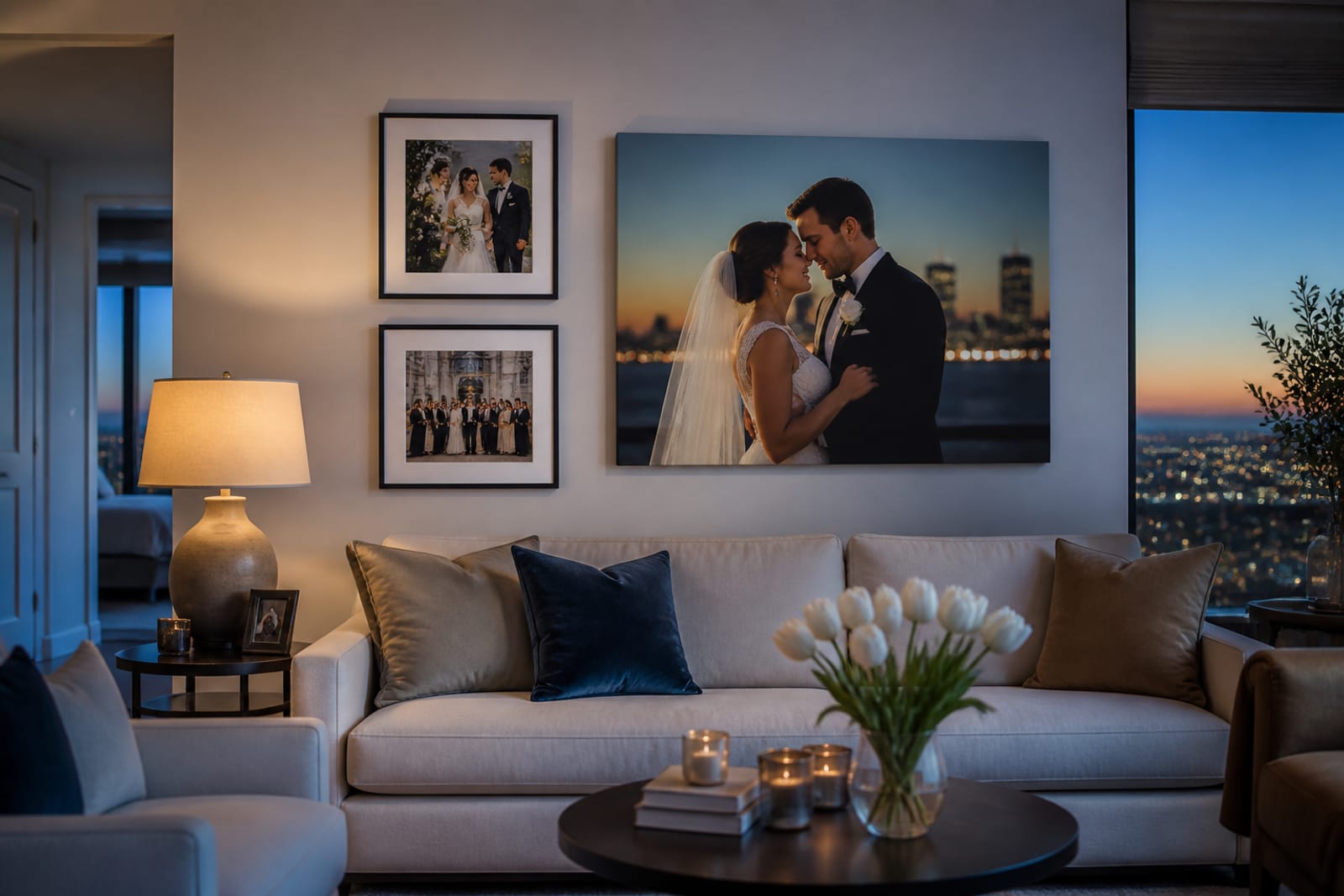
| One large 24×36 statement print | Solo travelers, hero moments, gallery walls | Focal point above a sofa or bed | Commands attention; high-impact with one perfect shot |
| Diptych or triptych (2–3 prints, 12×18 each) | Couples, multi-outfit shoots | Staggered or aligned across a wall | Tells a story; builds visual rhythm |
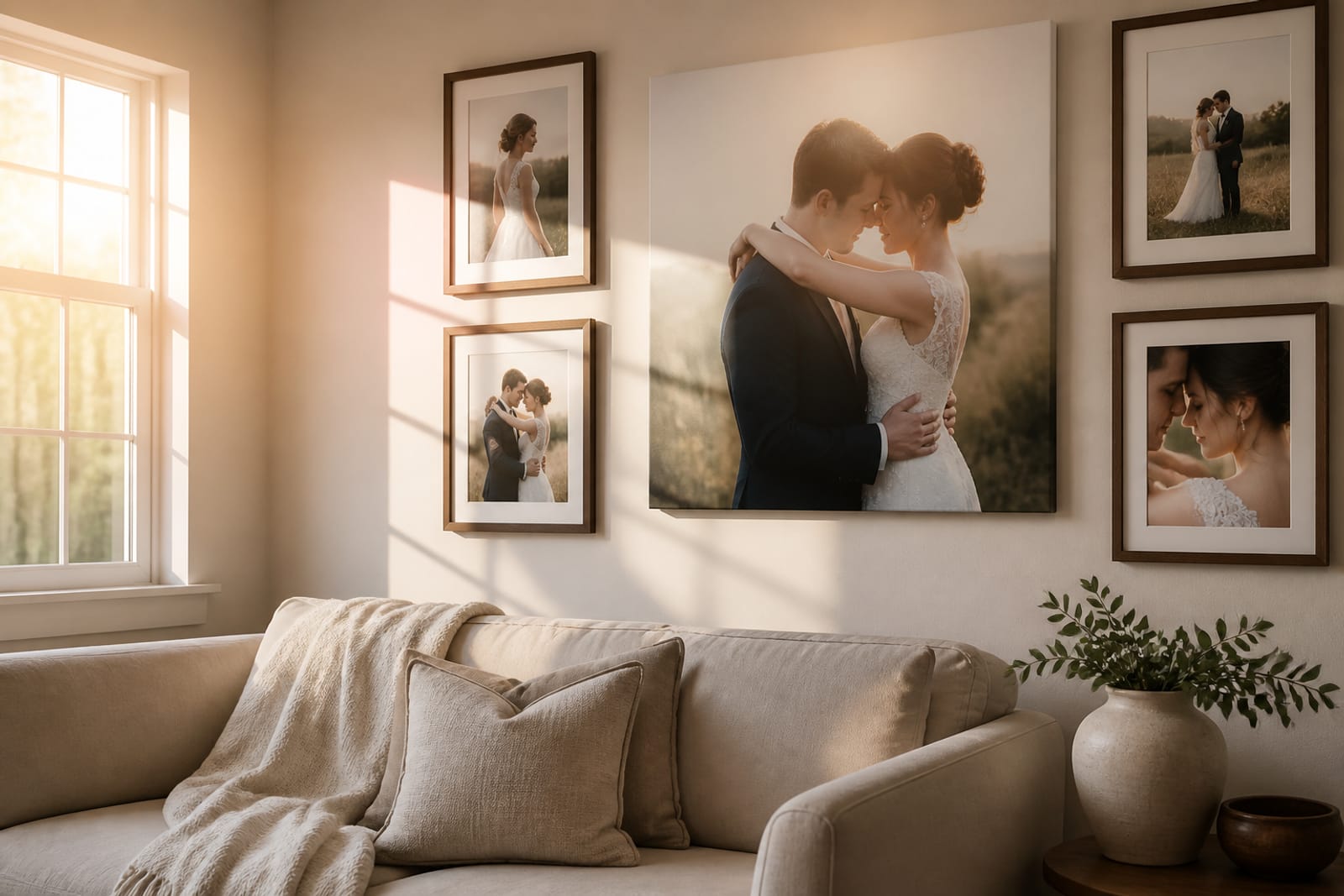
| Gallery wall (4–8 smaller prints, 5×7 to 11×14) | Family sessions, milestones, family photoshoots | Mixed sizes, mixed frames | Playful, flexible; easy to add future shoots |
| Leaning or stacked prints (no hanging) | Renters, dorm rooms, frequent movers | Shelf, console, or floor leaning | Zero wall damage; swaps easily |
A couple photoshoot might yield one stunning 20×30 portrait for the bedroom and a 12-print gallery for a hallway. A family session works better as a 5-7 image gallery wall that grows with your family. Ask your photographer during booking whether your session's shots suit solo framing or series display.
What storage and framing choices prevent fading and damage?
Once you choose a size, protect it. UV-blocking glass or acrylic slows color fade by 50–70% over 5–10 years (estimate based on museum conservation standards). Avoid direct sunlight, radiators, and humid bathrooms—prints in kitchens and near windows need sealed frames. Acid-free matting and backing preserve the image longer than cheap cardboard. If you're storing unframed prints, keep them flat in archival boxes in cool, dry darkness; rolled prints crease permanently. Humidity above 60% causes mold; below 30% causes paper brittleness. Before you invest in large prints from your vacation or proposal shoot, ask the studio or your framing shop about preservation advice specific to your home's climate. In Hanoi and Ho Chi Minh City, our humid monsoon seasons (May–Sep) speed fading—sealed frames are essential.
---
What to check before you order prints
- Image resolution and sharpness. Ask your photographer the pixel dimensions of files you're printing. A 12×18 print needs minimum 2400×1800 pixels (300 dpi). Enlarged low-res files look blurry at arm's length.
- Cropping and composition. Confirm the photo's aspect ratio matches your chosen size (e.g., a 4:3 photo doesn't fit 16:9 without cropping). Request a proof or crop preview.
- Color calibration. Prints can shift slightly from screen to paper. Ask whether the lab provides a sample swatch or if you can order a test print at 5×7 first.
- Framing timeline. Professional framing and canvas printing take 10–21 days, plus shipping. Order early if you're gifting or displaying for a milestone date.
- Backup files. Request uncompressed originals (TIFF or RAW) from your photographer so you can reprint later without loss—especially for large formats.
---
When to book a photoshoot with print sizes in mind
Plan your session by thinking about where prints will live. A pre-wedding shoot at Cáo Studio in Hanoi or Saigon works best when you know whether you'll display a single 24×30 hero shot or commission a 10-print album. A proposal or anniversary session deserves at least one large framed print for a bedroom or hallway. Ao dai photoshoots benefit from 12×18 or 16×24 vertical prints that showcase the garment's drape and embroidery. Ask your photographer during consultation which images translate best to large formats—composition, lighting, and subject matter all matter. If you're unsure, request the full digital gallery first, then decide on prints later; most studios can advise on sizing once you see proofs.
---
FAQ
What's the cheapest print size I should order to look professional?
8×10 or 11×14 is the minimum for wall display—smaller than that reads as a snapshot, not a gallery piece. Tabletop 4×6 or 5×7 work for shelves or gifts.
Can I enlarge a small photo from my phone to 20×30?
No—phone images are typically 72–150 dpi, so enlarging creates pixelation. Professional cameras shoot 300 dpi; work only with photos from your studio session.
Do I need a custom frame or can I buy an off-the-shelf frame?
Off-the-shelf frames work for standard sizes (8×10, 11×14, 16×20) and cost less. Custom framing suits odd dimensions or museum-quality finishes.
How long do framed prints last before fading?
With UV glass and no direct sunlight, 10–20 years is typical. Humidity and heat accelerate fading; Hanoi and Ho Chi Minh City summers speed it up without sealed storage.
Should I order prints during my session or wait to see the edited photos first?
Always wait—review edited proofs on a calibrated screen, then choose your favorite compositions and sizes. Printing before editing risks waste.
Can I print the same image at multiple sizes?
Yes, but only if the original resolution supports it. Confirm with your photographer that files are large enough for your biggest planned size.
FAQ
What's the cheapest print size I should order to look professional?
8×10 or 11×14 is the minimum for wall display—smaller than that reads as a snapshot, not a gallery piece. Tabletop 4×6 or 5×7 work for shelves or gifts.
Can I enlarge a small photo from my phone to 20×30?
No—phone images are typically 72–150 dpi, so enlarging creates pixelation. Professional cameras shoot 300 dpi; work only with photos from your studio session.
Do I need a custom frame or can I buy an off-the-shelf frame?
Off-the-shelf frames work for standard sizes (8×10, 11×14, 16×20) and cost less. Custom framing suits odd dimensions or museum-quality finishes.
How long do framed prints last before fading?
With UV glass and no direct sunlight, 10–20 years is typical. Humidity and heat accelerate fading; Hanoi and Ho Chi Minh City summers speed it up without sealed storage.
Should I order prints during my session or wait to see the edited photos first?
Always wait—review edited proofs on a calibrated screen, then choose your favorite compositions and sizes. Printing before editing risks waste.
Can I print the same image at multiple sizes?
Yes, but only if the original resolution supports it. Confirm with your photographer that files are large enough for your biggest planned size.
Ao dai, makeup, hair and a local photographer in Hanoi or Saigon — one WhatsApp message.