/pre-wedding-photoshoot
Da Nang or Mui Ne for pre-wedding photos: where to shoot
Da Nang suits couples seeking modern beach backdrops, temple mist and a cool, dry season (Feb–Aug); Mui Ne works for golden-hour dune shoots and dramatic landscapes (also Feb–Apr for best light). Da Nang is more compact—one city, many spots—while Mui Ne demands early starts and longer drives. Both are typhoon-prone Oct–Nov; avoid then. Cáo Studio – Makeup & Photoshoot operates in Hanoi, Ho Chi Minh City and Hoi An (by appointment); for Da Nang or Mui Ne shoots, hire a local photographer who knows the tides, light angles and seasonal weather. The choice depends on your aesthetic: architectural/urban = Da Nang; raw, desert romance = Mui Ne. Budget 2–4 hours at each location, pack layers and sunscreen, and scout a few days before your shoot date.
Da Nang or Mui Ne? This question splits pre-wedding couples in Vietnam. Both sit on the central coast, share similar typhoon seasons, and offer striking light—but they feel entirely different when you're standing in front of the camera. The answer isn't which is "better"; it's which matches your story.
Which destination has the light and landscape you want?
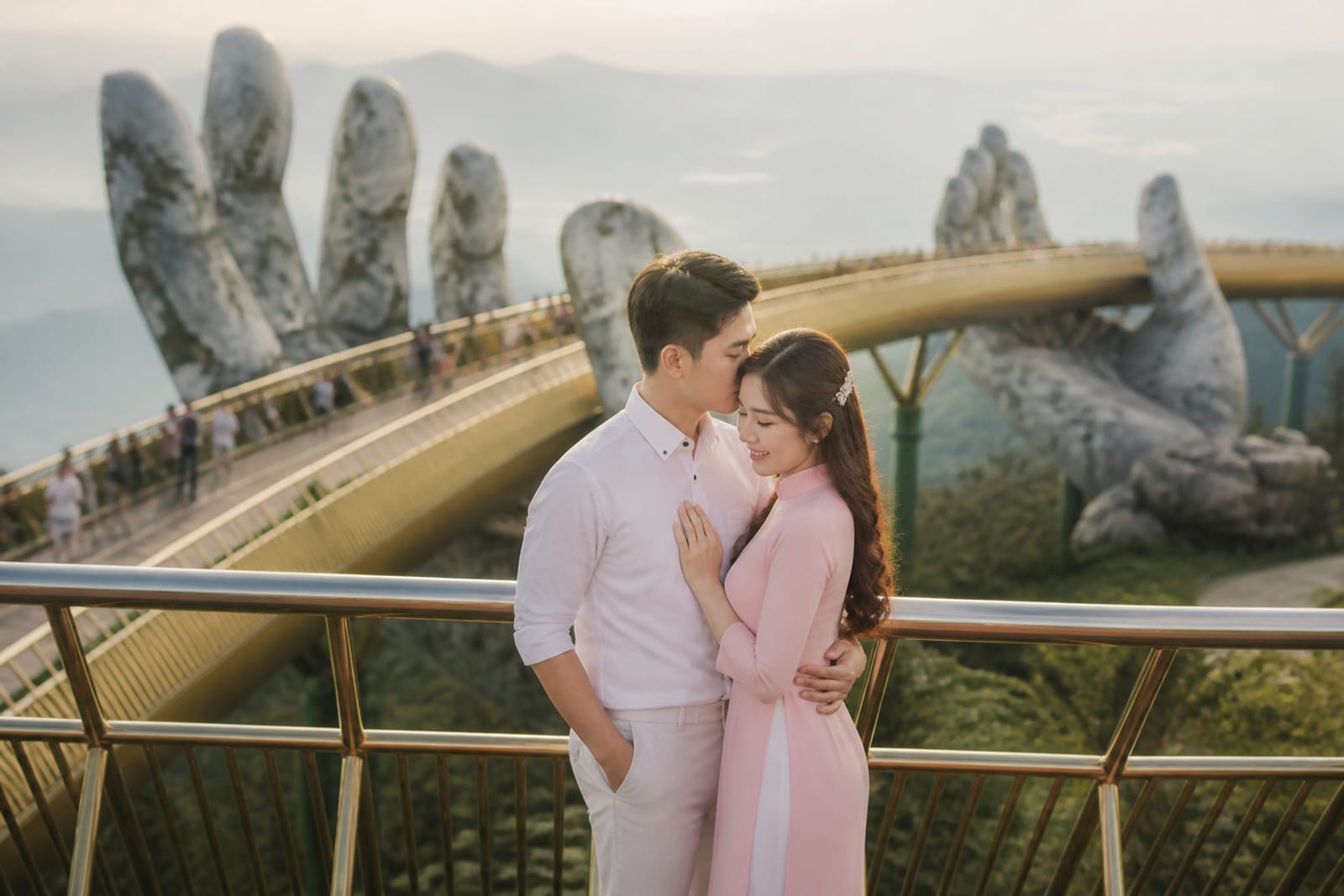
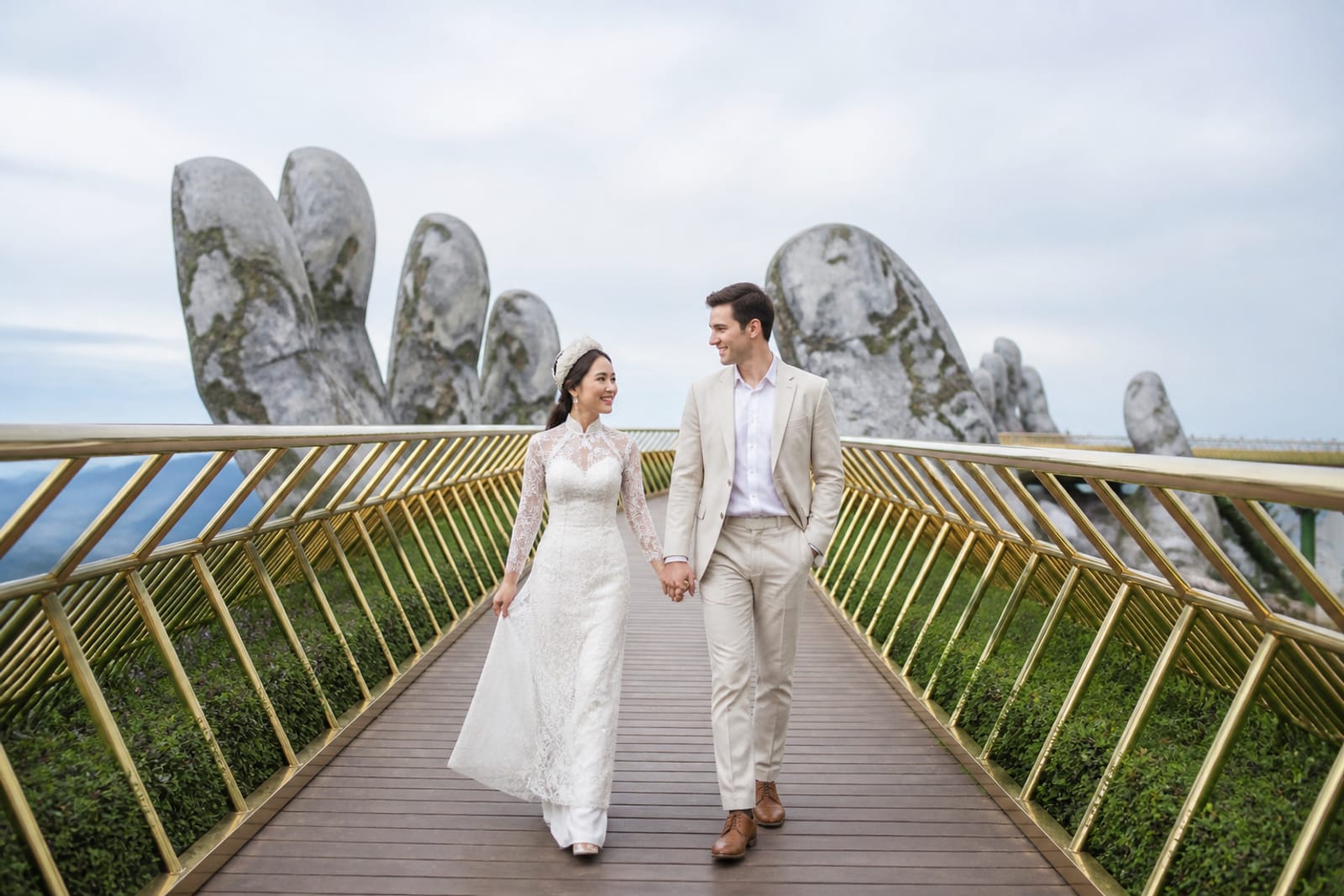
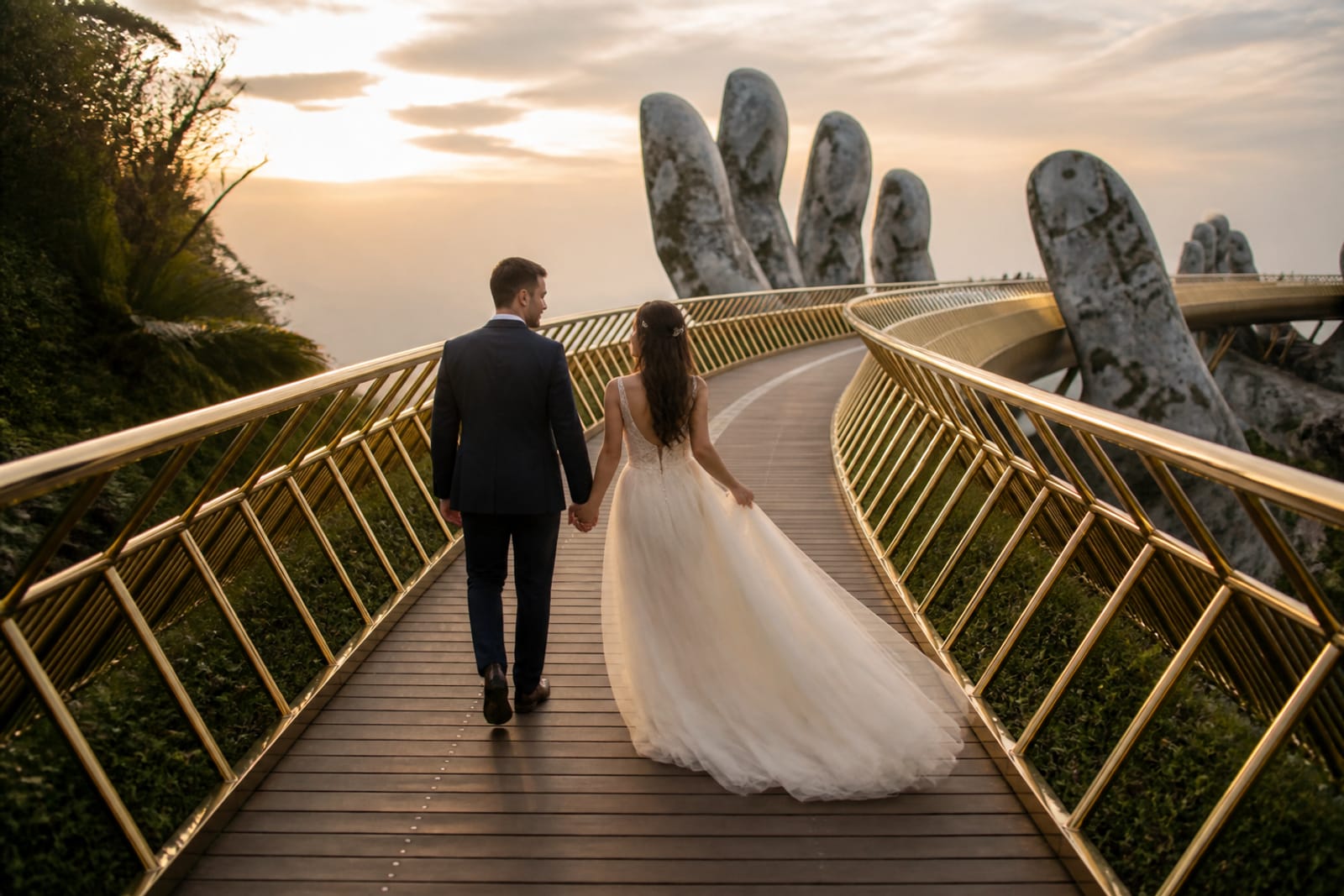
Da Nang's strength is layered backdrops: My Khe beach runs 6 km of soft sand, sunrise hits best from 5:30–6:30 a.m., and the city's French colonial architecture, Marble Mountains and the Golden Bridge (Ba Na Hills, up to 1,400 m) sit within one hour's drive. Mui Ne offers dune fields, fishing villages and a narrower beach ideal for silhouettes; golden hour (6–7 p.m.) casts long shadows across red and white sand, and the landscape demands no permission to shoot.
Da Nang crowds cluster mid-morning; Mui Ne stays quieter but feels more remote—you'll drive 2–3 hours from Ho Chi Minh City or 4–5 hours from Hanoi. If you want a one-day shoot with multiple looks (beach, urban, mountain, temple), Da Nang wins. If you crave isolation and drama, Mui Ne rewards the travel.
| Feature | Da Nang | Mui Ne |
|---|---|---|
| Best light time | Sunrise 5:30–6:30 a.m.; late afternoon 4–5 p.m. | Golden hour 6–7 p.m.; sunrise quieter but less dramatic |
| Landscape variety | Beach, city, temples, mountains, Golden Bridge | Dunes, fishing boats, quiet beach, Red Canyon |
| Crowd level | Heavy mid-morning; calm before 6 a.m. and after 4 p.m. | Sparse except tourist dune tours (9 a.m.–4 p.m.) |
| Season to visit | Feb–Aug (dry); May–Aug hot and humid | Feb–Apr (coolest); May–Aug still good, more rain Sep–Dec |
| Travel time from nearby hub | 30 min from Da Nang airport; compact city | 2–3 hours Ho Chi Minh City; 4–5 hours Hanoi |
| Outfit considerations | Lighter fabrics; breeze management needed | Heavy ao dai skirts catch dune wind; plan hemming strategy |
📸 Book on WhatsApp — ao dai photoshoot | 🌸 See the lookbook
Does season matter more than location?
Season shapes every frame you'll keep. Da Nang's dry months (Feb–Aug) deliver clear skies; May–Aug is hot (30°C+) and humid, so shoot early. The typhoon and flood season (Sep–Dec, worst Oct–Nov) brings grey skies, sudden downpours and rough seas—avoid it. Hoi An, just 30 km south, sits in the same climate zone and receives more rain Sep–Dec.
Mui Ne's February–April window is magical: cool mornings (15–20°C), low humidity and zero rain. May–August stays shootable but expect afternoon heat and occasional showers. Sep–December brings typhoons and unpredictable conditions; book flexible dates or reschedule if storms hit.
If you're traveling from overseas and have fixed dates, check the 10-day forecast before committing. Both locations can pivot: cloud cover at Mui Ne dunes forces a shift to the beach; Da Nang rain can move the shoot to the Golden Bridge (cooler, more sheltered above the clouds). Work with a local photographer who has contingency spots and knows the microclimate around your chosen area.
How does travel logistics shape your choice?
Logistics matter more than they sound. Da Nang: fly into the city's airport, book a hotel on My Khe beach, and shoot without a car (temples and urban spots are taxi-close). A shoot can start at sunrise, swing through the Marble Mountains by mid-morning, rest during midday heat, and finish at the Golden Bridge or a café in the late afternoon. One base, multiple looks.
Mui Ne: you'll need a driver or rental car. Most couples stay in Mui Ne town, start at a dune before sunrise (4:30 a.m. wake-up), rest mid-day, and shoot the beach at sunset. A second day opens up the Red Canyon (east of Mui Ne) or Ke Ga Lighthouse. If you're based in Ho Chi Minh City, you can day-trip but lose the flexibility to wait for perfect light.
For pre-wedding shoots, factor in makeup application: will you get ready at your hotel or at a studio? Cáo Studio offers makeup & hair at your hotel in Hanoi, Ho Chi Minh City and Hoi An, but for Da Nang or Mui Ne, you'll hire a local makeup artist (ask your photographer for a referral). This adds 1–1.5 hours to your morning.
What do ao dai and wedding attire demand of each location?
Ao dai behaves differently at each site. Da Nang's seafront breeze tugs at silk; a fitted ao dai stays composed, but loose, flowing designs risk tangles and show-through (humidity clings). Mui Ne's dune wind is fiercer—wider ao dai skirts lift, heavier fabrics (silk, satin) weigh you down in sand, and hemming becomes crucial (sand sticks to wet hems after morning dew).
If you're renting or buying, test the outfit at the shoot location a day before or request a local tailor's advice. For ao dai photoshoots, the studio can advise on fit and movement; ask on WhatsApp about the best cut for your chosen destination.
Wedding dress or Western gown? Da Nang's humidity can wilt tulle and satin by late afternoon; Mui Ne's dry, desert air is kinder but sand damages hems and the wind plays havoc with veils. Bring a second, simpler outfit (linen slip dress, tailored pants) for the second half of the day or as a backup if the forecast sours.
Groom: lightweight suit (linen-cotton blend) works Feb–Apr; skip the vest. By May–August, a shirt and tailored trousers without the jacket keeps you cool and avoids sweat stains on camera. Mui Ne's windier dunes call for a lightweight tie or unbuttoned shirt for movement. Consider suit & groom outfit rental through a local vendor once you've booked your photographer—they'll know what works.
How do you find and brief a local photographer if Cáo Studio isn't there?
Cáo Studio – Makeup & Photoshoot operates in Hanoi, Ho Chi Minh City and Hoi An; Da Nang and Mui Ne require local photographers. Start by asking your hotel concierge for referrals (they hear feedback constantly). Search Instagram hashtags like #danangnhưcầu, #danangguitrà, #muineprewedding; follow photographers with genuine pre-wedding portfolios, not just influencer beach shots. Check their reviews on Google and ask for references from couples who shot there in the same season.
Video calls matter: show them your mood board, ask exactly where they'll shoot (named spots, travel time), how they handle weather pivots, and whether they've shot ao dai before. Clarify the delivery timeline (how many edited files, how soon you'll see proofs, when finals arrive). Agree on backup dates: monsoon season means flexibility saves heartbreak.
Budget for travel time: a Da Nang photographer will quote the session and add costs if you demand spots 45+ minutes away (Ba Na Hills). Mui Ne photographers will factor in 4:30 a.m. dune shoots and the wear on their vehicles. Confirm inclusions: does hair/makeup count as their time? Do they bring a second shooter? How many outfit changes fit the session?
For context on what makes a thorough session, explore pre-wedding & elopement and wedding day photographer pages to understand the scope and questions to ask any vendor.
What should you check before committing to a date and location?
Avoid these pitfalls:
- Typhoon season (Oct–Nov): both locations are risky. Check the 10-day forecast once your date is within two weeks, and negotiate a flexible reschedule clause in your contract.
- Tet (late Jan–mid Feb): many vendors close or hike prices. Book early if you want February.
- Midday 11 a.m.–3 p.m.: harsh, flat light. Build a rest or outfit-change block into your timeline.
- Borrowed or rented ao dai: try it on, sit in it, walk in sand (or wet grass) before the shoot. Hems fray; bring a safety kit (needle, thread, pins, fashion tape).
- Sunscreen on skin: apply reef-safe SPF before makeup, or bring touch-up powder; sweat and salt water wash sunscreen away within 90 minutes.
- Tide times (Da Nang beach): scout low tide if you want wet sand reflections; high tide shrinks the beach and washes debris. Ask your photographer to confirm the tide table for your shoot date.
- First light vs. golden hour prep: if you shoot sunrise (5:30–6:30 a.m.), get ready by 4:30 a.m.; allow makeup drying time outdoors in sea air (it takes longer).
Contact your photographer the day before to confirm the exact pick-up time, weather plan and any equipment or permit needs. Have their phone number saved, set a second alarm, and pack overnight because nothing is guaranteed in monsoon season.
Keepsakes after the shoot
Once you've chosen your location and photographer, think about how you'll preserve and share the images. Photo prints & frames elevate a single frame into a keepsake; wedding photo albums hold the full story. Many couples design a hardcover album for their parents—order samples and timelines from vendors well before the shoot, so you know exactly what you're aiming for.
For couples who want motion as well as stills, ask whether your photographer offers wedding & pre-wedding video or can recommend a videographer. Mui Ne's dunes and Da Nang's sunrise are cinematic; video captures movement through wind and light that stills can't.
FAQ
Is Da Nang better for pre-wedding photos than Mui Ne?
Neither is objectively better. Da Nang suits urban-romantic couples with one-day multi-location shoots and established infrastructure; Mui Ne serves couples who want raw, desert landscape and don't mind early mornings and long drives. Match the destination to your aesthetic, not the hype.
When should I book a photographer for Da Nang or Mui Ne?
Book 2–3 months ahead for peak season (Feb–Apr). Oct–Nov requires flexible dates or higher fees due to typhoon risk. Ask photographers about rescheduling terms in writing.
Can I rent an ao dai in Da Nang or Mui Ne, or should I bring one from Hanoi?
Both cities have tailors and rental shops, but selection and quality vary. If you have a favorite ao dai, bring it. If you're renting locally, try it on at least two days before the shoot; sand and sea salt can damage hems, so confirm the rental terms and deposit.
How early should I wake up for a sunrise shoot at Da Nang or Mui Ne?
Aim for 4:30–5 a.m. wake-up, makeup done by 5:45 a.m., camera ready by 6 a.m. Sunrise is 5:30–6:30 a.m. Feb–Mar, later by May–Aug. Mui Ne dune shoots need 4 a.m. wake-up to reach the location before crowds arrive.
What if it rains on my shoot day?
Reschedule if possible (your contract should allow it). If you can't, ask your photographer about indoor backups: cafés, hotels, temples (seek permission for temples). Rain creates moodiness; sometimes the best frames come from grey light if both of you commit to the mood.
Should I hire a makeup artist separate from the photographer?
Yes. Photographers focus on light and composition; a dedicated makeup artist ensures your look holds through humidity, wind and sweat. Ask your photographer for a referral; they know who works well in your chosen location.
Do Da Nang and Mui Ne need permits for pre-wedding shoots?
Most beaches and dunes don't require permits, but some temples do. Confirm with your photographer and the venue owner. Military zones (rare but exist on some Da Nang beaches) may restrict foreign photographers; a local photographer navigates this. === 🌸 See the lookbook | 📸 Book on WhatsApp — ao dai photoshoot
FAQ
Is Da Nang better for pre-wedding photos than Mui Ne?
Neither is objectively better. Da Nang suits urban-romantic couples with one-day multi-location shoots and established infrastructure; Mui Ne serves couples who want raw, desert landscape and don't mind early mornings and long drives. Match the destination to your aesthetic, not the hype.
When should I book a photographer for Da Nang or Mui Ne?
Book 2–3 months ahead for peak season (Feb–Apr). Oct–Nov requires flexible dates or higher fees due to typhoon risk. Ask photographers about rescheduling terms in writing.
Can I rent an ao dai in Da Nang or Mui Ne, or should I bring one from Hanoi?
Both cities have tailors and rental shops, but selection and quality vary. If you have a favorite ao dai, bring it. If you're renting locally, try it on at least two days before the shoot; sand and sea salt can damage hems, so confirm the rental terms and deposit.
How early should I wake up for a sunrise shoot at Da Nang or Mui Ne?
Aim for 4:30–5 a.m. wake-up, makeup done by 5:45 a.m., camera ready by 6 a.m. Sunrise is 5:30–6:30 a.m. Feb–Mar, later by May–Aug. Mui Ne dune shoots need 4 a.m. wake-up to reach the location before crowds arrive.
What if it rains on my shoot day?
Reschedule if possible (your contract should allow it). If you can't, ask your photographer about indoor backups: cafés, hotels, temples (seek permission for temples). Rain creates moodiness; sometimes the best frames come from grey light if both of you commit to the mood.
Should I hire a makeup artist separate from the photographer?
Yes. Photographers focus on light and composition; a dedicated makeup artist ensures your look holds through humidity, wind and sweat. Ask your photographer for a referral; they know who works well in your chosen location.
Do Da Nang and Mui Ne need permits for pre-wedding shoots?
Most beaches and dunes don't require permits, but some temples do. Confirm with your photographer and the venue owner. Military zones (rare but exist on some Da Nang beaches) may restrict foreign photographers; a local photographer navigates this. === [🌸 See the lookbook](/lookbook) | [📸 Book on WhatsApp — ao dai photoshoot](/book)
Ao dai, makeup, hair and a local photographer in Hanoi or Saigon — one WhatsApp message.