/pre-wedding-photoshoot
Luxury pre-wedding photos in Hanoi: what to compare before booking
A luxury pre-wedding photoshoot in Hanoi is a directed, full-team session where one photographer, makeup artist, hairstylist and stylist collaborate to capture your couple story in real light—not posed portraits. Cáo Studio shoots in Hanoi year-round, with autumn (Oct–Nov) offering the softest, most consistent light and minimal crowds. Sessions typically begin at dawn (5:30–6:30 am for Huc Bridge or the Red River) or in golden hour (late afternoon), and you'll walk, interact and move naturally while the director frames detail, medium and wide shots. Avoid shooting in May–Sep (extreme heat, 35°C+, heavy midday humidity) and plan your session 6–12 weeks ahead. The key difference from traditional studios: one team means consistent creative direction, faster turnaround (48 hours for edited stills plus a short film), and no miscommunication between vendors. Clarify outfit choices, location logistics and editing style before booking—these vary by studio and affect the final feel of your frames. ---
Why does Hanoi autumn give you the best light for pre-wedding shoots?
October and November offer mild temperatures (18–25°C), low humidity, clear skies and soft, directional light in early morning and late afternoon. The weak winter sun in Dec–Feb creates flat, grey tones; spring (Mar–Apr) brings haze and drizzle; summer (May–Sep) burns harsh midday shadows and demands 5:30 am starts just to avoid heat. Autumn light is forgiving for a full day of location moves—skin tones read warm, water reflects without glare, and tree canopies (especially Phan Dinh Phung street's golden foliage) frame the frame naturally. Winter crowds at landmarks are also lighter before Tet (late Jan–mid Feb). Autumn is the commercial sweet spot—book 8–12 weeks ahead if you want October or November slots.
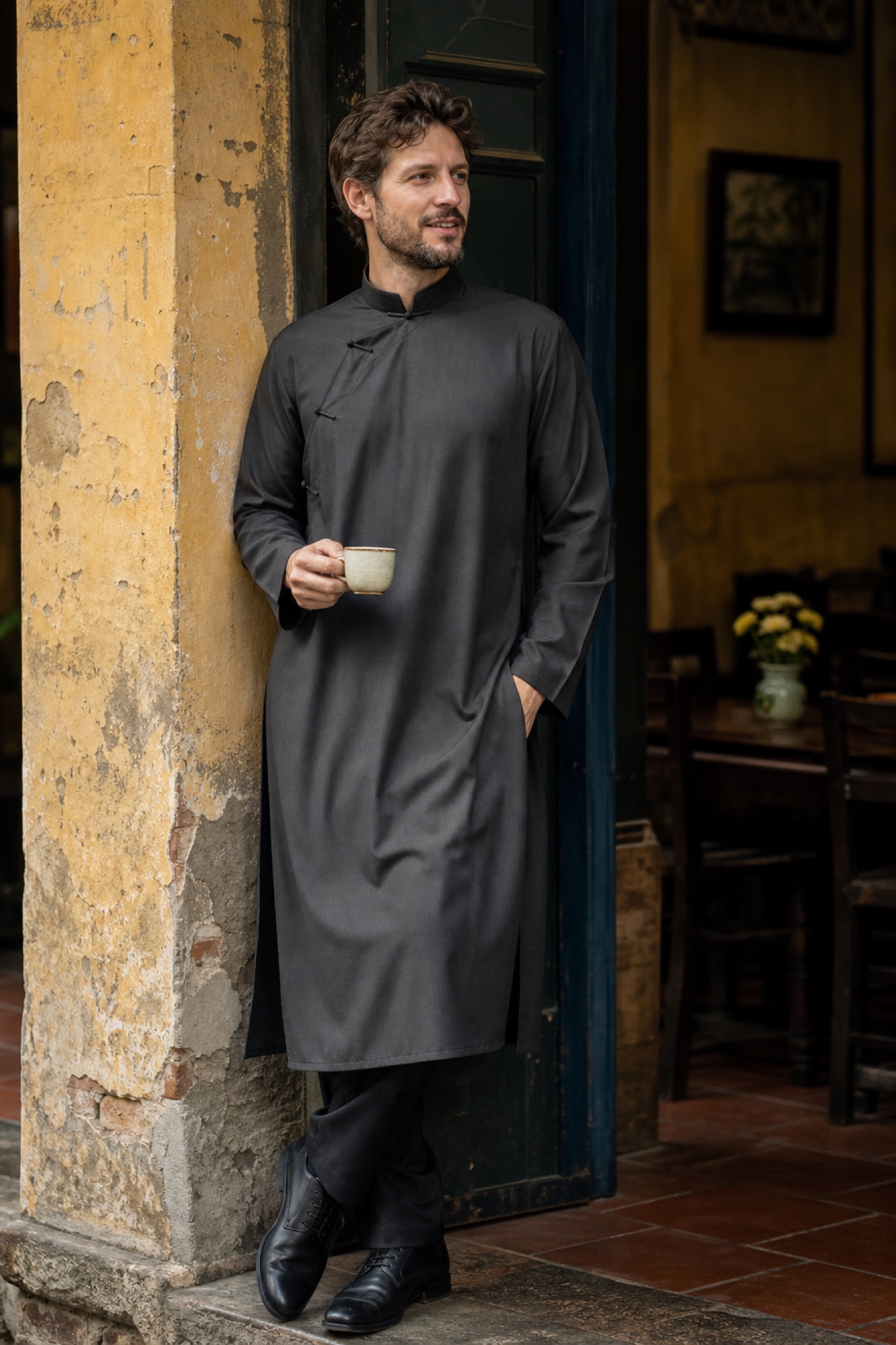
Should you hire one team or three separate vendors?
| Approach | Best for | Coordination burden | Turnaround | Why it matters |
|---|---|---|---|---|
| One studio (director + makeup + hair + photographer) | Couples who want unified creative vision and speed | Minimal—one booking, one brief | 48 hours typical | Hair/makeup and framing align; if light changes, all adapt together |
| Separate photographer + makeup artist + stylist | Couples with strong relationships to specific artists or DIY budget control | High—three schedules to mesh, three briefs to align | 1–2 weeks or unpredictable | Risk: makeup over-glam for soft natural light, or outfit clashing with location palette |
| Photographer only + DIY hair/makeup | Budget-first couples or those already using regular salon services | Medium—you coordinate your own timing and touch-ups | Depends on photographer's workload | Works if light and location are your priority; makeup fatigue by hour three is common |
One team shoots faster because the director sees the look while framing the light—if the makeup is too matte under soft golden hour, the makeup artist adjusts in real time. With three vendors, gaps emerge: the stylist chose a heavy white ao dai, but the morning light on the Citadel's stone walls is cool, making the wearer look washed. By the time the photographer notices, two hours are gone. Cáo Studio operates as one unit—the photographer briefs the makeup artist and stylist on location palette and light timing the day before.
📸 Book on WhatsApp — pre-wedding photoshoot
What season and time of day should you choose?
Best seasons: Oct–Nov (autumn, cool and clear); Feb–Apr (spring, mild, but expect haze some days). Avoid: May–Sep (heat, humidity, afternoon downpours); late Jan–early Feb (Tet closures, crowds). Within your chosen season, time of day is where the director earns their fee. Golden hour (4:30–6:30 pm) wraps your couple in warm, directional side light—ideal for walking shots along rivers or in alleyways. Dawn (5:30–6:30 am) offers soft, cool-toned light and empty streets; best for intimate framing (close-ups of hands, eyes, movement) and monument silhouettes. Midday (10 am–3 pm) is avoided: harsh shadows under eyes, flat skin, and blown-out sky. A director who knows Hanoi's light will schedule your session to hit Huc Bridge at 6:10 am (soft side light before pedestrian crowds) or the Citadel at 5:00 pm (warm stone, raking shadows on walls). Your choice of season and time directly sets whether frames feel romantic or documentary—confirm the director's plan in your pre-shoot brief.
What do you wear under an ao dai to feel confident during the shoot?
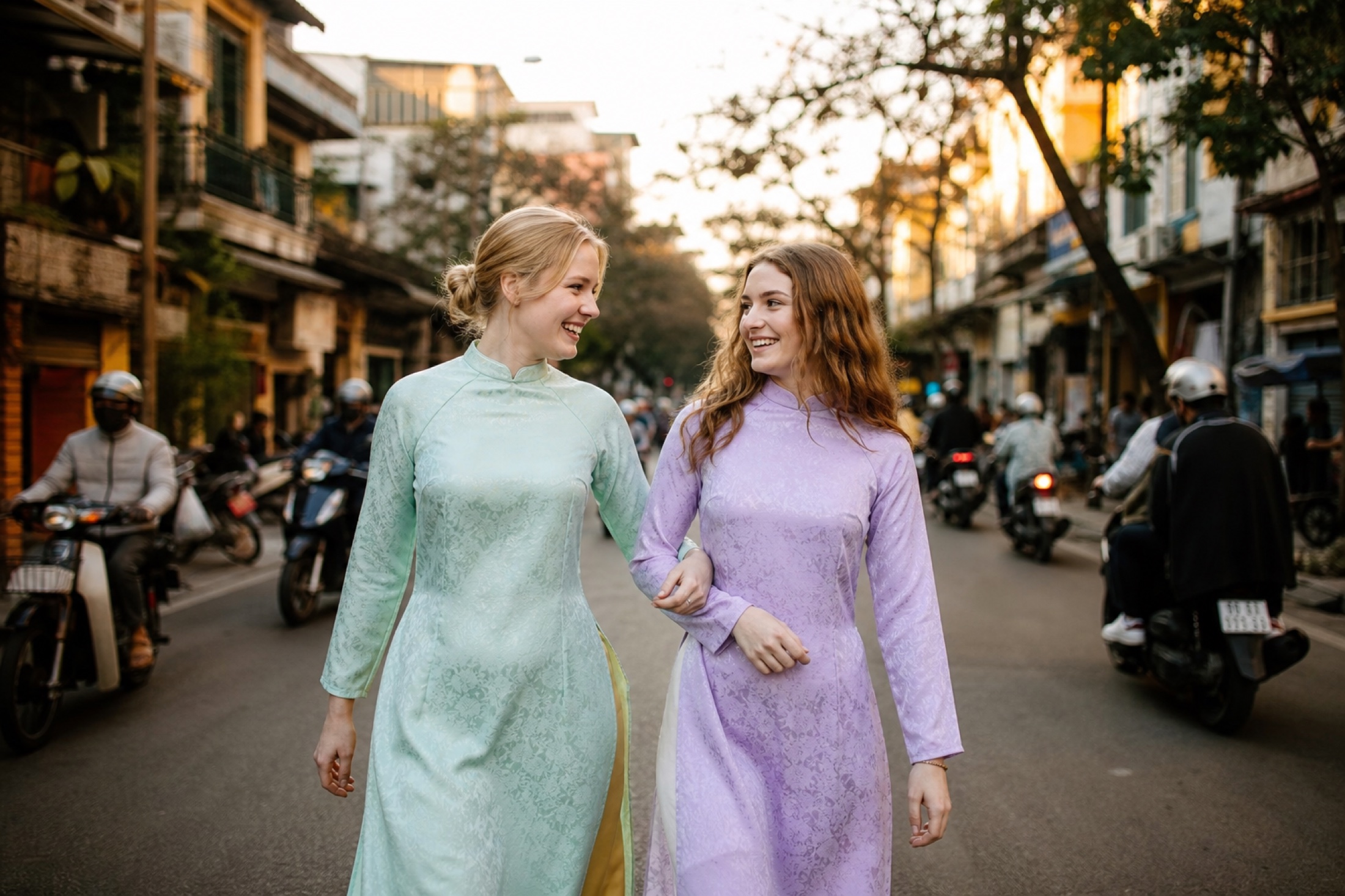
An ao dai is cut to skim the body, not hug it, so undergarments must be smooth and invisible. Wear a seamless nude slip (or white if your ao dai is very sheer) from shoulder to mid-thigh—no bra seams, no waistband lines, no VPL (visible panty lines). Some couples wear a thin undershirt (like a tank or long-sleeve fitted tee in nude) under the outer layer to reduce transparency. The inner panel of an ao dai is already semi-opaque, but sheer outer fabrics (silk, linen blends) will show seams if undergarments aren't chosen carefully. A stylist or rental vendor (e.g., ao dai rental) will advise on slip weight for your specific ao dai fabric. Shoes: wear simple, flat leather sandals or ballet flats in neutral tones—ao dais are ankle-length, so feet rarely appear, but comfort for walking all day matters. Skip belts, heavy jewelry and anything that catches in the fabric as you move. If you're renting, ask the stylist which slip they recommend; if you own your ao dai, buy a proper dancer's slip or ask a tailor if your current slip is visible under studio light.
How do you choose a location that fits your couple story?
The best location is one where you've both felt something—a street where you first walked together, a café you return to, a lake at sunrise you both love. Iconic Hanoi landmarks (Huc Bridge, Citadel, Old Quarter) are beautiful but impersonal; a director's job is to use them as backdrops, not to treat them as the story. Cáo Studio scouts locations for light, foot traffic, and framing depth: Huc Bridge works at 6:10 am because the soft light reflects off water and stone, and pedestrians haven't arrived yet; the Citadel's north wall is best lit at 5:00 pm when the sun rakes across weathered brick; narrow alleys in the Old Quarter trap morning light between buildings, creating a tunnel effect ideal for intimate walking shots. Avoid shooting during public holidays (Tet, National Day); check if Train Street access is open (authorities restrict it periodically). A director will ask you three questions: Where do you feel most like yourselves? What mood—romantic, playful, contemplative? Do you want urban, natural or mixed? Your answers narrow the location list. Then the director confirms light timing and scouts the exact frame 1–2 days before the shoot. Your emotional connection to a place reads in photos more than the place itself.
What should you check before booking a pre-wedding photoshoot?
Check these four factors before committing:
- Creative direction. Ask the studio to share how they brief a shoot—do they show you a shot list, location map and light timing 1–2 days before? Or do they wing it? Cáo Studio shares a detailed shot plan (first location, time, outfit, posing cues like "walk away from camera, look back") with couples before the session.
- One team vs. outsourced. Confirm whether the photographer, makeup artist and hairstylist are in-house or booked separately. If separate, ask how they communicate during the shoot if light or timing shifts. One team can adapt in real time.
- Turnaround and deliverables. How many edited photos will you get? When are they ready? Is there a short film, a preview gallery, a full album? Studios vary widely—some deliver 80 final frames in 48 hours, others take 2 weeks and deliver 200 RAW files you must cull yourself. Cáo Studio confirms exact deliverables on WhatsApp before booking.
- Seasonal cost factors. Autumn shoots may cost more due to demand; very early morning (5:30 am) or multi-day shoots add logistics. Indoor sessions (hotel makeup or wedding-day coverage) cost differently than location shooting. Ask the studio to break down cost factors, not just a package price—travel time, outfit changes, number of locations and shoot duration all affect the quote.
- Cancellation and weather policy. What happens if it rains on your shoot day? Do you reschedule, move indoors, or forfeit payment? Hanoi's Oct–Feb dry season is safest, but spring and autumn can surprise with drizzle. Confirm the studio's policy in writing.
Ask Cáo Studio on WhatsApp for a quote and detailed pre-shoot brief.
---
Is a luxury pre-wedding shoot worth the cost?
Yes, if you prioritize creative direction and one unified team over volume. A directed session produces 30–60 final frames (not 200 contact sheets) that tell your story—walk, light, emotion—without filler. You're paying for the director's eye, the makeup artist's ability to adapt to light, and the stylist's knowledge of fabric and season. A couple who shoots in autumn with one team at optimal light hours will have frames they return to for decades; a couple who shoots on a random Tuesday in July with three vendors might have technically sound photos that feel generic. Pre-wedding shoots sit between vacation memory snaps and wedding-day coverage—they're your artistic couple portrait, not your legal record. Invest if you want frames that feel like cinema, not snapshots. Invest if you want to spend the day being creative with your partner, not standing still in front of monuments. Invest if you value a single director's vision over a studio's "30+ styles available."
📸 Book on WhatsApp — Hanoi pre-wedding photoshoot | 🎬 Wedding day & video | 🌸 Couple & family sessions
---
Can you combine pre-wedding photos with other services?
Yes. Many couples book ao dai rental and makeup & hair at your hotel on the morning of the shoot, so the full team is coordinated from hair to lens. Some add a proposal or anniversary session if they want separate frames for engagement announcements. A few book wedding-day coverage alongside pre-wedding shoots—the pre-wedding is artistic, the wedding day is journalistic. Cáo Studio also offers family photoshoots if you want extended family in frames, and wedding video to pair with stills. Each service is booked separately on WhatsApp, but the studio can brief all vendors (hair, makeup, photographer, videographer) on a shared brief so the day feels unified.
Confirm on WhatsApp which services and dates you're interested in; the studio will create one timeline to keep everything synchronized.
---
FAQ
Should we book pre-wedding photos before or after our engagement announcement?
Either. Some couples shoot pre-wedding frames before announcing to have surprise content for social media; others shoot after engagement with the freshness of new commitment in their eyes. The studio will adapt the briefing to your timing. Let them know which you prefer.
What's the difference between a pre-wedding shoot and wedding-day photography?
Pre-wedding is an artistic, directed session in optimal light with time to move between locations. Wedding-day photography captures real moments as they happen—first dance, vows, candid laughs—without direction. Many couples book both: pre-wedding for couple portraits, wedding-day for ceremony and reception.
Can we do a pre-wedding shoot during Tet (Lunar New Year)?
No. Most services close for 3–5 days during Tet (late Jan–mid Feb), and landmarks are crowded. Avoid booking the week before Tet or the week after. Late October, November, March and April are best.
What if the weather forecast says rain on our shoot day?
Ask the studio's cancellation and weather policy before booking. Some reschedule to the next available date; others move to covered locations (temple corridors, arcade alleyways, hotel lobbies). Confirm this in writing so you're not surprised if it drizzles.
Do we need to bring our own ao dai, or does the studio provide it?
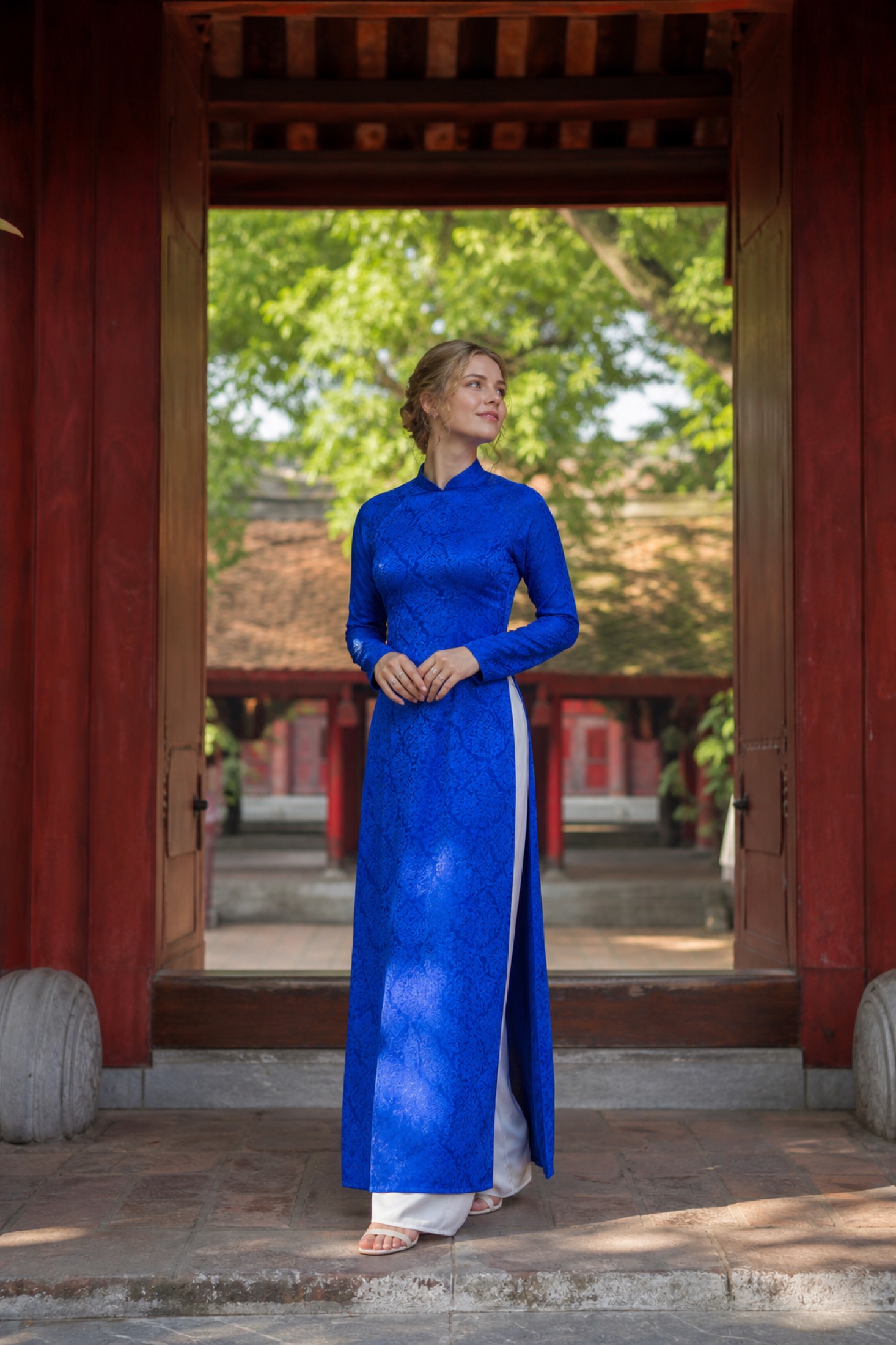
Cáo Studio works with renters and seamstresses; confirm whether rental or personal ao dai is included on WhatsApp. If you own an ao dai, bring it and a seamless slip in the correct shade. If renting, the studio recommends partners and advises on fit 1–2 weeks before the shoot.
How much time should we allow for the full shoot day?
Typically 4–6 hours (dawn start or afternoon into golden hour). One location might take 90 minutes; a second location another 90 minutes. Hair and makeup are usually done at your hotel before the shoot begins, so plan 1–2 hours for that as well.
FAQ
Should we book pre-wedding photos before or after our engagement announcement?
Either. Some couples shoot pre-wedding frames *before* announcing to have surprise content for social media; others shoot *after* engagement with the freshness of new commitment in their eyes. The studio will adapt the briefing to your timing. Let them know which you prefer.
What's the difference between a pre-wedding shoot and wedding-day photography?
Pre-wedding is an artistic, directed session in optimal light with time to move between locations. Wedding-day photography captures real moments as they happen—first dance, vows, candid laughs—without direction. Many couples book both: pre-wedding for couple portraits, wedding-day for ceremony and reception.
Can we do a pre-wedding shoot during Tet (Lunar New Year)?
No. Most services close for 3–5 days during Tet (late Jan–mid Feb), and landmarks are crowded. Avoid booking the week before Tet or the week after. Late October, November, March and April are best.
What if the weather forecast says rain on our shoot day?
Ask the studio's cancellation and weather policy before booking. Some reschedule to the next available date; others move to covered locations (temple corridors, arcade alleyways, hotel lobbies). Confirm this in writing so you're not surprised if it drizzles.
Do we need to bring our own ao dai, or does the studio provide it?
Cáo Studio works with renters and seamstresses; confirm whether rental or personal ao dai is included on WhatsApp. If you own an ao dai, bring it and a seamless slip in the correct shade. If renting, the studio recommends partners and advises on fit 1–2 weeks before the shoot.
How much time should we allow for the full shoot day?
Typically 4–6 hours (dawn start or afternoon into golden hour). One location might take 90 minutes; a second location another 90 minutes. Hair and makeup are usually done at your hotel before the shoot begins, so plan 1–2 hours for that as well.
Ao dai, makeup, hair and a local photographer in Hanoi or Saigon — one WhatsApp message.