/pre-wedding-photoshoot
Pre-wedding photoshoot in Hoi An in the rainy season
Pre-wedding shoots in Hoi An during the rainy season (September–December, worst October–November) capitalize on soft grey light, minimal crowds, and lush green surroundings—but require weather contingency and outfit protection. Flooding occurs in the Ancient Town during peak rain months; sunrise (5:30–6:30 a.m.) is driest and quietest. Sessions run 2–4 hours with outfit changes in safe zones; Cáo Studio – Makeup & Photoshoot travels to Hoi An by appointment, booking dates on WhatsApp. Costs depend on location complexity, number of outfits, and travel logistics. Avoid October–November unless you accept water-logged streets as a design choice; December–January offer cooler, drier alternatives with occasional drizzle and fewer tourists. ---
Why couples book rainy-season shoots in Hoi An
The Ancient Town transforms under grey skies. Clouds diffuse harsh midday sun, eliminating shadows on faces and fabric; wet stone pavements reflect soft light, creating intimate, cinematic frames. Tourist crowds thin by 60–70% compared to February–April, letting you walk lantern-lit streets without waiting for strangers to pass. If moody, romantic tones align with your vision—not bright, tropical brightness—the rainy season delivers that aesthetic at a quieter moment. Early morning mist adds atmosphere; afternoon showers clear spectators and cool the air.
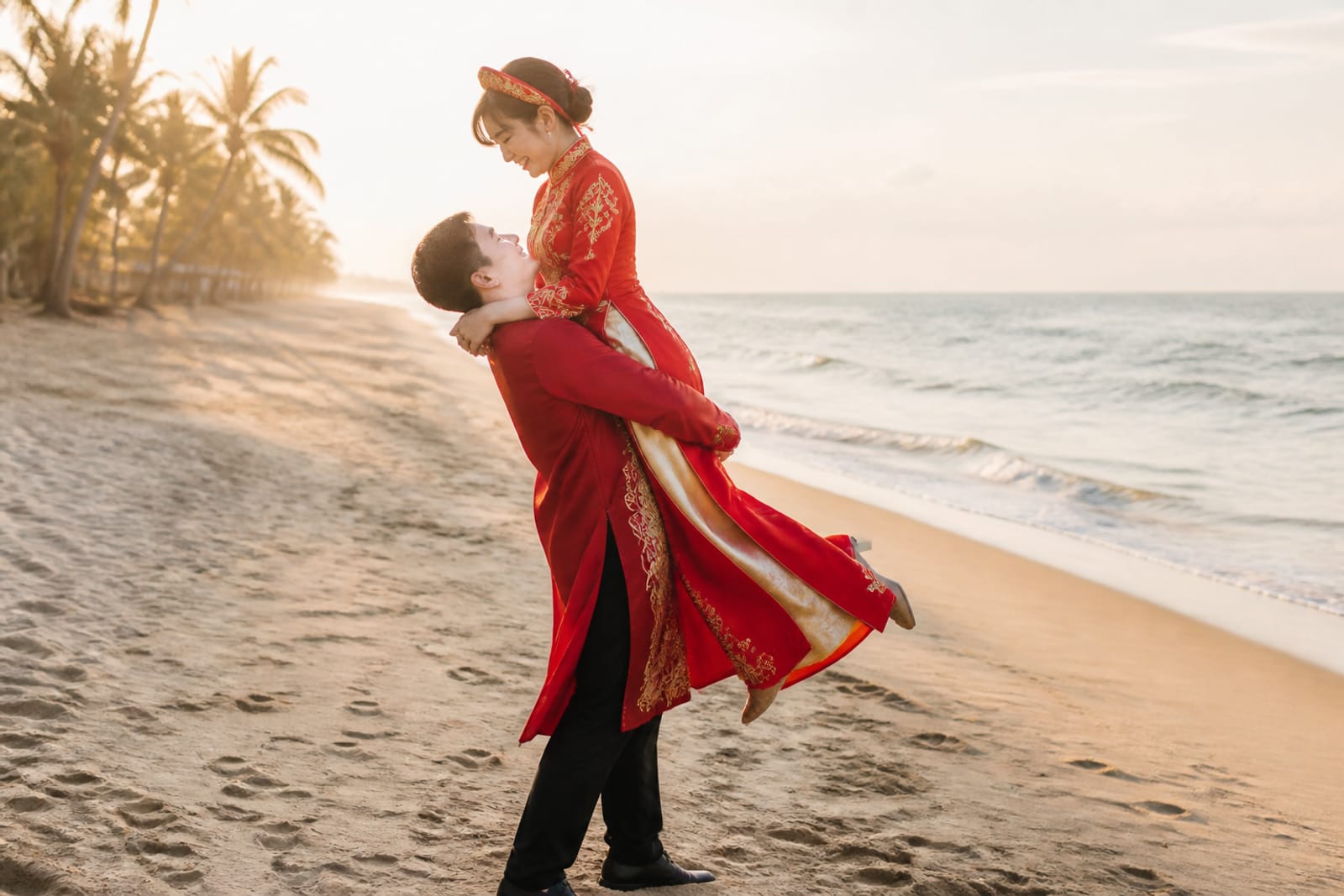
Most couples pair this season with an ao dai for cultural texture and the way silk moves in damp conditions. The catch: water damage to cameras and phone batteries, ruined makeup in humidity, and genuine flood risk in the Ancient Town's low-lying zones during peak rain weeks (October–November). Plan accordingly or shift to December–January for similar mood with lower flood probability.
📸 Book on WhatsApp — ao dai photoshoot
What flooding means for your shoot location
Between October and November, the Ancient Town sits in a flood plain. Heavy rain raises water 15–30 cm in streets, making movement risky and aesthetic choices difficult—flooded cobblestones look muddy, not romantic. The Hoai River swells, and drainage fails. December–January bring scattered showers rather than sustained downpours; water clears by late morning in most zones.
If you book October–November, confirm with Cáo Studio via WhatsApp that your chosen locations remain accessible. Bridge shots and high-level temple stairs work; lower lantern-lined alleys often don't. Waterproof footwear (not flip-flops) is essential. Some couples embrace the flood as visual drama; others reschedule to December or shift to hillside villages and rice fields in the surrounding countryside, where water poses no barrier.
The team books locations day-by-day, adjusting for real-time conditions. Risk isn't inevitable—it's a factor to discuss before committing to October–November dates.
Best time of day and light direction in rainy months
Sunrise (5:30–6:30 a.m.) offers your safest window. Darkness lifts gradually; mist hangs low; streets are empty; locals haven't opened shops. Light is soft, shadowless, and wraps evenly around skin and silk. Makeup stays fresh (no heat-induced melting yet), and humidity sits lower than midday. Shoot for 90–120 minutes, finish by 8 a.m., before tourist foot traffic peaks.
Midday (10 a.m.–2 p.m.) is harder: grey skies remain consistent, but crowds build and humidity peaks, causing makeup and sweat issues. Afternoon (3–5 p.m.) works only if rain hasn't resumed—clouds are uniform, but spectators linger.
Dusk (5:30–7 p.m.) is contested territory. Lanterns light at dusk; the visual is magical. But rain often returns in late afternoon, and low light demands high ISOs or flash—risks for authentic natural tones. Ask the photographer if they shoot dusk during rainy season; some specialize in it, others avoid it.
Cáo Studio scouts light timing during your WhatsApp conversation and recommends slots matched to your outfit and preferences.
Outfit choices: what works and what doesn't in humidity and water
| Outfit Type | Best for | Rainy Season Fit | Why It Works |
|---|---|---|---|
| Ao dai (silk or cotton blend) | Cultural anchor, movement | Excellent if fabric is quick-dry; avoid pure silk in downpour | Drapes elegantly wet; dries without damage; floats in flood water |
| Western wedding dress | Romanticized bridal look | Poor unless knee-length or protective wrap | Long hems drag in water; trains absorb mud; humidity wreaks havoc on bustles |
| Lightweight linen separates (groom/partner) | Casual, modern aesthetic | Good; linen wrinkles but absorbs sweat less | Breathable, dries fast; doesn't cling in humidity |
| Formal suit (wool/blend) | Traditional groom look | Fair; requires protection and quick drying | Heavy fabric absorbs water; takes hours to dry; limits mobility in flooded zones |
| Casual vintage dresses or structured cotton | Bohemian or indie vibe | Good; cotton withstands water better than silk | Breathable, dries evenly; stains visible in flood water—choose darker tones |
Fabric choice matters more than style. Cotton-blend ao dai is practical; pure silk is gorgeous but expensive to repair post-flood. Linen and cotton wrinkle—embrace it as texture or iron on-site. Avoid long trains, heavy embellishments, and light colors that show water stains. If you rent from Cáo Studio's ao dai rental partner or suit & groom outfit rental, ask specifically about rain-resistant options and protective covers.
Bring a dedicated waterproof bag for makeup, phones, and jewelry. Wear waterproof undergarments or shapewear that won't chafe if damp. Comfortable waterproof footwear (not visible in shots) is non-negotiable.
Comparing rainy-season vs. dry-season pre-wedding shoots in Hoi An
| Season | Light Quality | Crowds | Weather Risk | Best Outfits | Aesthetic |
|---|---|---|---|---|---|
| Feb–Apr (dry, cool) | Bright, golden, high contrast | High; peak tourist season | Low; occasional drizzle | Western dress, light fabrics | Tropical, romantic, classic |
| May–Aug (dry, hot) | Harsh noon sun, soft at sunrise | Moderate; heat deters some tourists | Low; predictable clear skies | Sleeveless, light colors, flowing fabrics | Bright, airy, summery |
| Sep–Dec (rainy) | Soft, diffused, moody, cinematic | Low; sheets of rain clear streets | High; especially Oct–Nov flooding | Ao dai, structured fabrics, darker tones | Intimate, vintage, atmospheric |
| Dec–Jan (cool, drizzly) | Overcast soft light, occasional breaks | Low-moderate; cooler weather | Moderate; drizzle not downpour | Layered, ao dai, jackets, warm tones | Romantic, understated, cozy |
The decision: Choose rainy season if you want moody, intimate, unrushed aesthetics and accept weather as a creative variable. Choose dry season (Feb–Apr) if you prioritize predictability and prefer bright, joyful light. December is a sweet spot—rainy season mood with lower risk.
Cáo Studio has shot in all seasons; ask via WhatsApp about pre-wedding & elopement packages suited to your season and risk tolerance.
How to prepare and what to check before booking
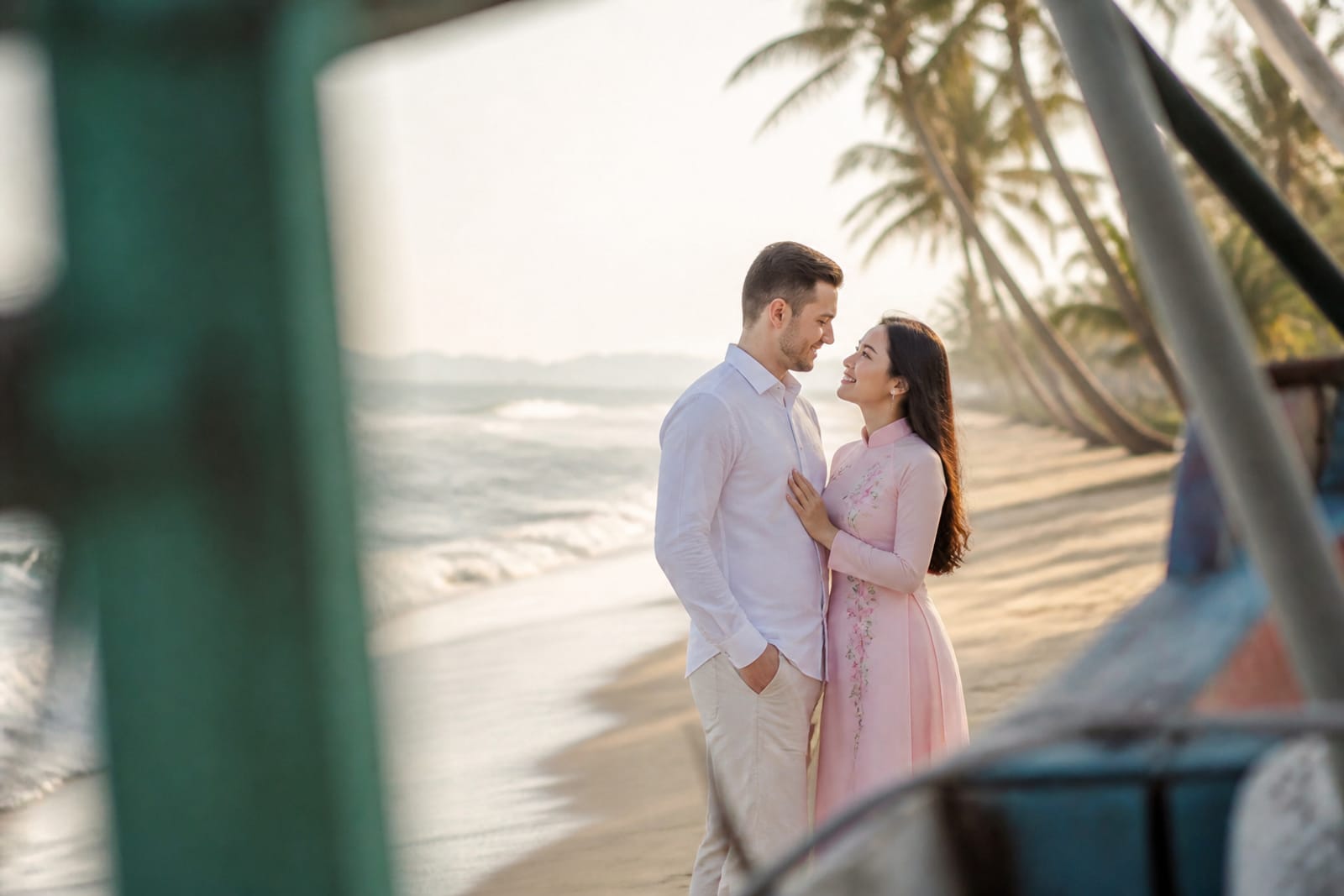
Create a mood board. Collect 8–12 images from rainy-season shoots—moody light, flooded streets, mist, lanterns—and share via WhatsApp. The team validates feasibility, location access, and timing.
Confirm dates with the team. Rainy months are unpredictable; Cáo Studio books appointments only after checking real-time weather forecasts and site access. Ask for a 24–48 hour confirmation window if rain is predicted; many photographers offer free rescheduling during rainy season.
Discuss outfit changes. How many changes? Where will you change (hotel room, rental house, secure shop)? Waterproof garment bags? The team coordinates logistics—confirm this on WhatsApp to avoid last-minute chaos.
Review the makeup & hair process. Humidity and water wreak havoc on base makeup. Ask if the photographer works with makeup & hair professionals or if you're hiring separately. Waterproof makeup, sweat-proof primer, and setting spray aren't luxuries—they're necessities. Cáo Studio partners with makeup artists experienced in rainy-season challenges.
Check insurance and rescheduling terms. Does the package include a free reschedule if weather makes the Ancient Town inaccessible? What counts as "inaccessible"? Ask explicitly. Costs vary based on season and logistics; get a quote on WhatsApp.
Visit the location in person (if possible). Walk the Ancient Town at dawn, note which streets flood, test lighting angles. If you can't visit, ask for a video walkthrough or detailed location notes from the team. The team has scouted spots; lean on their experience.
Hire an assistant or family member. Carrying umbrellas, protecting cameras, managing outfit bags, and keeping everyone fed is a 3-person job during rain. The photographer focuses on frames; you focus on the experience.
---
What to pack for a rainy-season shoot in Hoi An
- Waterproof phone case (camera backup; WhatsApp logistics)
- Compact umbrella (backup; not always used in frame)
- Quick-dry microfiber towels (2–3; crew needs to dry equipment constantly)
- Waterproof bag for electronics and jewelry
- Backup makeup (powder, lipstick, blotting papers, waterproof setting spray)
- Waterproof footwear (dedicated non-visible shoes for walking between scenes)
- Change of undergarments (damp fabrics chafe)
- Plastic bags (for muddy clothing, wet shoes, emergency wrapping)
- Portable phone charger (humidity drains batteries faster)
- Snacks and water (early-morning shoots exhaust energy; hydration keeps makeup stable)
---
Why December–January might suit rainy-season couples better
If the October–November flood risk feels too high, December–January delivers similar moodiness with lower water hazard. Drizzle and overcast skies create soft light; tourist crowds remain thin. Temperature drops 5–10°C compared to September, reducing makeup melt and sweat. Outfits last longer; comfort improves; the shoot feels less like a survival test.
Rain is still possible, but scattered rather than sustained. Many photographers and couples prefer this window as a "rainy season lite" option. Costs align similarly to peak rainy months; availability is often easier because the team isn't juggling rescheduled October–November shoots.
Ask Cáo Studio about pre-wedding photoshoot availability in December during your WhatsApp consultation.
---
Next steps: booking a rainy-season shoot with Cáo Studio
- Message +84 338 762 340 on WhatsApp with your dates, outfit preferences, and mood board.
- Confirm that your dates fall within Hoi An appointment windows. The team travels to Hoi An; not all dates are bookable.
- Discuss location specifics. Ancient Town vs. countryside rice fields vs. riverside temples. Each has different flood risk and light timing.
- Review package inclusions (exact photo count, edited files, delivery time, makeup options) on WhatsApp—these vary by season and complexity.
- Get a quote tied to your chosen season, locations, and outfit count.
- Lock in dates with a deposit (terms on WhatsApp). Rescheduling windows differ by season; confirm before paying.
Cáo Studio also offers couple & family photoshoots, vacation & solo photoshoots, and wedding-day coverage if you're extending your Hoi An time. Explore wedding photo album and photo prints & frames options for keepsakes.
📸 Book on WhatsApp — ao dai photoshoot
---
FAQ
Is October–November too risky for a pre-wedding shoot in Hoi An?
October–November bring the highest flood risk; the Ancient Town can have 15–30 cm of water in streets. If you accept moody, flooded aesthetics as intentional, it works. Otherwise, reschedule to December–January or book countryside locations outside the flood plain. Confirm accessibility 24–48 hours before your shoot date.
What time of day has the best light for rainy-season shoots?
Sunrise (5:30–6:30 a.m.) is optimal: soft, even, shadowless light; minimal crowds; low humidity; fresh makeup. Midday works for consistency but brings crowds and makeup challenges. Dusk is magical for lantern light but risks rain return and technical exposure issues.
Should I wear a western wedding dress or ao dai in rainy season?
Ao dai is superior for rainy conditions: drapes elegantly wet, dries without damage, moves gracefully in wind. Western dresses with long hems and trains absorb mud and water, damage easily, and create mobility hazards in flooded zones. Cotton-blend fabrics outperform pure silk in water exposure.
How does humidity affect makeup during a rainy-season shoot?
High humidity (80–90%) causes foundation breakdown, sweating, and color fading within 1–2 hours. Use waterproof makeup, sweat-proof primer, and setting spray designed for tropical climates. Work with a makeup artist experienced in rainy-season challenges—ask Cáo Studio about makeup & hair partnerships during your WhatsApp booking.
Can I reschedule for free if weather is too bad on shoot day?
Rescheduling terms vary by package and season. Rainy-season bookings often include flexible reschedule windows (24–48 hour postponement, no fee) because weather is unpredictable. Confirm this explicitly when you get your quote on WhatsApp before paying a deposit.
What's the difference between a rainy-season pre-wedding shoot and a dry-season one in cost?
Costs depend on location complexity, outfit count, makeup inclusion, and team travel logistics—not season alone. Rainy months may cost differently due to rescheduling allowances, waterproofing requirements, and makeup specialist demand. Get a WhatsApp quote tied to your specific dates and package choices.
FAQ
Is October–November too risky for a pre-wedding shoot in Hoi An?
October–November bring the highest flood risk; the Ancient Town can have 15–30 cm of water in streets. If you accept moody, flooded aesthetics as intentional, it works. Otherwise, reschedule to December–January or book countryside locations outside the flood plain. Confirm accessibility 24–48 hours before your shoot date.
What time of day has the best light for rainy-season shoots?
Sunrise (5:30–6:30 a.m.) is optimal: soft, even, shadowless light; minimal crowds; low humidity; fresh makeup. Midday works for consistency but brings crowds and makeup challenges. Dusk is magical for lantern light but risks rain return and technical exposure issues.
Should I wear a western wedding dress or ao dai in rainy season?
Ao dai is superior for rainy conditions: drapes elegantly wet, dries without damage, moves gracefully in wind. Western dresses with long hems and trains absorb mud and water, damage easily, and create mobility hazards in flooded zones. Cotton-blend fabrics outperform pure silk in water exposure.
How does humidity affect makeup during a rainy-season shoot?
High humidity (80–90%) causes foundation breakdown, sweating, and color fading within 1–2 hours. Use waterproof makeup, sweat-proof primer, and setting spray designed for tropical climates. Work with a makeup artist experienced in rainy-season challenges—ask Cáo Studio about [makeup & hair partnerships](/makeup-and-hair) during your WhatsApp booking.
Can I reschedule for free if weather is too bad on shoot day?
Rescheduling terms vary by package and season. Rainy-season bookings often include flexible reschedule windows (24–48 hour postponement, no fee) because weather is unpredictable. Confirm this explicitly when you get your quote on WhatsApp before paying a deposit.
What's the difference between a rainy-season pre-wedding shoot and a dry-season one in cost?
Costs depend on location complexity, outfit count, makeup inclusion, and team travel logistics—not season alone. Rainy months may cost differently due to rescheduling allowances, waterproofing requirements, and makeup specialist demand. Get a WhatsApp quote tied to your specific dates and package choices.
Ao dai, makeup, hair and a local photographer in Hanoi or Saigon — one WhatsApp message.