/ao-dai-photoshoot
Traditional Vietnamese Wedding Elements for Ho Chi Minh City Photos
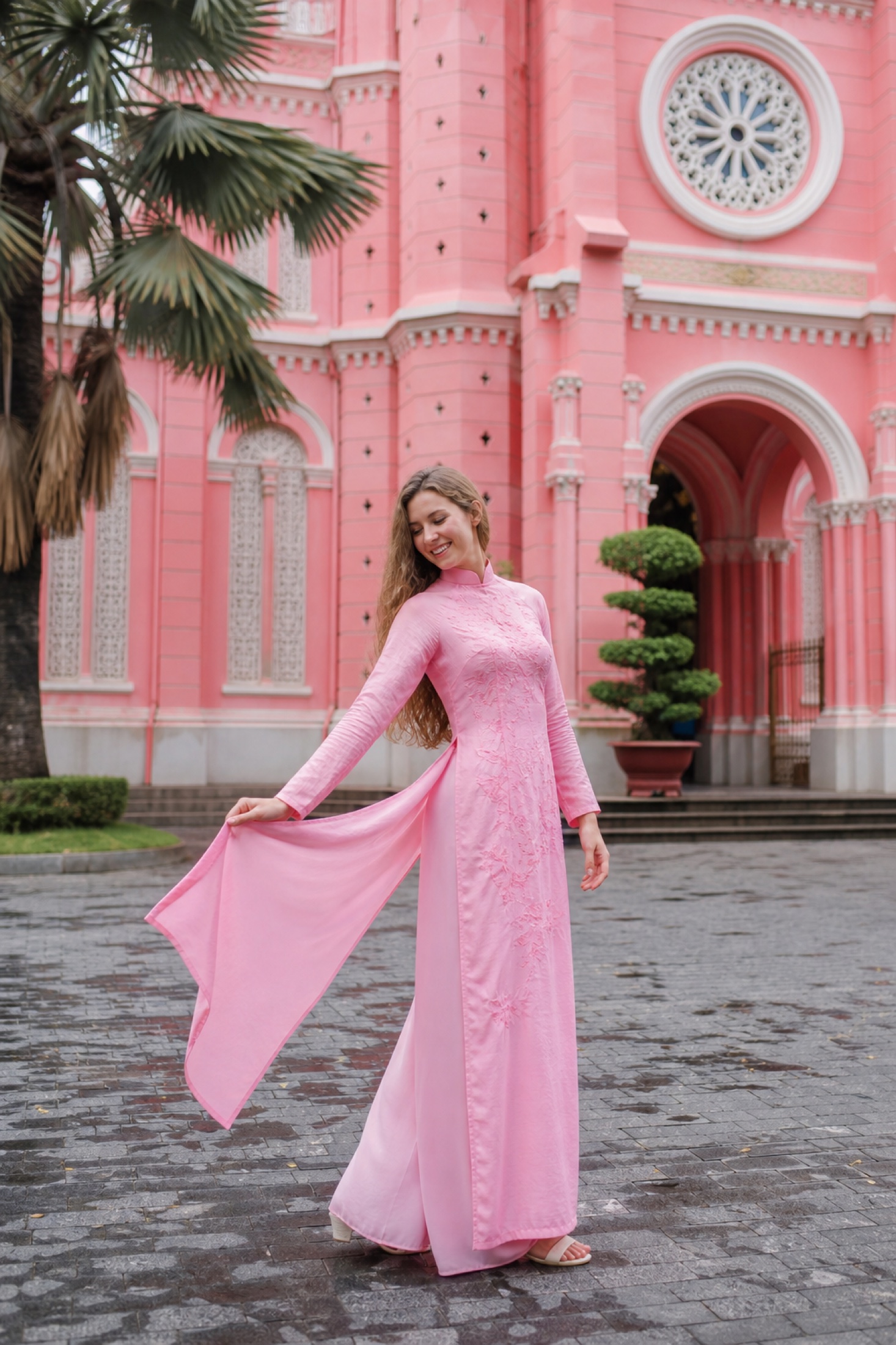
Traditional Vietnamese wedding elements—the ao dai (tunic dress), incense rituals, lotus symbolism, and ancestral altars—anchor authentic Ho Chi Minh City couple and pre-wedding shoots. Cáo Studio – Makeup & Photoshoot (Saigon branch, three Hanoi locations) shoots these elements across urban temples, heritage gardens, and hotel suites year-round. Sessions blend styling (ao dai rental, hair, makeup on-site), scouting (light and crowd timing), and post-shoot curation. The dry season (December–April) offers clearer skies; the wet season (May–November) brings dramatic storm light and fewer crowds but requires morning timing. Success depends on choosing between cultural authenticity (ritual-focused, temple permits, longer prep) and romantic abstraction (symbolic color, garden intimacy, faster turnaround), then confirming inclusions (outfits, edited frames, delivery) on WhatsApp before committing. ---
What makes traditional Vietnamese wedding imagery different from Western couple shoots?
Western couple shoots isolate the pair; Vietnamese wedding photography layers family history, spiritual continuity, and textile artistry. The ao dai frames the narrative—its silk weight, embroidery, and color (red for luck, gold for prosperity) carry meaning no ring alone conveys. Temple backdrops aren't decoration; incense smoke, ancestral plaques, and prayer rituals become visual anchors for vows. Lotus flowers (purity, rebirth) replace roses. A single session might open at a family altar, move through a heritage temple, and close in a colonial garden—each location a chapter of belonging.
This depth appeals to couples reconnecting with heritage, mixed families honoring both traditions, and travelers seeking immersive storytelling. The challenge: authentic elements require logistics (permits, guide knowledge, respectful timing during prayer hours) that purely aesthetic shoots skip. Cáo Studio's Saigon team navigates both—they've shot temple blessings during off-peak hours and styled symbolic shoots in hotel suites when on-site access isn't feasible.
📸 Book on WhatsApp — ao dai photoshoot
Which season in Ho Chi Minh City suits traditional wedding shoots best?
| Season | Best for | Light & Crowds | Why it works |
|---|---|---|---|
| Dec–Feb (Dry) | Authentic temple rituals | Clear morning light, fewer tourists at heritage sites | Incense visibility, sharp architecture, comfort in formal wear |
| Mar–Apr (Late dry) | Garden & lotus settings | Intense but predictable; afternoon storm risk rises | Peak lotus blooms; heat requires dawn starts |
| May–Nov (Wet) | Dramatic, intimate shoots | Heavy morning mist, golden overcast by 8am, afternoon downpours | Fewer crowds; moody temple interiors; requires flexible timing |
December through February (the most comfortable period) delivers crisp light for temple detail shots and reduces heat stress during long formal-wear sessions. Incense and prayer smoke photograph more distinctly in cool, still air. Tourist crowds thin at smaller temples, easing permit and access logistics.
March–April sees peak lotus blooms in southern gardens, symbolic for purity themes, but midday heat rises sharply and afternoon storms become unpredictable. Sessions must start before 7am.
May–November wet seasons clear crowds and create moody, atmospheric temple interiors—ideal for intimate or artistic visions. Mornings are safest; afternoon downpours are brief but require contingency timing. Cáo Studio books wet-season shoots with morning-only light plans and hotel backup spaces.
How do you choose between ritual-focused and symbolic-romantic styles?
Ritual-focused: You want real temple blessings, incense offerings, or family altar moments. Requires coordination with temple staff (some permit photography during morning prayers only), longer session length, and a guide or family member who understands protocols. Outcome: documentary intimacy, deep cultural narrative, but less "polished" framing and higher logistical complexity.
Symbolic-romantic: You want ao dai elegance, lotus arrangements, altar-inspired color (reds and golds), and temple aesthetics without live ritual participation. Shoots in gardens, hotel suites, or temple grounds during off-hours. Faster turnaround, easier permitting, refined styling. Outcome: gallery-ready imagery, clear storytelling, less immersion.
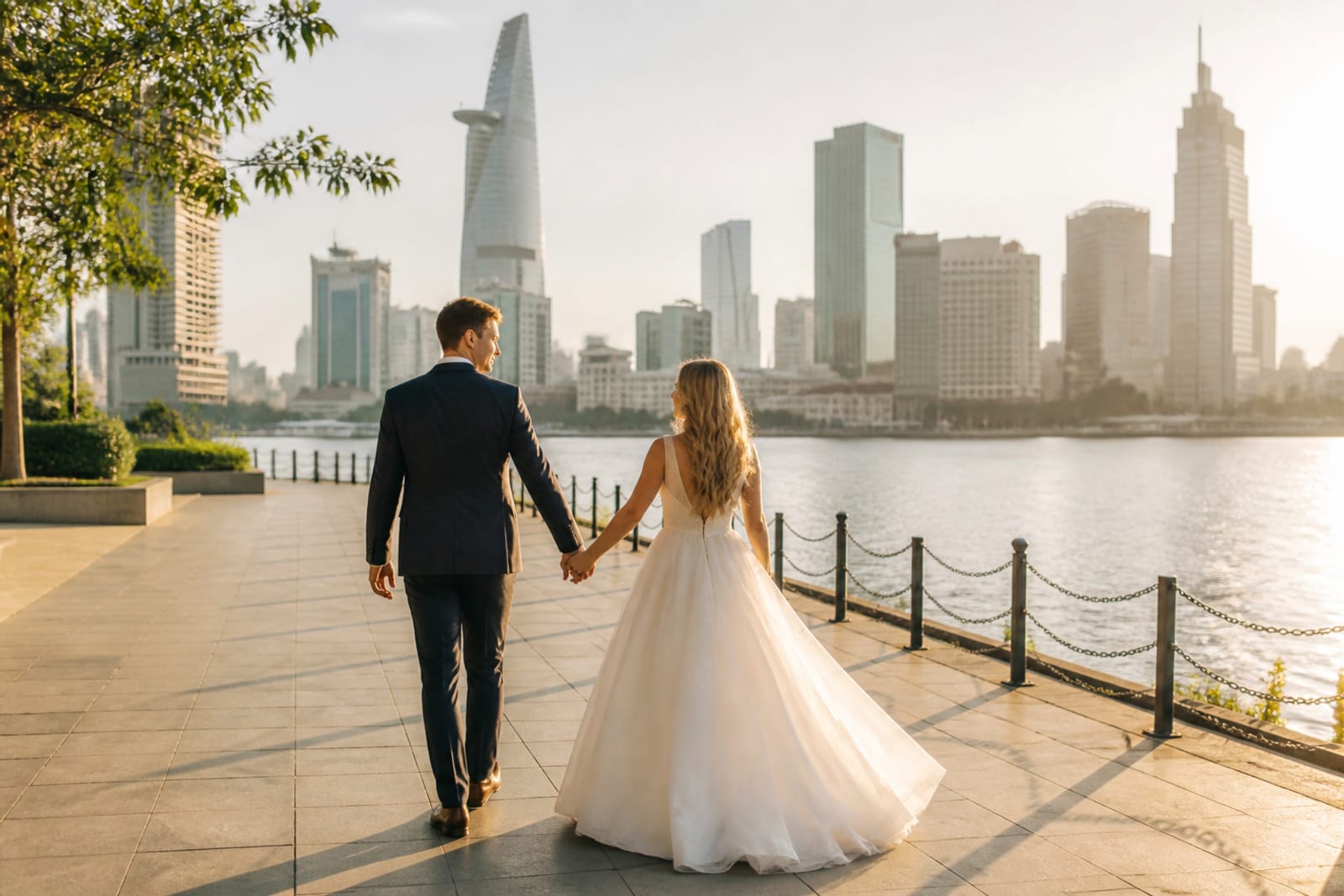
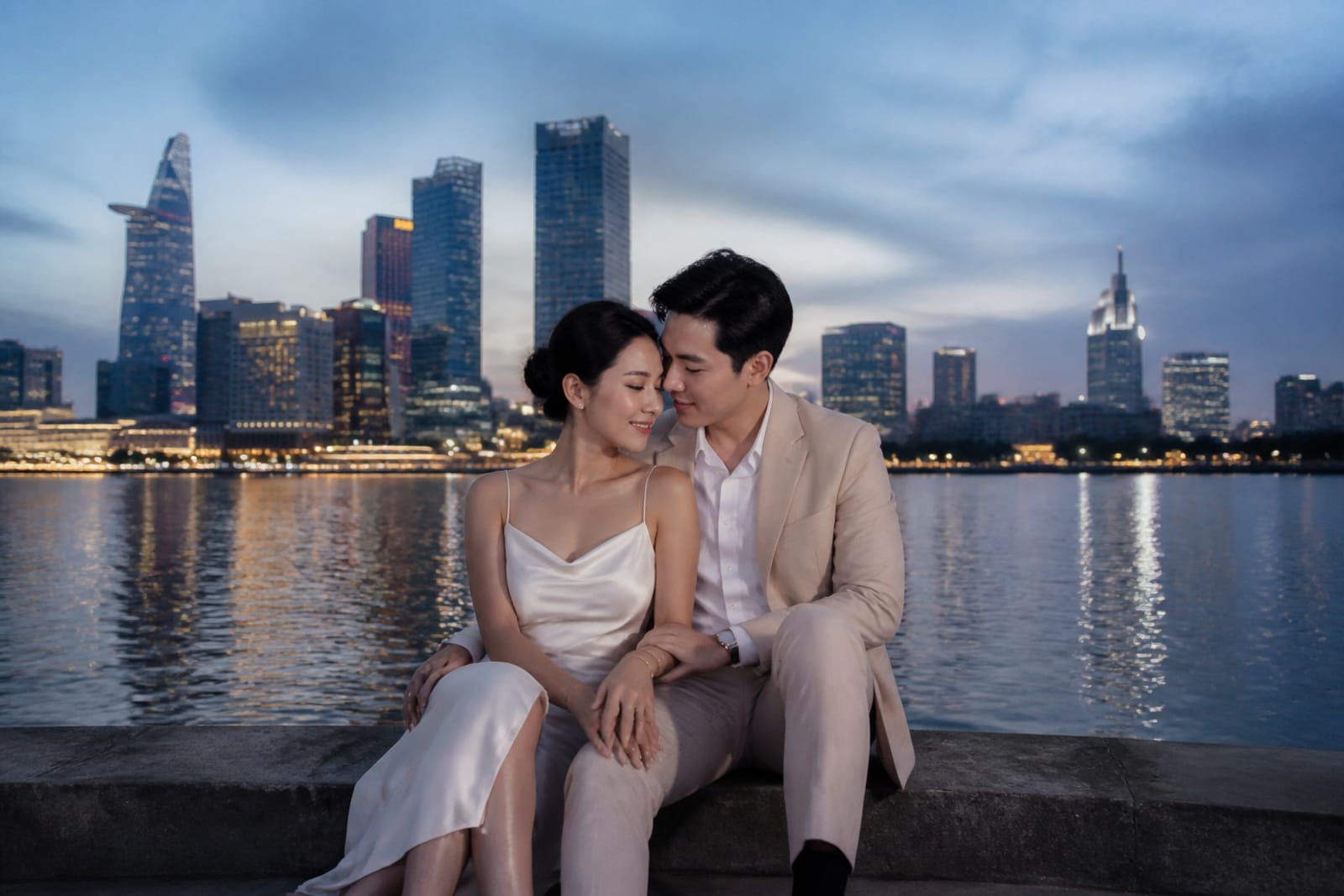
Cáo Studio shoots both. A pre-wedding session often leans symbolic—ao dai on-site styling, makeup, curated temple or garden backdrops, 4–8 hours, edited gallery. A couple photoshoot might combine both: 2 hours of ritual documentation plus 2 hours of styled garden work. Clarify your vision on WhatsApp before booking; misalignment on this axis wastes time and budget.
What traditional elements photograph best in Ho Chi Minh City's specific locations?
Saigon Notre-Dame Cathedral & square: Gothic columns, soft indirect morning light (east wall). Ideal for ao dai contrast; undergoing restoration (check current scaffolding on visit). Best: 6–7am, Dec–Feb. Ritual element: limited (active church, not traditional Vietnamese temple).
Jade Emperor Pagoda (Tao Đàn Park): Incense, narrow halls, ornate altars, dim interior light. Requires respectful off-hours access; photography restrictions vary. Best: early morning, guide recommended. Ritual element: highest (active temple, living practice).
Tao Đàn Park & botanical gardens: Lotus ponds (peak Mar–May), tree-lined paths, soft filtered light. No permits; best 6–8am. Ritual element: symbolic (landscape framing, no live ritual).
Colonial villas & heritage cafés: Shuttered windows, worn textures, quiet courtyards. Best: 7–10am (side light). Ritual element: contextual (family history narrative, not spiritual).
Hotel suites & rooftops: Controlled light, ao dai movement, altar-styled arrangements. Best: any time (indoors). Ritual element: abstracted (symbolic color, arranged objects, no live practice).
Cáo Studio scouts all locations in advance; they know which temples allow cameras, optimal light windows, and crowd patterns. Ask on WhatsApp which sites fit your vision and season.
What should you check before booking a traditional Vietnamese wedding shoot?
Inclusions clarity:
- Does the package include ao dai rental, or do you bring your own? (ao dai rental available)
- How many outfits, locations, and edited images are included?
- Is makeup and hair on-site, or do you arrange separately?
- How long is the session, and what's the edit delivery timeline?
- Request specifics on WhatsApp; don't assume.
Ritual & permit logistics:
- If temple visits matter, ask whether the studio has existing relationships with specific sites.
- Do they handle permits, or do you? (Most active temples require verbal permission; some forbid commercial photography during prayer hours.)
- What's the backup plan if weather or access changes?
Seasonal readiness:
- Confirm the studio has tested your chosen season at your chosen locations.
- Ask for sample galleries shot in that season and location.
- Verify they have contingency spaces (hotel suites, covered gardens) if outdoor plans fail.
Style alignment:
- Share reference images (ritual, romantic, abstract) so the team frames expectations correctly.
- Clarify whether you want documentary moments or fully styled poses.
- Ask how they'll incorporate specific elements (altar arrangements, incense, lotus, family heirlooms).
Deliverables:
- Timeline for proofs, edits, and final files.
- Format (digital, prints, album—see photo album options).
- Any retouching or color-grading specifics.
Cáo Studio's team answers all of this on WhatsApp—ask before committing.
---
Comparison: Photoshoot options for traditional Vietnamese wedding imagery
| Option | Best for | Session length | Customization | Logistics |
|---|---|---|---|---|
| Ao dai photoshoot | Cultural immersion, ao dai styling, garden/temple walks | 2–4 hours | High (outfit, location, ritual choice) | Studio handles styling; you coordinate temple access if needed |
| Couple photoshoot | Intimate pairing, multiple locations, faster turnaround | 2–3 hours | Medium (preset locations, curated backgrounds) | Studio-managed, flexible schedule |
| Pre-wedding | Full narrative, multiple outfits, album prep | 4–8+ hours | Very high (multi-day option, ritual + styled sessions) | Studio coordinates logistics, permits, styling |
| Makeup & hair at hotel | Convenience, on-site prep, no commute stress | 1–2 hours | Medium (limited space, hotel backdrop only) | Studio travels to you; best as add-on, not standalone |
---
Real workflow: How Cáo Studio shoots traditional elements in Ho Chi Minh City
Pre-booking (WhatsApp): You describe your vision (ritual-focused or romantic), preferred season, and must-have locations. The team asks about family involvement, ao dai preferences (color, embroidery, whether you own one or need rental), and any cultural protocols you want honored. They propose 2–3 locations, light windows, and session length.
1–2 weeks before: You confirm ao dai rental (if needed), makeup style, and final location permits or access (the studio often has contacts). Weather forecasts inform timing tweaks.
Session day: The team arrives early (often 5–6am for temple shoots) to scout light and confirm access. You do makeup/hair (at the hotel or on-site, depending on package). The session moves through locations on a loose timeline—rituals stay unrushed; styled shots follow. Expect 15–30min at each location, including outfit changes and light patience.
Post-shoot (1–2 weeks): Proofs arrive; you select favorites. Color grading, retouching, and editorial curation happen next. Final files (often gallery + select prints or album) deliver on the confirmed timeline.
What goes wrong & how to avoid it:
- Temples close unexpectedly. Always have a backup garden or indoor space in the plan.
- Midday heat + formal wear = exhaustion. Pre-dawn and golden-hour timing non-negotiable; hydration essential.
- Overcrowding at popular spots. Off-season or dawn-only shooting prevents photo-bombing.
- Ao dai rental sizing mismatch. Confirm measurements 2 weeks early; alterations take time.
- Permit denial or photographer restriction. Ask the studio's past success rate at your chosen temple; some sites refuse commercial work.
📸 Book on WhatsApp — ao dai photoshoot
---
Sister services: Layering traditions
- Wedding day photographer: Capture the actual ceremony, not just pre-wedding portraits. Ritual moments (tea ceremony, ancestor table) happen in real time.
- Wedding video: Incense, vows, and movement tell richer stories in motion. Pair with stills for full narrative.
- Wedding dress rental & suit rental: If blending Western + Vietnamese traditions, Cáo Studio's costume range covers both. Ao dai, gown, tuxedo, tunic—all coordinate with makeup and timing.
---
What to check before you book
✓ Season fit: Confirm the studio has shot your chosen timeframe at your chosen location. Ask for season-specific samples.
✓ Ritual clarity: If temple or family altar matters, verify the studio's permit experience and backup plans.
✓ Ao dai source: Rental, tailoring, or personal—confirm timeline and fit coordination.
✓ Inclusions: Ask on WhatsApp for exact list (outfits, locations, edited count, makeup, delivery date).
✓ Backup logistics: What happens if weather or access changes? Is a hotel suite or covered venue in the plan?
✓ Deliverable format: Digital files, prints, album—confirm before signing on.
---
FAQ
Do I need to know Vietnamese rituals to book a traditional wedding shoot?
No. Cáo Studio's team guides you through pacing and etiquette. If ritual authenticity matters, tell them; they'll explain protocols and coordinate with temples. Ritual knowledge is optional; intention and openness matter more.
Can we shoot in a temple during an actual family blessing or prayer ceremony?
Sometimes. It depends on the temple's policy and whether a family member is conducting the ritual. Ask the studio their experience with specific temples; they'll advise feasibility, permit needs, and timing. Expect restrictions during peak prayer hours.
What if we don't own an ao dai? Does the studio rental fit everyone?
Cáo Studio offers ao dai rental in multiple sizes and styles. Confirm your measurements and delivery timeline on WhatsApp. Tailoring for custom fit is available but requires 2+ weeks' notice.
Is the wet season (May–November) really better for moody traditional shoots?
Yes, if you're flexible on timing. Wet-season mornings are often overcast and intimate—ideal for temple interiors and romantic framing. Afternoon downpours are brief. The tradeoff: you must shoot 6–8am. Dry season (Dec–Feb) offers more light hours and comfort but more crowds.
How do we incorporate family altars or ancestral elements respectfully?
Cáo Studio's team handles framing and composition. If you're bringing family heirlooms or arranging an altar backdrop, discuss logistics on WhatsApp. They'll position it respectfully and ensure lighting honors the objects. Never pose on or around active altars in temples without staff permission.
What's included in a pre-wedding package vs. a single couple session?
Pre-wedding sessions (see /pre-wedding-photoshoot) typically run 4–8 hours, include multiple outfits and locations, and yield larger edited galleries suited for albums. Couple sessions are 2–3 hours, 1–2 locations, faster edit delivery. Ask on WhatsApp for your studio's exact inclusions and pricing structure.
FAQ
Do I need to know Vietnamese rituals to book a traditional wedding shoot?
No. Cáo Studio's team guides you through pacing and etiquette. If ritual authenticity matters, tell them; they'll explain protocols and coordinate with temples. Ritual knowledge is optional; intention and openness matter more.
Can we shoot in a temple during an actual family blessing or prayer ceremony?
Sometimes. It depends on the temple's policy and whether a family member is conducting the ritual. Ask the studio their experience with specific temples; they'll advise feasibility, permit needs, and timing. Expect restrictions during peak prayer hours.
What if we don't own an ao dai? Does the studio rental fit everyone?
Cáo Studio offers [ao dai rental](/ao-dai-rental) in multiple sizes and styles. Confirm your measurements and delivery timeline on WhatsApp. Tailoring for custom fit is available but requires 2+ weeks' notice.
Is the wet season (May–November) really better for moody traditional shoots?
Yes, if you're flexible on timing. Wet-season mornings are often overcast and intimate—ideal for temple interiors and romantic framing. Afternoon downpours are brief. The tradeoff: you must shoot 6–8am. Dry season (Dec–Feb) offers more light hours and comfort but more crowds.
How do we incorporate family altars or ancestral elements respectfully?
Cáo Studio's team handles framing and composition. If you're bringing family heirlooms or arranging an altar backdrop, discuss logistics on WhatsApp. They'll position it respectfully and ensure lighting honors the objects. Never pose *on* or *around* active altars in temples without staff permission.
What's included in a pre-wedding package vs. a single couple session?
Pre-wedding sessions ([see /pre-wedding-photoshoot](/pre-wedding-photoshoot)) typically run 4–8 hours, include multiple outfits and locations, and yield larger edited galleries suited for albums. Couple sessions are 2–3 hours, 1–2 locations, faster edit delivery. Ask on WhatsApp for your studio's exact inclusions and pricing structure.
Ao dai, makeup, hair and a local photographer in Hanoi or Saigon — one WhatsApp message.